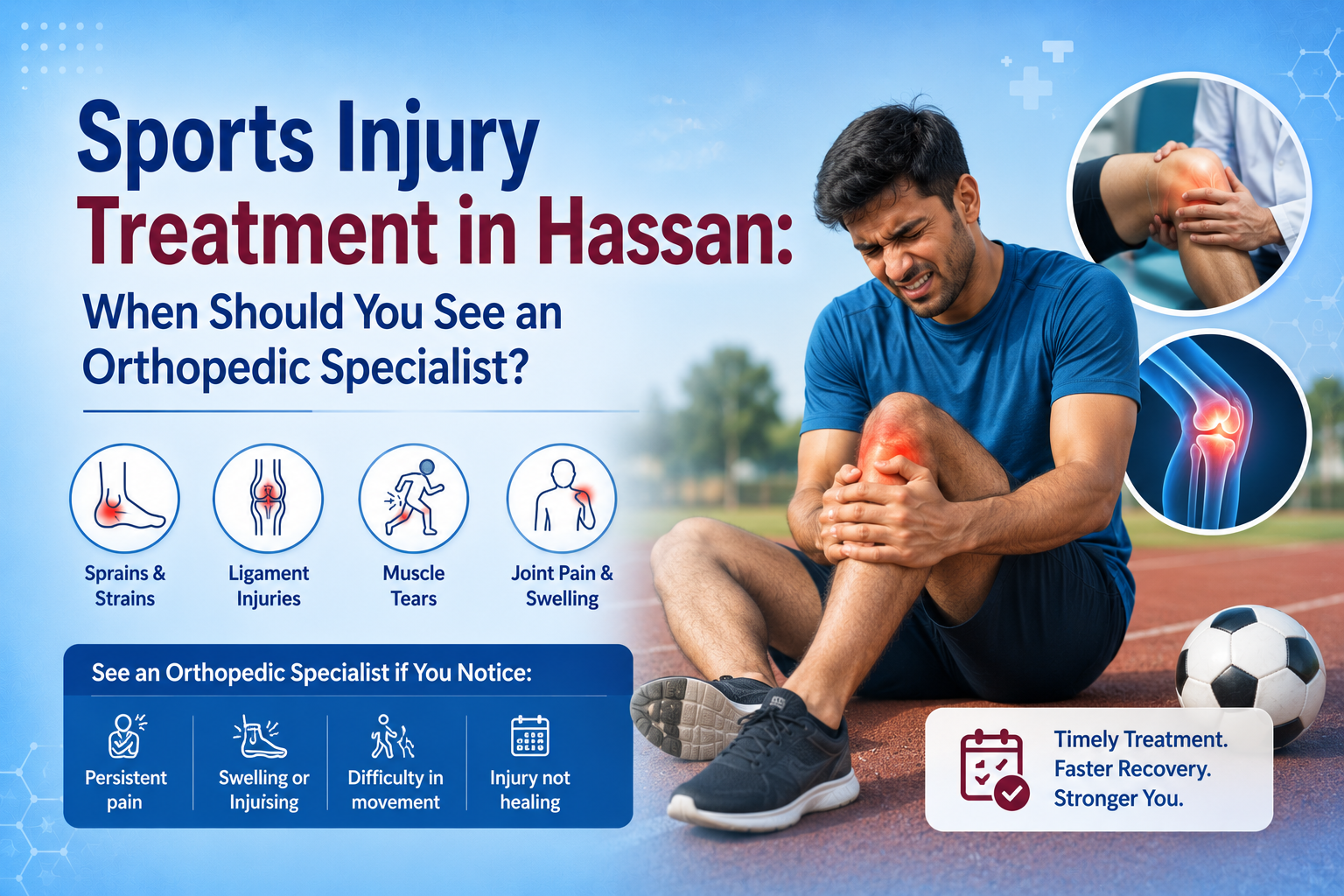
Whether you’re a professional athlete, a fitness enthusiast, or someone who enjoys recreational sports, injuries can happen unexpectedly. While minor sprains and muscle strains often heal with rest, some sports injuries require prompt medical attention to prevent long-term complications.
If you’ve been searching for sports injury treatment in Hassan, it’s important to know when an injury can be managed at home and when you should consult an orthopedic specialist. Early diagnosis and the right treatment can help you recover faster, reduce pain, and safely return to your favorite activities.
This guide explains the common types of sports injuries, warning signs, treatment options, recovery tips, and when to visit an orthopedic specialist for expert care.
What Is a Sports Injury?
A sports injury is any injury that occurs during physical activity, exercise, or sports participation. These injuries may affect muscles, ligaments, tendons, bones, joints, or cartilage.
Sports injuries can occur due to:
- Sudden trauma or impact
- Overuse and repetitive movements
- Poor training techniques
- Lack of warm-up exercises
- Improper sports equipment
- Muscle weakness or imbalance
Although athletes are more prone to these injuries, anyone participating in physical activities can experience them.
Common Types of Sports Injuries
Sports injuries vary depending on the activity and body part involved.
1. Sprains
A sprain occurs when ligaments are stretched or torn.
Commonly affected joints include:
- Ankle
- Knee
- Wrist
Symptoms include pain, swelling, bruising, and difficulty moving the joint.
2. Muscle Strains
Muscle strains occur when muscles or tendons are overstretched or torn.
They commonly affect:
- Hamstrings
- Calf muscles
- Back muscles
- Shoulder muscles
Ligament injuries are common in sports involving running, jumping, or sudden direction changes.
3. Ligament Tears
Examples include:
- ACL tear
- MCL injury
- PCL injury
Some ligament injuries require surgical treatment.
4. Fractures
High-impact sports can cause broken bones that require immediate orthopedic care.
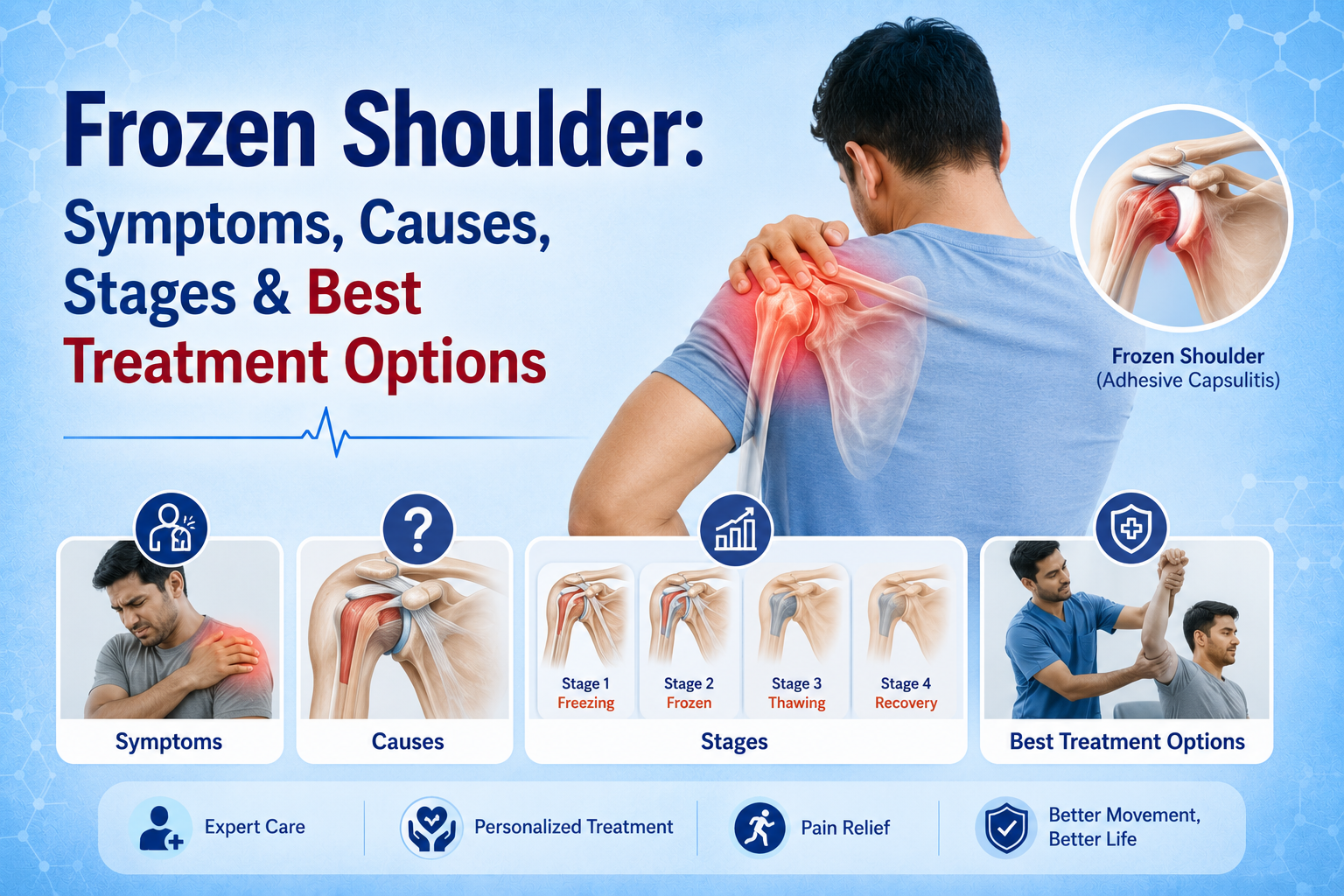
5. Shoulder Injuries
Sports such as cricket, badminton, volleyball, and swimming frequently cause shoulder injuries due to repetitive overhead movements.
6. Knee Injuries
The knee is one of the most commonly injured joints among athletes.
If you’re experiencing persistent knee discomfort, read our guide on knee pain treatment in Hassan.
Symptoms of Sports Injuries
Recognizing symptoms early helps prevent further damage.
Common Symptoms
- Sudden pain during activity
- Swelling
- Bruising
- Joint instability
- Difficulty walking
- Reduced range of motion
- Muscle weakness
- Persistent stiffness
- Difficulty bearing weight
Symptoms lasting more than a few days should be evaluated by an orthopedic specialist.
When Should You See an Orthopedic Specialist?
Many minor sports injuries improve with rest, ice, compression, and elevation (RICE).
However, medical evaluation is recommended if you experience:
Severe Pain
Pain that prevents movement or continues despite medication.
Persistent Swelling
Swelling lasting several days may indicate ligament or cartilage damage.
Difficulty Walking
Inability to bear weight may suggest fractures or severe ligament injuries.
Joint Instability
If the knee or shoulder feels unstable, immediate orthopedic evaluation is important.
Limited Joint Movement
Difficulty bending or straightening a joint could indicate structural damage.
Numbness or Tingling
Nerve involvement requires prompt medical attention.
Sports Injury Treatment in Hassan
Treatment depends on the type and severity of injury.
An orthopedic specialist develops a personalized treatment plan after physical examination and imaging studies.
Non-Surgical Sports Injury Treatment
Most sports injuries do not require surgery.
Rest and Activity Modification
Avoid activities that worsen symptoms.
Ice Therapy
Applying ice during the first 48 hours helps reduce swelling and pain.
Compression
Compression bandages help control swelling.
Elevation
Keeping the injured limb elevated promotes healing.
Medications
Pain-relieving and anti-inflammatory medications may be prescribed when appropriate.
Physiotherapy
Rehabilitation exercises restore strength, flexibility, and joint stability.
Physiotherapy is essential for preventing repeat injuries.
When Is Sports Injury Surgery Needed?
Some injuries cannot heal properly without surgery.
Surgery May Be Recommended For
- Complete ACL tears
- Severe ligament injuries
- Tendon ruptures
- Complex fractures
- Shoulder instability
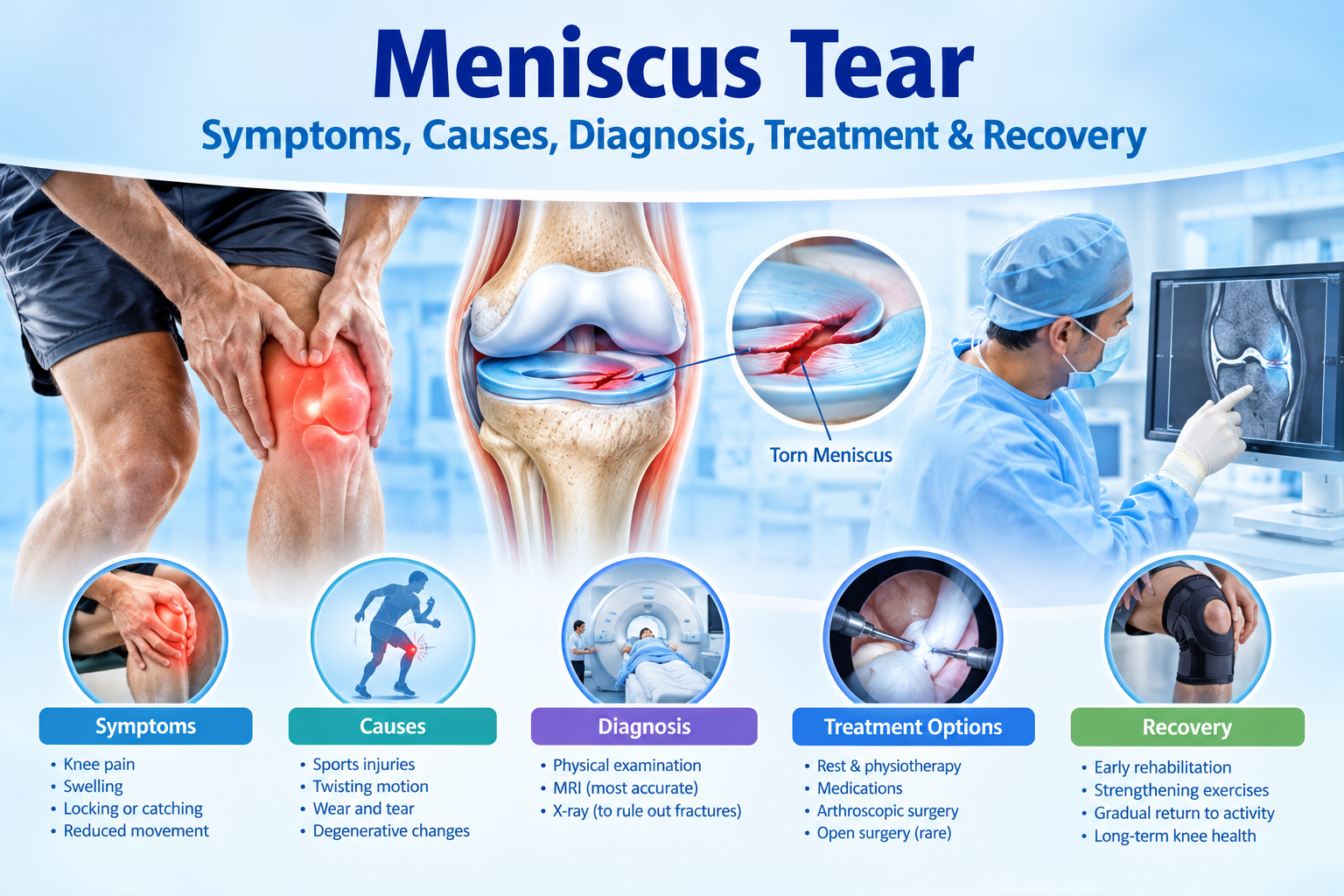
- Meniscus tears
- Cartilage damage
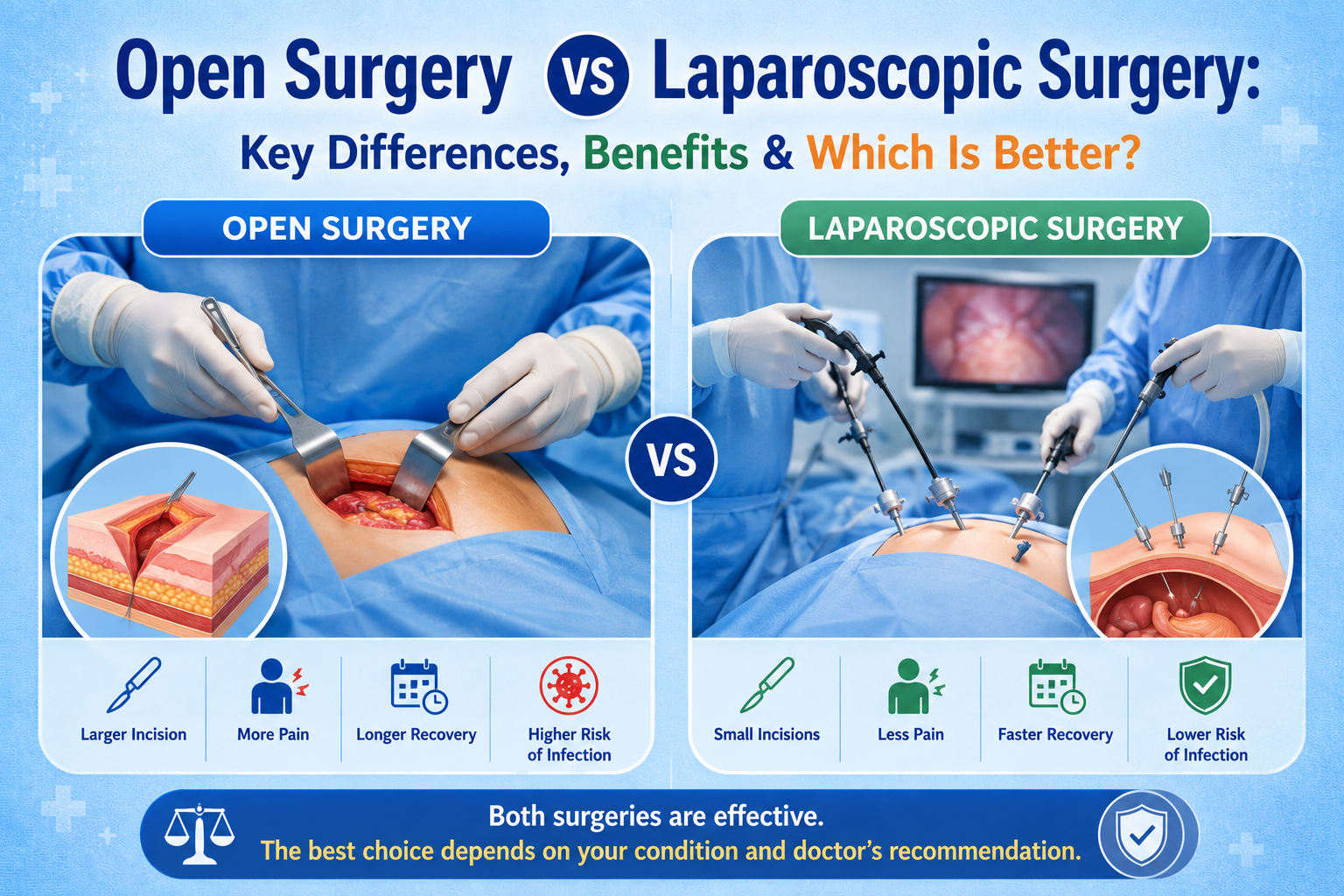
Modern orthopedic surgery often uses minimally invasive arthroscopic techniques that promote faster recovery.
Diagnosis of Sports Injuries
An accurate diagnosis ensures appropriate treatment.
Your orthopedic specialist may recommend:
- Physical examination
- X-rays
- MRI scan
- CT scan
- Ultrasound (for soft tissue injuries)
These tests help determine the extent of the injury.
Recovery After a Sports Injury
Recovery depends on:
- Injury severity
- Patient age
- Fitness level
- Treatment method
- Rehabilitation compliance
Recovery Timeline
| Injury Type | Average Recovery Time |
| Mild Muscle Strain | 2–4 weeks |
| Ankle Sprain | 3–6 weeks |
| Ligament Injury | 6–12 weeks |
| Fracture | 6–10 weeks |
| ACL Reconstruction | 6–9 months |
Recovery times vary depending on individual circumstances.
Sports Injury Rehabilitation
Rehabilitation is one of the most important aspects of recovery.
Benefits of Rehabilitation
- Reduces pain
- Restores joint movement
- Improves muscle strength
- Prevents stiffness
- Reduces reinjury risk
- Improves athletic performance
Skipping rehabilitation may delay recovery and increase future injury risk.
Can Sports Injuries Be Prevented?
Although not every injury is preventable, several measures reduce risk.
Prevention Tips
Warm Up Before Exercise
Dynamic stretching prepares muscles and joints.
Strength Training
Strong muscles provide better joint support.
Wear Proper Footwear
Well-fitted sports shoes improve stability.
Maintain Proper Technique
Incorrect movement patterns increase injury risk.
Avoid Overtraining
Rest days allow muscles and ligaments to recover.
Stay Hydrated
Proper hydration supports muscle function.
Sports Injuries and Back Pain
Certain sports can also contribute to chronic back pain due to repetitive strain or improper lifting techniques.
If you frequently experience back discomfort, explore our article on chronic back pain treatment. You can also learn about back pain treatment options available for athletes and active individuals:
When Do Sports Injuries Require Spine Evaluation?
Athletes participating in contact sports or heavy lifting may develop spinal injuries.
Persistent pain, numbness, or weakness should never be ignored.
Learn more about spine surgery cost in Hassan and advanced treatment options.
If symptoms involve nerve pain radiating down the leg, read our guide on the difference between slip disc and sciatica.
Choosing the Best Hospital for Sports Injury Treatment in Hassan
When selecting a hospital, look for:
Experienced Orthopedic Specialists
Specialized orthopedic care improves treatment outcomes.
Advanced Diagnostic Facilities
MRI, X-ray, and modern imaging help ensure accurate diagnosis.
Comprehensive Rehabilitation
Physiotherapy plays a key role in successful recovery.
Arthroscopic Surgery Facilities
Minimally invasive procedures often result in faster healing and reduced postoperative pain.
Why Choose Karna Hospital for Sports Injury Treatment?
At the best multispeciality hospital in Hassan, patients receive comprehensive orthopedic and sports injury care under one roof.
For specialized orthopedic consultation, explore our orthopedic hospital in Hassan
Why Patients Trust Karna Hospital
- Experienced orthopedic specialists
- Sports injury diagnosis and treatment
- Arthroscopic and minimally invasive procedures
- Advanced imaging facilities
- Personalized rehabilitation programs
- Comprehensive physiotherapy support
Whether you’re a professional athlete or someone recovering from a recreational injury, our team focuses on restoring mobility and helping you safely return to your active lifestyle.
Conclusion
Sports injuries should never be ignored, especially when pain, swelling, or reduced mobility persists. Early diagnosis and expert treatment can prevent complications, shorten recovery time, and improve long-term joint function.
If you’re looking for sports injury treatment in Hassan, consulting an experienced orthopedic specialist ensures you receive the right diagnosis and personalized treatment plan. From non-surgical therapies to advanced arthroscopic procedures and rehabilitation, timely care can help you return to sports with confidence.
Frequently Asked Questions (FAQ)
What is the best treatment for sports injuries?
Treatment depends on the injury and may include rest, physiotherapy, medications, or surgery for severe cases.
When should I see an orthopedic specialist for a sports injury?
Consult an orthopedic specialist if you have severe pain, swelling, joint instability, difficulty walking, or symptoms that persist despite home treatment.
Can sports injuries heal without surgery?
Yes. Many muscle strains, sprains, and minor ligament injuries heal with conservative treatment and rehabilitation.
How long does a sports injury take to heal?
Recovery can range from two weeks for minor injuries to several months for severe ligament injuries or fractures.
Which hospital is best for sports injury treatment in Hassan?
Choose a hospital with experienced orthopedic specialists, advanced diagnostic facilities, arthroscopic surgery expertise, and comprehensive rehabilitation services.