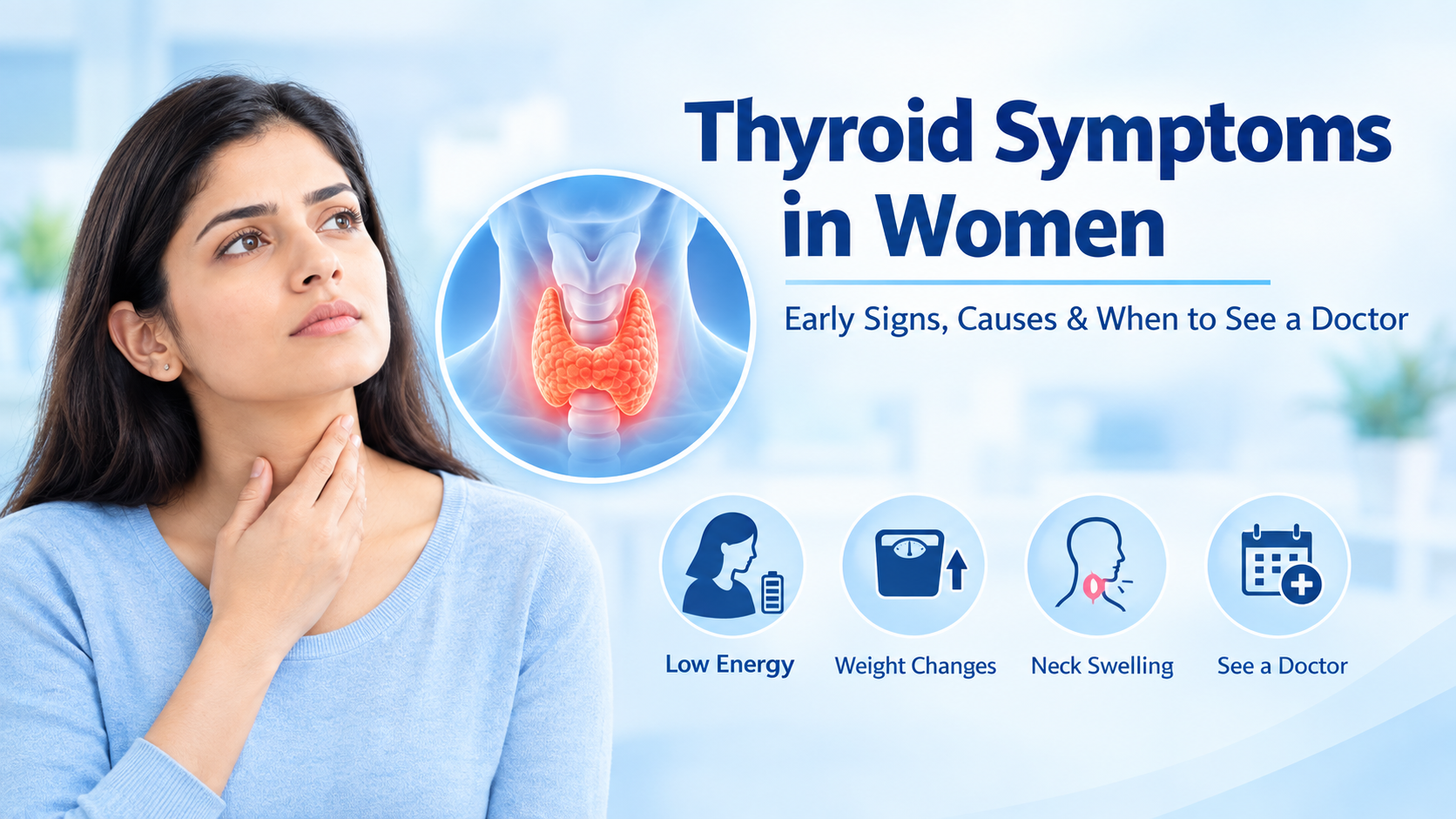
Thyroid problems are common in women and can affect energy levels, weight, mood, menstrual cycles, fertility, skin, hair, and overall health. Thyroid symptoms in women can sometimes develop gradually, making them easy to mistake for stress, ageing, hormonal changes, or lack of sleep.
The thyroid is a small, butterfly-shaped gland in the neck that produces hormones responsible for regulating metabolism and several important body functions. When the thyroid produces too little hormone, it can cause hypothyroidism. When it produces too much, it can cause hyperthyroidism.
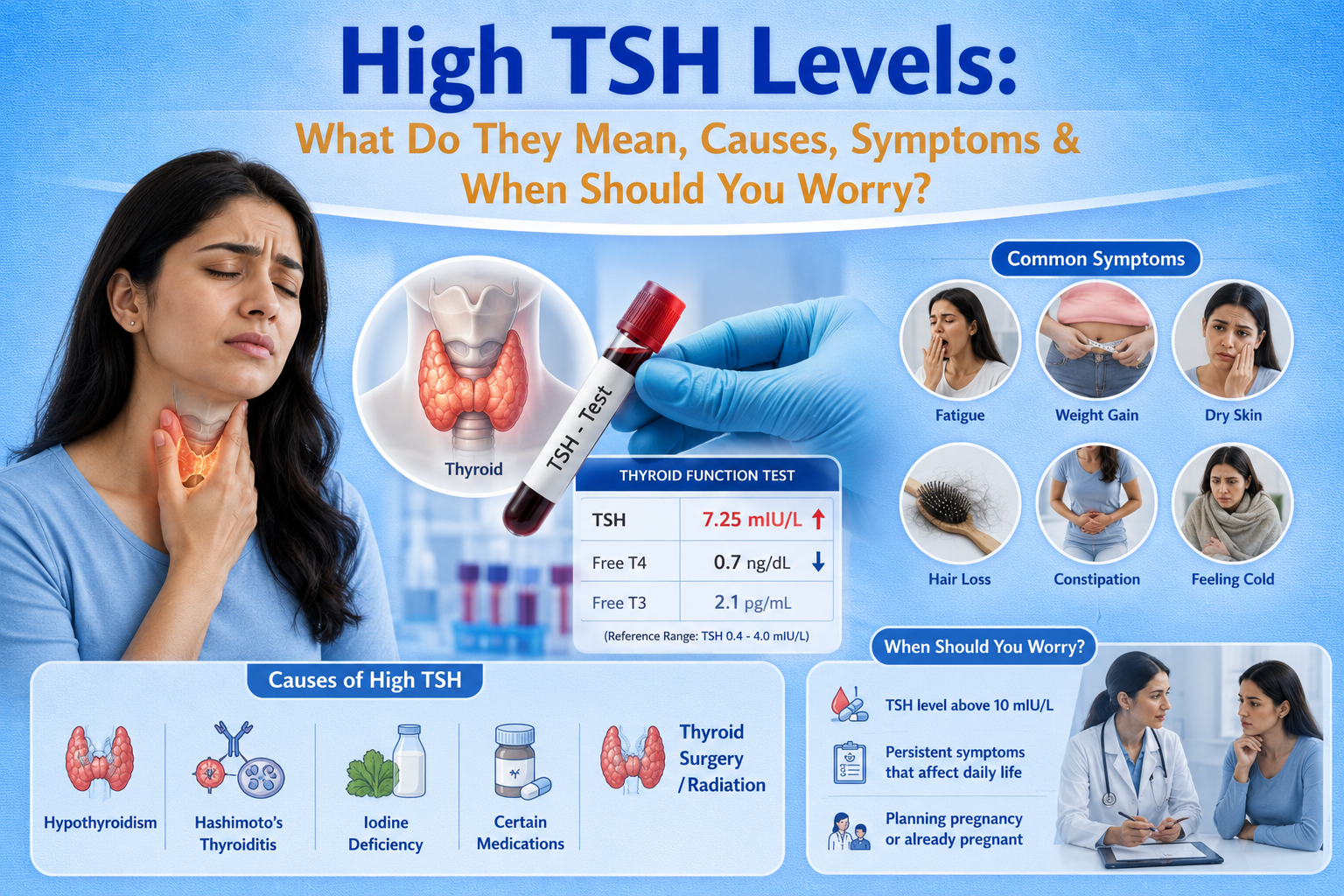
Common signs include unexplained weight changes, tiredness, hair loss, changes in periods, mood changes, sensitivity to cold or heat, constipation, and changes in heart rate.
Recognising these early signs of thyroid problems in women and getting appropriate testing can help identify thyroid disorders and guide treatment.
What Are Thyroid Symptoms in Women?
Thyroid symptoms in women vary depending on whether the thyroid is underactive or overactive.
An underactive thyroid, or hypothyroidism, can slow down many body processes. Women may experience:
- Persistent tiredness
- Unexplained weight gain
- Feeling unusually cold
- Dry skin
- Hair thinning or hair loss
- Constipation
- Low mood
- Difficulty concentrating
- Muscle aches
- Irregular or heavy periods
An overactive thyroid, or hyperthyroidism, can have the opposite effect. Symptoms may include:
- Unexplained weight loss
- Rapid or irregular heartbeat
- Increased sweating
- Feeling unusually hot
- Anxiety or irritability
- Trembling
- Difficulty sleeping
- Increased bowel movements
- Muscle weakness
- Changes in menstrual cycles
Because these symptoms can overlap with other conditions, thyroid problems cannot be diagnosed based on symptoms alone.
Managing thyroid disease involves more than simply treating individual symptoms. Depending on the condition, management may include prescribed medication, regular thyroid testing, a balanced diet, physical activity, adequate sleep, and follow-up with a healthcare professional. For more information, read our guide on how to control thyroid in women, including diet, lifestyle and treatment considerations.
Early Signs of Thyroid Problems in Women
Some thyroid disorders develop slowly, and the initial symptoms may be subtle.
1. Persistent Fatigue
Feeling tired despite adequate sleep can be one of the common hypothyroidism symptoms in women. A person may feel unusually sluggish or lack energy during everyday activities.
2. Unexplained Weight Changes
Thyroid hormones influence metabolism. An underactive thyroid may contribute to weight gain, while an overactive thyroid can cause unintended weight loss.
However, thyroid disease is only one possible explanation for weight changes.
3. Hair Loss or Thinning
Changes in thyroid hormone levels can affect the normal hair growth cycle. Some women may notice increased hair shedding or thinning.
If you’re experiencing persistent hair loss together with fatigue, weight changes, or menstrual changes, discussing thyroid testing with a doctor may be appropriate.
4. Changes in Menstrual Periods
Thyroid problems and periods can be connected because thyroid hormones interact with the reproductive system.
Hypothyroidism may be associated with heavier or irregular periods, while hyperthyroidism may cause lighter or less frequent periods.
5. Feeling Too Cold or Too Hot
Women with an underactive thyroid may frequently feel cold, while those with an overactive thyroid may feel unusually warm or sweat more than usual.
6. Mood and Concentration Changes
Thyroid imbalance can affect mood and cognitive function. Some women may experience low mood, irritability, anxiety, difficulty concentrating, or changes in sleep.
Hypothyroidism Symptoms in Women
Hypothyroidism occurs when the thyroid does not produce enough thyroid hormone.
Common symptoms of an underactive thyroid include:
- Fatigue
- Weight gain
- Cold intolerance
- Dry skin
- Hair loss
- Constipation
- Muscle aches
- Joint discomfort
- Depression or low mood
- Slow heart rate
- Difficulty concentrating
- Menstrual changes
Symptoms can develop gradually, so some women may not immediately recognise them as signs of a thyroid problem.
If several symptoms occur together or persist over time, a medical evaluation can help determine whether thyroid testing is appropriate.
Hyperthyroidism Symptoms in Women
Hyperthyroidism occurs when the thyroid produces excessive amounts of thyroid hormone.
Common hyperthyroidism symptoms in women include:
- Unexplained weight loss
- Increased appetite
- Rapid heartbeat
- Palpitations
- Excessive sweating
- Heat intolerance
- Anxiety or irritability
- Tremors
- Difficulty sleeping
- Muscle weakness
- Frequent bowel movements
- Menstrual changes
Some people may have only a few symptoms, which is why medical assessment and blood testing are important.
What Causes Thyroid Problems in Women?
There are several possible thyroid problems causes, and the underlying cause can differ between hypothyroidism and hyperthyroidism.
Common causes include:
Hashimoto’s Thyroiditis
Hashimoto’s thyroiditis is an autoimmune condition in which the immune system attacks thyroid tissue. It is an important cause of hypothyroidism.
Graves’ Disease
Graves’ disease is an autoimmune condition that can cause hyperthyroidism.
Iodine Imbalance
Iodine is required for thyroid hormone production. Both inadequate and excessive iodine intake can affect thyroid function in certain circumstances.
Thyroiditis
Inflammation of the thyroid can temporarily affect thyroid hormone levels.
Certain Medications
Some medications can influence thyroid function in susceptible individuals.
Thyroid Nodules
Certain thyroid nodules can produce excess thyroid hormones, although many thyroid nodules do not cause hormone abnormalities.
Can Thyroid Problems Affect Periods and Fertility?
Yes. Thyroid hormones are involved in reproductive health, so significant thyroid dysfunction can affect the menstrual cycle.
Women with thyroid disorders may experience:
- Irregular periods
- Heavy periods
- Lighter periods
- Changes in cycle length
- Ovulation problems
- Difficulty conceiving
This is why thyroid evaluation may be considered when menstrual irregularities or fertility concerns occur alongside other thyroid symptoms.
Thyroid function is also important during pregnancy. Women who are pregnant or planning pregnancy should discuss thyroid concerns with their healthcare provider rather than self-treating.
For broader information about pregnancy health, see our guide to pregnancy care month by month.
How Are Thyroid Problems Diagnosed?
Symptoms alone cannot confirm a thyroid disorder. Doctors generally consider symptoms, medical history, physical examination, and laboratory testing.
Thyroid Function Tests
A thyroid function test generally includes blood tests that assess thyroid-stimulating hormone (TSH) and, when appropriate, thyroid hormones such as T4.
Depending on the clinical situation, a doctor may recommend additional tests, including thyroid antibody tests.
TSH Test
The TSH test is commonly used as an initial test when evaluating thyroid function.
An abnormal result does not always mean the same thing in every person. Results need to be interpreted alongside symptoms, medical history, medications, pregnancy status, and other laboratory findings.
Additional Evaluation
If thyroid disease is suspected, the doctor may recommend additional blood tests or imaging depending on the findings.
When Should a Woman Get a Thyroid Test?
Consider speaking with a doctor if you have persistent or unexplained symptoms such as:
- Significant unexplained weight change
- Persistent fatigue
- Hair loss
- Menstrual irregularities
- Unexplained anxiety or low mood
- Persistent constipation
- Increased sensitivity to cold or heat
- Palpitations or unusually rapid heartbeat
- Difficulty becoming pregnant
A thyroid test may also be considered when there is a personal or family history of thyroid disease or other clinical reasons identified by a healthcare professional.
Thyroid Treatment Options
Treatment depends on the underlying thyroid disorder.
Treatment for Hypothyroidism
Hypothyroidism is commonly managed with thyroid hormone replacement prescribed by a doctor. The dosage may need adjustment based on follow-up blood tests and individual circumstances.
Treatment for Hyperthyroidism
Depending on the cause and severity, treatment may include medicines, radioactive iodine, or surgery in selected cases.
The appropriate treatment should be determined by a qualified healthcare professional after confirming the diagnosis.
Regular Monitoring
People receiving thyroid treatment may require periodic thyroid function tests to determine whether treatment needs adjustment.
Thyroid Symptoms During Pregnancy
Thyroid function is particularly important during pregnancy because thyroid hormones support maternal health and fetal development.
Some thyroid symptoms can overlap with normal pregnancy changes, including tiredness, weight changes, and mood changes. Therefore, symptoms alone should not be used to determine whether thyroid disease is present.
Women with known thyroid disease, previous thyroid problems, or risk factors should discuss appropriate monitoring with their obstetrician or physician.
When Should You See a Doctor for Thyroid Symptoms?
You should consider medical evaluation if symptoms are persistent, unexplained, worsening, or occurring in combination.
For example, fatigue + unexplained weight change + hair loss + menstrual irregularities may warrant discussion with a healthcare professional.
Seek prompt medical attention for symptoms such as severe shortness of breath, chest pain, fainting, or a very rapid or irregular heartbeat.
If you are looking for medical evaluation and treatment in the region, you can learn more about women and child care services at Karna Hospital.
Thyroid Treatment in Hassan
Women experiencing persistent thyroid symptoms in Hassan can consult a qualified physician for evaluation, appropriate thyroid testing, diagnosis, and treatment.
A medical evaluation can help determine whether symptoms are related to thyroid dysfunction or another condition with similar symptoms.
Karna Hospital in Hassan provides medical and specialist healthcare services, allowing patients to seek evaluation based on their individual symptoms and healthcare needs.
Women experiencing persistent thyroid symptoms in Hassan can consult a qualified physician for evaluation, appropriate thyroid testing, diagnosis, and treatment. When choosing healthcare services, access to diagnostic facilities, specialist consultations, emergency support, and coordinated medical care can also be important. Learn more about what to expect from a modern hospital in Hassan
Frequently Asked Questions About Thyroid Symptoms in Women
What are the early symptoms of thyroid problems in women?
Early symptoms may include fatigue, unexplained weight changes, hair loss, dry skin, temperature sensitivity, constipation, mood changes, and menstrual irregularities.
What are the symptoms of low thyroid in women?
Common low thyroid symptoms in women include tiredness, weight gain, feeling cold, constipation, dry skin, hair loss, low mood, and menstrual changes.
What are the symptoms of high thyroid in women?
High thyroid symptoms can include weight loss, rapid heartbeat, sweating, heat intolerance, anxiety, tremors, difficulty sleeping, and increased bowel movements.
Can thyroid problems cause hair loss?
Yes. Thyroid hormone abnormalities can affect the hair growth cycle and may contribute to hair thinning or increased hair shedding.
Can thyroid problems affect periods?
Yes. Thyroid dysfunction can be associated with changes in menstrual flow, cycle frequency, and regularity.
Can thyroid problems affect fertility?
Significant thyroid dysfunction may affect ovulation and menstrual cycles and can therefore contribute to fertility difficulties in some women. Appropriate evaluation and treatment may help manage the underlying problem.
What thyroid test should women take?
A doctor may initially recommend a TSH test, with additional thyroid hormone or antibody testing depending on the symptoms and initial results.
Is thyroid disease serious if left untreated?
Some thyroid disorders can cause complications when they remain untreated. Persistent symptoms should therefore be evaluated rather than ignored or self-treated.
Conclusion
Thyroid symptoms in women can vary considerably depending on whether the thyroid is underactive or overactive. Fatigue, weight changes, hair loss, temperature sensitivity, mood changes, and menstrual irregularities are among the symptoms that may occur.
Because many of these symptoms can also have other causes, thyroid blood tests and medical evaluation are important for diagnosis. Early identification can help women receive appropriate treatment and monitoring.
If you are experiencing persistent or unexplained symptoms, it is important to get an appropriate medical evaluation rather than assuming that every symptom is caused by a thyroid problem. Karna Hospital provides comprehensive healthcare services across multiple specialties in Hassan.