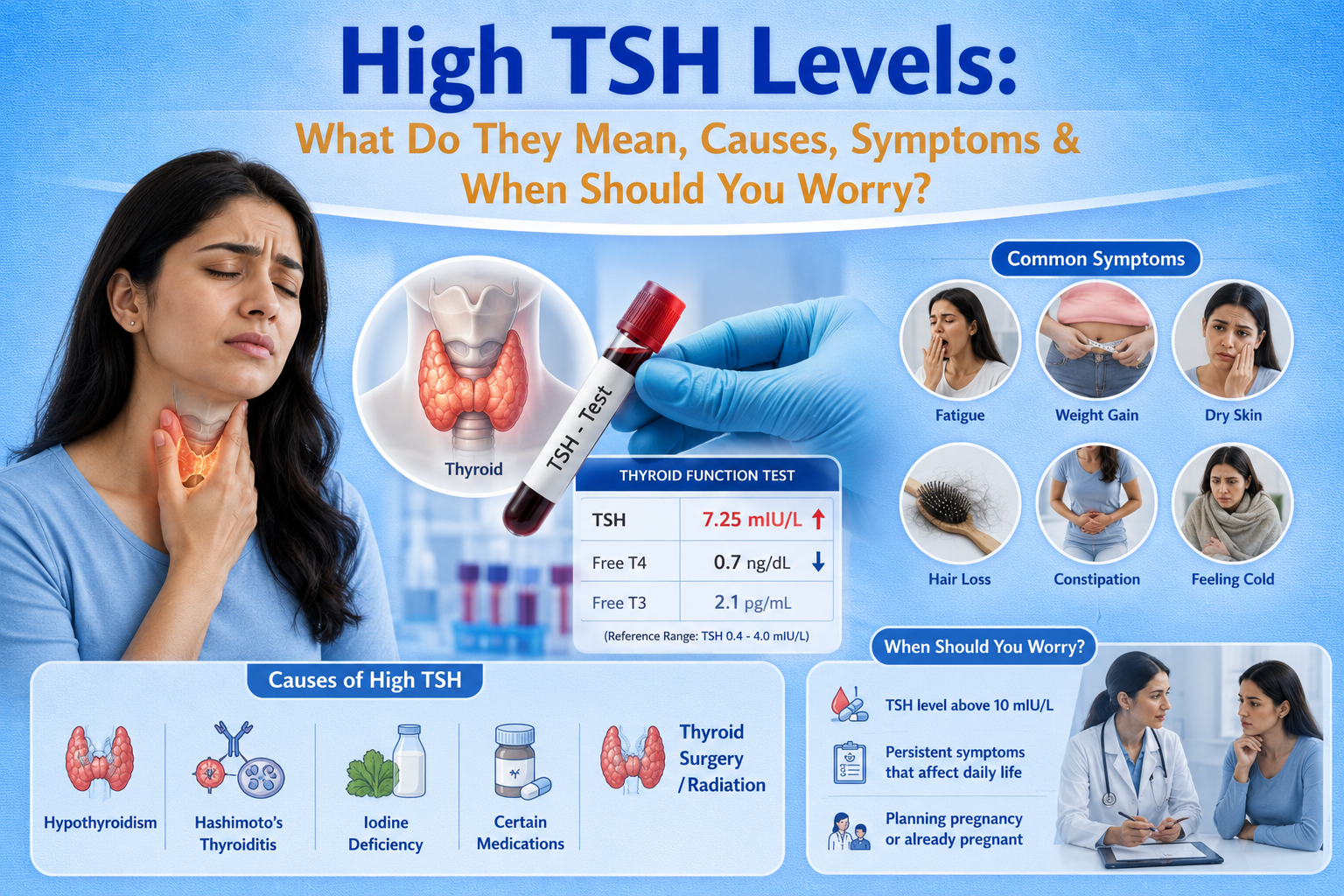
A thyroid blood test can sometimes show high TSH levels, even when you don’t have obvious symptoms. This can understandably cause concern, especially if you’re unsure what the result means or whether it requires treatment.
TSH, or thyroid-stimulating hormone, is one of the most important tests used to assess thyroid function. In general, a high TSH level suggests that the thyroid gland is not producing enough thyroid hormone, which can indicate hypothyroidism. However, a TSH result should not be interpreted on its own. Doctors usually consider TSH together with Free T4, symptoms, age, pregnancy status, medications, and the laboratory’s reference range.
So, when should you worry about high TSH? The answer depends on how high the level is, whether Free T4 is normal or low, whether symptoms are present, and whether the abnormal result persists.
What Does a High TSH Level Mean?
TSH is produced by the pituitary gland and signals the thyroid to produce thyroid hormones.
When thyroid hormone levels fall, the pituitary gland generally produces more TSH to stimulate the thyroid. Therefore, a high TSH level commonly indicates an underactive thyroid or primary hypothyroidism.
However, one abnormal result does not necessarily mean you have permanent thyroid disease.
Your doctor may consider:
- Your TSH level
- Free T4 level
- Your symptoms
- Age
- Pregnancy or plans for pregnancy
- Existing medical conditions
- Current medications and supplements
- Previous thyroid test results
- Thyroid antibodies when appropriate
This is why it is important not to diagnose or treat yourself based on a single TSH report.
How High Is Too High for TSH?
There isn’t one TSH number that is considered dangerous for every person.
Laboratories use their own reference ranges, and TSH levels can vary according to age and individual circumstances. Many laboratories use an upper reference limit somewhere around 4–5 mIU/L, although the exact range can differ.
The more important question is often:
Is the TSH elevated with a normal Free T4, or is it elevated with a low Free T4?
This distinction helps doctors determine whether the condition is subclinical hypothyroidism or overt hypothyroidism.
High TSH With Normal T4: What Does It Mean?
When TSH is high but Free T4 remains within the normal range, this is generally called subclinical hypothyroidism.
Some people with subclinical hypothyroidism have no symptoms, while others may experience mild symptoms associated with an underactive thyroid.
Treatment isn’t automatically required for every person with subclinical hypothyroidism. Doctors consider factors such as TSH level, symptoms, age, pregnancy status, thyroid antibodies, and cardiovascular risk before deciding whether to monitor or treat.
In some cases, the doctor may recommend repeating the thyroid test after a period of time to determine whether the elevation persists.
High TSH With Low T4: What Does It Mean?
A high TSH combined with a low Free T4 generally indicates primary hypothyroidism.
This means the thyroid isn’t producing enough hormone to meet the body’s needs.
Treatment commonly involves thyroid hormone replacement, usually with levothyroxine, under medical supervision.
Causes of High TSH Levels
Several conditions and factors can result in elevated TSH.
1. Hashimoto’s Disease
Hashimoto’s disease is an autoimmune condition in which the immune system attacks the thyroid. It is one of the common causes of hypothyroidism.
Doctors may recommend thyroid antibody testing when Hashimoto’s disease is suspected.
2. Iodine Imbalance
The thyroid requires iodine to produce thyroid hormones. Both inadequate and excessive iodine intake can affect thyroid function.
Taking high-dose iodine supplements without medical advice is therefore not recommended.
3. Thyroiditis
Inflammation of the thyroid can temporarily or permanently affect thyroid hormone production.
4. Previous Thyroid Treatment
People who have undergone thyroid surgery or radioactive iodine treatment may develop hypothyroidism and require thyroid hormone replacement.
5. Certain Medications
Some medicines can interfere with thyroid function.
If you’ve recently started a new medication and your thyroid test has become abnormal, tell your doctor about all prescription medicines, over-the-counter products, and supplements you take.
Symptoms of High TSH Levels
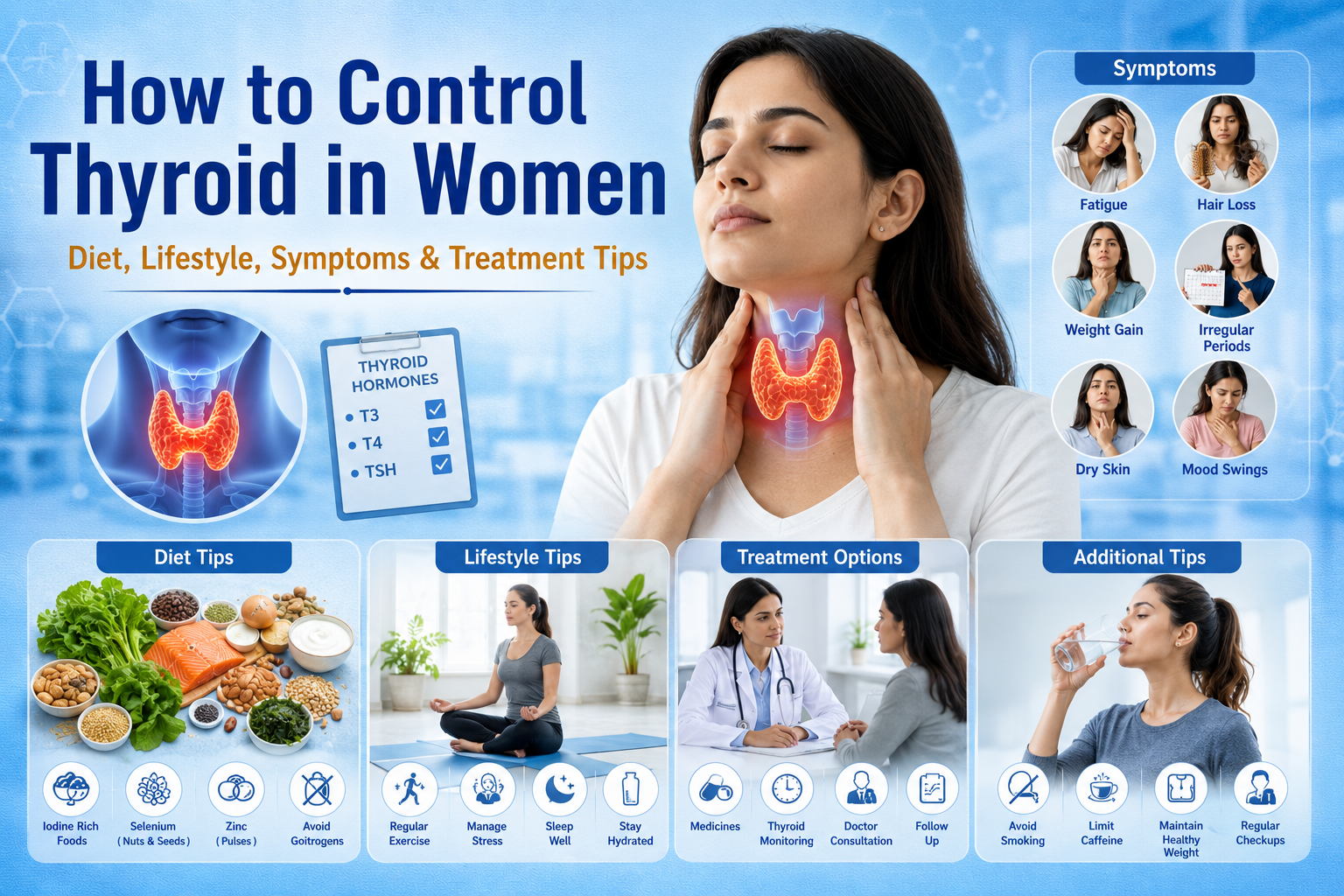
High TSH itself doesn’t necessarily cause symptoms. Instead, symptoms generally occur because of low thyroid hormone levels associated with hypothyroidism.
Common hypothyroidism symptoms include:
- Fatigue
- Weight gain
- Feeling unusually cold
- Dry skin
- Hair thinning
- Constipation
- Muscle or joint discomfort
- Depression or low mood
- Slow heart rate
- Heavy or irregular menstrual periods
- Fertility problems
However, these symptoms are not specific to thyroid disease. Fatigue, weight changes, and hair loss can have many other causes, so testing is important.
High TSH and Weight Gain
Weight gain is one of the commonly recognized symptoms associated with hypothyroidism.
However, high TSH does not automatically mean that thyroid disease is the reason for weight gain.
Other factors such as diet, physical activity, sleep, medications, hormonal changes, and other medical conditions can affect body weight.
If you have unexplained weight gain along with fatigue, cold intolerance, constipation, or dry skin, discussing thyroid testing with a doctor may be appropriate.
High TSH and Hair Loss
Thyroid hormone abnormalities can affect hair growth and may contribute to dry or thinning hair.
However, hair loss can also result from:
- Nutritional deficiencies
- Stress
- Hormonal changes
- Certain medications
- Autoimmune conditions
- Other medical conditions
Therefore, high TSH should be evaluated alongside your overall health rather than assuming it is the only cause of hair loss.
How Is High TSH Diagnosed?
The first-line thyroid function test is generally TSH.
If TSH is abnormal, doctors commonly evaluate Free T4 to determine how well the thyroid is functioning. Depending on the clinical situation, additional tests may include thyroid antibodies or other investigations.
A doctor may also ask about:
- Symptoms
- Family history of thyroid disease
- Previous thyroid problems
- Pregnancy
- Menstrual changes
- Medications
- Supplements
Important: Biotin Can Affect Thyroid Tests
Biotin is commonly found in hair, skin, and nail supplements. It can interfere with certain thyroid laboratory tests and make results appear abnormal.
The American Thyroid Association recommends avoiding biotin for two days before thyroid blood testing, unless your healthcare provider gives different instructions.
How Is High TSH Treated?
Treatment depends on the underlying cause and the individual’s test results.
Levothyroxine for Hypothyroidism
When hypothyroidism requires treatment, levothyroxine is commonly prescribed to replace the thyroid hormone the body is lacking.
The dose is individualized and may need adjustment based on follow-up blood tests.
After starting or changing thyroid hormone treatment, doctors commonly recheck TSH after several weeks to determine whether the dose is appropriate.
Don’t Change Your Dose Yourself
Taking too much thyroid hormone can cause problems, so never increase, decrease, or stop your medication without discussing it with your doctor.
Can High TSH Levels Return to Normal?
Yes, depending on the cause.
A mildly elevated TSH can sometimes return to the normal range, particularly when the elevation is temporary or related to a reversible factor.
However, conditions such as Hashimoto’s-related hypothyroidism may require long-term treatment and monitoring.
The best approach is to identify why TSH is elevated rather than trying to lower the number through diet or supplements alone.
Can Diet Lower High TSH Levels?
There is no specific food that can reliably “lower TSH” and cure hypothyroidism.
A balanced diet can support overall health, but it shouldn’t replace prescribed thyroid treatment.
Important points include:
- Maintain a balanced diet.
- Use iodized salt appropriately where recommended.
- Avoid unnecessary high-dose iodine supplements.
- Discuss supplements with your doctor.
- Follow medication instructions carefully.
People with autoimmune thyroid disease may be particularly sensitive to excessive iodine intake.
When Should You Worry About High TSH?
You should discuss an elevated TSH with a healthcare professional, particularly if:
- TSH is significantly elevated.
- Free T4 is low.
- You have persistent hypothyroidism symptoms.
- You are pregnant or planning pregnancy.
- You have a history of thyroid disease.
- You have a thyroid swelling or neck lump.
- TSH remains elevated on repeat testing.
- You have fertility or menstrual concerns.
Severe untreated hypothyroidism can rarely progress to myxedema coma, a life-threatening condition requiring immediate medical treatment.
Pregnancy is another situation where thyroid abnormalities deserve prompt medical attention because untreated hypothyroidism can affect both mother and baby.
High TSH Levels in Women
Thyroid disorders can affect women’s menstrual cycles, fertility, and pregnancy.
Hypothyroidism may be associated with:
- Heavy or irregular periods
- Difficulty conceiving
- Pregnancy complications
- Fatigue and weight changes
Women with thyroid problems who are planning pregnancy should speak with their healthcare provider about appropriate thyroid monitoring.
For a broader guide to pregnancy care, read our month-by-month pregnancy care guide.
Women in early pregnancy can also refer to our first trimester pregnancy care guide.
High TSH and Gestational Diabetes
Thyroid health and pregnancy-related metabolic health are separate issues, but both may be monitored during pregnancy depending on individual risk factors.
For information about pregnancy-related blood sugar problems, read our guide on gestational diabetes during pregnancy.
When Should You See a Thyroid Specialist?
Consider consulting a doctor if your blood report shows high TSH, particularly when the result is accompanied by symptoms or an abnormal Free T4.
A specialist can determine whether you need:
- Repeat thyroid testing
- Free T4 testing
- Thyroid antibody testing
- Medication
- Regular monitoring
- Further evaluation
For patients looking for comprehensive medical care, the best multispeciality hospital in Hassan, provides specialist consultation and diagnostic services based on individual healthcare needs.
You can also explore women and child care services for comprehensive women’s healthcare.
Frequently Asked Questions
What does a high TSH level mean?
A high TSH level commonly suggests that the thyroid is not producing enough thyroid hormone, which can indicate primary hypothyroidism. Free T4 and other clinical factors help confirm the diagnosis.
How high is too high for TSH?
There isn’t one universal number that is considered dangerous for everyone. TSH reference ranges vary between laboratories, and interpretation depends on age, symptoms, Free T4, pregnancy status, and other factors.
Does high TSH always mean hypothyroidism?
Not necessarily. A mildly elevated TSH can have different explanations and may need repeat testing. High TSH with low Free T4 is more consistent with overt primary hypothyroidism.
What does high TSH with normal T4 mean?
High TSH with normal Free T4 is generally called subclinical hypothyroidism. Whether treatment is appropriate depends on the individual’s circumstances.
Can high TSH cause weight gain?
Hypothyroidism can contribute to weight gain, but weight gain has many possible causes. A thyroid test should be interpreted along with symptoms and other health factors.
Can high TSH levels return to normal?
Yes, in some cases. Whether TSH returns to normal depends on the underlying cause. Some thyroid conditions require long-term monitoring or treatment.
When should you worry about high TSH?
Discuss high TSH with your doctor, especially if it is significantly elevated, persists on repeat testing, occurs with low Free T4, causes symptoms, or occurs during pregnancy or while planning pregnancy.
Conclusion
High TSH levels commonly indicate that the thyroid isn’t producing enough thyroid hormone, but the result must be interpreted alongside Free T4, symptoms, age, pregnancy status, medications, and the laboratory’s reference range.
A high TSH with normal Free T4 may indicate subclinical hypothyroidism, while high TSH with low Free T4 generally indicates overt primary hypothyroidism.
Not every elevated TSH requires immediate treatment. Some people may need monitoring, while others may benefit from thyroid hormone replacement such as levothyroxine.
If your TSH is elevated, don’t try to lower it with supplements or change your medication without medical advice. Getting the cause correctly diagnosed is the first step toward effective thyroid management.