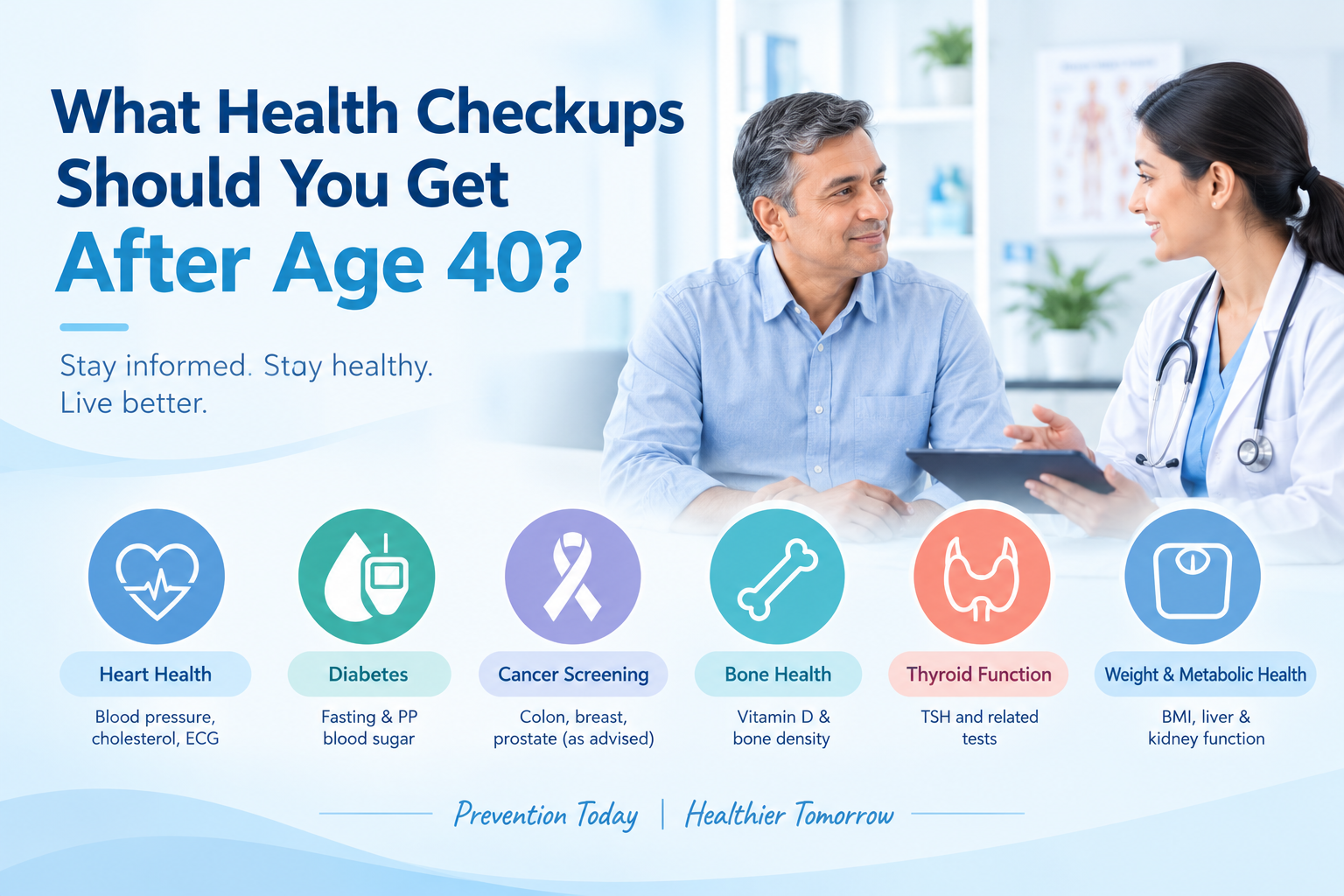
Turning 40 is a good time to become more proactive about preventive healthcare. Even when you feel healthy, some conditions such as high blood pressure, high cholesterol, diabetes and thyroid disorders can develop without obvious symptoms. Regular health checkups after 40 can help identify potential health problems early and give you an opportunity to manage risk factors before they become more serious.
The right health screening plan depends on your age, sex, family history, lifestyle, existing health conditions and previous test results. You do not necessarily need every test every year. A doctor can recommend the appropriate tests and screening intervals based on your individual risk.
Why Are Health Checkups Important After 40?
As we get older, the risk of several chronic health conditions gradually increases. Changes in blood pressure, blood sugar, cholesterol, weight, metabolism and cardiovascular health may occur without noticeable symptoms.
A preventive health checkup can help assess your overall health and identify risk factors early. It may include a medical history, physical examination, blood tests and other investigations based on your individual needs.
Regular checkups can also help you discuss lifestyle factors such as diet, physical activity, sleep, stress, smoking and alcohol consumption with your doctor.
For people looking for comprehensive healthcare facilities, understanding what facilities to expect from a modern hospital in Hassan can also help when choosing where to have preventive evaluations and specialist consultations.
Health Checkups You Should Consider After Age 40
There is no single set of medical tests after 40 that is appropriate for everyone. However, several health assessments are commonly considered as part of preventive care.
1. Blood Pressure Check
Blood pressure should be checked regularly because high blood pressure may not cause noticeable symptoms. Persistent hypertension can increase the risk of heart disease, stroke and kidney problems.
Your doctor may recommend more frequent monitoring if your blood pressure is elevated or if you have other cardiovascular risk factors.
2. Cholesterol Test
A lipid profile measures blood fats such as:
- Total cholesterol
- LDL cholesterol
- HDL cholesterol
- Triglycerides
High cholesterol can contribute to plaque formation in the arteries and increase cardiovascular risk. How frequently you need cholesterol testing depends on your previous results and overall risk profile.
3. Diabetes Screening
Diabetes becomes an increasingly important consideration with age, particularly when combined with factors such as excess weight, physical inactivity, family history or previous high blood sugar.
Common tests include:
- Fasting blood glucose
- HbA1c
- Oral glucose tolerance testing in selected situations
If you have symptoms or risk factors for diabetes, speak with your doctor about appropriate screening.
People who already have diabetes may also need regular monitoring of their kidneys, eyes, blood pressure and cardiovascular risk.
4. Kidney Function Tests
Kidney disease can develop gradually and may not produce obvious symptoms during its early stages.
Depending on your health history, a doctor may recommend tests such as serum creatinine, estimated glomerular filtration rate (eGFR) and urine testing.
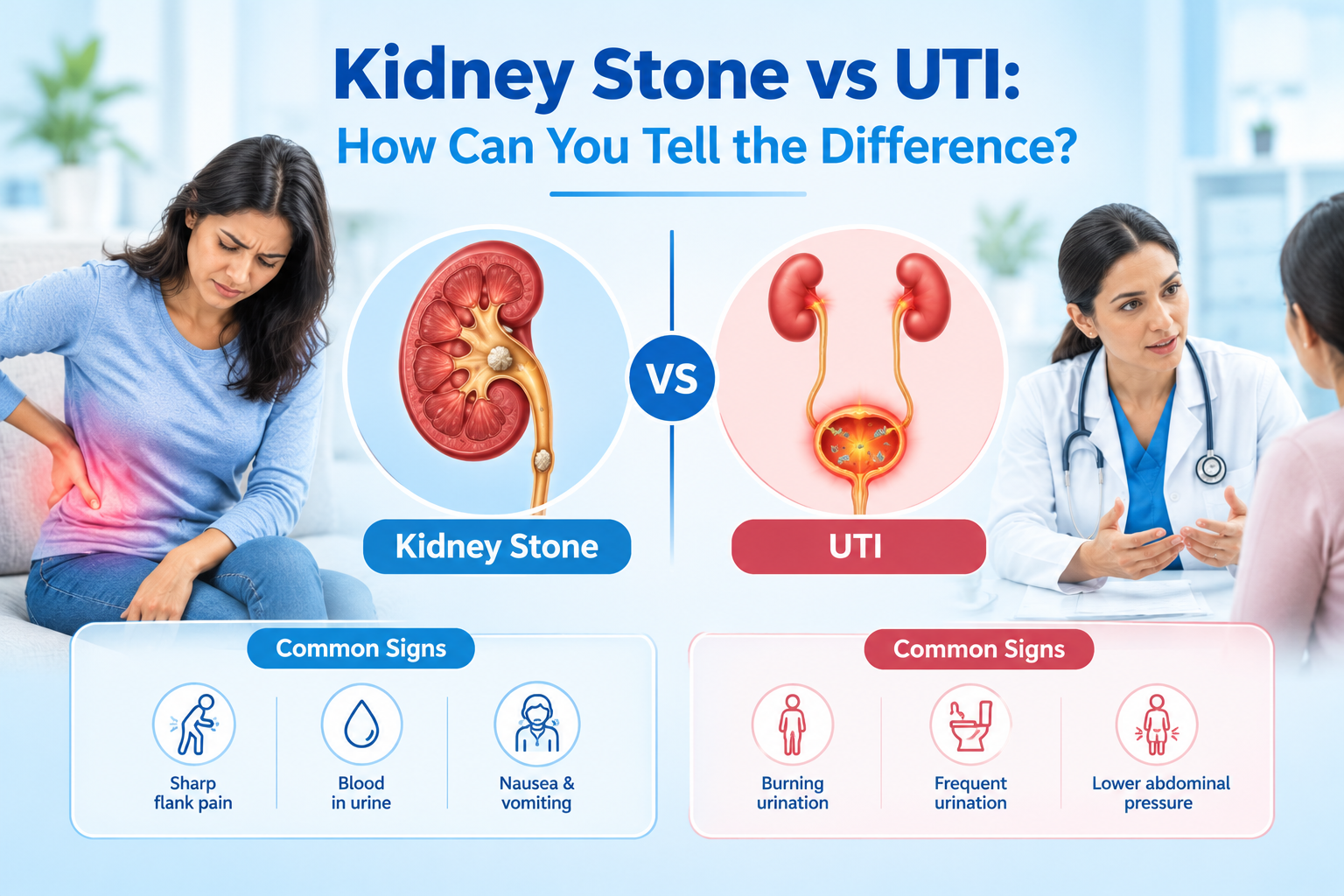
If you experience urinary changes, such as persistent frequent urination or other urinary symptoms, medical evaluation may be appropriate rather than waiting for your routine checkup.
5. Liver Function Tests
Liver function tests may be recommended depending on your medical history, medications, alcohol consumption, metabolic health or symptoms.
These blood tests can provide information about liver enzymes and other markers of liver function. Abnormal results do not automatically mean liver disease, so further evaluation may be necessary.
6. Thyroid Testing
Thyroid disorders can affect metabolism, energy levels, weight, heart rate, mood and other body functions.
A thyroid-stimulating hormone (TSH) test is commonly used when thyroid disease is suspected. Additional thyroid hormone tests may be recommended depending on the situation.
Women experiencing symptoms or concerns related to thyroid health can also read about how to control thyroid in women for more information about thyroid management, testing and treatment.
Heart Health Checkup After 40
Heart health deserves particular attention after 40, especially if you have high blood pressure, diabetes, high cholesterol, obesity, a sedentary lifestyle or a family history of cardiovascular disease.
A doctor may assess:
- Blood pressure
- Cholesterol levels
- Blood sugar
- Weight and waist circumference
- Smoking and lifestyle habits
- Family history
- Cardiovascular symptoms and risk factors
An ECG or other cardiac investigations may be recommended when clinically appropriate. These tests should not automatically be performed as a routine screening test for every healthy adult; the need depends on symptoms and individual cardiovascular risk.
Seek prompt medical attention if you develop symptoms such as chest pain, severe breathlessness, fainting or sudden unexplained weakness.
Cancer Screening After 40
Cancer screening is an important part of preventive healthcare, but the appropriate screening test and starting age vary depending on the type of cancer, sex, family history and personal risk.
Breast Cancer Screening
Women may need mammography based on their age and individual risk. Screening recommendations can vary, so discuss the appropriate schedule with a healthcare professional.
Cervical Cancer Screening
Cervical cancer screening is recommended for eligible women according to age and the screening method being used. HPV testing, cervical cytology or a combination may be appropriate depending on the screening programme and individual circumstances.
Colorectal Cancer Screening
Colorectal cancer screening is generally based on age and individual risk. Depending on the recommendation, screening may involve stool-based tests or procedures such as colonoscopy.
Prostate Cancer Screening
Men should discuss prostate cancer screening with their doctor, particularly when they have relevant symptoms, a family history or other risk factors. PSA testing may be considered after discussing its potential benefits and limitations.
Important: Cancer screening should not be treated as a one-size-fits-all checklist. Your doctor can help determine which tests are appropriate for you.
Health Checkup for Men After 40
Men should discuss preventive health with their doctor rather than waiting until symptoms appear.
Depending on individual risk, a health checkup for men over 40 may include assessment of:
- Blood pressure
- Blood glucose
- Cholesterol
- Weight and BMI
- Kidney and liver health
- Cardiovascular risk
- Lifestyle factors
- Prostate health when appropriate
- Eye and dental health
Men with urinary symptoms such as difficulty starting urination, weak urine flow, increased nighttime urination or blood in the urine should seek medical evaluation rather than assuming the symptoms are simply due to ageing.
Health Checkup for Women After 40
Women may have some additional preventive screening considerations as they approach and pass 40.
Depending on age and risk factors, discussions with a doctor may include:
- Blood pressure
- Diabetes screening
- Cholesterol
- Thyroid evaluation when indicated
- Breast cancer screening
- Cervical cancer screening
- Bone health
- Weight and metabolic health
- Eye and dental health
Women with concerns about menstrual changes, fertility, thyroid symptoms or other hormonal issues should discuss them with a qualified healthcare professional.
Eye, Dental and Bone Health Screening
Preventive care after 40 should not focus only on blood tests.
Eye Checkup
Vision changes can become more noticeable with age. Regular eye examinations can help identify vision problems and certain eye diseases, particularly in people with diabetes or other risk factors.
Dental Checkup
Regular dental examinations help detect tooth decay, gum disease and other oral health problems early.
Bone Health
Bone health becomes increasingly important with age. A bone mineral density test is generally recommended based on age, sex and risk factors rather than simply because someone has reached 40.
Your doctor may consider factors such as previous fractures, family history, certain medications and conditions that affect bone health.
How Often Should You Have a Health Checkup After 40?
There is no universal rule that everyone must have exactly one full-body checkup every year.
The frequency depends on:
- Your age
- Previous test results
- Family medical history
- Existing medical conditions
- Medications
- Lifestyle
- Smoking or alcohol use
- Weight and metabolic risk
- Personal and family cancer history
Some measurements, such as blood pressure, may be checked more frequently, while certain screening tests may be performed at longer intervals.
Instead of ordering every possible test annually, it is generally better to follow an individualized preventive healthcare plan.
When Should You See a Doctor?
Do not wait for your next routine checkup if you develop concerning symptoms.
Seek medical advice for persistent or unexplained symptoms such as:
- Unexplained weight loss
- Persistent fatigue
- Chest pain or unusual breathlessness
- Blood in urine or stool
- Persistent changes in bowel habits
- A new lump or unexplained swelling
- Persistent abdominal pain
- Significant changes in urination
- Changes in vision
- Persistent headaches or neurological symptoms
Routine preventive screening and symptom-based medical evaluation are different. A normal health checkup does not mean every possible medical condition has been ruled out.
Health Checkups After 40 in Hassan
If you are looking for a health checkup in Hassan, choosing a hospital that can coordinate medical evaluation, diagnostic investigations and specialist consultations can make the process more convenient.
Karna Hospital provides multispeciality healthcare services in Hassan, allowing patients to discuss preventive health concerns and receive appropriate evaluation based on their individual needs.
A good health checkup should not simply mean completing a long list of laboratory tests. The results should be interpreted in the context of your symptoms, medical history, lifestyle and risk factors.
Conclusion
Your 40s are an important time to make preventive healthcare a regular part of your routine. Health checkups after 40 can help identify risk factors for conditions such as hypertension, diabetes and high cholesterol while ensuring that age- and risk-appropriate screening is not overlooked.
Rather than following a generic list of tests, discuss your personal health history and risk factors with a doctor. The goal is not simply to find problems, but to identify preventable risks early and maintain better health as you age.
This article is for general educational purposes and should not replace medical advice, diagnosis or treatment from a qualified healthcare professional.
Frequently Asked Questions
What health tests should be done after 40?
Common preventive assessments may include blood pressure, blood glucose or HbA1c, cholesterol and other tests based on individual risk. Depending on age and circumstances, cancer, eye, dental, kidney, liver and thyroid evaluations may also be appropriate.
Is a full body checkup necessary after 40?
A comprehensive health assessment can be useful, particularly if you have risk factors or have not had a medical evaluation recently. However, not everyone needs every available test. A doctor should determine which investigations are appropriate.
Which blood tests are recommended after 40?
Depending on individual circumstances, blood tests may include glucose or HbA1c, lipid profile, kidney function and liver function tests. Thyroid testing and other investigations may be recommended when symptoms or risk factors are present.
What tests should women get after 40?
Women may need routine cardiovascular and metabolic assessments along with age-appropriate breast and cervical cancer screening. Bone health and other tests may be recommended based on individual risk.
What tests should men get after 40?
Men should discuss blood pressure, diabetes, cholesterol, cardiovascular risk, kidney and liver health and age-appropriate cancer screening with their doctor. Prostate evaluation may be considered depending on age, symptoms and individual risk.
How often should I have a health checkup after 40?
The appropriate frequency varies. Your doctor can create a screening schedule based on your age, previous results, family history, lifestyle and existing health conditions.