Joint pain is one of the leading causes of disability worldwide, affecting millions of people across all age groups. Many people use the terms arthritis and osteoarthritis interchangeably, but they are not the same. While osteoarthritis is the most common form of arthritis, there are more than 100 different types of arthritis, each with distinct causes, symptoms, and treatment approaches.
Understanding the difference between arthritis and osteoarthritis is essential for early diagnosis, effective treatment, and preventing long-term joint damage.
This comprehensive guide explains arthritis vs osteoarthritis, including their symptoms, causes, risk factors, diagnosis, treatment options, and when to consult an orthopedic specialist.
What Is Arthritis?
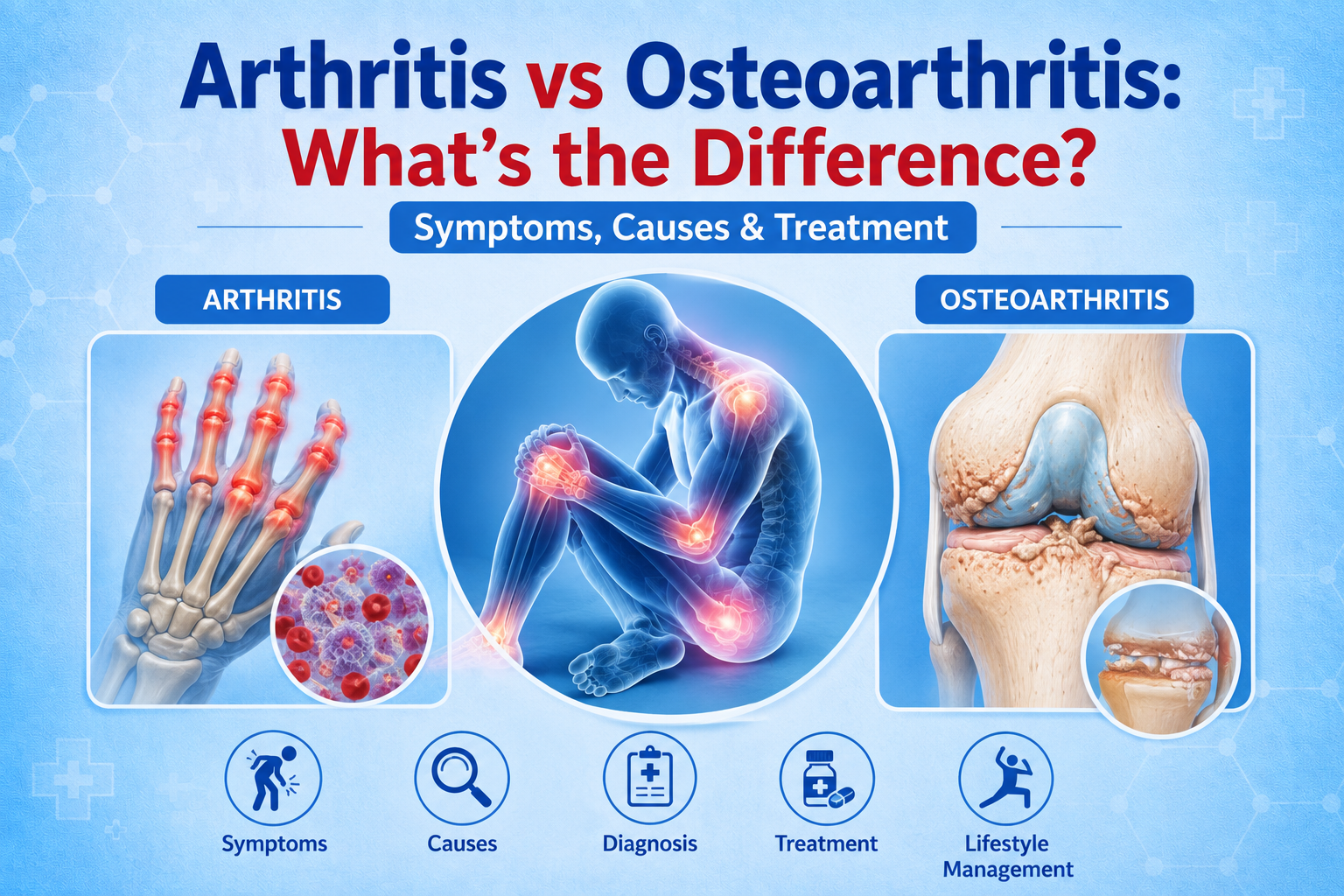
Arthritis is a broad term used to describe inflammation or disease affecting one or more joints. It is not a single disease but a group of over 100 joint-related conditions that cause pain, swelling, stiffness, and reduced mobility.
Arthritis can affect people of all ages, including children, although it is more common in older adults.
The most common types include:
- Osteoarthritis (OA)
- Rheumatoid Arthritis (RA)
- Psoriatic Arthritis
- Gout
- Ankylosing Spondylitis
- Juvenile Arthritis
Each type has different causes and requires a tailored treatment plan.
What Is Osteoarthritis?
Osteoarthritis (OA) is the most common type of arthritis. It develops when the protective cartilage that cushions the ends of bones gradually wears away over time.
As the cartilage deteriorates, bones begin to rub against each other, causing pain, stiffness, swelling, and reduced joint movement.
Osteoarthritis is often called “wear-and-tear arthritis” because it is commonly associated with aging, repetitive joint use, obesity, and previous joint injuries.
The condition most frequently affects:
- Knees
- Hips
- Hands
- Spine
- Shoulders
Arthritis vs Osteoarthritis: Key Differences
Although osteoarthritis is a type of arthritis, there are important differences between the two.
| Feature | Arthritis | Osteoarthritis |
| Meaning | Group of over 100 joint diseases | A specific type of arthritis |
| Main Cause | Inflammation, autoimmune disease, infection, or crystal deposits | Gradual cartilage wear and tear |
| Common Age Group | Any age | Usually over 50 years |
| Onset | May develop suddenly or gradually | Usually develops slowly over years |
| Affected Joints | Multiple joints depending on the type | Weight-bearing joints such as knees and hips |
| Inflammation | Often significant | Usually mild to moderate |
| Common Symptoms | Pain, swelling, stiffness | Pain during movement, stiffness, reduced flexibility |
Understanding these differences helps doctors recommend the most appropriate treatment.
Rheumatoid Arthritis vs Osteoarthritis
One of the most common comparisons patients ask about is rheumatoid arthritis vs osteoarthritis.
Rheumatoid Arthritis (RA)
- Autoimmune disease
- The immune system attacks healthy joint tissue
- Usually affects joints on both sides of the body
- Can involve other organs such as the lungs, eyes, and heart
- More common in women
Osteoarthritis (OA)
- Degenerative joint disease
- Caused by cartilage breakdown
- Usually affects one or a few joints
- Common with aging and joint overuse
- Does not usually affect internal organs
Proper diagnosis is important because treatment differs significantly between these conditions.
Symptoms of Arthritis and Osteoarthritis
Although symptoms overlap, certain features help distinguish them.
Common Arthritis Symptoms
- Joint pain
- Swelling
- Warmth around the joint
- Morning stiffness lasting more than 30 minutes
- Fatigue (especially in autoimmune arthritis)
- Reduced joint movement
Osteoarthritis Symptoms
- Pain during or after movement
- Joint stiffness after resting
- Grinding sensation (crepitus)
- Reduced flexibility
- Bone spurs
- Difficulty climbing stairs or walking
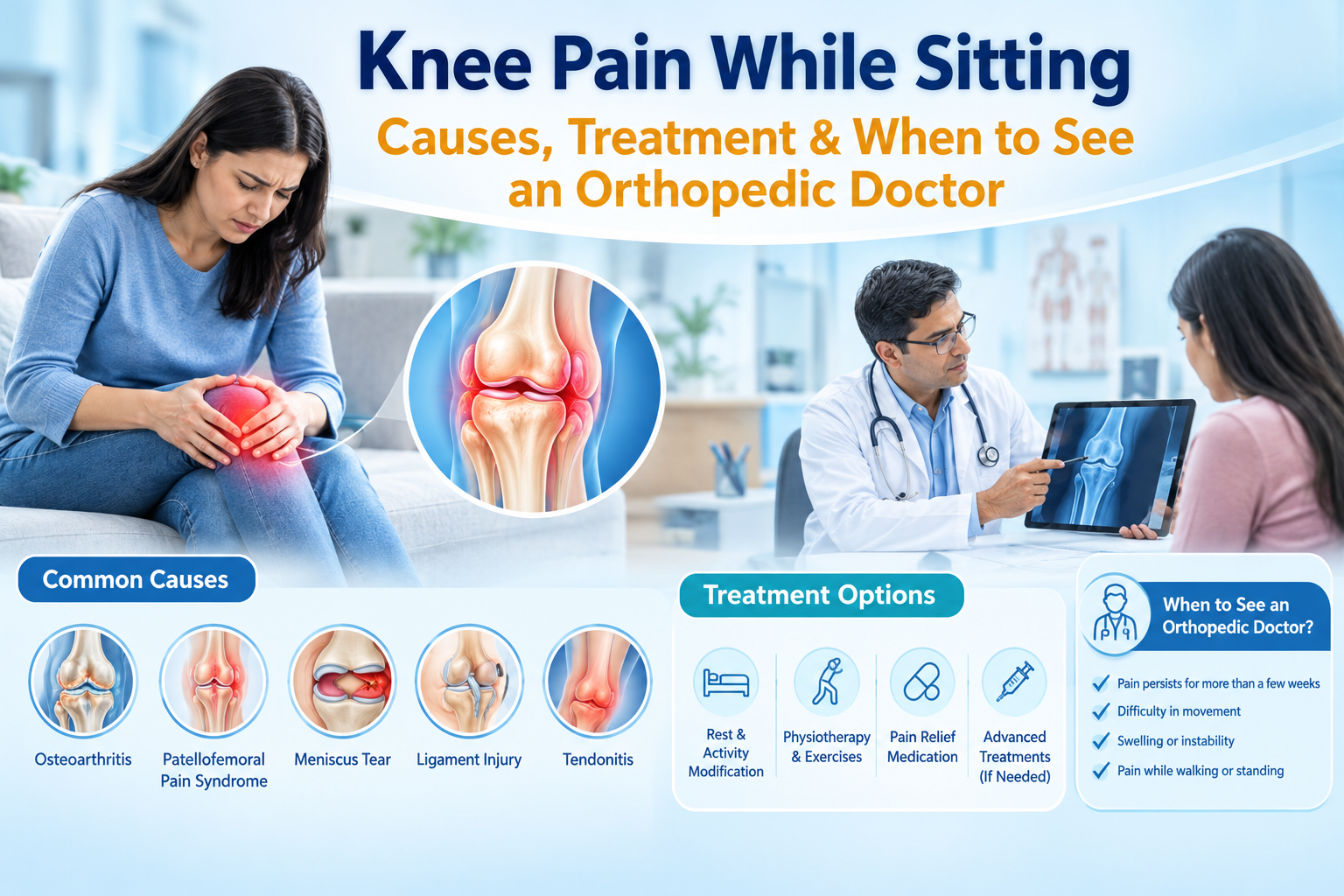
Knee osteoarthritis is one of the most common reasons patients seek orthopedic care. Learn about knee pain treatment in Hassan if knee pain is affecting your daily activities. Shoulder pain and stiffness can also result from degenerative joint conditions. If you’re experiencing difficulty lifting your arm or persistent shoulder discomfort, read our guide on Frozen Shoulder Symptoms & Treatment to understand the condition and available treatment options.
Causes and Risk Factors
The causes of arthritis depend on the specific type, while osteoarthritis primarily results from cartilage degeneration.
Causes of Arthritis
- Autoimmune disorders
- Infections
- Metabolic diseases (such as gout)
- Genetics
- Previous joint injuries
Causes of Osteoarthritis
- Aging
- Obesity
- Repetitive joint stress
- Sports injuries
- Previous fractures
- Poor joint alignment
Maintaining a healthy weight and staying physically active can reduce the risk of developing osteoarthritis.Previous ligament tears, cartilage injuries, or untreated sports-related trauma can accelerate joint wear and increase the risk of developing osteoarthritis over time. Learn more about Sports Injury Treatment in Hassan and why early diagnosis and rehabilitation are essential for protecting long-term joint health.
Who Is at Higher Risk?
Certain factors increase the likelihood of developing arthritis or osteoarthritis.
Risk Factors
- Age above 50 years
- Family history
- Obesity
- Previous joint injury
- Sedentary lifestyle
- Occupations involving repetitive joint movements
- Women (especially for rheumatoid arthritis)
Recognizing these risk factors allows for earlier intervention.
How Are Arthritis and Osteoarthritis Diagnosed?
Doctors diagnose arthritis through a combination of clinical evaluation and diagnostic tests.
Medical History and Physical Examination
Your doctor will assess:
- Pain location
- Joint swelling
- Range of motion
- Walking pattern
- Medical history
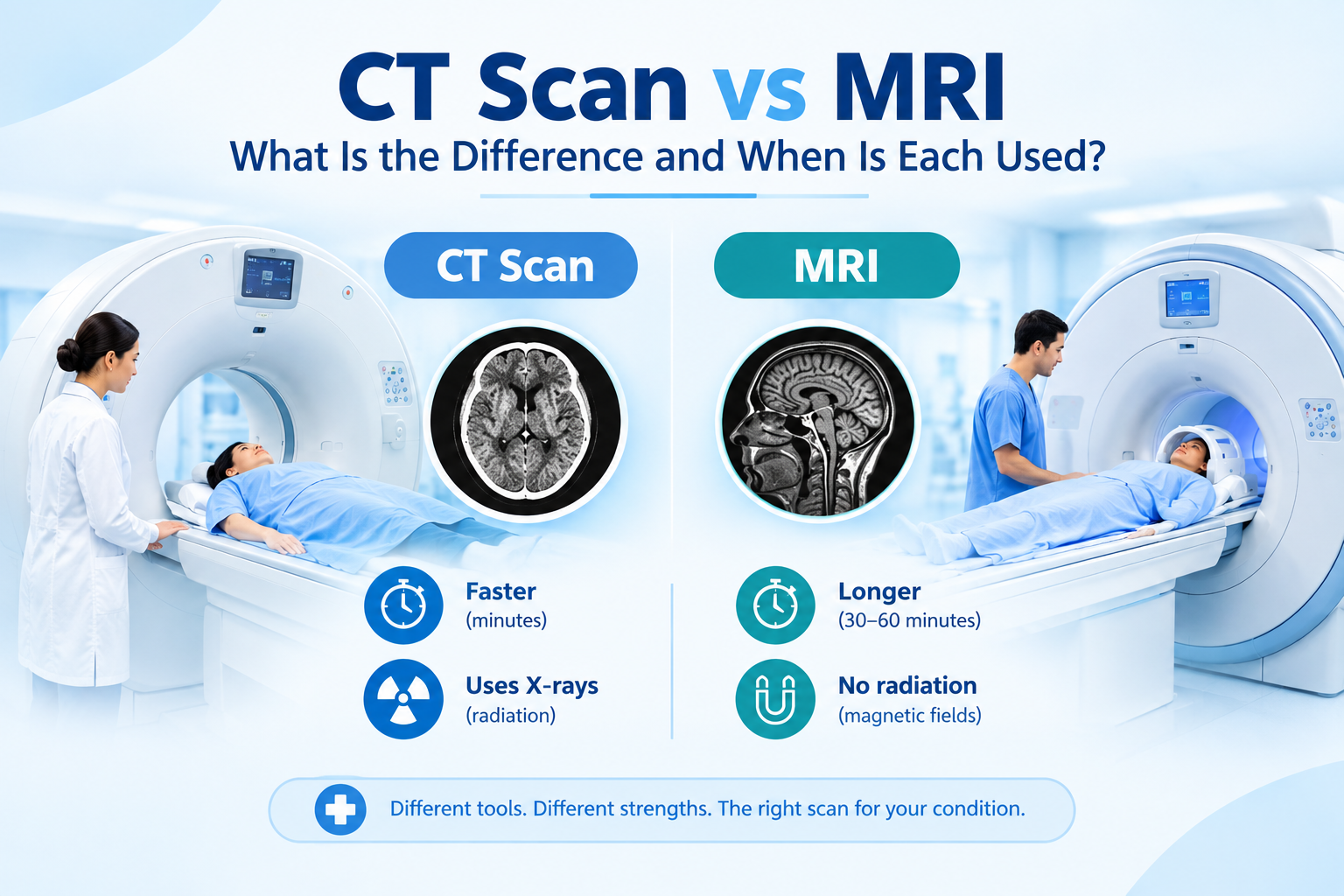
Imaging Tests
Common investigations include:
- X-rays
- MRI scans
- Ultrasound (in selected cases)
These tests help evaluate cartilage damage, joint space narrowing, and bone changes.
Blood Tests
Blood investigations may be recommended to diagnose autoimmune arthritis such as rheumatoid arthritis.
Treatment Options for Arthritis and Osteoarthritis
Treatment depends on the underlying cause, severity, and affected joints.
Non-Surgical Arthritis Treatment
Most patients begin with conservative management.
Medications
Doctors may prescribe:
- Pain relievers
- Anti-inflammatory medicines
- Disease-modifying medications (for rheumatoid arthritis)
Physiotherapy
Exercises improve:
- Joint mobility
- Muscle strength
- Balance
- Flexibility
Weight Management
Losing excess weight reduces pressure on weight-bearing joints, especially the knees and hips.
Lifestyle Modifications
Simple changes include:
- Low-impact exercise
- Healthy diet
- Proper footwear
- Joint protection techniques
If arthritis is contributing to chronic spinal discomfort, read our guide on back pain treatment options. Patients with arthritis affecting the spine may experience chronic neck or lower back pain. Conservative treatments such as physiotherapy, posture correction, and medications are usually recommended first. However, severe spinal degeneration may require surgical intervention. Read our comprehensive guide on Spine Surgery Cost in Hassan to understand treatment options, expected costs, and recovery.
When Is Surgery Needed?
Surgery is considered when:
- Pain becomes severe
- Daily activities become difficult
- Joint damage is advanced
- Conservative treatment no longer provides relief
Common surgical procedures include:
- Arthroscopy
- Osteotomy
- Joint replacement surgery
Early consultation with an orthopedic specialist can help determine whether surgery is necessary.
Can Osteoarthritis Be Prevented?
Although aging cannot be prevented, lifestyle choices can reduce the risk of osteoarthritis.
Prevention Tips
Stay Physically Active
Regular exercise strengthens muscles around the joints.
Maintain a Healthy Weight
Reducing excess body weight lowers stress on the knees and hips.
Avoid Joint Injuries
Use proper techniques while exercising and lifting heavy objects.
Eat a Balanced Diet
A nutritious diet supports bone and joint health.
When Should You See an Orthopedic Specialist?
Consult an orthopedic doctor if you experience:
- Persistent joint pain
- Morning stiffness lasting several weeks
- Joint swelling
- Difficulty walking
- Reduced range of motion
- Joint deformity
- Pain that interferes with daily activities
Early diagnosis can help slow disease progression and improve quality of life.
Explore expert care at the orthopedic hospital in Hassan for comprehensive arthritis diagnosis and treatment.
Why Choose Karna Hospital for Arthritis Treatment?
At the best multispeciality hospital in Hassan, patients receive personalized orthopedic care using advanced diagnostic and treatment techniques.
Why Choose Karna Hospital?
- Experienced orthopedic specialists
- Advanced diagnostic imaging
- Comprehensive arthritis management
- Physiotherapy and rehabilitation services
- Surgical and non-surgical treatment options
- Patient-centered care
Whether you have osteoarthritis, rheumatoid arthritis, or another joint condition, the orthopedic team focuses on relieving pain, restoring mobility, and improving long-term joint health.
If you’re looking for specialized arthritis treatment in Hassan, early consultation can help prevent joint damage and improve outcomes.
Conclusion
Understanding arthritis vs osteoarthritis is the first step toward receiving the right treatment. While arthritis refers to a broad group of joint diseases, osteoarthritis is a specific condition caused by the gradual breakdown of cartilage.
Early diagnosis, appropriate treatment, lifestyle modifications, and regular follow-up can help reduce pain, preserve joint function, and improve quality of life. If you notice persistent joint pain, stiffness, or swelling, don’t ignore the symptoms—consult an experienced orthopedic specialist for a comprehensive evaluation.
Frequently Asked Questions (FAQ)
What is the difference between arthritis and osteoarthritis?
Arthritis is a general term for over 100 joint diseases, while osteoarthritis is the most common type caused by cartilage wear and tear.
Is osteoarthritis the same as arthritis?
No. Osteoarthritis is one form of arthritis. Other types include rheumatoid arthritis, gout, psoriatic arthritis, and ankylosing spondylitis.
Which is more painful, arthritis or osteoarthritis?
Pain severity varies depending on the type and stage of the condition. Both can cause significant discomfort if left untreated.
Can osteoarthritis be cured?
There is currently no cure for osteoarthritis, but medications, physiotherapy, lifestyle changes, and surgery can effectively manage symptoms and improve mobility.
When should I see a doctor for arthritis?
Consult a doctor if you have persistent joint pain, swelling, stiffness, difficulty walking, or reduced joint movement lasting more than a few weeks.