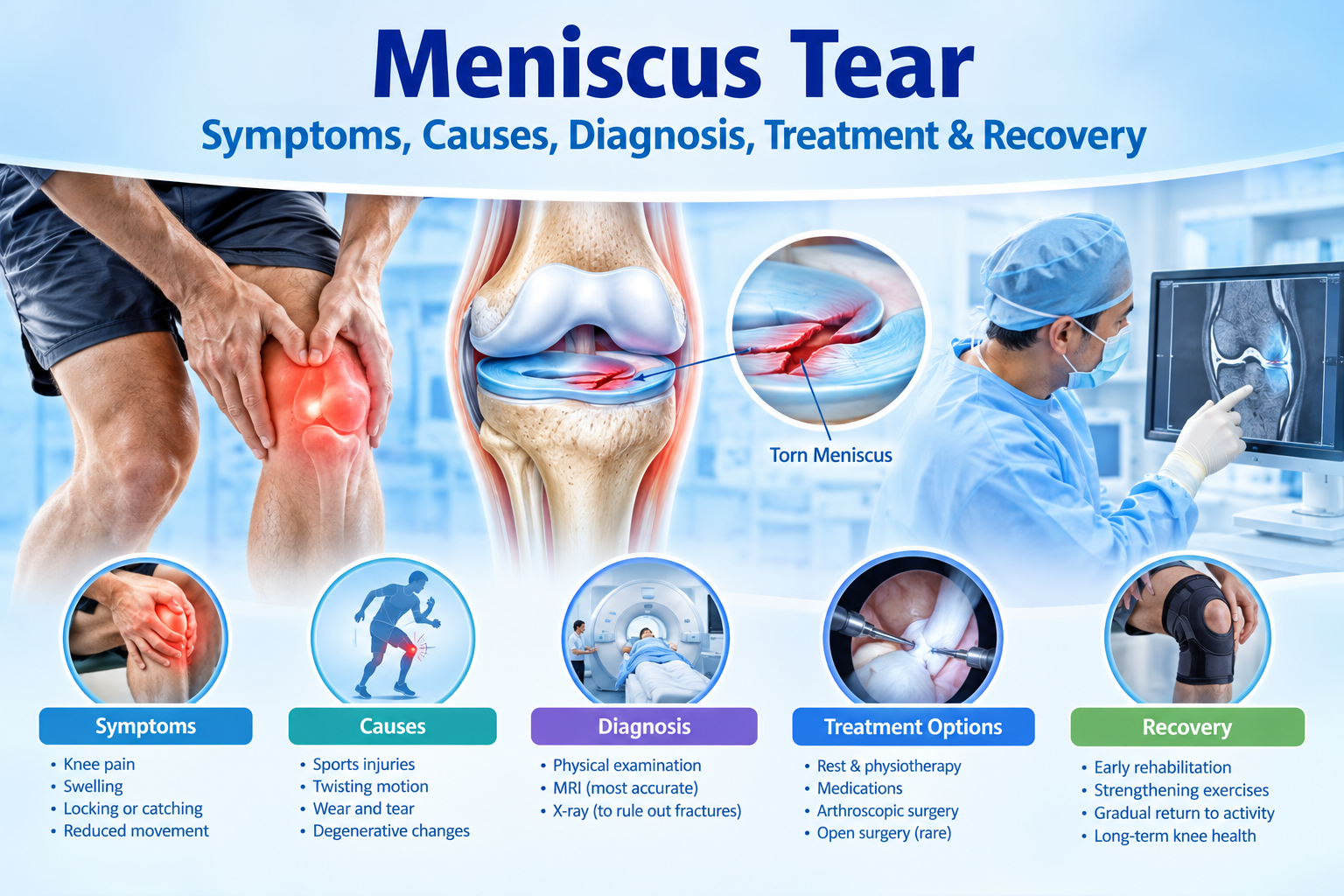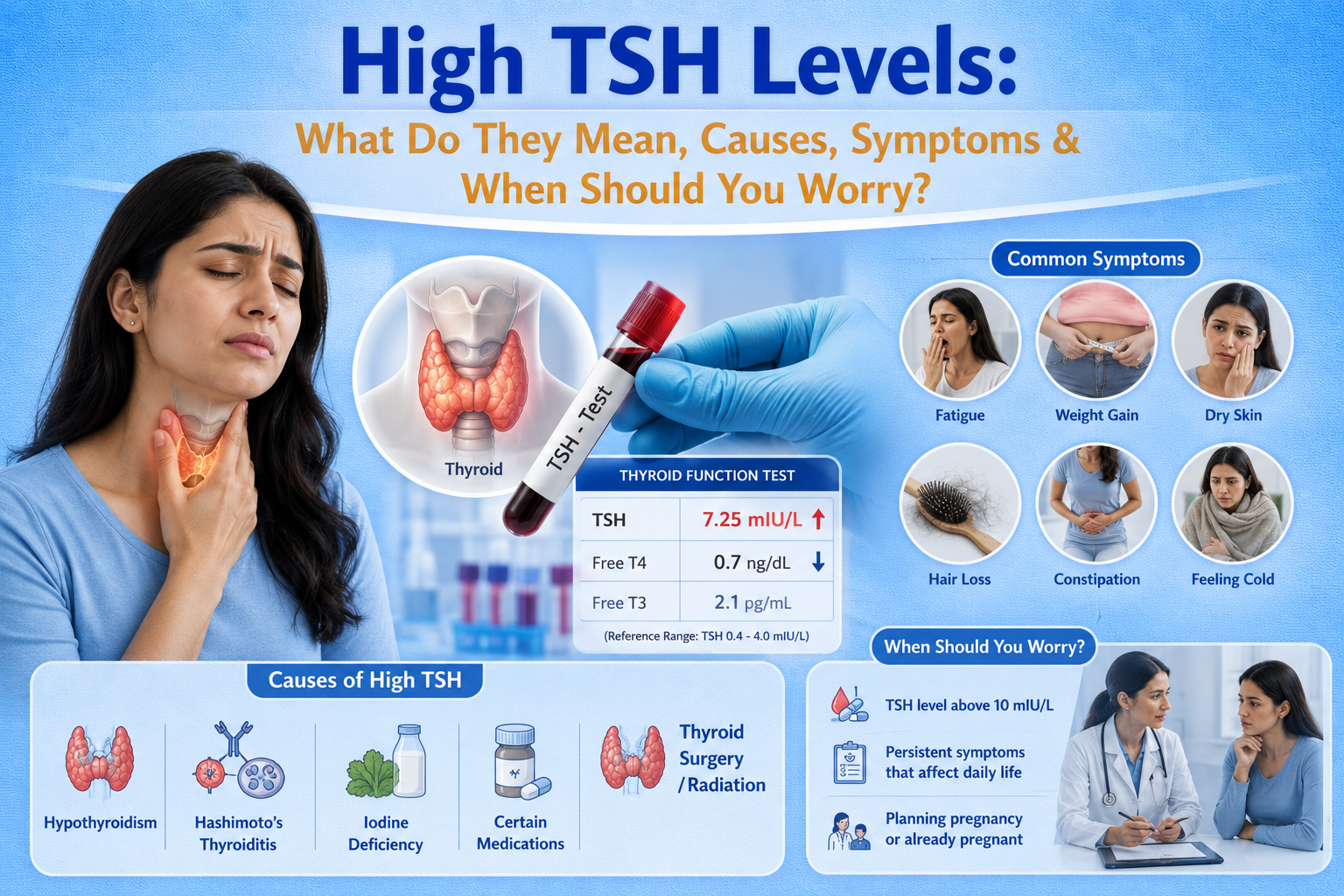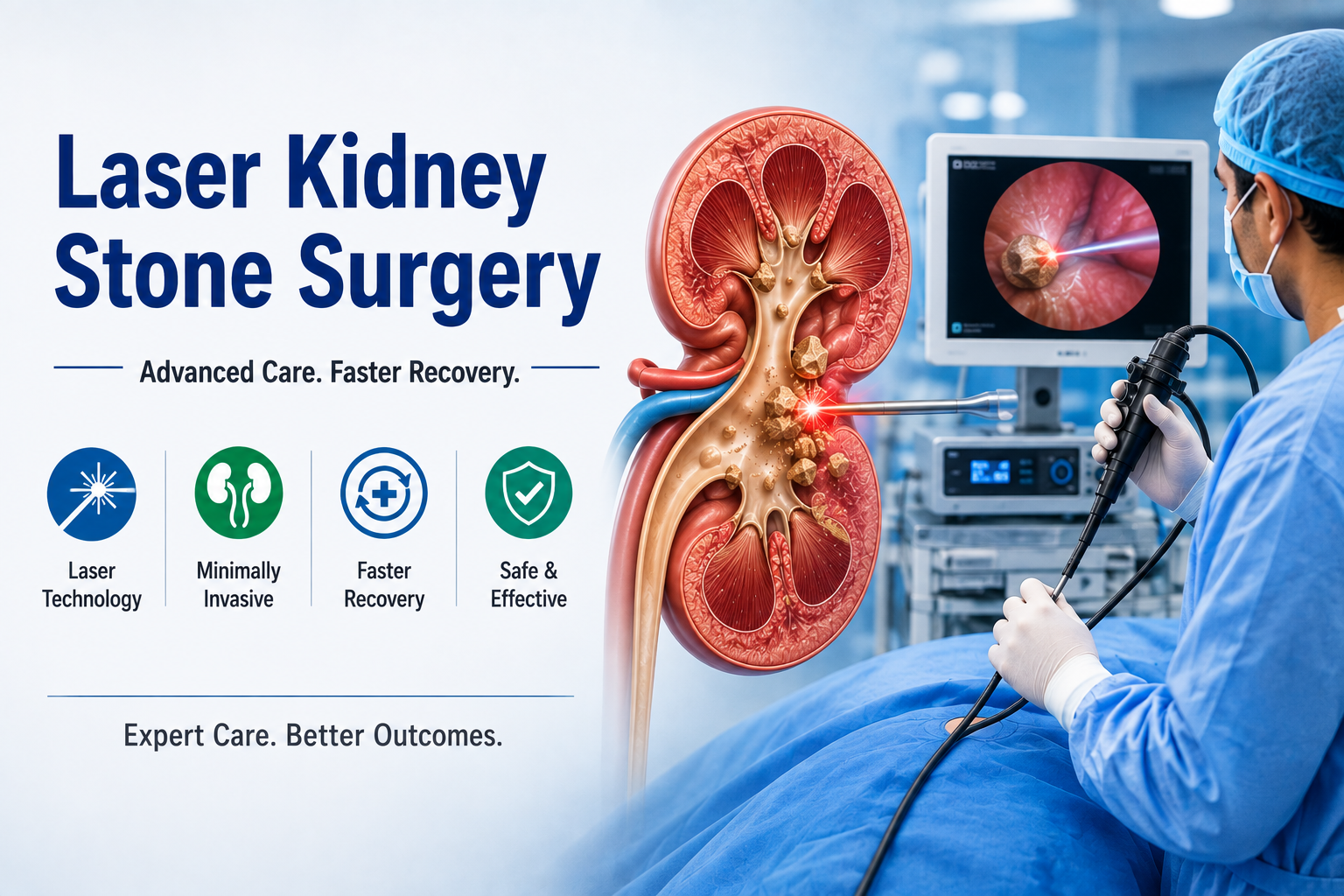
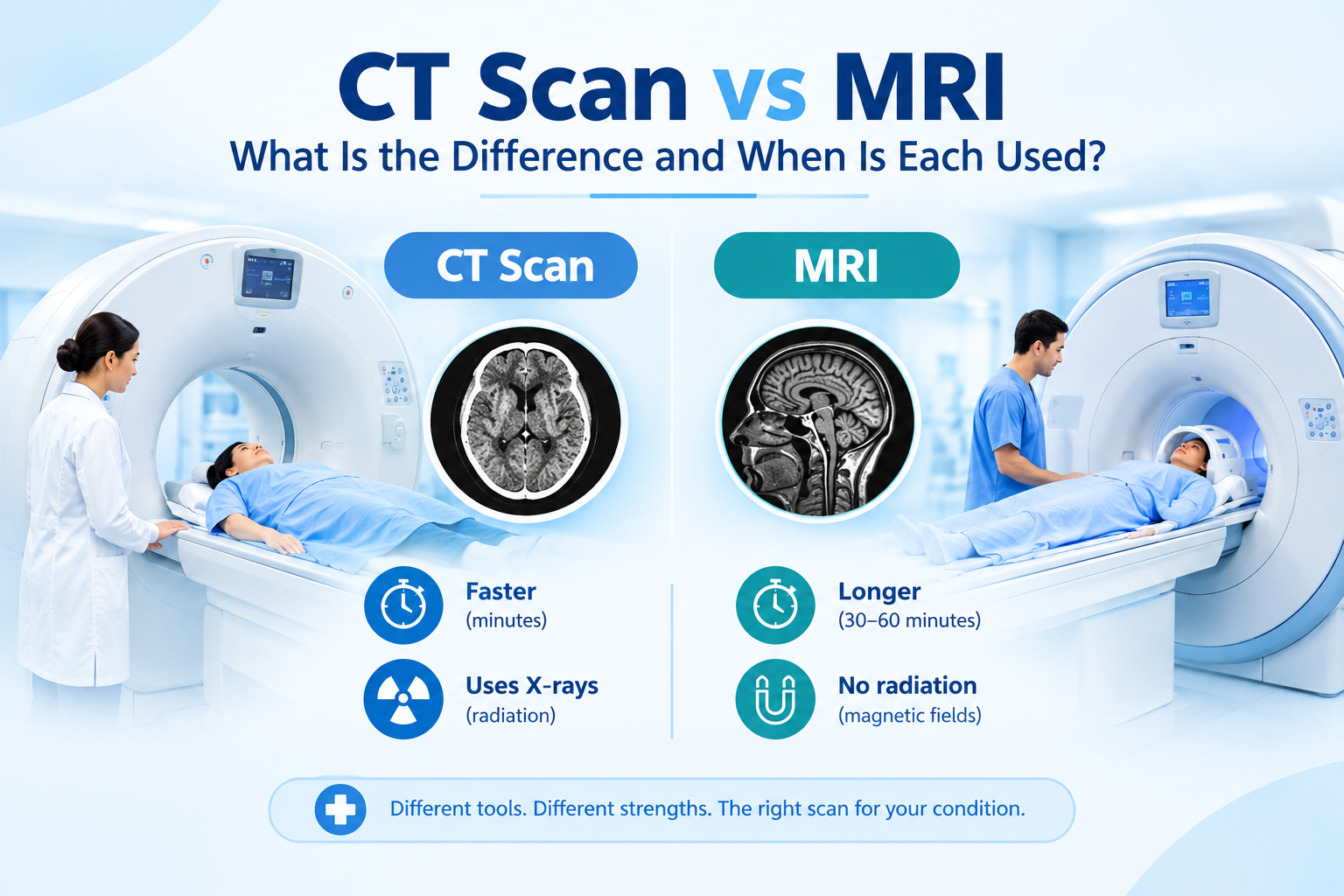
When a doctor recommends an imaging test, you may wonder about the difference between a CT scan vs MRI, which test is better, and why one is recommended instead of the other. Although both CT scans and MRI scans create detailed images of the inside of the body, they use different technologies and are better suited to different medical conditions.
A CT scan uses X-rays and computer processing to create detailed cross-sectional images, while an MRI uses a strong magnetic field and radio waves to produce highly detailed images, particularly of soft tissues.
So, which is better: CT scan or MRI? There is no single answer. The appropriate scan depends on the body part being examined, symptoms, urgency, suspected condition, and your medical history.
What Is a CT Scan?
A CT (Computed Tomography) scan combines multiple X-ray images with computer technology to produce cross-sectional images, or “slices,” of the body.
CT scans are commonly used to examine the:
- Brain and head
- Chest and lungs
- Abdomen and pelvis
- Bones and joints
- Blood vessels
- Internal organs
One of the major advantages of CT is speed. A CT scan can often be completed within a few minutes, making it particularly useful in emergency situations.
Doctors may recommend a CT scan after significant trauma, suspected internal bleeding, certain types of stroke, severe abdominal pain, suspected fractures, or other conditions where rapid imaging is important.
What Is an MRI Scan?
MRI (Magnetic Resonance Imaging) uses a powerful magnetic field and radio waves to create detailed images of organs, muscles, nerves, ligaments, the brain, spinal cord and other soft tissues.
Unlike CT, MRI does not use ionizing radiation.
MRI is particularly useful when doctors need detailed information about soft tissues. It may be recommended for conditions involving the brain, spine, joints, muscles, ligaments and certain organs.
An MRI scan generally takes longer than a CT scan, and the patient needs to remain relatively still while the images are obtained.
CT Scan vs MRI: Key Differences
The main difference between CT scan and MRI is the technology used and the type of tissue each test can show particularly well.
| Feature | CT Scan | MRI |
| Technology | X-rays + computer processing | Magnetic field + radio waves |
| Radiation | Uses ionizing radiation | Does not use ionizing radiation |
| Speed | Usually faster | Usually takes longer |
| Soft-tissue detail | Good | Excellent |
| Bone imaging | Very good | Useful, but CT is often better for detailed bone structures |
| Emergency imaging | Often preferred because of speed | Less commonly used when immediate imaging is required |
| Metal implants | Depends on the device and scan | Requires careful safety screening |
| Claustrophobia | Usually less problematic | Can be more challenging for some patients |
Therefore, CT scan and MRI are complementary tests rather than direct substitutes.
When Is a CT Scan Used?
Doctors may recommend a CT scan when they need rapid and detailed imaging.
Common CT scan uses include:
1. Head Injuries
A CT scan can quickly evaluate the head after trauma and help identify problems such as bleeding or skull fractures.
2. Suspected Stroke
In certain emergency situations, CT imaging may be used rapidly to help determine whether there is bleeding in the brain and to guide further evaluation.
3. Bone Injuries
CT can provide detailed images of complex bone structures and may be useful for complicated fractures.
4. Abdominal Problems
CT may be used to investigate abdominal pain, suspected appendicitis, kidney problems, infections, internal bleeding and certain tumors.
For example, patients experiencing symptoms associated with appendicitis may require imaging as part of their evaluation. Learn more about the symptoms of appendicitis and when surgery may be required.
5. Chest and Lung Conditions
CT can provide detailed images of the lungs and chest and may be used when doctors need more information than a standard X-ray can provide.
When Is an MRI Used?
MRI is especially valuable when detailed soft-tissue imaging is required.
Common MRI uses include:
1. Brain Conditions
MRI can provide detailed images of the brain and may be used when evaluating tumors, certain neurological conditions, persistent symptoms and other abnormalities.
For example, if a doctor suspects a brain tumor, MRI may be part of the diagnostic evaluation. You can learn more about brain tumor symptoms, diagnosis and treatment.
2. Spine and Back Problems
MRI is commonly used to evaluate the spinal cord, nerves, discs and other soft tissues.
For people experiencing persistent back pain or suspected disc problems, MRI may help identify abnormalities such as disc herniation or nerve compression.
You can also read about slipped disc treatment and when spine surgery may be required.
3. Joint and Ligament Injuries
MRI provides excellent soft-tissue detail and may be useful for evaluating ligaments, tendons, cartilage and muscles.
This can make MRI particularly useful for certain sports injuries, including suspected ligament injuries.
4. Certain Abdominal and Pelvic Conditions
MRI can provide detailed images of soft tissues and may be recommended for specific liver, pelvic and other abdominal conditions depending on what the doctor is investigating.
CT Scan vs MRI for Brain Problems
For brain imaging, the choice between CT scan vs MRI for brain problems depends on the clinical situation.
A CT scan may be preferred when rapid assessment is needed, such as after a serious head injury or when doctors need to quickly check for certain types of bleeding.
MRI generally provides greater soft-tissue detail and may be preferred for evaluating certain tumors, neurological disorders and other brain abnormalities.
Therefore, CT is often valuable for speed, while MRI can provide greater soft-tissue detail.
CT Scan vs MRI for Spine and Back Pain
When comparing CT scan vs MRI for spine problems, MRI is often particularly useful because it provides detailed images of discs, nerves, the spinal cord and other soft tissues.
CT can still be valuable when detailed information about bones or complex fractures is needed.
For someone with persistent or severe back symptoms, the doctor may select imaging based on the suspected cause rather than simply choosing the “better” scan.
CT Scan vs MRI for Bones and Joints
CT is generally excellent for visualising bone structures and complicated fractures.
MRI, on the other hand, can provide more detailed information about many soft-tissue structures around joints, including ligaments, tendons and cartilage.
For example, someone with a suspected ACL injury may require MRI depending on the clinical assessment. Learn more about ACL tear treatment and when knee surgery may be needed.
Is MRI Safer Than CT Scan?
A common question is, “Is MRI safer than CT scan?”
MRI does not use ionizing radiation, which is an important difference from CT. However, MRI is not automatically suitable for everyone.
Before an MRI, patients are screened for certain metal implants, devices and other safety considerations because the scanner uses a powerful magnetic field.
CT scans use X-rays, so radiation exposure is involved. However, doctors generally recommend CT when the expected diagnostic benefit outweighs the potential risks.
If contrast material is required for either type of scan, the healthcare team may also consider factors such as allergies, kidney function, medications and other medical conditions.
How Long Does a CT Scan or MRI Take?
A CT scan is usually faster than an MRI. Depending on the body part and type of examination, the actual CT imaging may take only a few minutes.
MRI examinations commonly take longer, sometimes around 20–60 minutes or more depending on the examination.
The total appointment time can also vary if preparation, contrast administration or additional images are required.
CT Scan Services in Hassan
If your doctor has recommended diagnostic imaging, choosing a hospital with appropriate diagnostic facilities can make the process more convenient.
Karna Hospital in Hassan provides diagnostic facilities including CT scan, ultrasound, X-ray and laboratory services, along with emergency and critical-care support.
You can learn more about the hospital’s facilities and diagnostic services and overall modern hospital facilities in Hassan.
Patients should discuss the appropriate imaging test with their doctor rather than choosing a CT scan or MRI based solely on cost, availability or online information.
Conclusion
The choice between CT scan vs MRI depends on the medical problem being investigated. CT scans are often valuable for rapid imaging, emergencies, bones and certain internal conditions, while MRI is particularly useful for detailed imaging of soft tissues, the brain, spine and joints.
If you have been advised to undergo a CT scan or MRI, speak with your doctor about why the test has been recommended and whether any preparation is required. The most appropriate imaging test should be selected according to your symptoms, medical history and clinical needs.
Frequently Asked Questions About CT Scan vs MRI
What is the difference between CT scan and MRI?
CT scans use X-rays to create detailed cross-sectional images, while MRI uses magnetic fields and radio waves. CT is generally faster, while MRI provides excellent soft-tissue detail.
Which is better, CT scan or MRI?
Neither test is universally better. CT may be preferable for emergencies, rapid imaging and many bone-related evaluations, while MRI is often preferred for detailed soft-tissue, brain, spine and ligament imaging.
Does a CT scan use radiation?
Yes. CT scans use X-rays and therefore involve ionizing radiation.
Does an MRI use radiation?
No. MRI uses a strong magnetic field and radio waves rather than ionizing radiation.
Is MRI safer than CT?
MRI avoids ionizing radiation but has specific safety considerations, particularly concerning certain implants and metal objects. CT involves radiation but can be highly valuable when rapid diagnostic imaging is required.
How long does a CT scan take?
The imaging portion of many CT examinations can be completed within a few minutes, although total appointment time varies.
How long does an MRI take?
An MRI commonly takes longer than a CT scan, often around 20–60 minutes or more depending on the examination.
Can CT and MRI be used together?
Yes. In some situations, doctors may recommend both because CT and MRI provide different types of diagnostic information.