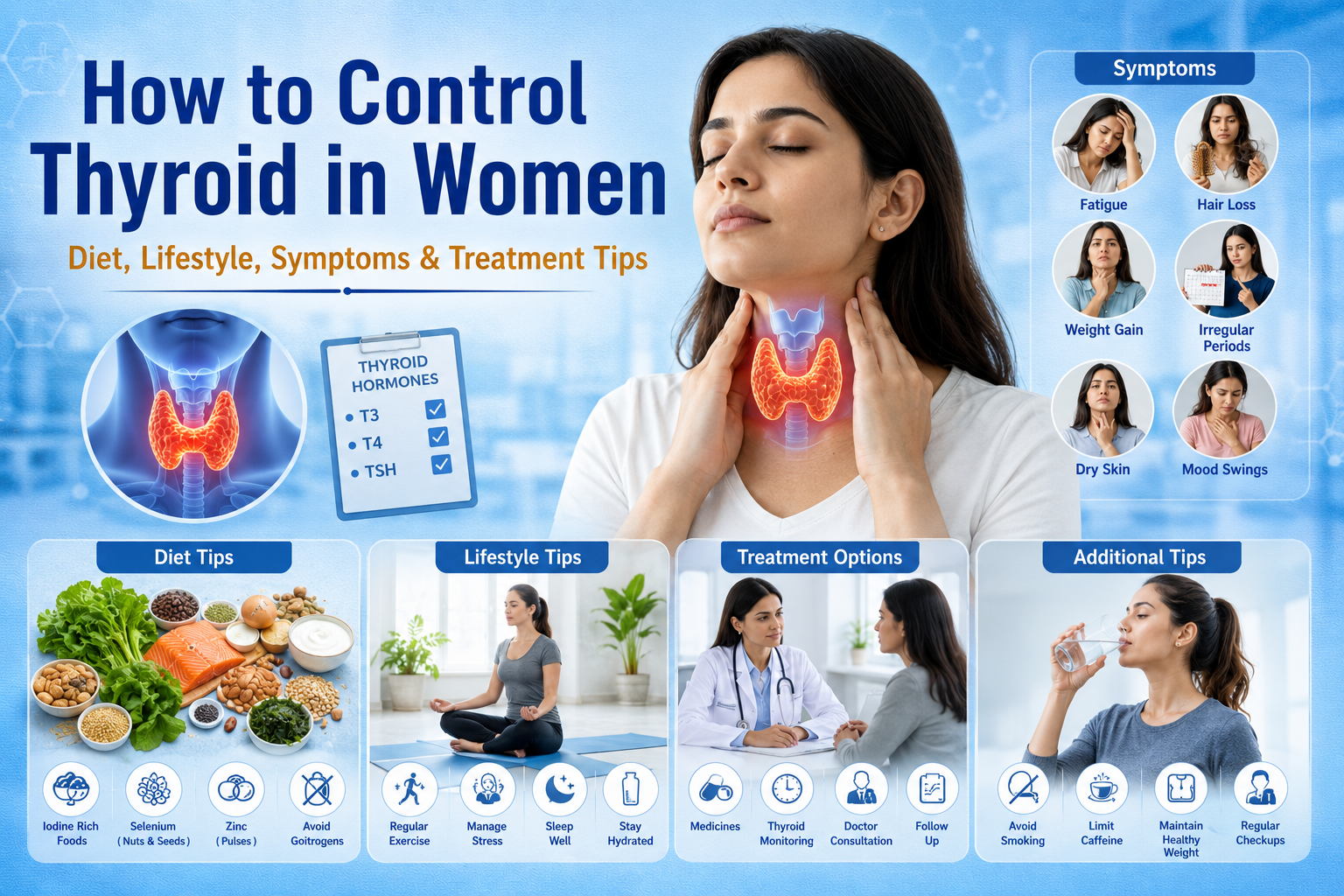
Thyroid problems are common among women and can affect energy levels, weight, mood, menstrual cycles, fertility, pregnancy, and overall health. When thyroid hormone production becomes too high or too low, women may experience a range of symptoms that can sometimes be mistaken for stress, hormonal changes, or normal lifestyle fluctuations.
If you’re wondering how to control thyroid in women, the right approach depends on the type of thyroid disorder, its underlying cause, thyroid hormone levels, and overall health. Diet and lifestyle changes can support thyroid health, but they should not replace prescribed treatment when medication is required.
This guide explains thyroid symptoms in women, thyroid-friendly diet choices, lifestyle changes, treatment options, foods to eat and avoid, and when to consult a doctor.
What Is the Thyroid and Why Is It Important?
The thyroid is a small, butterfly-shaped gland located at the front of the neck. It produces hormones that help regulate metabolism, body temperature, heart rate, energy production, and several other body functions.
When the thyroid produces too little hormone, it is called hypothyroidism. When it produces too much hormone, it is called hyperthyroidism.
Both conditions require appropriate diagnosis because their symptoms and treatments are different.
Common Thyroid Problems in Women
Women are more likely than men to develop certain thyroid disorders, particularly autoimmune thyroid conditions.
Hypothyroidism
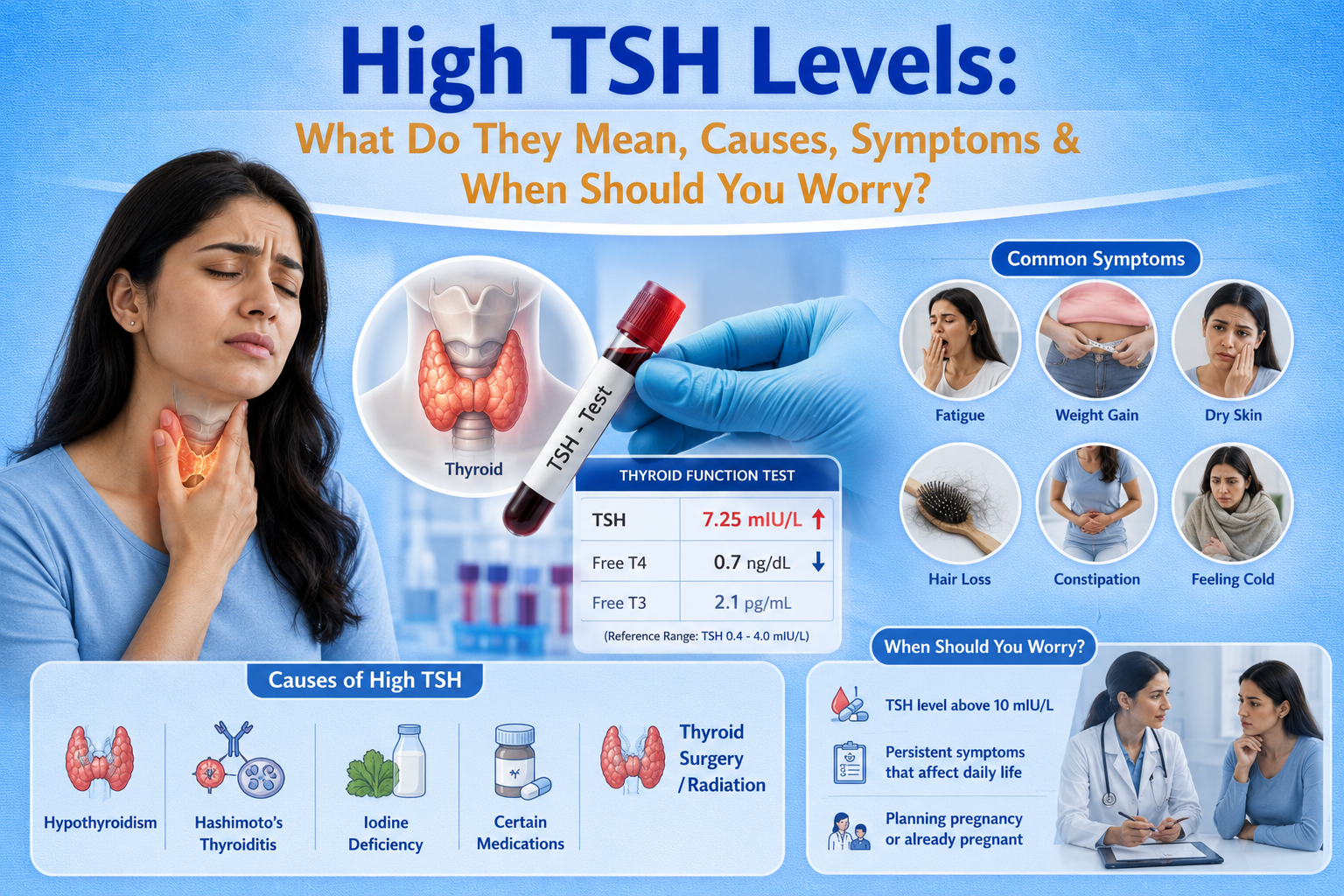
Hypothyroidism occurs when the thyroid does not produce enough thyroid hormones.
Common symptoms include:
- Fatigue and low energy
- Unexplained weight gain
- Feeling unusually cold
- Dry skin
- Hair thinning
- Constipation
- Difficulty concentrating
- Depression or low mood
- Irregular or heavy menstrual periods
Hyperthyroidism
Hyperthyroidism occurs when the thyroid produces excessive thyroid hormones.
Symptoms may include:
- Unexplained weight loss
- Rapid or irregular heartbeat
- Increased sweating
- Anxiety or irritability
- Trembling
- Difficulty sleeping
- Increased appetite
- Heat intolerance
- Frequent bowel movements
- Menstrual changes
Because symptoms can overlap with other health conditions, testing is important before starting treatment.
How to Control Thyroid in Women
There is no single method to control every thyroid disorder. The treatment approach depends on whether you have hypothyroidism, hyperthyroidism, thyroiditis, or another thyroid condition.
Generally, effective thyroid management involves:
- Correct diagnosis
- Regular thyroid testing
- Prescribed medication when required
- A balanced diet
- Regular physical activity
- Adequate sleep
- Stress management
- Regular medical follow-up
The goal is not simply to treat symptoms but to maintain thyroid hormone levels within the appropriate range.
Best Diet for Thyroid Health
Diet can support overall health and help ensure adequate intake of nutrients required for normal thyroid function. However, there is no universal “thyroid cure diet.”
Women with thyroid disorders should follow a balanced diet based on their individual condition.
Foods to Eat for Thyroid Health
1. Protein-Rich Foods
Include appropriate amounts of:
- Eggs
- Fish
- Chicken
- Dal and legumes
- Beans
- Nuts and seeds
Protein supports muscle health and helps maintain a balanced diet.
2. Fruits and Vegetables
A variety of fruits and vegetables provides fiber, vitamins, minerals, and antioxidants.
Good choices include:
- Apples
- Berries
- Oranges
- Guava
- Carrots
- Spinach
- Beans
- Pumpkin
- Other seasonal vegetables
3. Whole Grains
Whole grains such as oats, brown rice, and whole-wheat products can provide fiber and other nutrients.
4. Sources of Iodine
Iodine is essential for thyroid hormone production. Iodized salt is an important dietary source in many countries.
However, taking excessive iodine supplements is not recommended unless specifically advised by a healthcare professional, as too much iodine can worsen certain thyroid conditions.
5. Selenium-Containing Foods
Selenium is involved in thyroid hormone metabolism. Sources include eggs, seafood, meat, and some nuts.
Foods to Avoid or Limit With Thyroid Problems
There is no single list of foods that every thyroid patient must completely avoid.
However, some dietary habits deserve attention.
Excessive Iodine Supplements
Too much iodine can interfere with thyroid function in susceptible individuals. Avoid self-prescribing iodine supplements.
Highly Processed Foods
Limit foods high in added sugar, unhealthy fats, and excessive sodium.
Excessive Soy Products in Specific Situations
Soy foods can be part of a healthy diet. However, people taking thyroid hormone replacement medication should discuss timing with their doctor because soy and some other foods or supplements can affect medication absorption.
Cruciferous Vegetables
Vegetables such as cabbage, broccoli, cauliflower, and kale are nutritious and generally do not need to be eliminated from a normal diet. Very large amounts of raw cruciferous vegetables may be a concern mainly in people with iodine deficiency.
The key is balance rather than unnecessary food restrictions.
Lifestyle Changes to Manage Thyroid
Diet is only one part of thyroid management.
Exercise Regularly
Physical activity can support cardiovascular health, muscle strength, bone health, mood, and weight management.
Depending on your health and thyroid condition, suitable activities may include:
- Walking
- Strength training
- Yoga
- Swimming
- Cycling
- Stretching
Women with uncontrolled hyperthyroidism should discuss exercise intensity with their doctor, particularly if they have a rapid heartbeat or other significant symptoms.
Get Adequate Sleep
Poor sleep can worsen fatigue, mood changes, concentration difficulties, and stress.
Aim for a consistent sleep schedule and sufficient sleep each night.
Manage Stress
Stress does not directly cause every thyroid disorder, but chronic stress can affect overall wellbeing and make symptoms such as fatigue, anxiety, and sleep problems harder to manage.
Consider:
- Breathing exercises
- Meditation
- Yoga
- Walking
- Relaxation techniques
- Maintaining healthy social connections
Take Thyroid Medication Correctly
For women diagnosed with hypothyroidism, thyroid hormone replacement medication such as levothyroxine may be prescribed.
Medication should be taken exactly as directed.
For example, some thyroid medicines need to be taken on an empty stomach, and certain supplements or foods may interfere with absorption. Follow your doctor’s specific instructions rather than changing the dose yourself.
Never stop or change thyroid medication simply because your symptoms have improved.
How Is Thyroid Disease Diagnosed?
If you have symptoms of a thyroid disorder, your doctor may recommend blood tests.
Common tests include:
- TSH
- Free T4
- Sometimes Free T3
- Thyroid antibody tests when appropriate
Additional tests or imaging may be recommended depending on your symptoms and examination.
Regular monitoring helps doctors determine whether treatment needs adjustment.
Can Thyroid Problems Affect Women’s Periods and Fertility?
Yes. Thyroid hormone abnormalities can affect menstrual cycles and reproductive health.
Hypothyroidism may be associated with:
- Heavy or irregular periods
- Ovulation problems
- Difficulty conceiving
Hyperthyroidism can also affect menstrual patterns and fertility.
Women planning pregnancy or experiencing menstrual irregularities should discuss thyroid testing with their healthcare provider.
Thyroid and Pregnancy
Thyroid health is particularly important during pregnancy because thyroid hormones support maternal health and fetal development.
Women with an existing thyroid condition may need closer monitoring during pregnancy and adjustments to treatment.
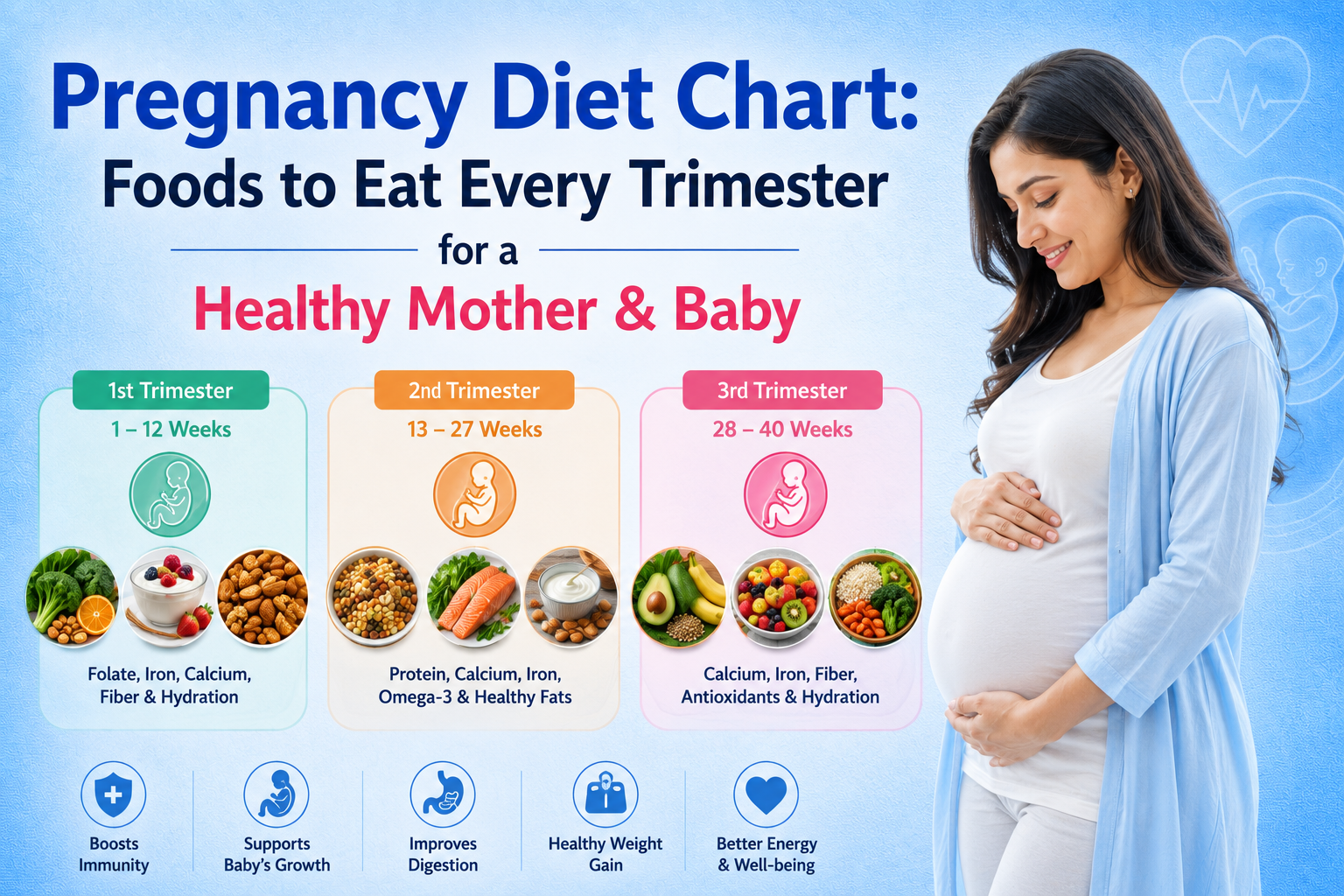
If you’re planning pregnancy or are already pregnant, regular prenatal care is important. Our month-by-month pregnancy care guide provides an overview of important care throughout pregnancy.
For women in the first few months of pregnancy, you can also read our guide to first trimester pregnancy care.
Thyroid Treatment Options for Women
Treatment depends on the underlying condition.
Hypothyroidism Treatment
Hypothyroidism is commonly treated with thyroid hormone replacement medication. The dose is individualized based on blood test results, symptoms, age, pregnancy status, and other factors.
Hyperthyroidism Treatment
Depending on the cause and severity, treatment may include:
- Anti-thyroid medicines
- Radioactive iodine
- Surgery
- Other supportive treatments
The appropriate option should be determined by a qualified healthcare professional.
Can Thyroid Problems Be Controlled Naturally?
Lifestyle changes can support thyroid health, but they cannot replace medical treatment for conditions that require medication.
A healthy diet, exercise, adequate sleep, stress management, and maintaining a healthy weight are beneficial. However, claims that specific foods, herbal remedies, or supplements can permanently “cure” thyroid disease should be approached cautiously.
If you have abnormal thyroid test results, work with your doctor to determine the underlying cause and appropriate treatment.
When Should Women See a Doctor for Thyroid Problems?
Consult a doctor if you experience persistent:
- Unexplained weight gain or weight loss
- Fatigue
- Hair loss
- Menstrual irregularities
- Palpitations
- Anxiety or mood changes
- Neck swelling
- Heat or cold intolerance
- Difficulty becoming pregnant
A neck swelling or lump should also be medically evaluated.
Related Women’s Health and Pregnancy Care
Thyroid health can overlap with other areas of women’s healthcare, particularly pregnancy and metabolic health.
Women experiencing pregnancy-related blood sugar concerns can learn more about gestational diabetes during pregnancy, including symptoms, diet, monitoring, and treatment.
For comprehensive maternal and child healthcare, explore women and child care services at Karna Hospital.
Thyroid Treatment in Hassan
If you are experiencing symptoms of thyroid problems or have abnormal thyroid test results, getting an accurate diagnosis is the first step.
At Karna Hospital, the best multispeciality hospital in Hassan, patients can access comprehensive healthcare services and specialist consultation based on their individual needs.
Thyroid management may involve laboratory testing, medical evaluation, medication monitoring, nutritional guidance, and follow-up care.
Conclusion
Understanding how to control thyroid in women starts with identifying the specific thyroid condition. Hypothyroidism and hyperthyroidism require different approaches, so self-treatment or following restrictive diets without medical advice is not recommended.
A balanced diet, regular physical activity, adequate sleep, stress management, appropriate medication, and routine thyroid testing can all contribute to effective thyroid management.
Women who experience persistent thyroid symptoms, menstrual changes, fertility concerns, or symptoms during pregnancy should consult a healthcare professional for appropriate testing and treatment.
Frequently Asked Questions
How can women control thyroid problems?
Thyroid problems can be managed through appropriate medical treatment, regular thyroid testing, a balanced diet, physical activity, adequate sleep, and healthy lifestyle habits. The approach depends on whether the woman has hypothyroidism, hyperthyroidism, or another thyroid disorder.
Can thyroid be controlled naturally?
Lifestyle changes can support overall thyroid health, but they cannot replace prescribed treatment when medication is required.
What is the best diet for thyroid patients?
A balanced diet containing adequate protein, fruits, vegetables, whole grains, and appropriate sources of iodine and selenium is generally recommended. Individual dietary needs vary depending on the thyroid condition.
Which foods should women avoid with thyroid problems?
There is no universal list of foods that all thyroid patients must avoid. Excessive iodine supplements and highly processed foods should generally be avoided or limited. Women taking thyroid medication should also discuss medication timing with their doctor.
Does stress affect thyroid levels?
Stress can affect overall wellbeing and may make symptoms such as fatigue, anxiety, and sleep problems more noticeable. Stress management is therefore an important part of a healthy lifestyle.
Can thyroid problems affect pregnancy?
Yes. Both hypothyroidism and hyperthyroidism can affect pregnancy and may require closer monitoring. Women with thyroid disorders who are pregnant or planning pregnancy should consult their healthcare provider.
Can thyroid problems be permanently cured?
Some thyroid conditions are temporary, while others require long-term management. Whether a condition can be cured depends on its underlying cause.