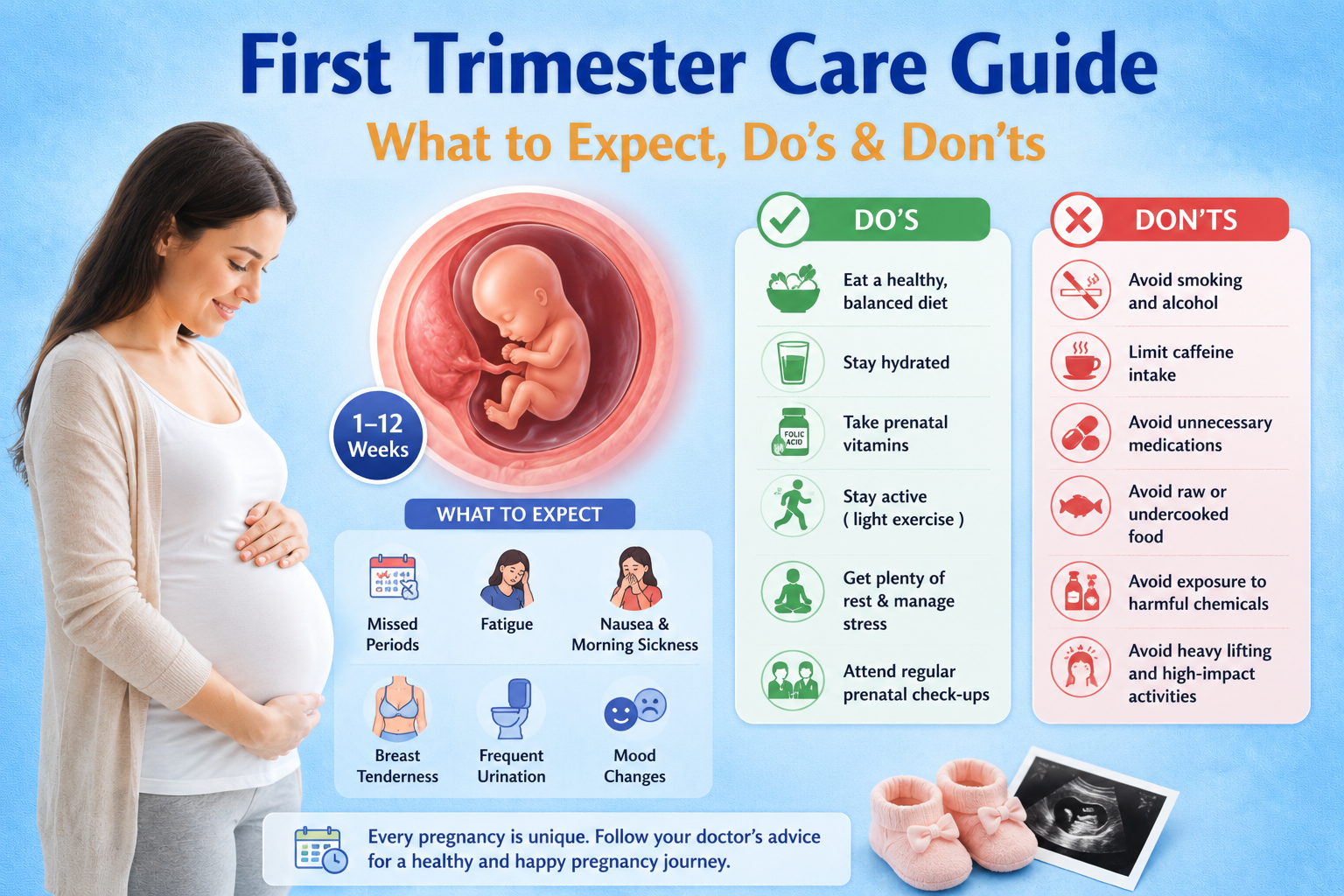
Pregnancy is an exciting journey, and the first trimester is one of the most important phases for both the mother and the developing baby. The first 12 weeks of pregnancy involve significant physical and hormonal changes that lay the foundation for a healthy pregnancy.
For many women, this period brings a mix of emotions, excitement, and questions about what to expect and how to take care of themselves. Following the right first trimester care guide can help ensure a healthier pregnancy and reduce the risk of complications.
In this comprehensive guide, we’ll cover everything you need to know about first trimester care, including symptoms, diet, lifestyle changes, do’s and don’ts, and when to consult your doctor.
What Is the First Trimester?
The first trimester begins from the first day of your last menstrual period and continues through the first 12 weeks of pregnancy.
During this time:
- The baby’s major organs begin to develop.
- The heart starts beating.
- The brain and spinal cord begin forming.
- The placenta starts developing.
- Hormonal changes become more noticeable.
Proper care during this period is crucial for the health of both mother and baby.
For a complete overview of pregnancy stages, read our month-by-month pregnancy care guide.
What to Expect in the First Trimester
Every pregnancy is different, but certain changes are common during early pregnancy.
Common First Trimester Symptoms
Morning Sickness
Nausea and vomiting affect many women during the first trimester.
Symptoms may occur:
- In the morning
- Throughout the day
- After certain foods or smells
Fatigue
Hormonal changes can cause extreme tiredness during early pregnancy.
Adequate rest is important to support your body’s increased demands.
Breast Tenderness
Breasts may become swollen, sensitive, or sore due to hormonal fluctuations.
Frequent Urination
Growing hormone levels increase blood flow to the kidneys, causing more frequent urination.
Mood Swings
Emotional changes are common as hormone levels fluctuate.
Food Cravings and Aversions
Many women develop cravings or become sensitive to specific foods and smells.
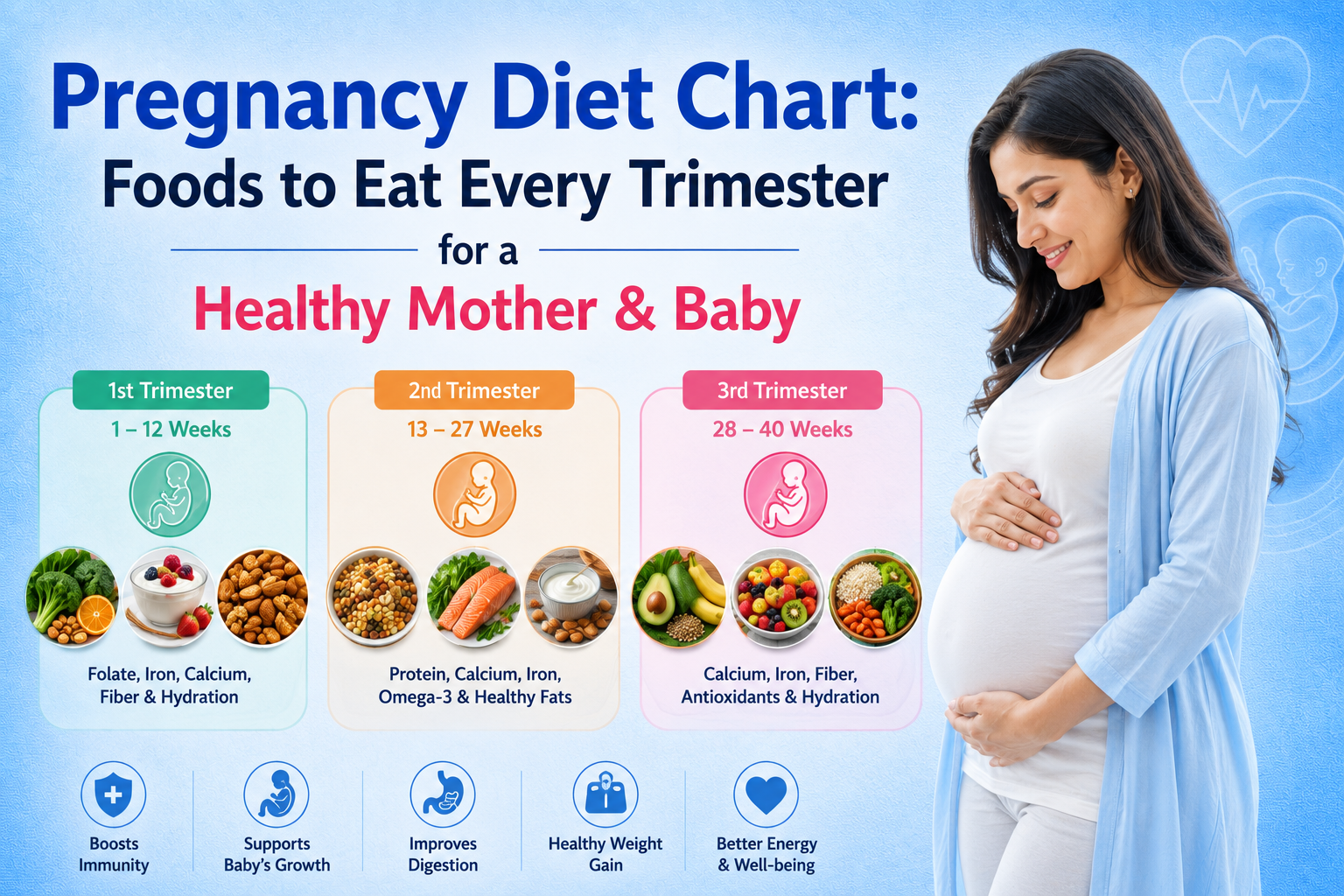
First Trimester Diet and Nutrition
A healthy diet plays a major role in fetal development.
Essential Nutrients During First Trimester
Folic Acid
Folic acid helps prevent neural tube defects.
Sources include:
- Green leafy vegetables
- Citrus fruits
- Fortified cereals
Iron
Iron supports increased blood production.
Good sources:
- Lean meats
- Spinach
- Beans
- Lentils
Calcium
Calcium is essential for developing bones and teeth.
Sources include:
- Milk
- Yogurt
- Cheese
- Almonds
Protein
Protein supports fetal growth and tissue development.
Include:
- Eggs
- Fish
- Chicken
- Legumes
Hydration
Drink plenty of water throughout the day to prevent dehydration and constipation.
Foods to Avoid in First Trimester
Certain foods may increase health risks during pregnancy.
Avoid:
Raw or Undercooked Foods
- Raw eggs
- Undercooked meat
- Raw seafood
High-Mercury Fish
- Shark
- Swordfish
- King mackerel
Unpasteurized Dairy Products
These may contain harmful bacteria.
Excessive Caffeine
Limit caffeine intake according to your doctor’s recommendations.
Alcohol and Tobacco
Avoid alcohol and smoking completely during pregnancy.
Do’s During the First Trimester
Following healthy habits can contribute to a smoother pregnancy.
1. Attend Regular Prenatal Checkups
Early prenatal visits help monitor fetal growth and maternal health.
Regular screenings can identify potential concerns before they become serious.
2. Take Prenatal Vitamins
Prenatal supplements help meet increased nutritional requirements.
Always take supplements prescribed by your healthcare provider.
3. Eat Balanced Meals
Focus on:
- Fruits
- Vegetables
- Whole grains
- Lean proteins
A balanced diet supports healthy fetal development.
4. Stay Physically Active
Light exercise can help improve circulation and reduce pregnancy discomfort.
Safe Exercises During First Trimester
- Walking
- Prenatal yoga
- Stretching
- Swimming
Always consult your doctor before starting an exercise program.
5. Get Adequate Sleep
Aim for 7–9 hours of quality sleep each night.
Rest is vital for both mother and baby.
Don’ts During the First Trimester
Certain habits can negatively affect pregnancy outcomes.
1. Don’t Skip Medical Appointments
Regular checkups allow your doctor to monitor your baby’s development.
2. Don’t Self-Medicate
Avoid taking medications without medical approval.
Some medicines may affect fetal development.
3. Don’t Lift Heavy Objects
Heavy lifting can strain your body and increase discomfort.
4. Don’t Ignore Warning Signs
Seek immediate medical attention if you experience:
- Heavy bleeding
- Severe abdominal pain
- High fever
- Persistent vomiting
5. Don’t Consume Harmful Substances
Avoid:
- Alcohol
- Smoking
- Recreational drugs
These can increase the risk of pregnancy complications.
Importance of Prenatal Checkups
Regular prenatal care helps ensure a healthy pregnancy.
Benefits of Prenatal Care
- Monitor fetal growth
- Detect complications early
- Track maternal health
- Provide nutritional guidance
- Manage pregnancy symptoms
Early medical supervision significantly improves pregnancy outcomes.
When Should You See a Doctor in Early Pregnancy?
While many symptoms are normal, some require immediate medical evaluation.
First Trimester Warning Signs
Severe Bleeding
Light spotting may occur, but heavy bleeding requires urgent attention.
Severe Abdominal Pain
Persistent pain should never be ignored.
High Fever
Fever during pregnancy may indicate infection.
Severe Dehydration
Persistent vomiting can lead to dehydration and nutrient deficiencies.
Sudden Swelling or Vision Changes
These symptoms should be evaluated immediately.
How the Baby Develops During the First Trimester
Understanding fetal development can help parents appreciate the importance of early pregnancy care.
Month 1
- Fertilization occurs
- Neural tube begins forming
- Placenta starts developing
Month 2
- Heart begins beating
- Facial features begin forming
- Limbs start developing
Month 3
- Major organs are formed
- Fingers and toes become visible
- Baby begins moving
By the end of the first trimester, the risk of miscarriage decreases significantly.
Planning for the Rest of Your Pregnancy
The first trimester sets the stage for a healthy pregnancy journey.
As pregnancy progresses, you’ll need continued guidance on nutrition, fetal growth, and delivery planning.
Continue your journey with our comprehensive month-by-month pregnancy care guide to understand what to expect throughout all stages of pregnancy.
Understanding Delivery Options Early
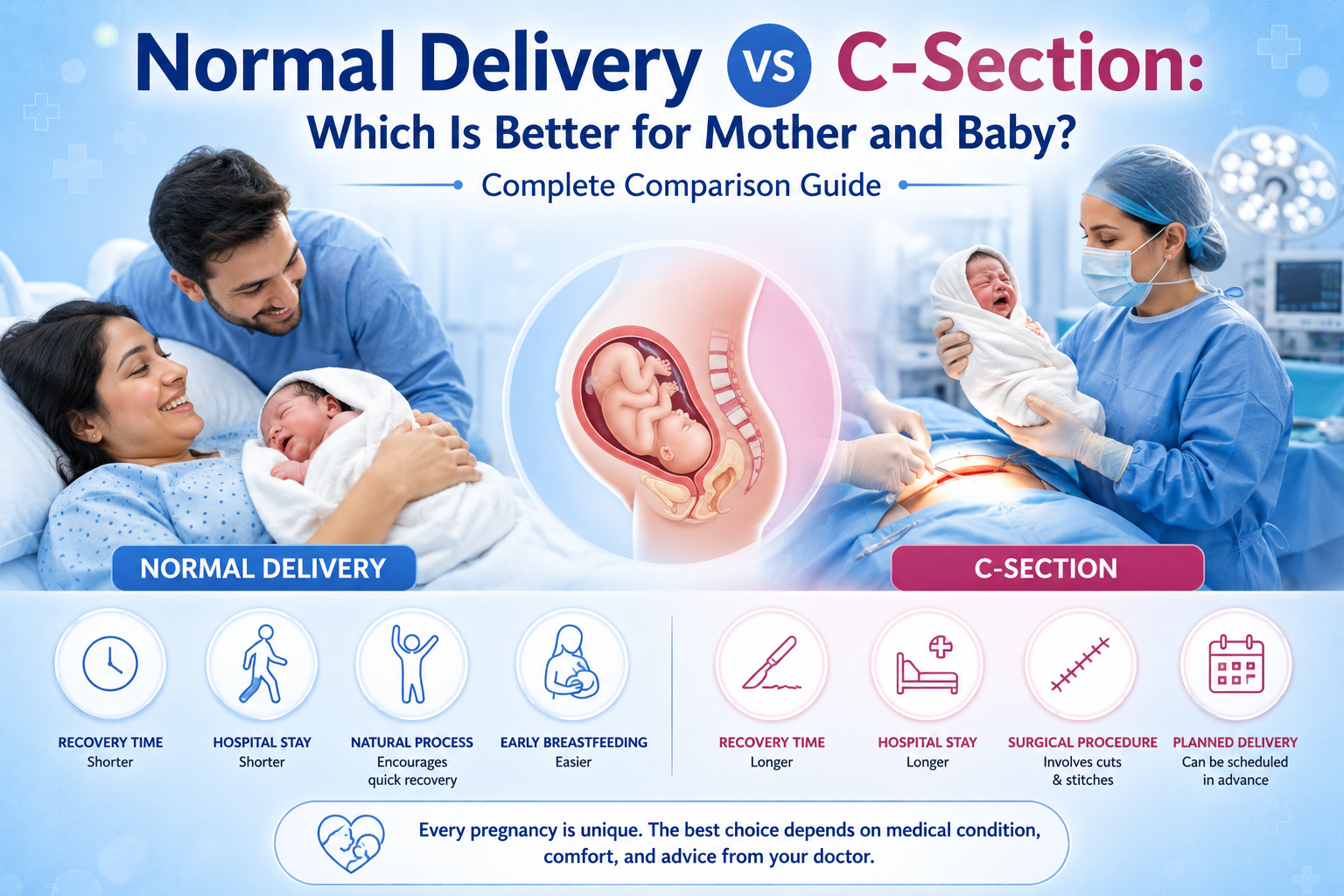
As your pregnancy progresses, it’s helpful to understand the different delivery methods available.
Learn about delivery options during pregnancy to make informed decisions with your healthcare provider.
Discussing delivery plans early can reduce anxiety and improve preparedness.
Preparing for Newborn Care
Pregnancy planning also includes understanding newborn healthcare needs.
Read about newborn care after delivery to learn when specialized neonatal support may be required.
Why Choose Specialized Women and Child Care Services?
Expert maternity care provides comprehensive support from conception through childbirth and beyond.
Explore our women and child care services for personalized pregnancy care, prenatal consultations, delivery services, and newborn support.
Why Choose Karna Hospital for Pregnancy Care?
At the best multispeciality hospital in Hassan, expecting mothers receive:
- Experienced gynecologists and obstetricians
- Comprehensive prenatal care
- Advanced diagnostic facilities
- High-risk pregnancy management
- Delivery and newborn care services
- Personalized maternity support
Karna Hospital is committed to providing safe and compassionate care throughout every stage of pregnancy.
Conclusion
The first 12 weeks of pregnancy are a critical period for both mother and baby. Following a proper first trimester care guide can help ensure healthy fetal development, reduce complications, and improve maternal well-being.
By maintaining a balanced diet, attending prenatal checkups, staying active, and following recommended precautions, mothers can build a strong foundation for a healthy pregnancy journey.
If you’re pregnant or planning a pregnancy, consult experienced healthcare professionals to receive the guidance and support needed for a safe and successful pregnancy.
Contact Karna Hospital
For immediate consultation or emergency support, contact Karna Hospital:
Mobile: +91 63603 22779
Address: Shankar Mutt Road, KR Puram, Hassan – 573201
Website: https://karnahospital.in/
Frequently Asked Questions (FAQ)
What should I do during the first trimester?
Focus on prenatal care, healthy eating, hydration, prenatal vitamins, and regular medical checkups.
What are the do’s and don’ts in the first trimester?
Do attend prenatal visits, eat nutritious foods, and rest adequately. Avoid alcohol, smoking, self-medication, and unhealthy foods.
What foods should I eat in the first trimester?
Consume foods rich in folic acid, iron, calcium, protein, fruits, vegetables, and whole grains.
When should I visit a doctor in early pregnancy?
Schedule your first prenatal visit as soon as pregnancy is confirmed.
What symptoms are normal in the first trimester?
Common symptoms include nausea, fatigue, breast tenderness, mood swings, and frequent urination.