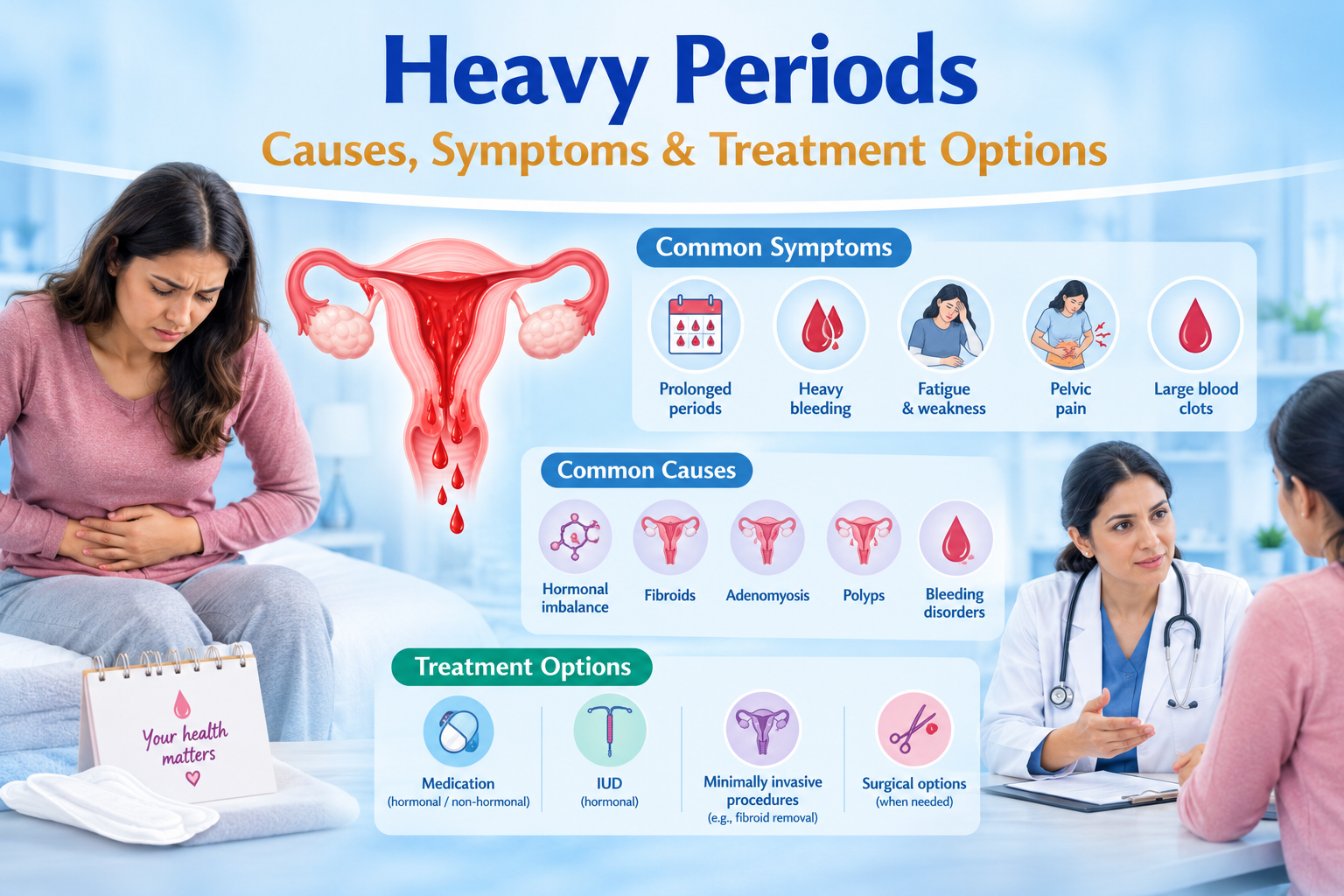
Heavy periods, also known as heavy menstrual bleeding, can affect a woman’s daily activities, energy levels, and overall quality of life. While menstrual flow varies from person to person, unusually heavy bleeding, periods lasting longer than seven days, or passing large blood clots may indicate an underlying health condition that requires medical attention.
Common causes of heavy periods include hormonal imbalances, uterine fibroids, polyps, thyroid disorders, and certain bleeding conditions. Identifying the cause is essential for choosing the right treatment and preventing complications such as iron-deficiency anaemia.
In this guide, we explain the causes of heavy periods, common symptoms, available treatment options, and when to consult a gynaecologist.
What Are Heavy Periods?
Heavy periods refer to menstrual bleeding that is excessive, lasts longer than expected, or interferes with normal daily activities. The medical term for heavy menstrual bleeding is menorrhagia, although healthcare professionals increasingly use the broader term heavy menstrual bleeding.
You may have heavy periods if you:
- Need to change a sanitary pad every one to two hours because it is soaked.
- Experience menstrual bleeding that lasts longer than seven days.
- Pass large blood clots during your period.
- Need to change menstrual products frequently during the night.
- Experience bleeding that soaks through your clothes or bedding.
- Feel unusually tired, weak, or short of breath during menstruation.
Heavy menstrual bleeding does not always indicate a serious medical condition. However, if it repeatedly affects your daily life, a medical evaluation can help identify the cause.
What Causes Heavy Periods?
Several conditions can contribute to heavy menstrual bleeding. Understanding the possible causes helps determine which investigations and treatments may be appropriate.
1. Hormonal Imbalance
Hormonal changes can affect ovulation and the development of the uterine lining. When ovulation does not occur regularly, the lining may become thicker than usual and produce heavier bleeding when it sheds.
Hormonal imbalance can occur during adolescence, perimenopause, and in people with certain endocrine conditions.
2. Uterine Fibroids and Polyps
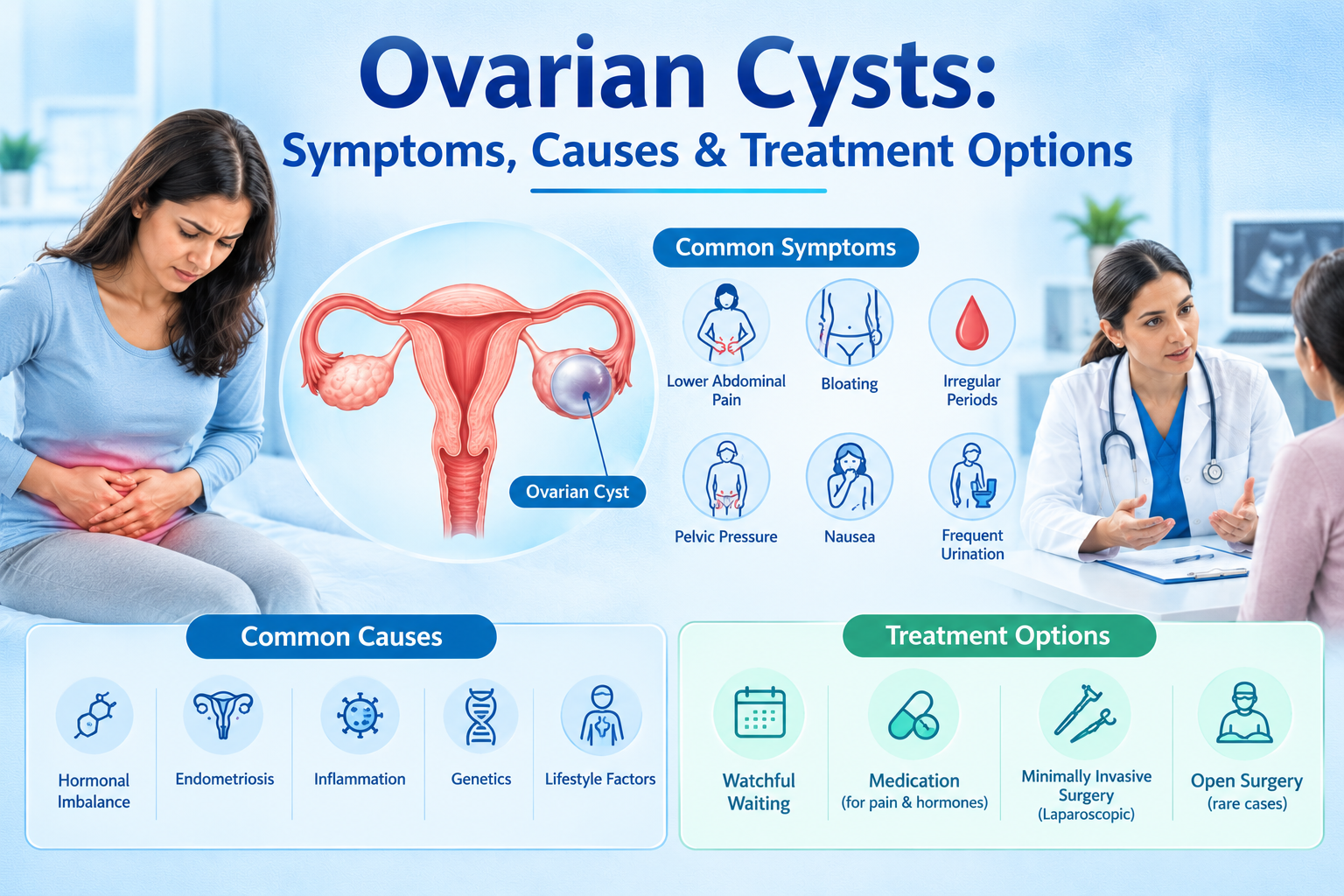
Uterine fibroids are non-cancerous growths in or around the uterus. Depending on their size and location, they can cause heavy periods, prolonged bleeding, pelvic pressure, and discomfort.
Uterine polyps are growths that develop in the lining of the uterus and can also contribute to abnormal bleeding.
If heavy periods occur alongside pelvic discomfort or persistent changes in menstrual patterns, a gynaecologist may recommend further assessment.
3. Polycystic Ovary Syndrome (PCOS)
Polycystic ovary syndrome (PCOS) can affect ovulation and cause irregular menstrual cycles. Some people with PCOS experience infrequent periods followed by prolonged or heavy bleeding.
PCOS does not cause the same menstrual symptoms in everyone, so proper assessment is important.
Learn more about PCOS symptoms, fertility concerns and treatment options to understand how this condition can affect reproductive health.
4. Thyroid Disorders
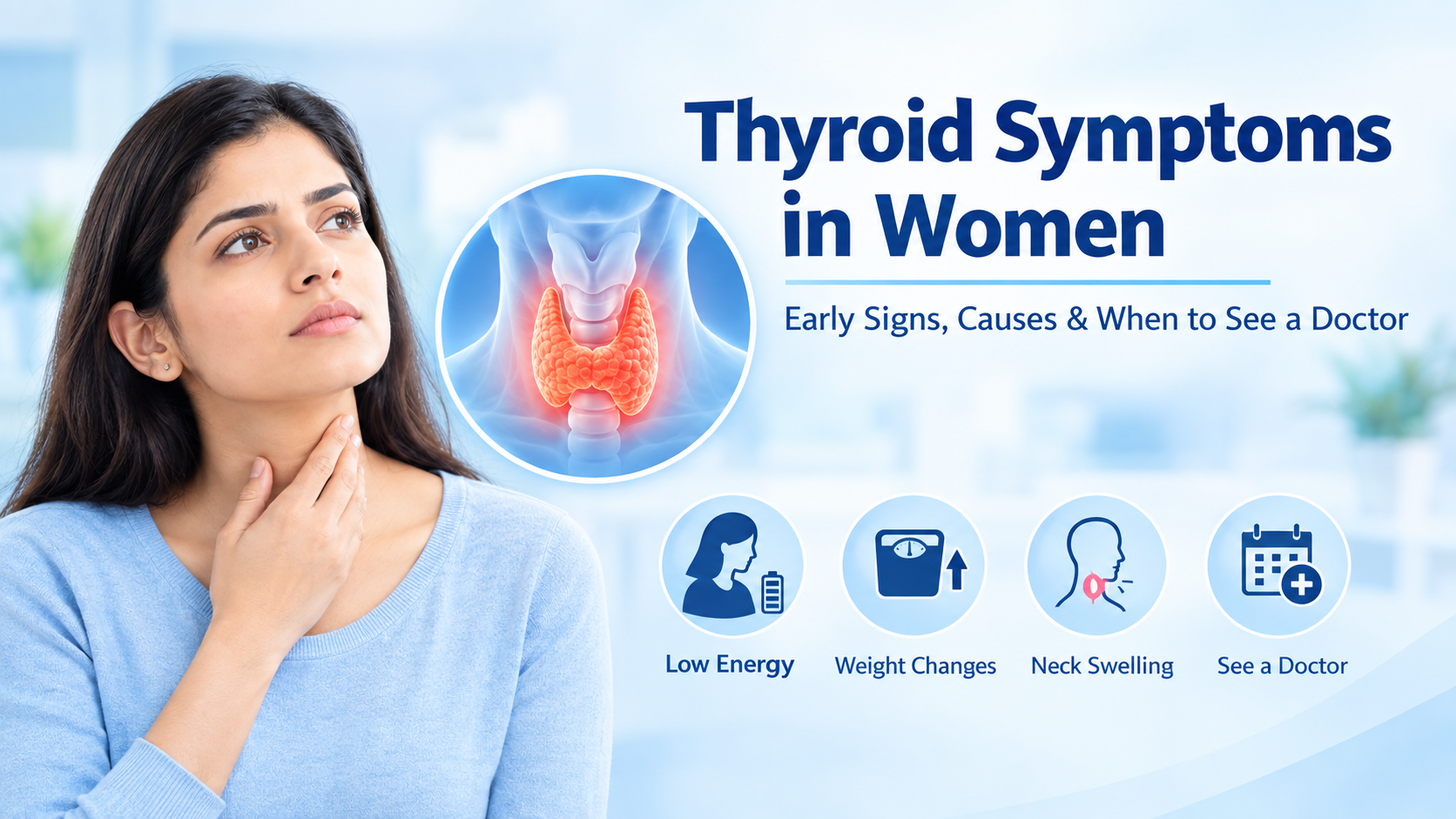
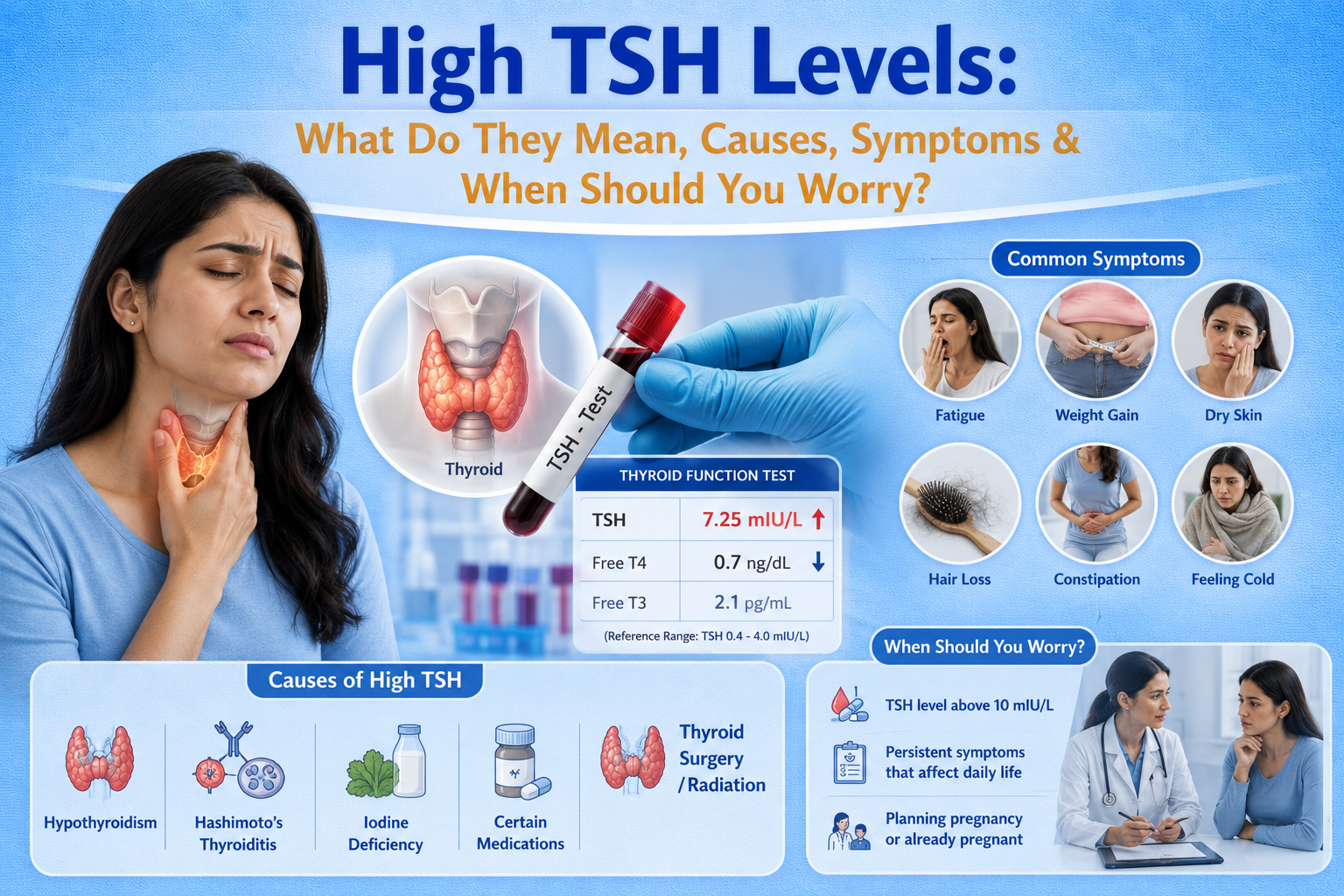
The thyroid gland produces hormones that influence several body functions, including aspects of the menstrual cycle. An underactive thyroid, known as hypothyroidism, may contribute to heavier or irregular periods in some individuals.
Other symptoms can include fatigue, sensitivity to cold, constipation, and changes in weight.
Read about high TSH levels, their causes and treatment for more information about thyroid-related concerns.
5. Adenomyosis and Endometriosis
Adenomyosis occurs when tissue similar to the uterine lining grows into the muscular wall of the uterus. It may cause heavy menstrual bleeding, painful periods, and pelvic discomfort.
Endometriosis occurs when tissue similar to the uterine lining grows outside the uterus. It commonly causes menstrual pain and may be associated with heavy or irregular bleeding in some cases.
These conditions require clinical assessment because their symptoms can overlap with those of other gynaecological problems.
6. Bleeding Disorders and Certain Medications
Some inherited bleeding disorders can make menstrual bleeding heavier than usual. Blood-thinning medications and certain other treatments may also increase bleeding.
If your periods become unusually heavy after starting a medication, consult your doctor before changing or stopping it.
Common Symptoms of Heavy Periods
The symptoms of heavy menstrual bleeding vary in severity. Some women experience heavier flow during the first few days of menstruation, while others have prolonged bleeding throughout their cycle.
Common symptoms include:
- Excessive menstrual flow requiring frequent pad changes.
- Periods lasting more than seven days.
- Passing large blood clots.
- Severe menstrual cramps or lower abdominal pain.
- Unusual tiredness and weakness.
- Dizziness or lightheadedness.
- Reduced ability to perform everyday activities.
Heavy blood loss can lead to iron-deficiency anaemia. Symptoms may include persistent fatigue, pale skin, headaches, and breathlessness.
If these symptoms occur alongside heavy bleeding, medical evaluation is important.
When Should You Worry About Heavy Periods?
You should consult a gynaecologist if heavy periods repeatedly interfere with your routine, cause significant pain, or represent a noticeable change from your usual menstrual pattern.
Seek medical advice if you experience:
- Bleeding that regularly lasts longer than seven days.
- Repeatedly soaking through menstrual products every one to two hours.
- Large blood clots during menstruation.
- Bleeding between periods or after sexual intercourse.
- Severe menstrual cramps or persistent pelvic pain.
- Symptoms of anaemia, such as weakness or unusual fatigue.
Seek urgent medical care if you are soaking through a pad or tampon every hour for several consecutive hours, particularly if you also experience dizziness, fainting, chest discomfort, or shortness of breath. Heavy bleeding associated with severe abdominal pain or possible pregnancy also requires prompt assessment.
How Are Heavy Periods Diagnosed?
Diagnosing the cause of heavy menstrual bleeding usually begins with a discussion of your menstrual history, symptoms, medical conditions, and medications.
Your doctor may ask how long your periods last, how frequently you change menstrual products, whether you pass blood clots, and whether your bleeding pattern has changed recently.
Depending on your symptoms, the evaluation may include:
- Blood tests: To check haemoglobin levels and assess for anaemia.
- Pregnancy testing: When pregnancy-related bleeding is possible.
- Thyroid testing: If your symptoms or medical history suggest a thyroid disorder.
- Pelvic ultrasound: To assess the uterus, ovaries, fibroids, and other structural abnormalities.
- Additional investigations: Such as hysteroscopy or endometrial sampling when clinically indicated.
Not everyone needs every test. Your doctor will recommend investigations based on your age, symptoms, medical history, and examination findings.
Heavy Periods: Treatment Options
The treatment for heavy periods depends on the underlying cause, the severity of bleeding, your medical history, and whether you plan to become pregnant in the future.
1. Medication
Depending on the diagnosis, a doctor may prescribe medication to reduce menstrual blood loss or manage associated pain. Options may include tranexamic acid, certain anti-inflammatory medicines, or hormonal treatments.
The choice of medication depends on individual health factors and possible contraindications. Do not self-medicate or use hormonal medicines without medical advice.
2. Hormonal Treatment
Hormonal contraceptives and certain progestogen treatments may help regulate menstrual cycles and reduce bleeding in appropriate patients.
A hormonal intrauterine system may also be recommended in selected cases. The most suitable option depends on the underlying condition, personal preferences, and reproductive plans.
3. Iron Supplementation
If heavy menstrual bleeding has caused iron deficiency or anaemia, your doctor may recommend iron supplementation and dietary guidance.
Iron supplements should be taken according to professional advice, with follow-up testing when appropriate.
4. Treatment for Underlying Conditions
If fibroids, polyps, thyroid disorders, or other conditions are contributing to heavy periods, treatment may focus on managing that specific problem.
Some structural conditions may require a procedure or surgery if medication is ineffective or unsuitable.
5. Surgical Treatment
Surgery is not necessary for every case of heavy menstrual bleeding. Depending on the diagnosis, options may include removing uterine polyps or fibroids, or other procedures recommended by a specialist.
Hysterectomy, which involves removing the uterus, is a major procedure generally considered only in selected circumstances after discussing alternatives, risks, and fertility implications.
Can Heavy Periods Be Prevented?
Not all causes of heavy periods can be prevented, but tracking your menstrual cycle can help identify changes early.
Consider recording the start and end dates of each period, the frequency of pad changes, the presence of blood clots, and any pain or unusual symptoms.
Maintaining a balanced diet that includes iron-rich foods can support general health, but dietary changes alone cannot treat every cause of heavy menstrual bleeding.
If your periods become consistently heavier or more painful, consult a healthcare professional rather than relying solely on home remedies.
Conclusion
Heavy periods can result from several causes, including hormonal imbalance, PCOS, uterine fibroids, thyroid disorders, and other gynaecological conditions. Although menstrual flow varies between individuals, persistent heavy bleeding should not be ignored, particularly when it affects daily activities or causes symptoms of anaemia.
The right treatment depends on identifying the underlying cause and considering your individual health needs. If you experience unusually heavy or prolonged menstrual bleeding, consult a qualified gynaecologist for an appropriate evaluation and treatment plan.
Explore the services offered by the best multispeciality hospital in Hassan for comprehensive healthcare and medical guidance.
Frequently Asked Questions About Heavy Periods
What causes heavy periods?
Common causes include hormonal imbalance, uterine fibroids, polyps, adenomyosis, thyroid disorders, bleeding disorders, and certain medications. A medical evaluation can help identify the specific cause.
How do I know if my period is too heavy?
Your period may be considered heavy if you frequently soak menstrual products, need to change them every one to two hours, bleed for longer than seven days, or pass large blood clots. The impact on your daily activities is also important.
Can heavy periods cause anaemia?
Yes. Repeated excessive menstrual blood loss can reduce iron levels and lead to iron-deficiency anaemia, causing fatigue, weakness, dizziness, or breathlessness.
What is the best treatment for heavy periods?
There is no single treatment that is best for everyone. Options may include medication, hormonal treatment, iron supplementation, or procedures for specific underlying conditions. Treatment should be based on a medical assessment.
When should I see a gynaecologist for heavy periods?
Consult a gynaecologist if heavy bleeding persists, affects daily life, causes significant pain, or is accompanied by unusual fatigue or irregular bleeding. Seek urgent care for severe bleeding with faintness, breathlessness, or other concerning symptoms. If you experience persistent heavy menstrual bleeding, consult the best gynecologist in Hassan for an appropriate evaluation and treatment plan.