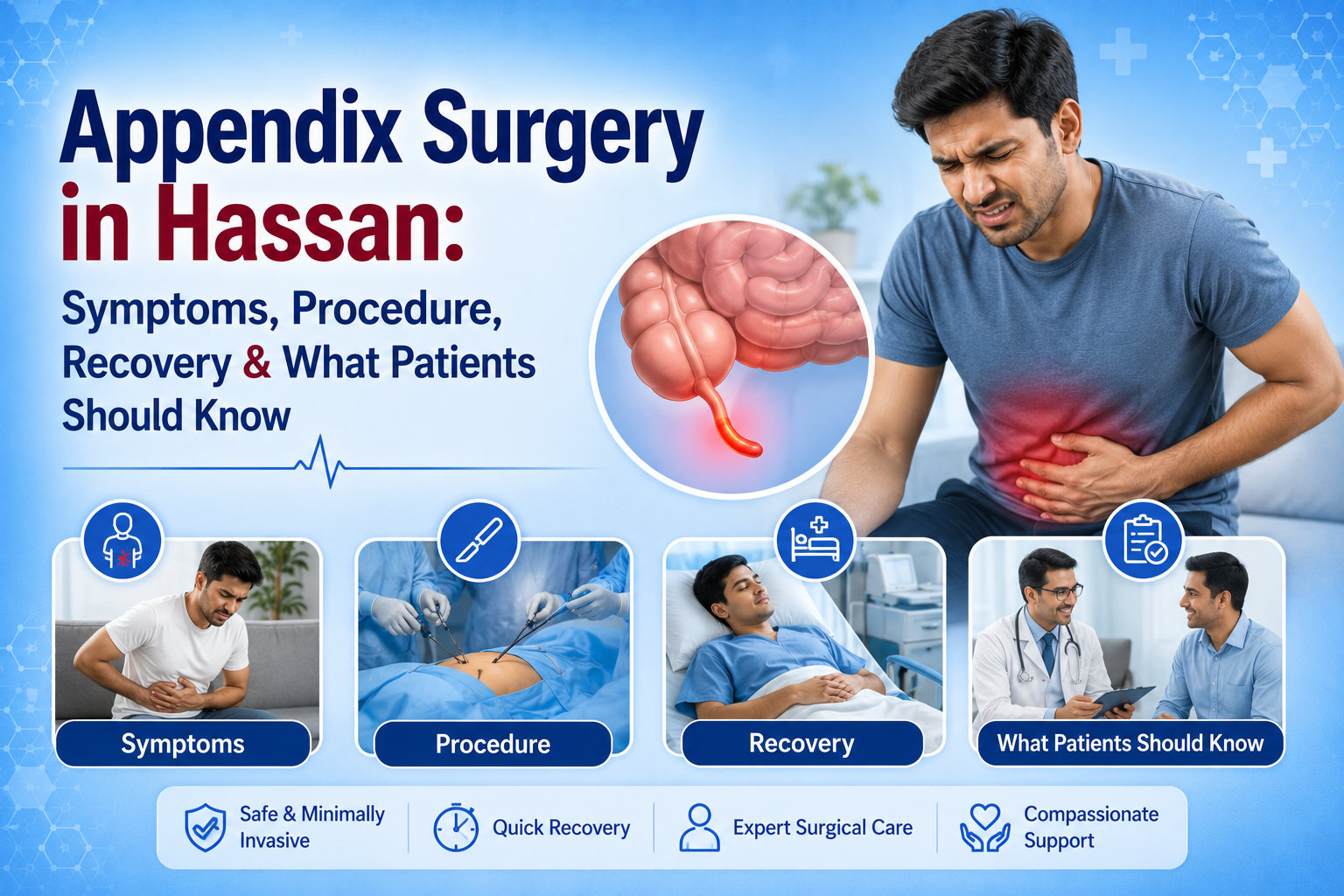
Appendicitis is one of the most common surgical emergencies and requires prompt medical attention. If left untreated, an inflamed appendix can rupture, leading to serious complications such as abdominal infection (peritonitis) and abscess formation. Fortunately, with timely diagnosis and modern surgical techniques, appendix removal is a safe and highly successful procedure.
If you or a loved one has been diagnosed with appendicitis, you may have several questions: When is appendix surgery needed? Is laparoscopic appendix surgery better? How long is the recovery? Which hospital offers expert appendix surgery in Hassan?
This comprehensive guide answers these questions and explains everything patients should know about appendix surgery in Hassan, including symptoms, diagnosis, surgical procedures, recovery, and tips for a smooth recovery.
What Is the Appendix?
The appendix is a small, finger-shaped pouch attached to the large intestine in the lower right side of the abdomen. Although its exact function is not fully understood, it is believed to play a minor role in supporting gut immunity.
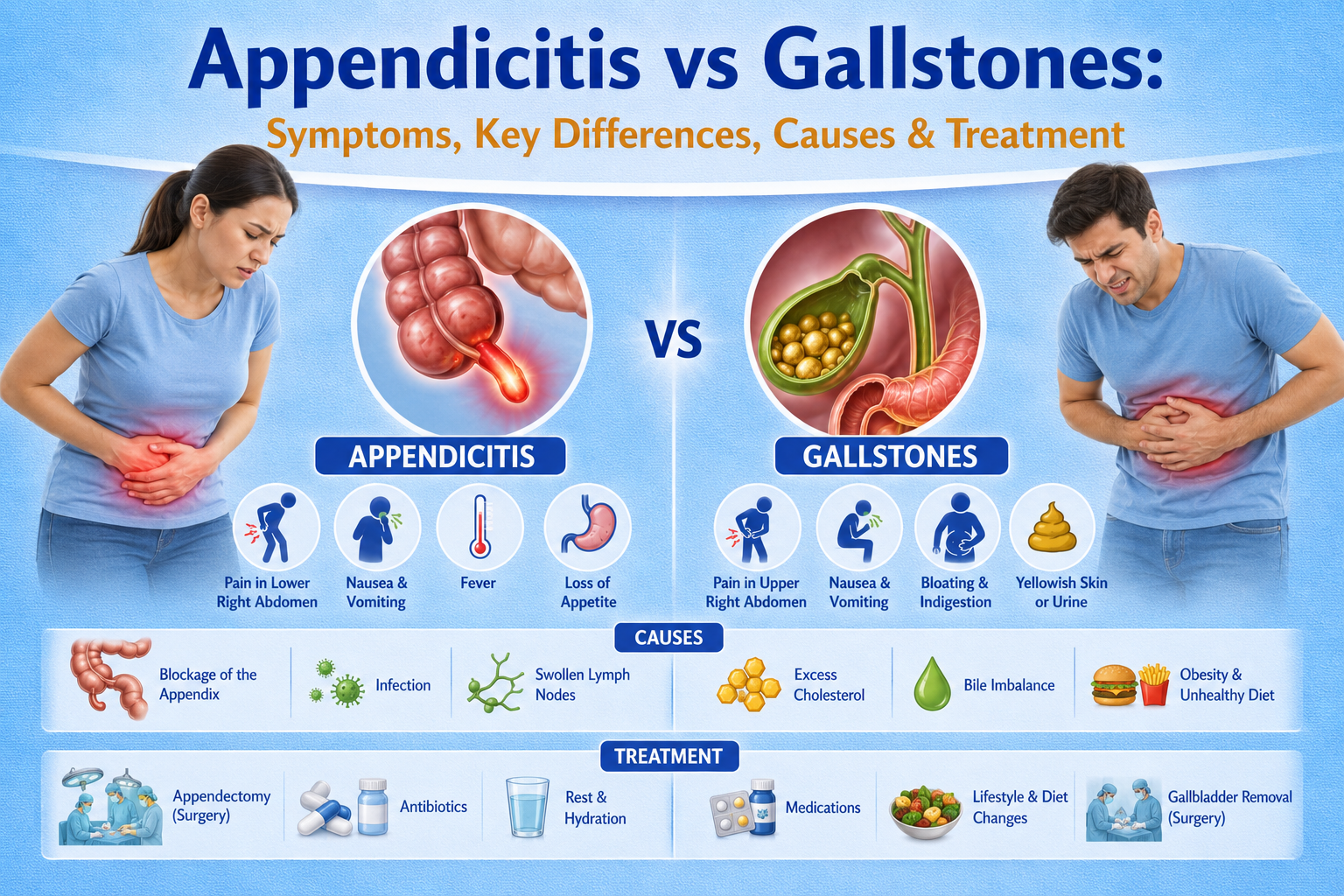
When the appendix becomes blocked by stool, infection, or swelling, it can become inflamed—a condition known as appendicitis. Without timely treatment, the appendix may burst, making emergency surgery necessary.
What Is Appendicitis?
Appendicitis is the inflammation of the appendix and is considered a medical emergency. It commonly affects people between the ages of 10 and 30, but it can occur at any age.
The standard treatment for acute appendicitis is appendectomy, which involves surgically removing the inflamed appendix before complications develop.
Symptoms of Appendicitis
Recognizing the early symptoms of appendicitis can help prevent serious complications.
Common Symptoms
Pain in the Lower Right Abdomen
The pain often begins near the navel and gradually shifts to the lower right side of the abdomen. It usually worsens over time and becomes more intense with movement or coughing.
Loss of Appetite
Many patients experience a sudden loss of appetite before abdominal pain becomes severe.
Nausea and Vomiting
Digestive discomfort commonly accompanies appendicitis.
Fever
A mild fever is common, while a high fever may indicate that the appendix has ruptured.
Abdominal Swelling
Some patients experience bloating or swelling, especially if treatment is delayed.
Constipation or Diarrhea
Changes in bowel habits may also occur.
Seek immediate medical attention if you experience severe abdominal pain accompanied by fever, vomiting, or persistent tenderness.
Learn more about appendicitis symptoms in our detailed guide.
When Is Appendix Surgery Needed?
Doctors recommend appendix surgery as soon as appendicitis is diagnosed because delaying treatment increases the risk of rupture.
Surgery Is Usually Recommended When:
- Acute appendicitis is confirmed.
- The appendix has ruptured.
- An abscess has developed around the appendix.
- Symptoms are worsening despite medication.
- Imaging tests show severe inflammation.
Early surgery significantly reduces complications and shortens recovery time.
How Is Appendicitis Diagnosed?
A general surgeon may recommend several tests to confirm appendicitis.
Diagnostic Tests
- Physical examination
- Blood tests
- Urine tests
- Ultrasound
- CT scan (when required)
Accurate diagnosis allows surgeons to plan the safest and most effective treatment.
Types of Appendix Surgery
There are two primary surgical approaches for treating appendicitis.
1. Laparoscopic Appendix Surgery
Today, laparoscopic appendectomy is the preferred treatment for most patients.
The procedure is performed using small incisions, a tiny camera, and specialized surgical instruments.
Benefits of Laparoscopic Appendix Surgery
- Smaller incisions
- Less postoperative pain
- Faster recovery
- Minimal blood loss
- Reduced infection risk
- Shorter hospital stay
- Smaller scars
Because of these advantages, most patients can return to their daily routine much sooner than with traditional surgery.
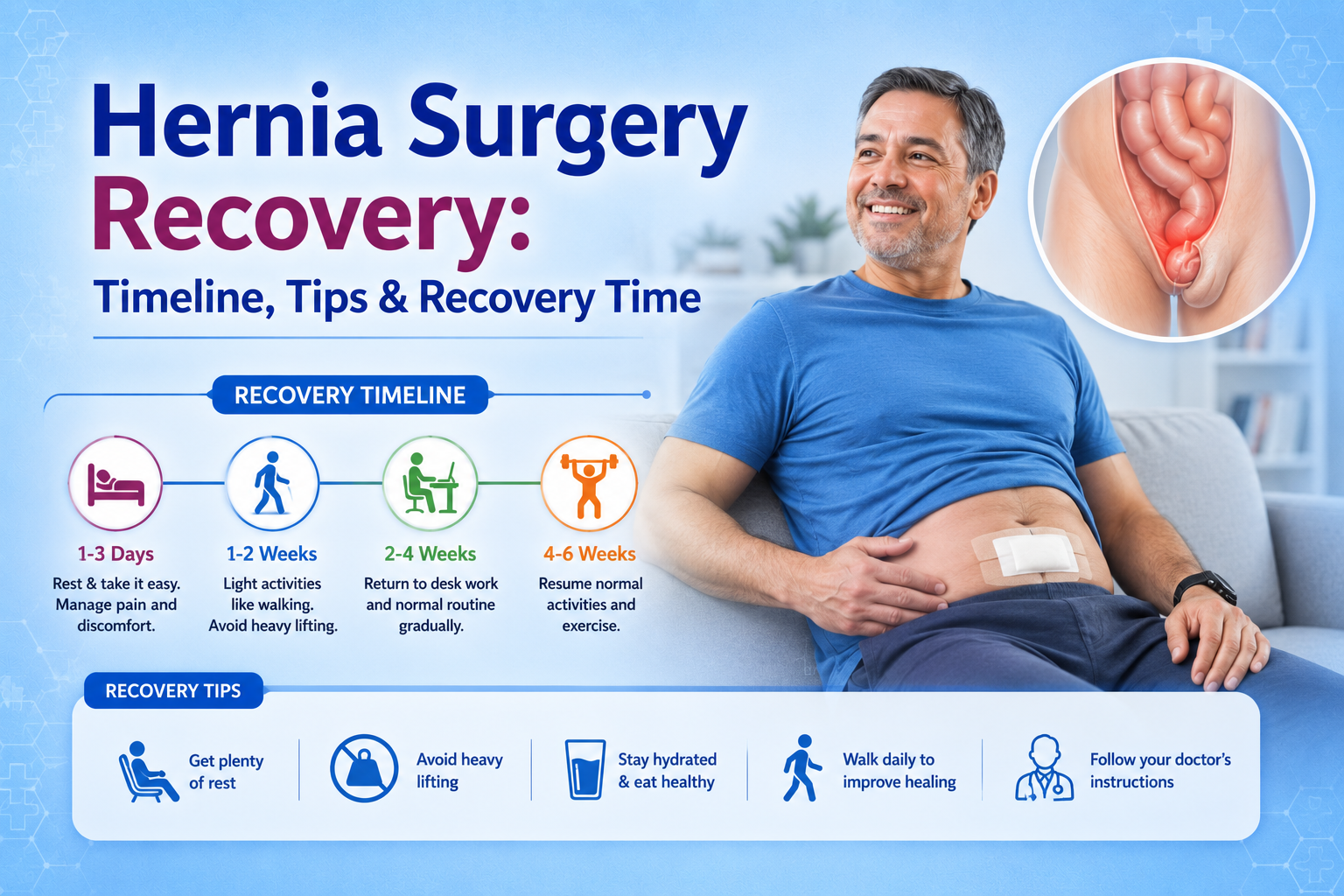
Learn more about laparoscopic surgery techniques by reading our guide on Hernia Surgery in Hassan.
2. Open Appendix Surgery
Open surgery may be recommended if:
- The appendix has ruptured.
- There is widespread infection.
- The patient has extensive scar tissue from previous surgeries.
- Laparoscopic surgery is not appropriate.
Although recovery is slightly longer, open appendectomy remains a safe and effective treatment when necessary.
What Happens During Appendix Surgery?
Most appendectomies are performed under general anesthesia.
The surgeon removes the inflamed appendix and carefully cleans the surgical area if infection is present.
The procedure typically takes 30 to 60 minutes, depending on the severity of the condition.
Recovery After Appendix Surgery
Recovery depends on the type of surgery and whether the appendix ruptured before treatment.
Hospital Stay
- Laparoscopic surgery: Usually 1–2 days
- Open surgery: 2–5 days depending on recovery
First Week
Patients are encouraged to:
- Walk short distances
- Drink plenty of fluids
- Eat light, easily digestible meals
- Avoid heavy lifting
Two to Four Weeks
Most patients gradually return to work and routine activities.
Those with physically demanding jobs may require additional recovery time.
Possible Complications If Appendicitis Is Left Untreated
Ignoring appendicitis can result in life-threatening complications.
Potential Risks
- Ruptured appendix
- Peritonitis (abdominal infection)
- Abscess formation
- Sepsis
- Prolonged hospitalization
- Emergency surgery with a longer recovery
Seeking medical attention at the earliest signs of appendicitis significantly improves treatment outcomes.
Why Laparoscopic Surgery Is Preferred
Modern minimally invasive surgery has transformed the treatment of appendicitis.
Studies have shown that laparoscopic procedures are associated with:
- Less postoperative pain
- Faster recovery
- Lower wound infection rates
- Shorter hospital stays
- Earlier return to work
These advantages make laparoscopic appendectomy the preferred treatment whenever medically appropriate.
Cost Factors for Appendix Surgery in Hassan
The cost of appendix surgery in Hassan depends on several factors rather than a fixed fee.
These include:
- Severity of appendicitis
- Laparoscopic or open surgery
- Emergency versus planned surgery
- Hospital stay duration
- Diagnostic investigations
- Surgeon expertise
- Postoperative medications and follow-up care
Patients should consult their surgeon for an individualized treatment estimate after clinical evaluation.
Choosing the Best Hospital for Appendix Surgery in Hassan
When selecting a hospital, consider the following:
Experienced General Surgeons
Surgeons with extensive experience in emergency abdominal surgery improve patient outcomes.
Advanced Laparoscopic Facilities
Modern technology enables safer, minimally invasive procedures.
24/7 Emergency Services
Prompt treatment is essential for appendicitis, especially if rupture is suspected.
Why Choose Karna Hospital for Appendix Surgery?
At the best multispeciality hospital in Hassan, appendix surgery is performed by experienced Laparoscopic and GI Surgeons in Hassan using modern minimally invasive techniques whenever clinically appropriate. The department specializes in the treatment of appendicitis, gallbladder disease, hernias, gastrointestinal disorders, and other abdominal conditions with a focus on faster recovery and better patient outcomes.
Why Patients Trust Karna Hospital
- Experienced general surgeons
- Advanced laparoscopic surgery facilities
- 24/7 emergency care
- Modern operation theatres
- Comprehensive diagnostic imaging
- Personalized postoperative care
- Multispecialty expertise under one roof
Whether you require emergency appendectomy or treatment for other abdominal conditions, the hospital provides comprehensive care focused on patient safety and successful recovery.
Conclusion
Appendicitis is a common but potentially serious condition that requires timely treatment. Early diagnosis and prompt appendix surgery in Hassan can prevent complications such as rupture, infection, and prolonged recovery.
Modern laparoscopic appendectomy offers numerous advantages, including smaller incisions, reduced pain, quicker recovery, and shorter hospital stays. Choosing an experienced surgical team and a well-equipped hospital can make a significant difference in treatment outcomes.
If you experience persistent pain in the lower right abdomen, fever, nausea, or other symptoms of appendicitis, seek immediate medical attention. Early intervention can help ensure a safe recovery and prevent life-threatening complications.
Frequently Asked Questions (FAQ)
What is appendix surgery?
Appendix surgery, or appendectomy, is the surgical removal of the inflamed appendix to treat appendicitis.
How long does appendix surgery take?
Most appendectomies take between 30 and 60 minutes, depending on the severity of the condition.
Is laparoscopic appendix surgery safe?
Yes. Laparoscopic appendectomy is considered a safe, minimally invasive procedure and is the preferred treatment for most patients.
How long does recovery take after appendix surgery?
Most patients recover within 2–4 weeks, although recovery may take longer after open surgery or a ruptured appendix.
Which hospital is best for appendix surgery in Hassan?
Choose a hospital with experienced general surgeons, advanced laparoscopic facilities, emergency surgical services, and comprehensive postoperative care for the best outcomes.