Back pain is one of the leading causes of discomfort and disability worldwide. From mild muscle strain to severe spinal disorders, back pain can affect mobility, sleep, work productivity, and overall quality of life.
Fortunately, modern medicine offers multiple back pain treatment options, ranging from conservative therapies and physiotherapy to advanced minimally invasive spine surgeries.
Understanding the available treatment methods helps patients choose the right solution based on the severity and cause of their condition.
What Causes Back Pain?
Back pain can result from various spinal, muscular, or nerve-related problems.
Common Causes of Back Pain
1. Muscle Strain
Overuse, poor posture, or sudden movements can strain back muscles.
2. Slipped Disc
A herniated spinal disc can compress nearby nerves and cause pain.
Related article: Slipped Disc Treatment
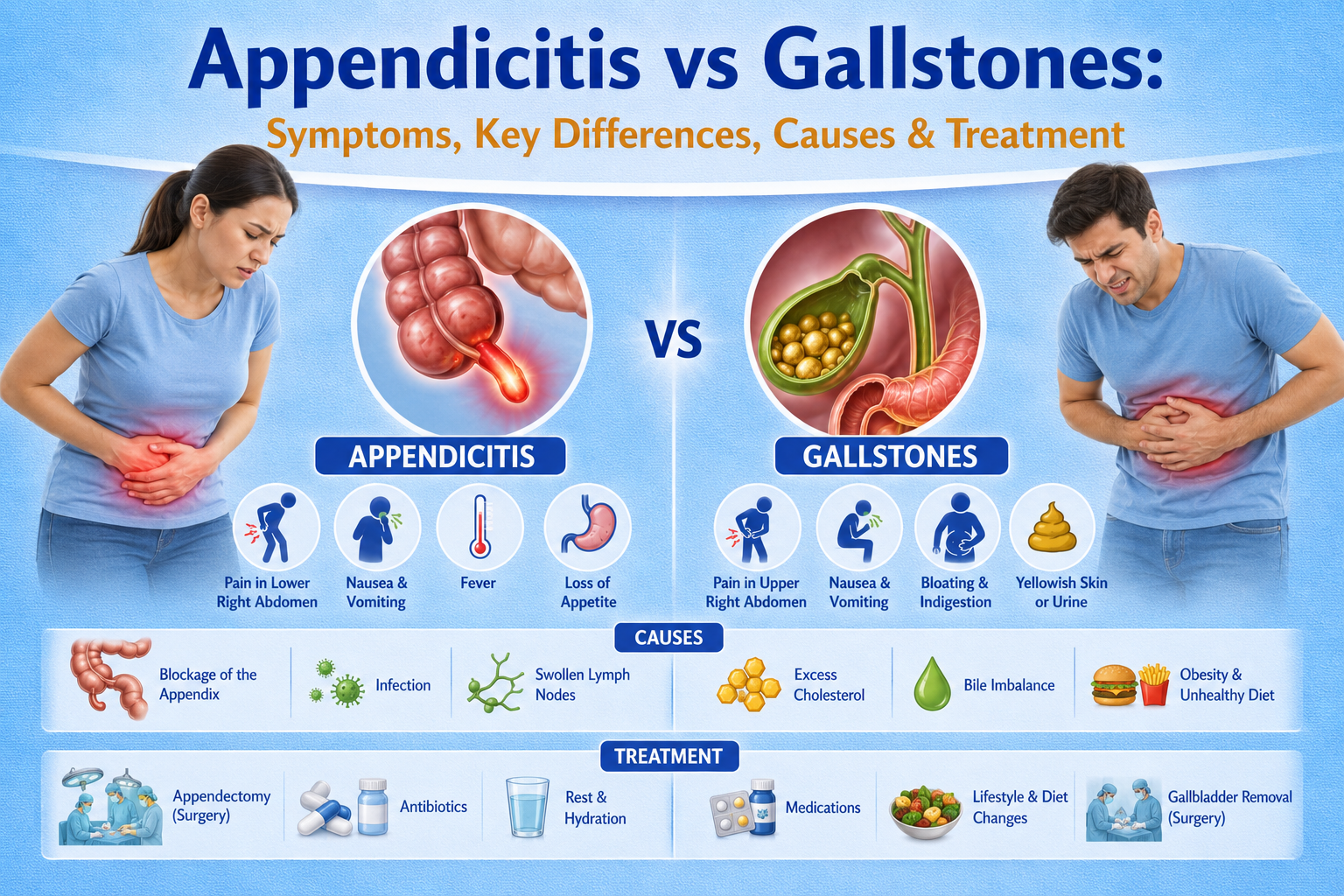
3. Sciatica
Compression of the sciatic nerve causes radiating pain down the leg.
Learn more: Difference Between Slip Disc and Sciatica
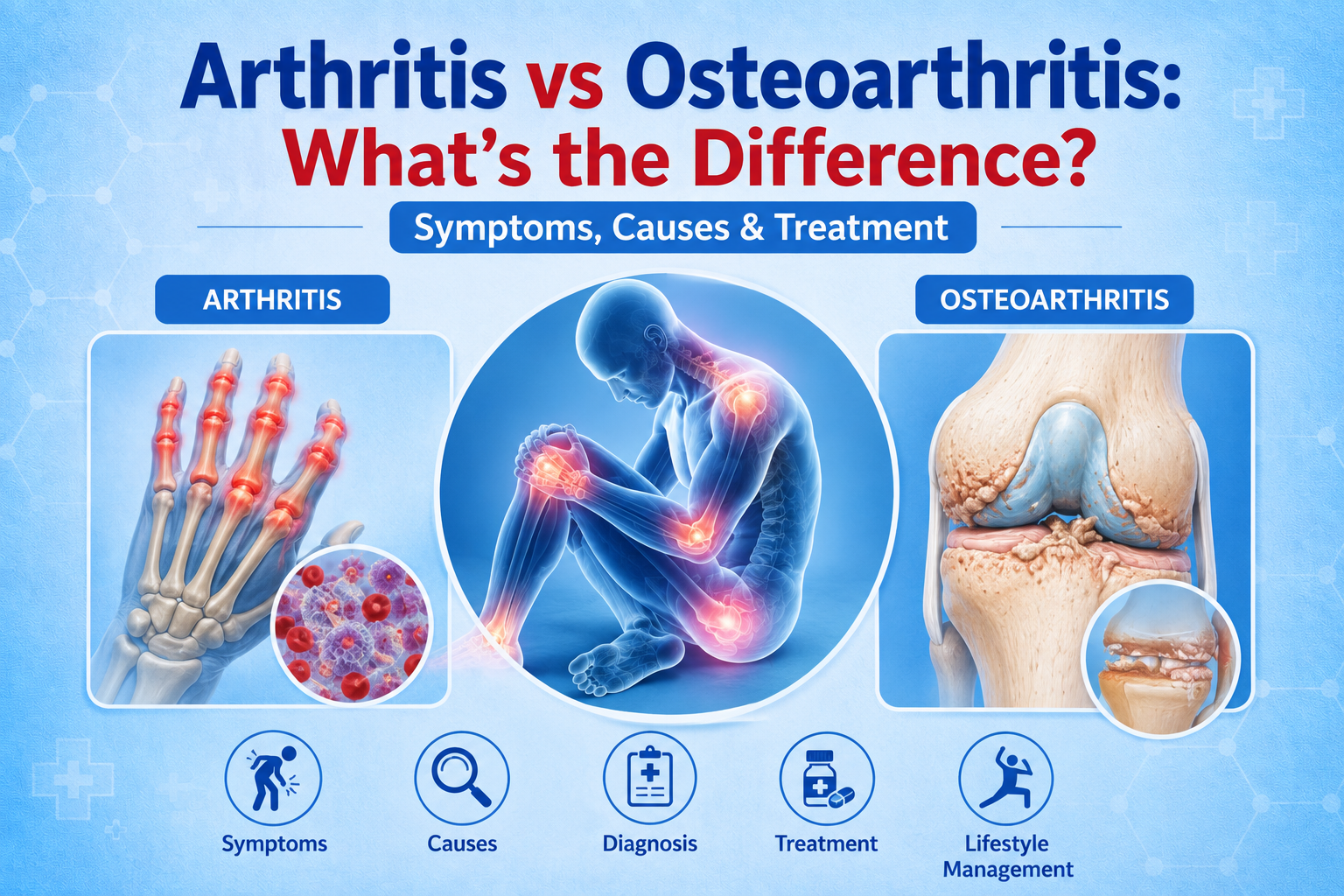
4. Arthritis
Degenerative changes in spinal joints can cause chronic pain and stiffness.
5. Poor Posture
Long sitting hours and improper ergonomics increase spinal stress.
6. Injuries and Trauma
Accidents or sports injuries may damage spinal structures.
Common Symptoms of Back Pain
Symptoms vary depending on the cause and severity.
Back Pain Symptoms
- Lower back pain
- Neck stiffness
- Pain radiating to legs
- Numbness or tingling
- Difficulty standing or walking
- Muscle weakness
Severe weakness, loss of bladder control, or numbness requires immediate medical attention.
Diagnosis of Back Pain
Accurate diagnosis helps determine the best treatment approach.
Common Diagnostic Methods
- Physical examination
- X-rays
- MRI scans
- CT scans
- Neurological evaluation
Advanced imaging helps identify disc problems, nerve compression, and spinal degeneration.
Back Pain Treatment Options
Treatment depends on:
- Cause of pain
- Duration of symptoms
- Severity of nerve compression
- Patient lifestyle and health condition
Most patients improve with conservative treatment, while severe cases may require surgery.
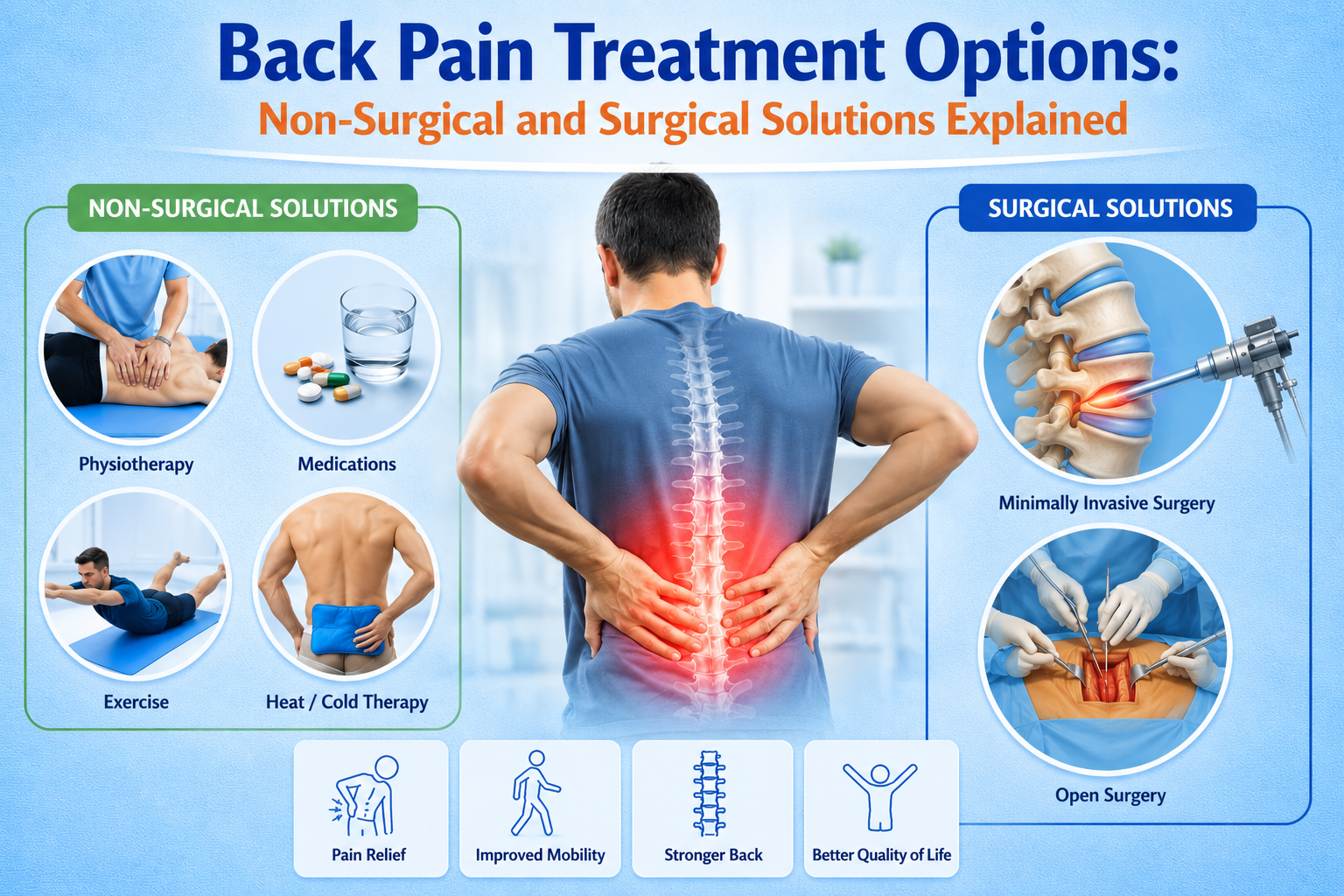
Non-Surgical Back Pain Treatment Options
Non-surgical treatments are usually the first line of management.
1. Medications
Doctors may prescribe:
- Pain relievers
- Anti-inflammatory medicines
- Muscle relaxants
These help reduce inflammation and improve mobility.
2. Physiotherapy
Physiotherapy is one of the most effective non-surgical treatments.
Benefits of Physiotherapy
- Strengthens spinal muscles
- Improves posture
- Reduces stiffness
- Improves flexibility
Common Physiotherapy Techniques
- Stretching exercises
- Core strengthening
- Posture correction
- Heat and cold therapy
3. Lifestyle Modifications
Simple changes can significantly reduce back pain.
Helpful Lifestyle Changes
- Weight management
- Proper sitting posture
- Ergonomic workplace setup
- Regular physical activity
4. Epidural Steroid Injections
These injections help reduce nerve inflammation and pain.
Commonly Recommended For
- Sciatica
- Slip disc-related nerve pain
- Severe inflammation
5. Alternative Therapies
Some patients benefit from:
- Yoga
- Chiropractic care
- Acupuncture
- Massage therapy
These therapies should be done under professional guidance.
When Is Surgery Needed for Back Pain?
Surgery is generally considered when:
- Conservative treatment fails
- Severe nerve compression occurs
- Pain affects daily life significantly
- Muscle weakness worsens
- Spine instability develops
Modern spine surgery is safer and more advanced than ever before.
Surgical Treatment Options for Back Pain
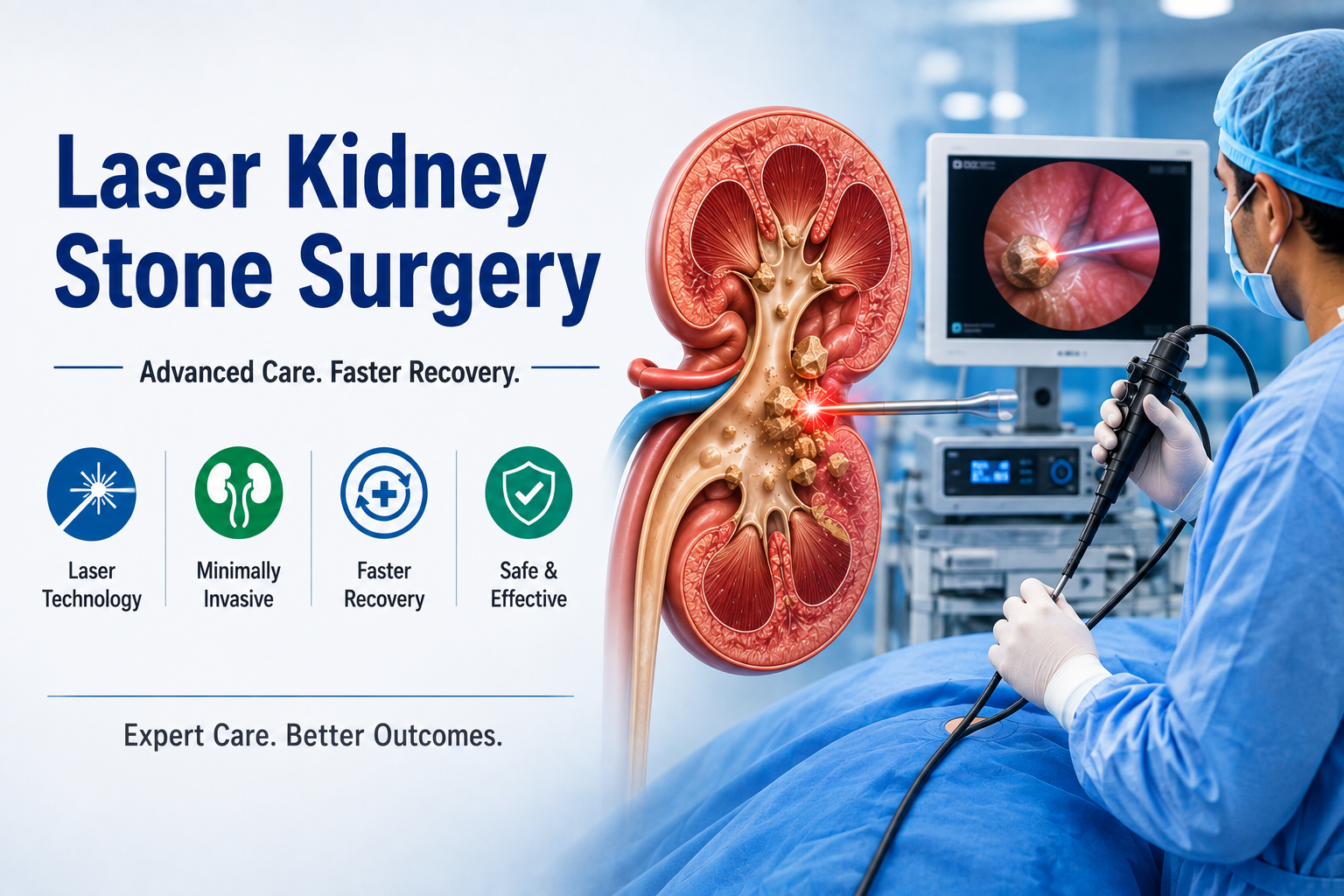
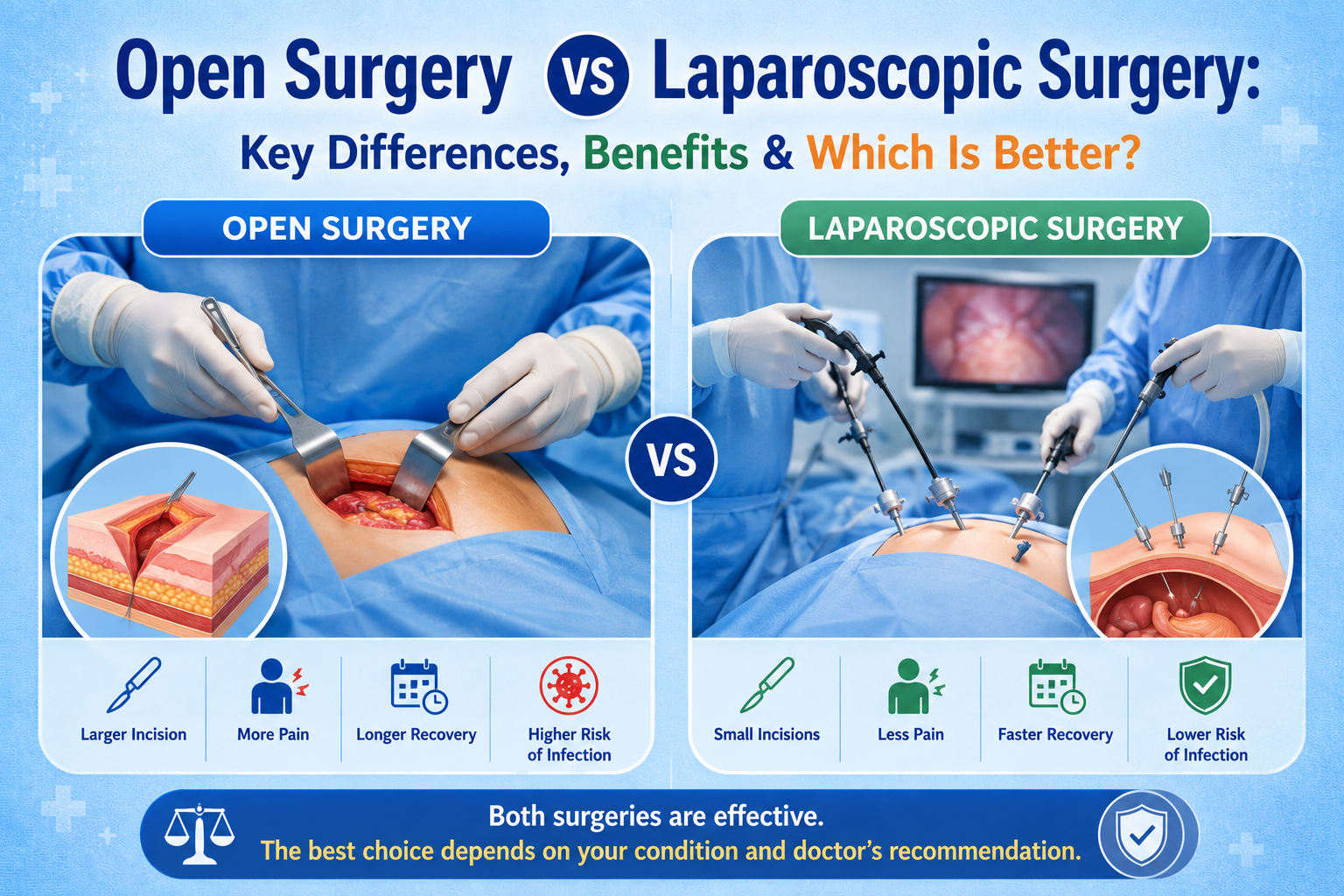
1. Minimally Invasive Spine Surgery
Small incisions and advanced instruments are used to reduce tissue damage.
Benefits
- Smaller cuts
- Less pain
- Faster recovery
- Reduced hospital stay
2. Discectomy
Used to remove the damaged portion of a slipped disc pressing on nerves.
Commonly Recommended For
- Severe slipped disc
- Persistent sciatica
3. Spinal Fusion Surgery
Two or more vertebrae are permanently joined to stabilize the spine.
Recommended For
- Severe spinal instability
- Degenerative disc disease
4. Laminectomy
A portion of bone is removed to relieve pressure on spinal nerves.
Commonly Used For
- Spinal stenosis
- Nerve compression
Non-Surgical vs Surgical Back Pain Treatments
| Feature | Non-Surgical Treatment | Surgical Treatment |
| Invasiveness | Non-invasive | Invasive |
| Recovery Time | Faster initially | Longer recovery |
| Pain Relief | Gradual | Often faster in severe cases |
| Hospital Stay | Usually not needed | Required |
| Best For | Mild to moderate pain | Severe nerve compression |
| Examples | Physiotherapy, medicines | Spine surgery, discectomy |
Recovery After Back Pain Treatment
Recovery depends on the type of treatment and patient condition.
Recovery Tips
- Follow physiotherapy exercises
- Avoid heavy lifting
- Maintain proper posture
- Stay physically active
- Follow medical advice carefully
Preventing Chronic Back Pain
Prevention plays a major role in long-term spinal health.
Prevention Tips
- Exercise regularly
- Maintain healthy body weight
- Avoid prolonged sitting
- Strengthen core muscles
- Use proper lifting techniques
Related article: What Causes Chronic Back Pain?
Importance of Early Treatment
Ignoring persistent back pain may lead to:
- Nerve damage
- Reduced mobility
- Chronic pain syndrome
- Muscle weakness
Early treatment improves recovery outcomes and prevents complications.
Choosing the Right Spine Care Hospital
Advanced orthopedic and spine care facilities improve treatment success.
Look for:
- Experienced spine specialists
- Advanced MRI and imaging
- Minimally invasive surgery expertise
- Rehabilitation support
- Multidisciplinary orthopedic care
Why Choose Karna Hospital for Back Pain Treatment?
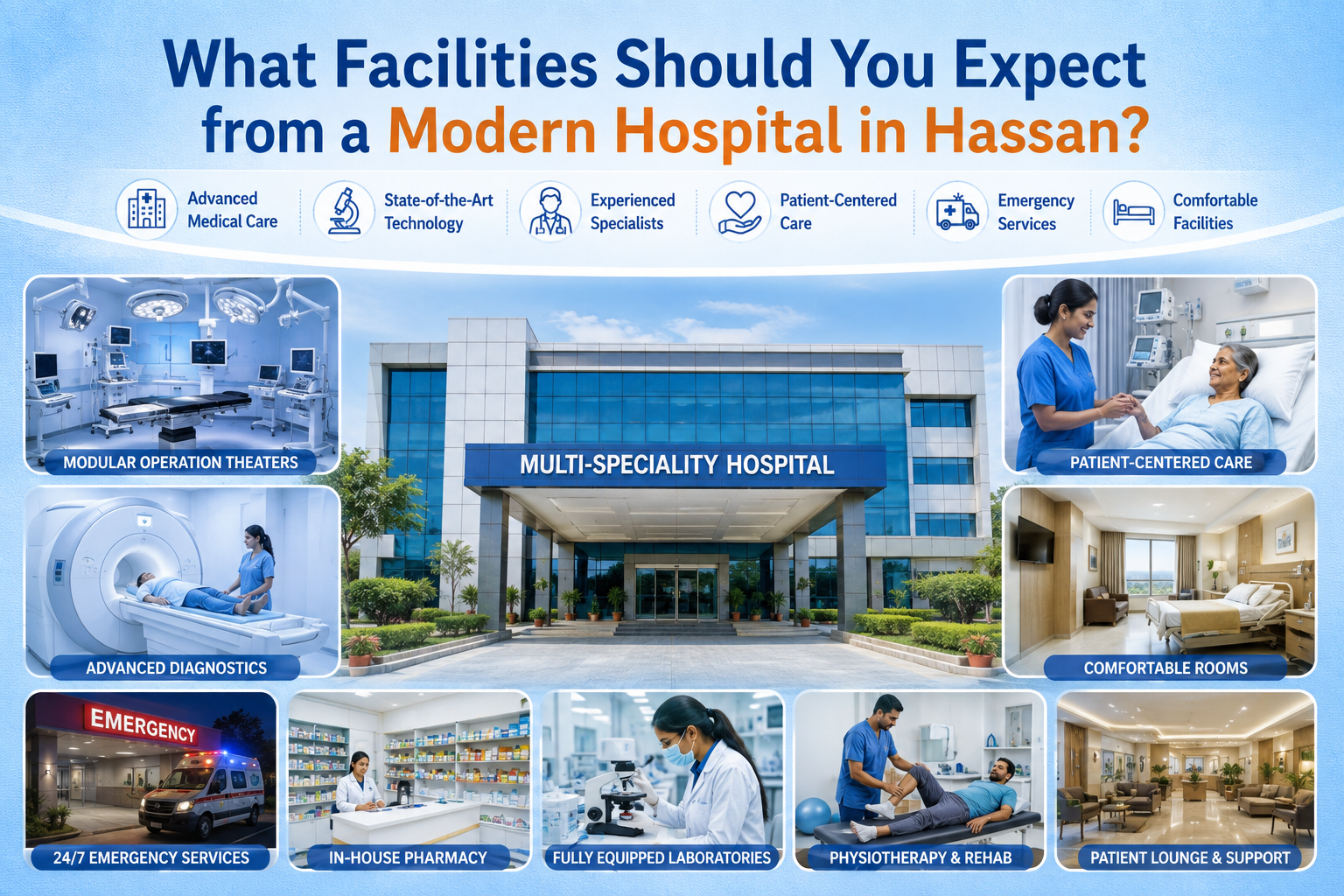
At best multispeciality hospital in Hassan, patients receive:
- Advanced orthopedic and spine care
- Experienced spine specialists
- Modern diagnostic facilities
- Minimally invasive treatment options
- Comprehensive rehabilitation support
Explore expert orthopedic services here: Orthopedic Hospital in Hassan
Karna Hospital focuses on restoring mobility, reducing pain, and improving long-term spinal health.
Conclusion
Understanding the various back pain treatment options helps patients make informed decisions about their care. While many cases improve with physiotherapy and conservative treatments, severe spinal conditions may require advanced surgical intervention.
Early diagnosis and proper treatment are essential to prevent long-term complications and restore quality of life.
At Karna Hospital, expert orthopedic and spine specialists provide advanced, patient-focused care for both non-surgical and surgical back pain management.
Contact Karna Hospital
📞 Mobile: +91 63603 22779
📍 Address: Shankar Mutt Road, KR Puram, Hassan – 573201
🌐 Website: https://karnahospital.in/
FAQ Section
What is the best treatment for back pain?
The best treatment depends on the cause and may include physiotherapy, medications, or surgery.
Can back pain be treated without surgery?
Yes, many patients improve with physiotherapy, lifestyle changes, and medications.
When is spine surgery necessary?
Surgery may be needed for severe nerve compression, slipped discs, or spinal instability.
What causes chronic back pain?
Common causes include arthritis, slipped discs, muscle strain, and poor posture.
Which doctor treats severe back pain?
Orthopedic spine specialists and neurosurgeons commonly treat severe back pain.