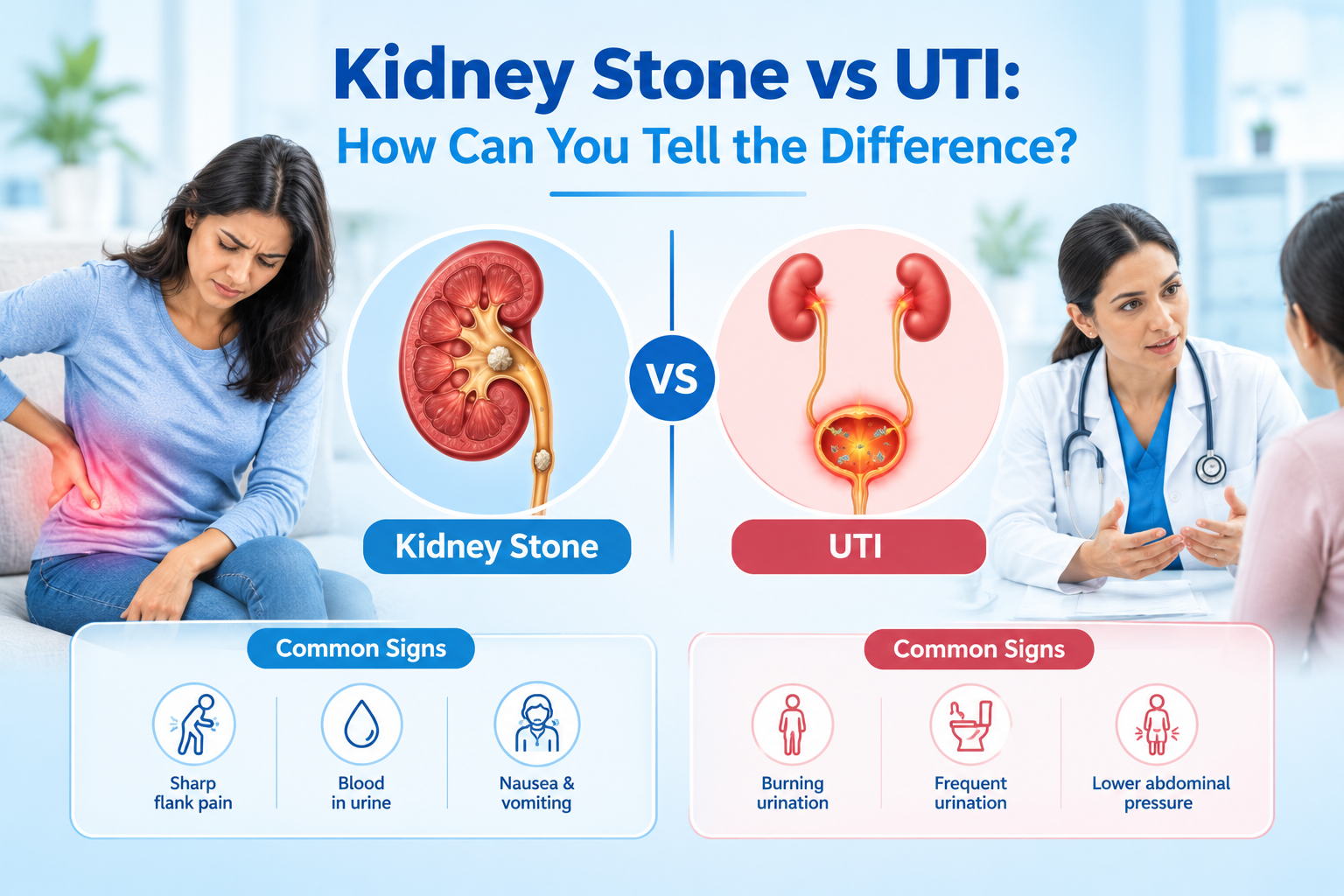
Kidney stones are a common urological condition that can cause severe pain, blood in the urine, nausea, and difficulty passing urine. While many small stones pass naturally or respond to medication, larger or obstructive stones often require advanced treatment. One of the most effective and minimally invasive options available today is Laser Kidney Stone Surgery in Hassan.
Laser kidney stone surgery uses advanced laser technology to break kidney stones into tiny fragments, allowing them to pass naturally or be removed safely. Compared to traditional surgery, laser treatment offers faster recovery, minimal pain, shorter hospital stays, and a lower risk of complications.
In this guide, we’ll explain laser kidney stone surgery, its benefits, procedure, recovery timeline, cost factors, and when you should consult a urologist. Whether you’re researching treatment options or looking for the best kidney stone treatment in Hassan, this article provides the information you need.
What Is Laser Kidney Stone Surgery?
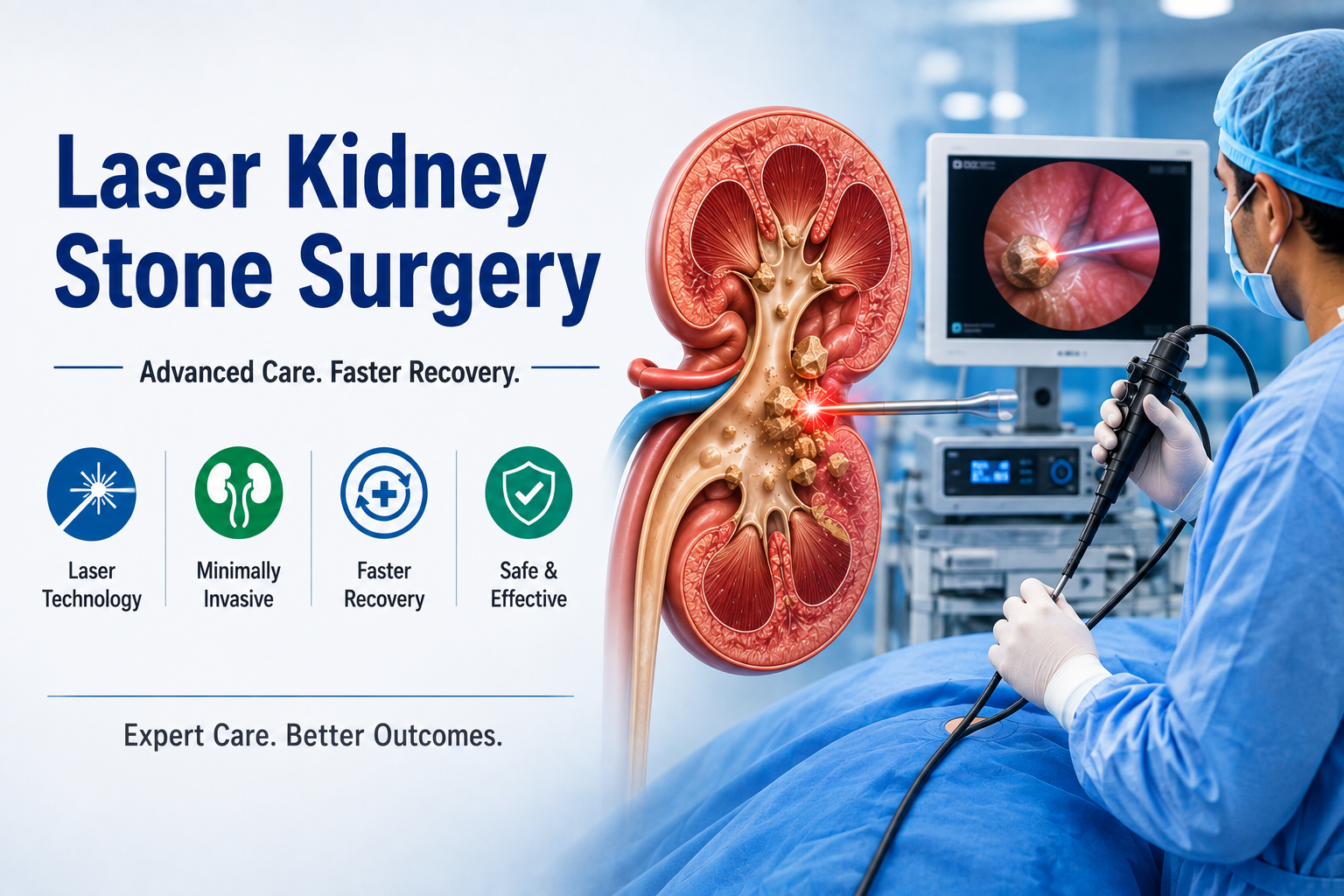
Laser kidney stone surgery is a minimally invasive procedure used to remove or break kidney stones using a high-powered laser. The procedure is commonly performed during ureteroscopy (URS), where a thin, flexible scope is passed through the urinary tract to reach the stone without making any external cuts.
The laser breaks the stone into fine dust or small fragments that can either be removed during the procedure or passed naturally through urine over the following days or weeks.
Because there are no large incisions, laser kidney stone surgery is considered one of the safest and most effective treatments for many kidney stones.
Who Needs Laser Kidney Stone Surgery?
Doctors may recommend laser kidney stone surgery in Hassan if:
- The kidney stone is too large to pass naturally.
- Medications have not helped the stone pass.
- The stone is causing severe pain.
- The stone blocks urine flow.
- There is recurrent urinary tract infection due to the stone.
- Kidney function is affected.
- The stone is located in the ureter or kidney where laser treatment is suitable.
If you have persistent symptoms, consult a specialist for kidney stone treatment in Hassan to determine the most appropriate treatment option.
How Does Laser Kidney Stone Surgery Work?
The procedure is performed under anesthesia.
Step 1: Ureteroscopy
A thin ureteroscope is gently inserted through the urethra into the bladder and ureter.
Step 2: Stone Identification
The surgeon locates the kidney stone using a miniature camera.
Step 3: Laser Lithotripsy
A specialized laser fiber is used to break the stone into tiny fragments.
Step 4: Stone Removal
Small fragments may be removed immediately, while finer particles pass naturally through urine.
Step 5: Temporary Stent (If Required)
Some patients may need a temporary ureteric stent to ensure smooth urine flow during healing.
The procedure usually takes 30–90 minutes, depending on the size and location of the stone.
Benefits of Laser Kidney Stone Surgery
Laser technology has transformed kidney stone treatment by providing a safer and more comfortable alternative to traditional surgery.
1. Minimally Invasive Procedure
No large cuts or surgical incisions are required.
2. High Success Rate
Laser lithotripsy effectively treats most kidney and ureteric stones with excellent stone clearance rates.
3. Less Pain
Patients generally experience less postoperative discomfort compared to open surgery.
4. Faster Recovery
Most patients return to their normal routine within a few days.
5. Short Hospital Stay
Many patients are discharged on the same day or within 24 hours.
6. Lower Risk of Complications
Laser treatment reduces the risk of bleeding, infection, and tissue damage.
7. Suitable for Different Stone Sizes
Laser technology can treat stones in various locations within the urinary tract.
Laser Kidney Stone Surgery vs Traditional Surgery
| Feature | Laser Kidney Stone Surgery | Traditional Open Surgery |
| Incision | No large incision | Large surgical incision |
| Hospital Stay | Usually same day or 1 day | Several days |
| Pain | Less | More |
| Recovery | Faster | Longer |
| Blood Loss | Minimal | Higher |
| Return to Daily Activities | Quicker | Slower |
| Cosmetic Results | No visible scar | Surgical scar |
For most eligible patients, laser surgery offers significant advantages over traditional open surgery.
Recovery After Laser Kidney Stone Surgery
Recovery is generally quick because the procedure is minimally invasive.
First 24 Hours
Most patients can:
- Walk within a few hours
- Drink fluids
- Return home the same day or the next day
Mild burning during urination or slight blood in the urine may occur temporarily.
First Week
Patients are advised to:
- Drink plenty of water
- Take prescribed medications
- Avoid heavy lifting
- Follow dietary recommendations
Small stone fragments may continue to pass during this period.
Two to Four Weeks
Most patients resume normal work and daily activities within one to two weeks, depending on their recovery.
Tips for Faster Recovery
To support healing after laser kidney stone surgery:
- Drink 2.5–3 liters of water daily, unless advised otherwise.
- Complete all prescribed medications.
- Avoid strenuous activities until cleared by your doctor.
- Attend follow-up appointments.
- Follow dietary advice to reduce the risk of future stones.
Learn what foods to avoid for better kidney health.
Are There Any Risks?
Laser kidney stone surgery is considered safe, but like any medical procedure, it carries some risks.
Possible complications include:
- Temporary blood in urine
- Mild pain during urination
- Urinary tract infection
- Temporary ureteric stent discomfort
- Rare injury to the urinary tract
- Residual stone fragments requiring additional treatment
Your urologist will discuss these risks before the procedure.
Can Kidney Stones Be Treated Without Surgery?
Yes. Small kidney stones may pass naturally with hydration, medications, and medical supervision.
Some patients may benefit from medicines that help pass stones or dissolve specific stone types. Read: Best Medicine to Dissolve Kidney Stones.
Preventing Kidney Stone Recurrence
Even after successful treatment, kidney stones can recur if preventive measures are not followed.
Prevention Tips
- Stay well hydrated.
- Reduce salt intake.
- Limit excessive animal protein.
- Maintain a healthy weight.
- Follow your doctor’s dietary recommendations.
- Undergo periodic health check-ups if you have recurrent stones.
Understanding the kidney stone size chart and treatment options can also help you recognize when medical attention is needed.
Why Choose Karna Hospital for Laser Kidney Stone Surgery in Hassan?
Choosing an experienced urology center is essential for safe and effective treatment.
At Karna Hospital, patients receive advanced care from experienced urologists using modern laser technology for kidney stone removal.
Why Patients Choose Karna Hospital
- Experienced urologists
- Advanced laser lithotripsy equipment
- Minimally invasive treatment options
- Personalized treatment plans
- Comprehensive diagnostic facilities
- Faster recovery protocols
- Dedicated postoperative care
If you’re looking for a trusted urology hospital in Hassan, Karna Hospital offers comprehensive kidney stone diagnosis and treatment under one roof.
For complete healthcare services, explore the best multispeciality hospital in Hassan.
Conclusion
Laser Kidney Stone Surgery in Hassan is a highly effective, minimally invasive treatment for patients with kidney stones that cannot pass naturally. Compared to traditional surgery, laser lithotripsy offers smaller or no incisions, faster recovery, less pain, shorter hospital stays, and excellent success rates.
If you’re experiencing severe pain, recurrent kidney stones, or urinary obstruction, don’t delay treatment. Consulting an experienced urologist can help determine whether laser kidney stone surgery is the right option for you and prevent long-term complications.
With advanced technology and expert care, patients can return to their normal lives quickly while reducing the risk of future kidney stone problems.
Frequently Asked Questions (FAQ)
Is laser kidney stone surgery painful?
No. The procedure is performed under anesthesia, and most patients experience only mild discomfort during recovery.
How long does laser kidney stone surgery take?
Most procedures take 30–90 minutes, depending on the size and location of the stone.
How long is the recovery after laser kidney stone surgery?
Most patients resume normal daily activities within one to two weeks, although complete recovery varies from person to person.
Is laser surgery better than open surgery for kidney stones?
For eligible patients, laser surgery is generally preferred because it is minimally invasive, causes less pain, and allows for faster recovery.
Which hospital offers laser kidney stone surgery in Hassan?
Choose a hospital with experienced urologists, advanced laser equipment, comprehensive diagnostics, and postoperative care, such as Karna Hospital.