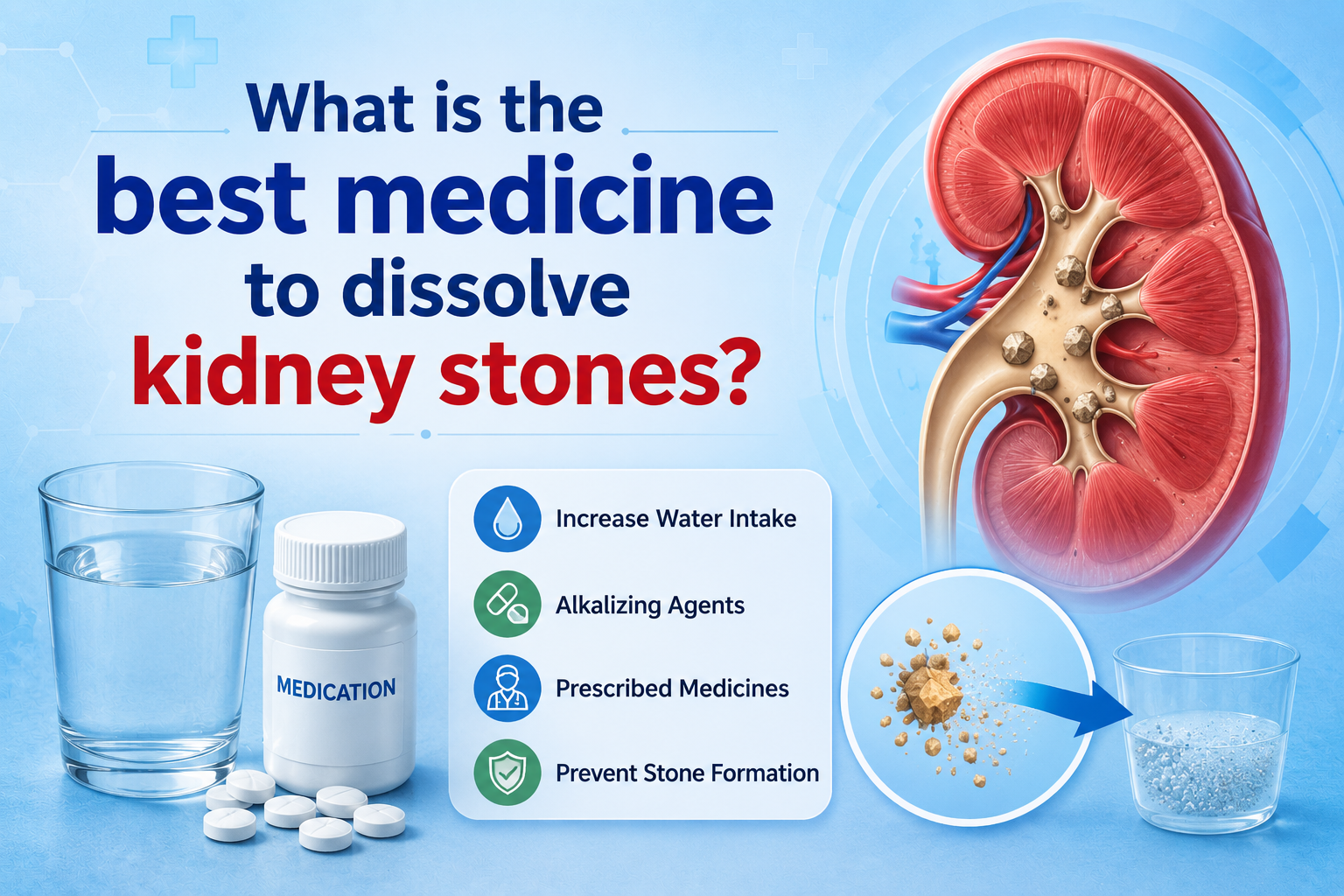
Kidney stones are one of the most common urological conditions, affecting millions of people worldwide. They can cause severe pain, nausea, difficulty urinating, and even urinary tract infections if left untreated. Naturally, one of the first questions patients ask is, “What is the best medicine to dissolve kidney stones?”
The answer depends on the type, size, and location of the kidney stone. While some kidney stones can be dissolved or passed with medications, others require minimally invasive procedures or surgery. Understanding the right treatment approach is essential for preventing complications and protecting kidney health.
In this guide, you’ll learn about the best medicine to dissolve kidney stones, how different medications work, which stones respond to medical treatment, and when surgical intervention may be necessary.
Can Kidney Stones Be Dissolved with Medicine?
One of the biggest misconceptions is that all kidney stones can be dissolved with medicine. In reality, the effectiveness of medication depends on the composition of the stone.
Uric acid stones are the only common type that can often be dissolved with medications that alkalize the urine. However, calcium oxalate stones, which account for nearly 70–80% of kidney stones, cannot usually be dissolved with medicines. Instead, treatment focuses on relieving symptoms, helping the stone pass naturally, or removing it through minimally invasive procedures if needed.
Therefore, identifying the type of kidney stone through appropriate investigations is the first step before deciding on treatment.
Types of Kidney Stones and Their Treatment
Different kidney stones require different treatment strategies.
| Type of Kidney Stone | Can Medicine Dissolve It? | Common Treatment |
| Uric Acid Stones | ✅ Yes | Urine alkalizing medicines, hydration |
| Calcium Oxalate Stones | ❌ No | Pain management, hydration, medical procedures if required |
| Calcium Phosphate Stones | ❌ No | Medical management and prevention |
| Struvite Stones | ❌ No | Antibiotics and stone removal |
| Cystine Stones | Partially | Specialized medications and long-term management |
Your urologist may recommend additional tests to determine the exact type of stone before starting treatment.
Learn more about the kidney stone size chart and treatment options.
Best Medicine to Dissolve Kidney Stones
The best medicine to dissolve kidney stones depends on the underlying cause and stone type. Medications should only be taken under the guidance of a qualified doctor.
1. Potassium Citrate
Potassium citrate is commonly prescribed for uric acid kidney stones. It helps make the urine less acidic, allowing uric acid stones to gradually dissolve over time.
It may also help reduce the formation of certain types of calcium stones in some patients.
2. Sodium Bicarbonate
In selected cases, sodium bicarbonate may also be used to increase urine pH and support the dissolution of uric acid stones.
3. Alpha-Blockers
Medicines such as alpha-blockers help relax the muscles in the urinary tract, making it easier for small kidney stones to pass naturally.
These medicines do not dissolve stones, but they can reduce pain and increase the likelihood of spontaneous stone passage.
4. Pain Relief Medicines
Kidney stones often cause intense pain. Doctors may prescribe pain-relieving medications to improve comfort while waiting for the stone to pass.
Pain medicines treat symptoms but do not remove or dissolve the stone.
5. Antibiotics
If a kidney stone causes a urinary tract infection, antibiotics may be required along with stone treatment.
How Long Does It Take for Medicine to Dissolve Kidney Stones?
The time required depends on:
- Stone type
- Stone size
- Location
- Urine pH
- Patient’s overall health
Small uric acid stones may gradually dissolve over several weeks or months with appropriate medication and regular monitoring.
Other stone types usually require different treatment approaches because they do not dissolve with medicine.
When Medicine Is Not Enough
Although medications help many patients, they are not suitable for everyone.
Doctors may recommend advanced treatment if:
- The stone is too large to pass naturally.
- Pain becomes severe.
- Urine flow is blocked.
- Kidney function is affected.
- Recurrent infections develop.
- Symptoms continue despite medication.
Early treatment helps prevent permanent kidney damage. Read more about kidney stone treatment in Hassan.
Non-Surgical Kidney Stone Treatment Options
Many kidney stones can be treated without open surgery.
Medical Expulsive Therapy
Doctors prescribe medications to help small stones pass naturally.
Shock Wave Lithotripsy (ESWL)
High-energy sound waves break stones into smaller fragments that can be passed through urine.
This is commonly used for appropriately sized kidney stones.
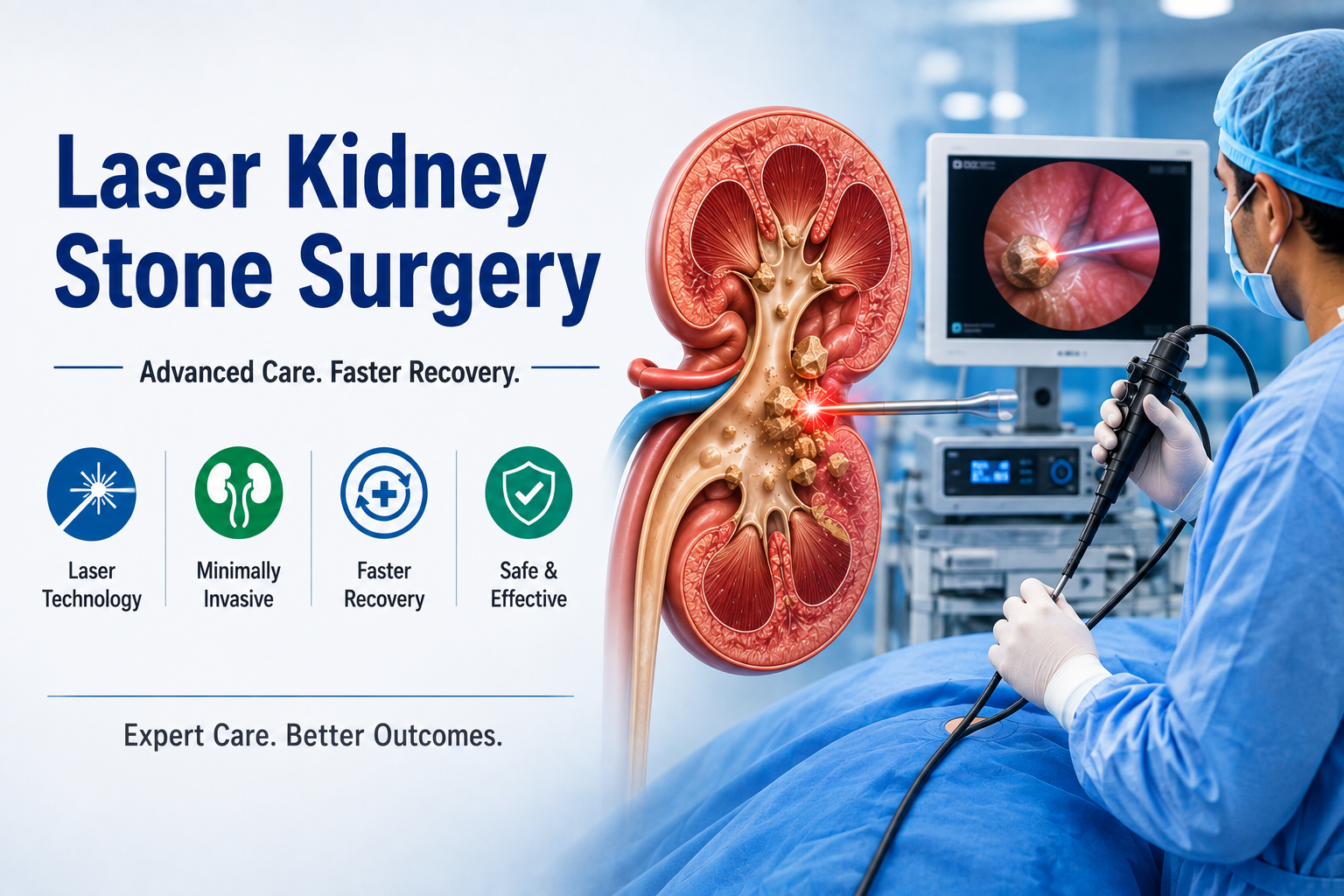
Ureteroscopy (URS)
A thin scope is inserted through the urinary tract to remove or break kidney stones using laser technology.
Percutaneous Nephrolithotomy (PCNL)
Larger or complex kidney stones may require this minimally invasive procedure.
Despite requiring a small incision, recovery is generally quicker than traditional open surgery.
Home Care Tips While Taking Kidney Stone Medicine
Following your doctor’s advice improves treatment outcomes.
Drink Plenty of Water
Adequate hydration helps flush the urinary system.
Reduce Salt Intake
Excess sodium increases calcium excretion and raises the risk of stone formation.
Follow Dietary Recommendations
Avoid foods that may contribute to stone formation. Read our guide on foods that cause kidney stones
Take Medicines Exactly as Prescribed
Never stop medications without consulting your doctor.
Attend Follow-Up Visits
Regular imaging helps determine whether the stone has dissolved or passed.
Can Kidney Stones Be Prevented?
Yes. Lifestyle changes significantly reduce recurrence.
Prevention Tips
- Drink 2.5–3 liters of water daily (unless otherwise advised)
- Reduce salt intake
- Limit foods high in oxalates if recommended
- Maintain a healthy body weight
- Exercise regularly
- Avoid dehydration
Preventive strategies depend on the type of kidney stone.
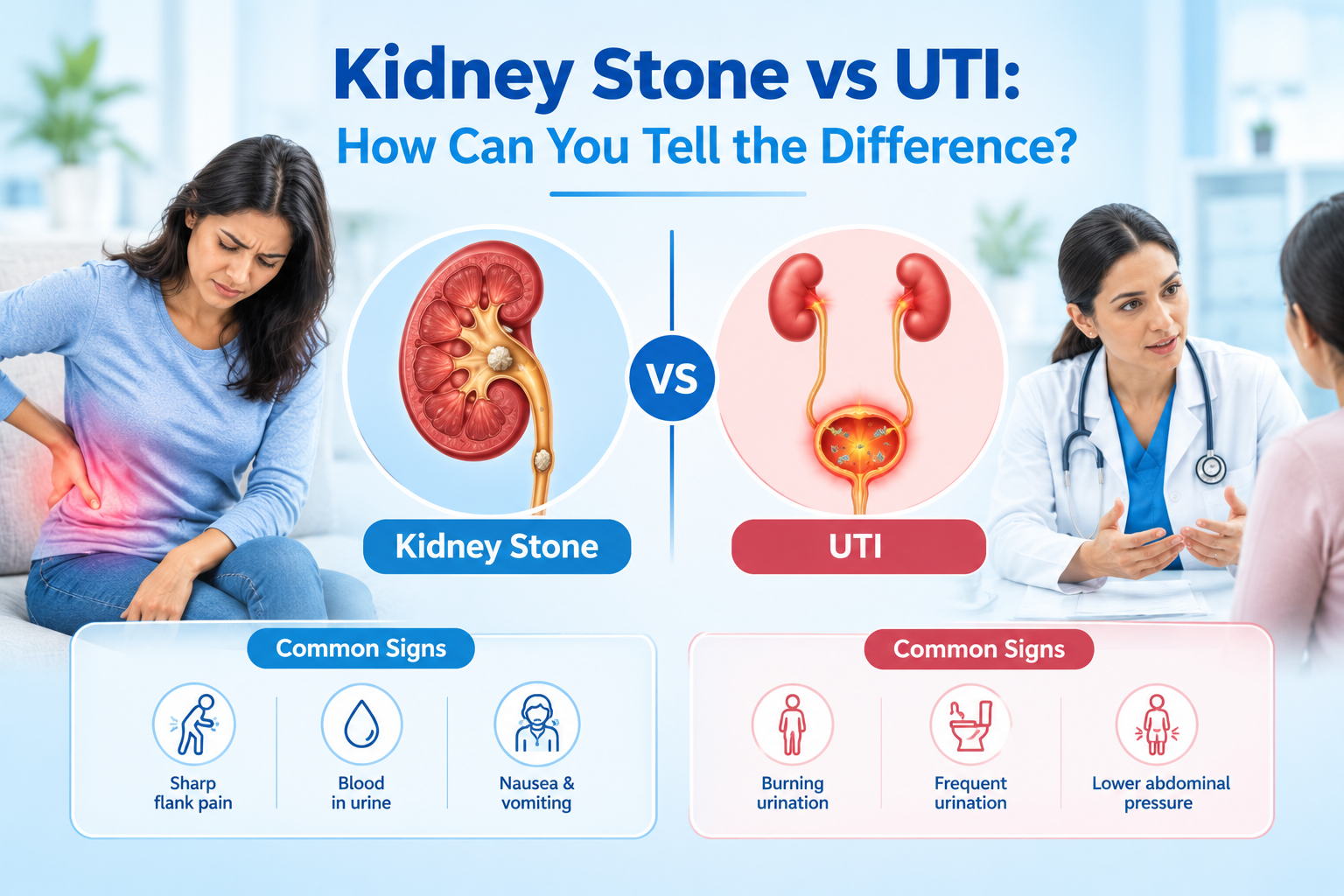
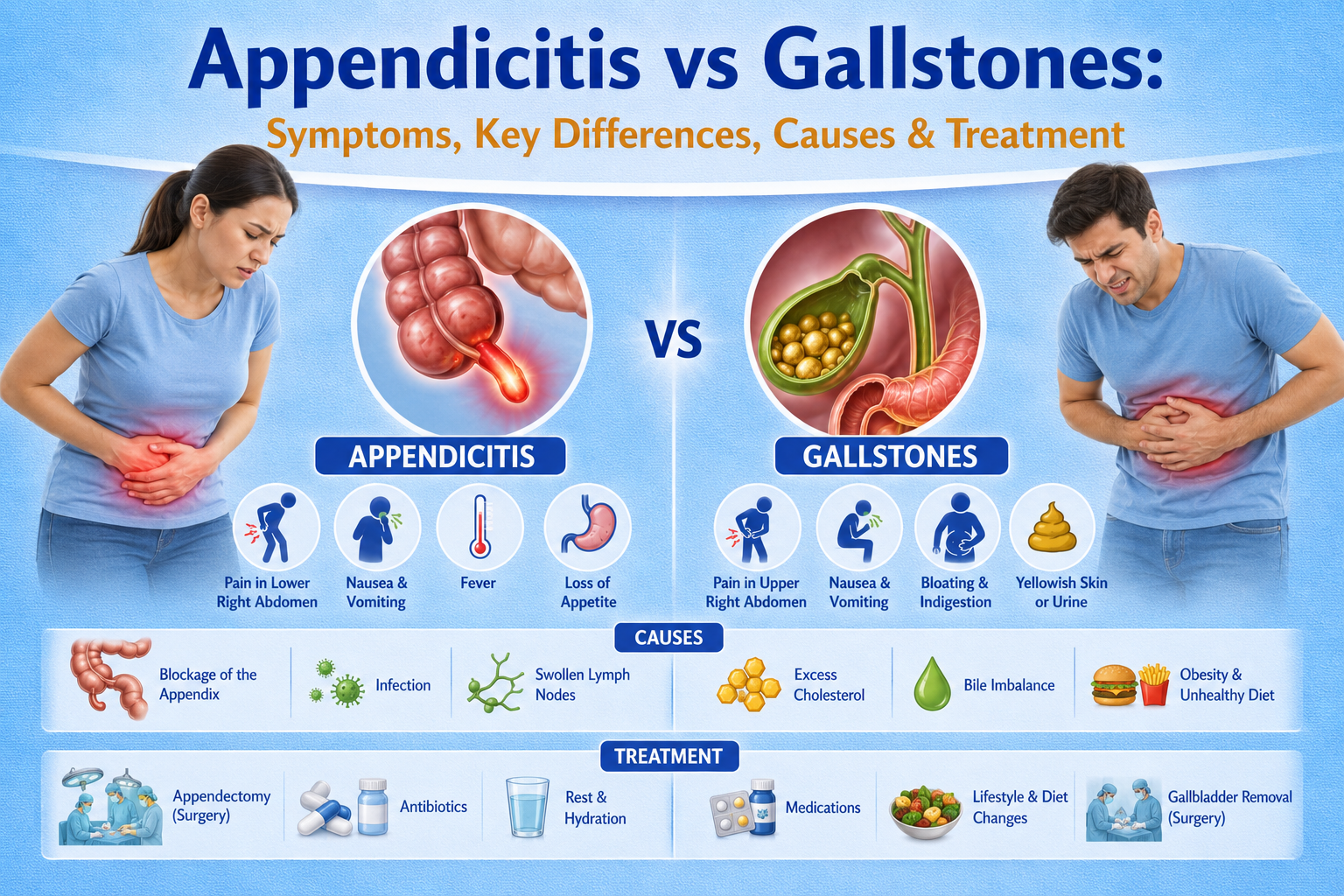
Kidney Stones vs Gallstones: What’s the Difference?
Although both conditions involve “stones,” they affect different organs and require different treatments.
Kidney stones develop in the urinary tract, while gallstones form in the gallbladder.
Learn the difference between gallstones and kidney stones.
When Should You Visit a Urologist?
Seek medical attention if you experience:
- Severe back or side pain
- Blood in urine
- Fever with urinary symptoms
- Difficulty passing urine
- Persistent nausea or vomiting
- Recurrent kidney stones
Prompt treatment can prevent complications and preserve kidney function.
For expert diagnosis and advanced care, consult specialists at the urology hospital in Hassan.
Why Choose Karna Hospital for Kidney Stone Treatment?
At the best multispeciality hospital in Hassan, patients receive comprehensive diagnosis and treatment for kidney stones using advanced urology services.
Why Patients Choose Karna Hospital
- Experienced urologists
- Advanced diagnostic imaging
- Modern minimally invasive stone removal techniques
- Personalized treatment plans
- Comprehensive follow-up care
- Patient-centered approach
Whether you require medication, lithotripsy, ureteroscopy, or advanced surgical care, the hospital offers treatment tailored to your individual needs.
Conclusion
Finding the best medicine to dissolve kidney stones depends on the type of kidney stone you have. While uric acid stones can often be dissolved with medications such as potassium citrate, most other kidney stones require different treatment strategies, including hydration, pain management, minimally invasive procedures, or surgery.
Early diagnosis, accurate stone analysis, and personalized treatment are essential for successful outcomes. If you experience symptoms such as severe pain, blood in the urine, or difficulty passing urine, consult a qualified urologist without delay.
With expert medical care and healthy lifestyle changes, most kidney stones can be effectively treated while reducing the risk of recurrence.
Frequently Asked Questions (FAQ)
What is the best medicine to dissolve kidney stones?
Medicines such as potassium citrate are commonly prescribed to dissolve uric acid kidney stones. The appropriate medication depends on the type of stone and should be prescribed by a doctor.
Can all kidney stones be dissolved with medicine?
No. Only certain types, such as uric acid stones, can usually be dissolved with medication. Calcium-based stones generally cannot.
How long does kidney stone medicine take to work?
It varies depending on the stone type, size, and response to treatment. Some stones may dissolve over weeks to months.
Do all kidney stones require surgery?
No. Many small stones pass naturally or can be managed with medication. Larger or obstructive stones may require minimally invasive procedures.
When should I see a urologist for kidney stones?
Consult a urologist if you experience severe pain, blood in the urine, fever, recurrent stones, or difficulty passing urine.