Kidney stones are a painful urological condition that can affect people of all age groups. One of the most important factors doctors consider while planning treatment is the size of the kidney stone. Small stones may pass naturally, while larger stones often require medical procedures or surgery.
Understanding a kidney stone size chart helps patients know when lifestyle changes, medications, or advanced treatments such as laser surgery may be needed.
This guide explains kidney stone sizes, symptoms, treatment options, and when to seek medical care.
What Are Kidney Stones?
Kidney stones are hard deposits made of minerals and salts that form inside the kidneys. They develop when urine becomes concentrated, allowing minerals to crystallize and stick together.
Common Causes of Kidney Stones
- Dehydration
- High salt intake
- Excess oxalate-rich foods
- Obesity
- Urinary tract infections
- Family history of stones
Read more: Foods That Cause Kidney Stones
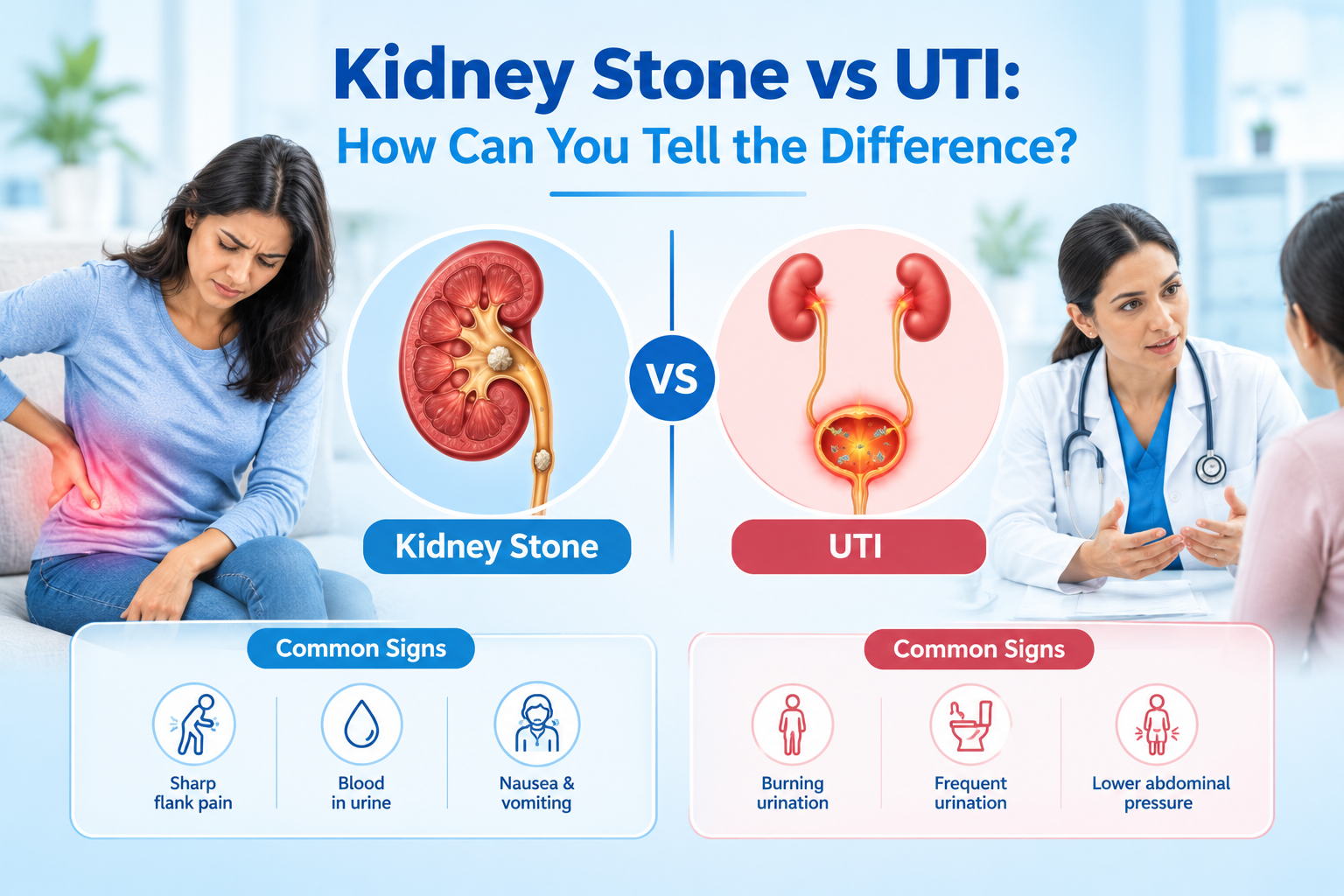
Kidney Stone Symptoms
Symptoms often depend on the size and location of the stone.
Common Symptoms
- Severe pain in the back or side
- Burning urination
- Blood in urine
- Frequent urge to urinate
- Nausea and vomiting
Fever or inability to urinate may indicate a medical emergency.
Kidney Stone Size Chart
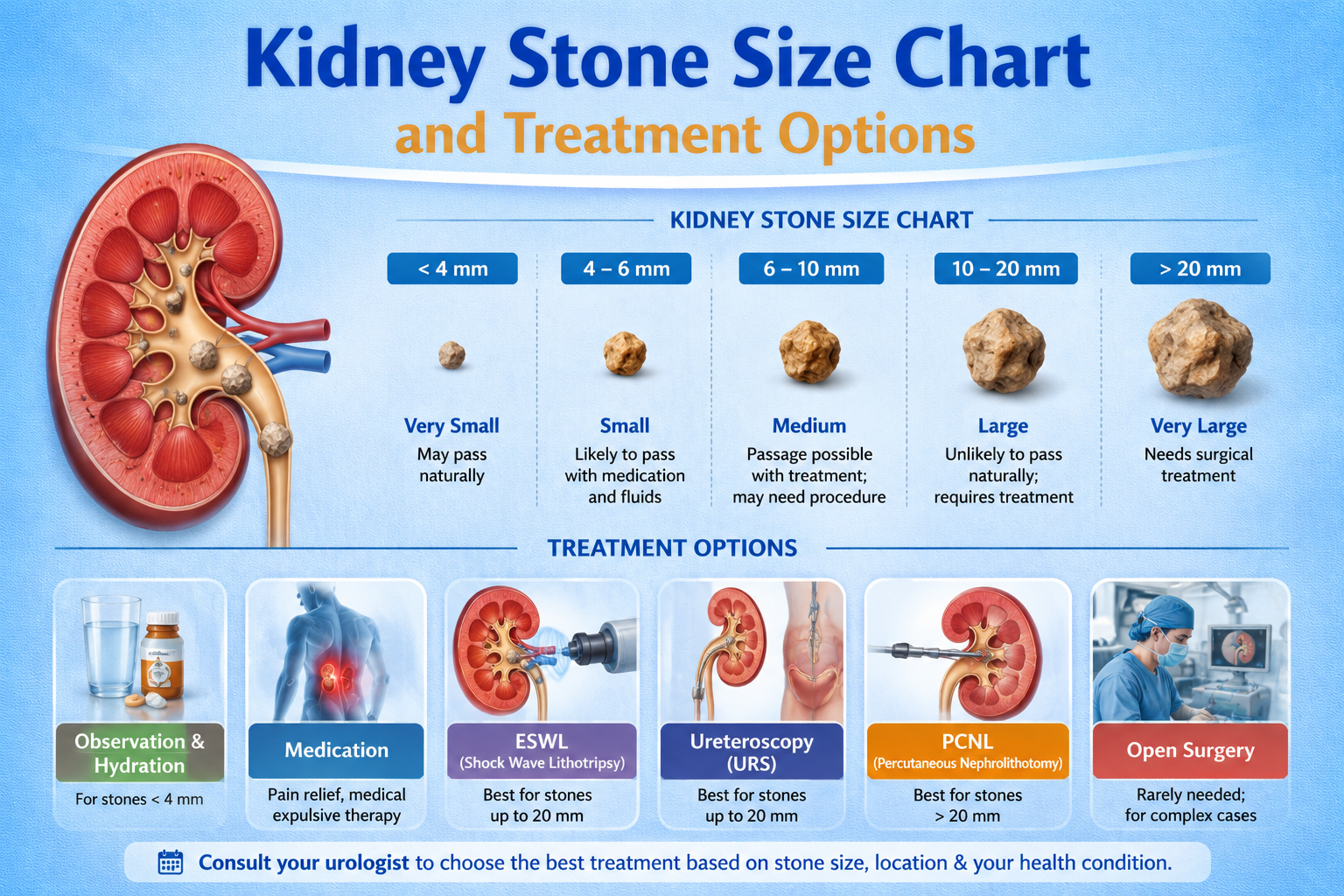
The size of a kidney stone is usually measured in millimeters (mm). Treatment depends heavily on the stone size.
| Kidney Stone Size | Size Description | Chances of Passing Naturally | Recommended Treatment |
| 1–3 mm | Very small | Very high | Hydration, medication |
| 4 mm | Small | High | Conservative treatment |
| 5–6 mm | Moderate | Moderate | Observation or medical therapy |
| 7–9 mm | Large | Low | Laser treatment may be needed |
| 10 mm or larger | Very large | Very low | Surgery or advanced procedures |
Can Small Kidney Stones Pass Naturally?
Yes, many small kidney stones can pass naturally through urine.
Stones That Usually Pass Naturally
- Stones smaller than 4 mm
- Some stones up to 5 mm
Helpful Measures
- Drink plenty of water
- Take prescribed medications
- Stay physically active
However, severe pain or blockage still requires medical attention.
When Does a Kidney Stone Need Treatment?
Not all kidney stones require surgery.
Treatment Is Needed If:
- Pain becomes severe
- Urine flow is blocked
- Infection develops
- Stones are too large to pass naturally
- Kidney function is affected
Learn more about symptoms and advanced care:Kidney Stone Treatment in Hassan
Kidney Stone Treatment Options
Treatment depends on:
- Stone size
- Location
- Symptoms
- Patient’s overall health
1. Conservative (Non-Surgical) Treatment
Small stones are often treated without surgery.
Common Approaches
- Increased fluid intake
- Pain medications
- Medicines that relax urinary tract muscles
Advantages
- No surgery required
- Lower treatment cost
- Natural stone passage
2. Laser Treatment for Kidney Stones
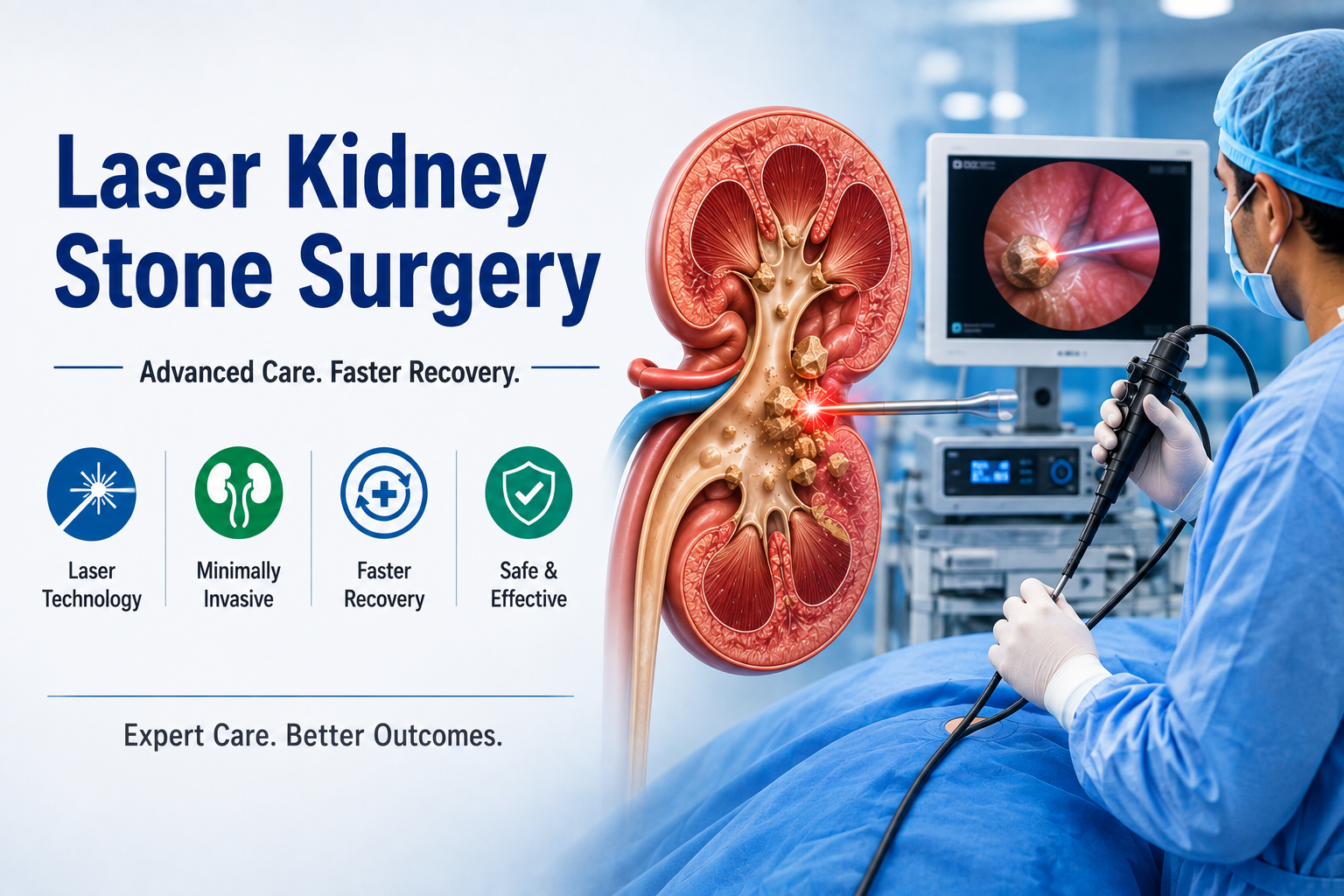
Laser treatment is one of the most advanced and commonly used methods today.
What Is Laser Lithotripsy?
A thin scope is inserted through the urinary tract, and laser energy breaks the stone into tiny fragments.
Benefits
- Minimally invasive
- Faster recovery
- Less pain
- Short hospital stay
Related article: Kidney Stone Treatment: Laser Surgery vs. Open Surgery
Laser surgery is commonly recommended for stones above 6–7 mm.
3. Shock Wave Lithotripsy (ESWL)
Shock waves are used externally to break stones into smaller pieces.
Best Suited For
- Medium-sized stones
- Stones located in the kidney or upper ureter
4. PCNL (Percutaneous Nephrolithotomy)
PCNL is used for very large kidney stones.
Procedure
A small incision is made in the back to directly remove large stones.
Recommended For
- Stones larger than 10 mm
- Complex or multiple stones
5. Open Surgery (Rarely Needed)
Open surgery is uncommon today and usually reserved for complex cases.
Kidney Stone Size and Pain: Is Bigger Always More Painful?
Not necessarily.
Sometimes:
- Small stones can cause severe pain if they block urine flow
- Large stones may remain silent for a long time
Pain depends more on:
- Stone location
- Obstruction
- Infection
How Long Does It Take to Pass a Kidney Stone?
Passing time varies depending on size.
| Stone Size | Approximate Passing Time |
| Less than 4 mm | Few days to weeks |
| 5–6 mm | Several weeks |
| Larger than 6 mm | May not pass naturally |
How to Prevent Kidney Stones
Preventing recurrence is very important.
Prevention Tips
- Drink 2.5–3 liters of water daily
- Reduce salt intake
- Limit processed foods
- Maintain healthy body weight
- Follow dietary guidance
Also read: Gallstones vs Kidney Stones
When Should You See a Urologist?
Consult a urologist immediately if:
- Pain becomes unbearable
- Blood appears in urine
- Fever develops
- Stone does not pass naturally
- Recurrent stones occur frequently
Early treatment prevents complications such as kidney damage and infections.
Choosing the Right Hospital for Kidney Stone Treatment
Advanced treatment facilities improve outcomes and recovery.
Look for:
- Experienced urologists
- Advanced laser technology
- Minimally invasive surgery expertise
- Modern diagnostic imaging
- Emergency care support
Why Choose Karna Hospital for Kidney Stone Treatment?
At best multispeciality hospital in Hassan, patients receive:
- Advanced urology care
- Expert kidney stone specialists
- Modern laser treatment facilities
- Minimally invasive surgery options
- Personalized treatment plans
The hospital focuses on faster recovery, reduced pain, and comprehensive kidney stone management.
Conclusion
Understanding the kidney stone size chart helps patients make informed decisions about treatment. While small stones often pass naturally, larger stones may require advanced procedures such as laser surgery or PCNL.
Early diagnosis and timely treatment prevent complications and improve recovery outcomes. If you experience severe pain, urinary symptoms, or recurrent kidney stones, consulting a specialist is essential.
At Karna Hospital, advanced urology care and experienced specialists ensure safe and effective treatment for all types of kidney stones.
Contact Karna Hospital
📞 Mobile: +91 63603 22779
📍 Address: Shankar Mutt Road, KR Puram, Hassan – 573201
🌐 Website: https://karnahospital.in/
FAQ Section
What size kidney stone is dangerous?
Kidney stones larger than 6–7 mm are more likely to require medical treatment or surgery.
Can a 4 mm kidney stone pass naturally?
Yes, many 4 mm stones pass naturally with hydration and medications.
When is surgery needed for kidney stones?
Surgery may be needed when stones are large, painful, blocked, or causing infection.
Which kidney stone size requires laser treatment?
Stones above 6 mm often require laser treatment if they do not pass naturally.
How are kidney stones treated based on size?
Small stones may need medication, while larger stones often require laser or surgical procedures.