Sinusitis is a common condition that affects millions of people, causing discomfort, breathing difficulties, and reduced quality of life. While many cases resolve with medications and home care, some patients develop chronic or severe sinus issues that require advanced treatment.
Understanding sinusitis symptoms, causes, and when endoscopic sinus surgery is needed can help you seek timely care and avoid long-term complications.
What Is Sinusitis?
Sinusitis refers to the inflammation of the sinuses—air-filled cavities located around the nose, cheeks, and forehead. When these sinuses become blocked due to infection, allergies, or structural issues, mucus builds up, leading to infection and discomfort.
Sinusitis can be classified into:
- Acute Sinusitis: Lasts up to 4 weeks
- Subacute Sinusitis: Lasts 4–12 weeks
- Chronic Sinusitis: Persists for more than 12 weeks
- Recurrent Sinusitis: Multiple episodes within a year
Chronic sinusitis often requires specialized evaluation by an ENT specialist and may lead to surgical intervention if not treated effectively.
Common Symptoms of Sinusitis
Recognizing sinusitis symptoms early helps prevent complications.
Typical Symptoms
- Nasal congestion or blockage
- Thick nasal discharge
- Facial pain or pressure
- Headache
- Reduced sense of smell
- Post-nasal drip
- Fatigue
Severe Symptoms
- Persistent fever
- Swelling around the eyes
- Severe headache
- Difficulty breathing
If symptoms persist beyond 10 days or keep recurring, medical attention is necessary.
Causes of Sinusitis
Sinusitis may develop due to:
Infections
Bacterial, viral, or fungal infections can inflame the sinuses.
Allergies
Allergic reactions cause swelling and blockage.
Nasal Polyps
Growths inside the nose that obstruct drainage.
Deviated Septum
Structural abnormality affecting airflow.
Weak Immunity
Increases susceptibility to infections.
When Is Sinus Surgery Required?
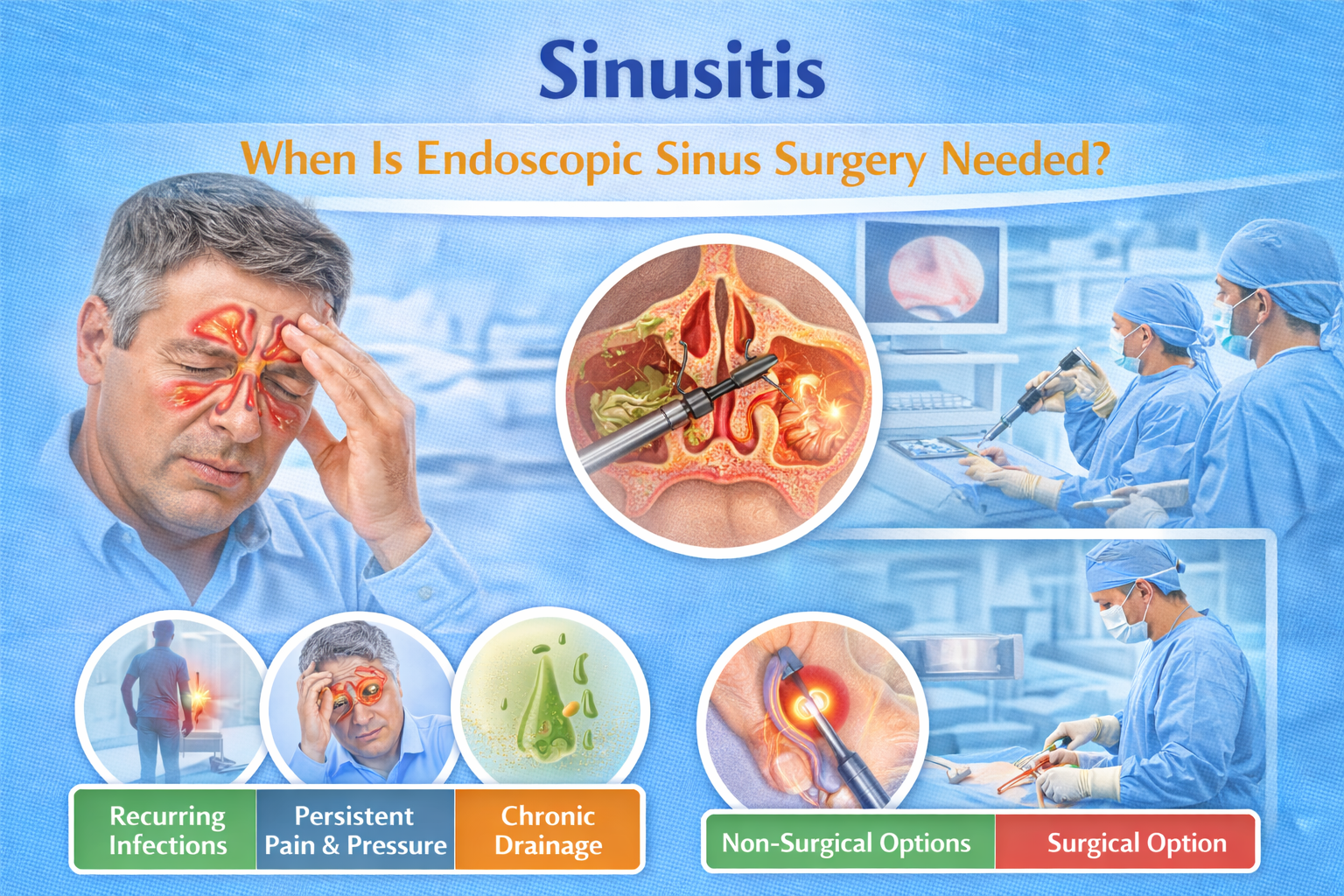
Most sinus infections improve with medication, but endoscopic sinus surgery is needed in specific situations.
1. Chronic Sinusitis
Symptoms lasting more than 12 weeks despite treatment.
2. Recurrent Sinus Infections
Frequent episodes that keep returning.
3. Nasal Blockage
Due to polyps or structural issues.
4. Complications
Spread of infection to nearby areas.
5. Poor Response to Medication
When conservative treatment fails.
What Is Endoscopic Sinus Surgery?
Endoscopic sinus surgery, also known as Functional Endoscopic Sinus Surgery (FESS), is a minimally invasive procedure.
How It Works
A small camera (endoscope) is inserted through the nostrils to remove blockages and restore sinus drainage.
Key Advantage
No external cuts or visible scars.
This approach is similar to other advanced procedures like laparoscopic cholecystectomy, which also focus on precision and faster recovery.
Benefits of Endoscopic Sinus Surgery
- Minimally invasive
- Less pain
- Faster recovery
- Short hospital stay
- Improved breathing
- Long-term relief
Modern surgeries are performed in modular OT setups, ensuring high precision, safety, and infection control.
What to Expect Before Surgery
Patients undergo detailed evaluation:
- ENT consultation
- Nasal endoscopy
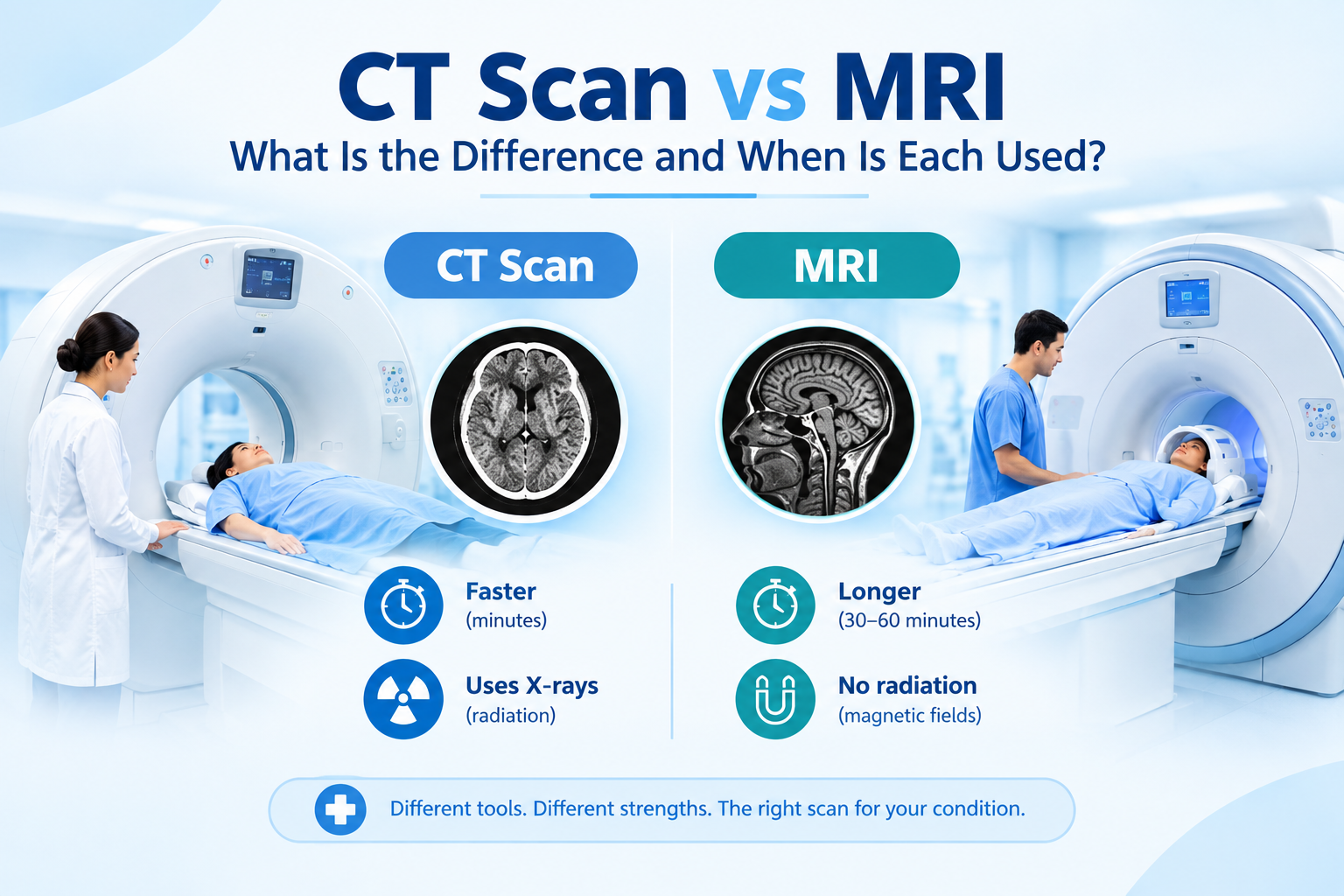
- CT scan
- Blood tests
An experienced ENT specialist in Hassan will guide you through the procedure and preparation.
Recovery After Sinus Surgery
Immediate Recovery
- Mild discomfort
- Nasal congestion
- Slight bleeding
Full Recovery
- Resume daily activities in 1–2 weeks
- Complete healing in a few weeks
Post-Surgery Care
- Avoid heavy activities
- Follow medication guidelines
- Maintain nasal hygiene
Most patients experience significant improvement in breathing and quality of life.
Risks and Complications
Although safe, potential risks include:
- Infection
- Bleeding
- Recurrence of symptoms
- Rare complications
Choosing a well-equipped hospital and experienced specialist reduces these risks significantly.
Non-Surgical Treatment Options
Before surgery, doctors recommend:
- Antibiotics
- Nasal sprays
- Antihistamines
- Steam inhalation
- Saline rinses
These are effective for mild to moderate sinusitis.
Related Health Considerations
Sinus-related symptoms may overlap with other conditions. Persistent headaches, for example, may require evaluation for neurological issues, as discussed in brain tumor warning signs.
Similarly, chronic pain conditions in nearby regions may need broader evaluation, similar to slipped disc treatment and spine surgery.
Accurate diagnosis ensures appropriate and timely treatment.
When Should You See an ENT Specialist?
Consult a specialist if you experience:
- Symptoms lasting more than 10–14 days
- Frequent sinus infections
- Severe facial pain
- Breathing difficulty
- Reduced smell
Early consultation with an ENT specialist ensures proper diagnosis and effective treatment.
Preventing Sinusitis
Preventive Measures
- Avoid allergens and pollution
- Maintain nasal hygiene
- Stay hydrated
- Use humidifiers
- Treat colds early
Simple lifestyle changes can reduce the risk of sinus infections.
Conclusion
Sinusitis can significantly impact daily life if not treated properly. While medications are effective in most cases, chronic or severe sinusitis may require endoscopic sinus surgery for lasting relief.
With modern minimally invasive techniques, surgery has become safer, more precise, and associated with faster recovery.
At Karna Hospital, advanced ENT procedures are performed using modern technology and state-of-the-art modular OT setups, ensuring the highest standards of patient care.
Contact Karna Hospital
For consultation or emergency support:
📞 Mobile: +91 63603 22779
📍 Address: Shankar Mutt Road, KR Puram, Hassan – 573201
🌐 Website: https://karnahospital.in/