
Back pain is one of the most common health issues affecting people across all age groups. While occasional discomfort is normal, pain that lasts for weeks or months can become a serious concern. This is known as chronic back pain, and it can significantly impact your daily life, mobility, and overall well-being.
Understanding chronic back pain causes, symptoms, and treatment options is essential for early diagnosis and effective management.
What Is Chronic Back Pain?
Chronic back pain is defined as pain that persists for more than 12 weeks, even after initial injury or underlying causes have been treated. It can range from mild discomfort to severe, disabling pain.
Unlike acute back pain, which resolves quickly, chronic pain often requires long-term management and medical attention.
Chronic Back Pain Symptoms
Recognizing chronic back pain symptoms early can help prevent complications.
Common Symptoms
- Persistent pain in the lower or upper back
- Stiffness and reduced flexibility
- Muscle tightness or spasms
- Pain that worsens with activity or prolonged sitting
Advanced Symptoms
- Radiating pain to legs or arms
- Numbness or tingling sensation
- Weakness in limbs
- Difficulty standing or walking
If you experience nerve-related symptoms, it may indicate spinal conditions like a slipped disc.
Learn more about this condition here:
Slipped Disc Treatment: When Is Spine Surgery Required?
What Causes Chronic Back Pain?
There are multiple chronic back pain causes, ranging from lifestyle factors to medical conditions.
1. Muscle or Ligament Strain
Repeated heavy lifting or sudden awkward movements can strain back muscles and ligaments.
2. Degenerative Disc Disease
With age, spinal discs lose hydration and flexibility, leading to chronic pain.
3. Herniated (Slipped) Disc
A disc bulge can press on nearby nerves, causing pain and neurological symptoms.
4. Spinal Stenosis
Narrowing of the spinal canal puts pressure on nerves.
5. Arthritis
Osteoarthritis can affect the lower back and lead to chronic discomfort.
6. Poor Posture
Sitting for long hours with improper posture can strain the spine.
7. Obesity
Excess weight puts additional pressure on the spine.
8. Injuries or Trauma
Accidents or falls can lead to long-term back pain.
Risk Factors for Chronic Back Pain
Certain factors increase the likelihood of developing chronic back pain:
- Sedentary lifestyle
- Lack of exercise
- Smoking
- Stress and mental health issues
- Aging
Managing these risk factors can help prevent long-term complications.
When Is Chronic Back Pain Serious?
Many people ask: “When should I see a doctor for back pain?”
Seek medical attention if you experience:
- Pain lasting more than 6–8 weeks
- Severe or worsening pain
- Numbness or weakness
- Difficulty walking
- Loss of bladder or bowel control
These may indicate serious spinal conditions requiring immediate care.
Diagnosis of Chronic Back Pain
Accurate diagnosis is essential for effective treatment.
Diagnostic Methods
- Physical examination
- X-rays
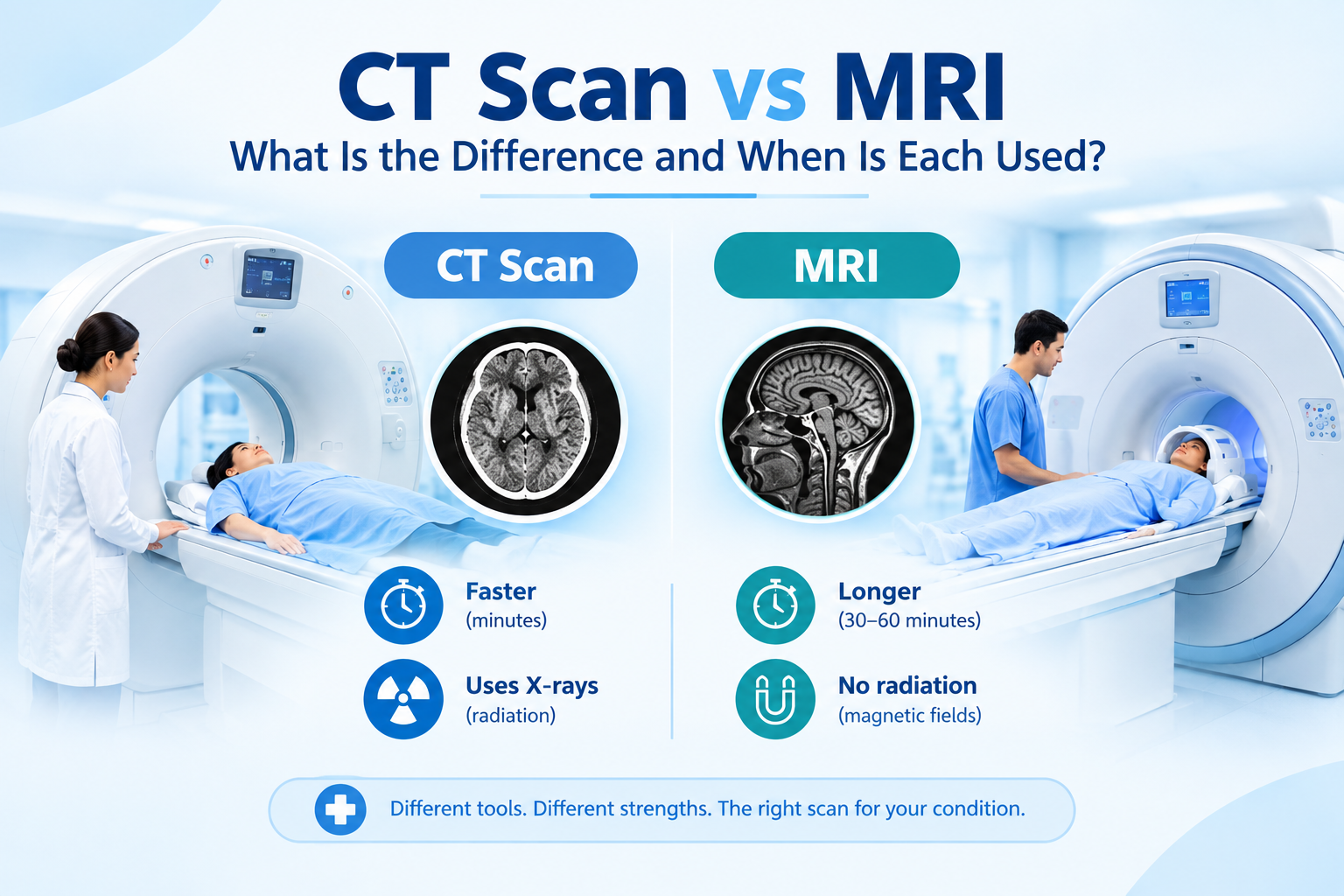
- MRI or CT scan
- Blood tests (if infection is suspected)
Early diagnosis helps identify the root cause and prevents further damage.
Chronic Back Pain Treatment Options
Treatment depends on the cause and severity of the condition.
1. Non-Surgical Treatment
Most cases can be managed without surgery.
Medications
- Pain relievers
- Anti-inflammatory drugs
- Muscle relaxants
Physiotherapy
- Strengthening exercises
- Posture correction
- Stretching routines
Lifestyle Changes
- Weight management
- Ergonomic adjustments
- Regular physical activity
2. Advanced Non-Surgical Treatments
- Epidural steroid injections
- Nerve blocks
- Pain management therapy
3. Surgical Treatment
Surgery is considered when conservative treatments fail.
Learn more here:
Spine Surgery: When Is It Necessary & What to Expect
Common Spine Surgeries
- Discectomy
- Laminectomy
- Spinal fusion
Modern spine surgeries are performed in advanced modular OT setups, ensuring precision and safety.
Recovery and Rehabilitation
Recovery depends on the severity and treatment method.
Key Recovery Steps
- Follow physiotherapy plan
- Avoid heavy lifting
- Maintain proper posture
- Stay active but avoid strain
Rehabilitation plays a crucial role in long-term recovery.
Preventing Chronic Back Pain
Prevention is always better than treatment.
Tips to Prevent Back Pain
- Maintain good posture
- Exercise regularly
- Strengthen core muscles
- Avoid prolonged sitting
- Use proper lifting techniques
Related Orthopaedic Conditions
Chronic back pain may be associated with other musculoskeletal issues.
For example, joint problems may require procedures like knee and hip replacement surgery.
A comprehensive evaluation ensures proper diagnosis and treatment.
Why Choose the Right Hospital?
Choosing the right healthcare provider is critical for effective treatment.
At best multispeciality hospital in Hassan, patients benefit from:
- Experienced spine specialists
- Advanced diagnostic tools
- Minimally invasive procedures
- State-of-the-art modular OT setup
Conclusion
Understanding what causes chronic back pain helps in early diagnosis and effective treatment. While many cases can be managed with lifestyle changes and physiotherapy, some require advanced medical or surgical intervention.
Ignoring chronic back pain can lead to serious complications, especially when nerves are involved. Timely consultation with a specialist ensures better outcomes and improved quality of life.
At Karna Hospital, advanced spine care is delivered using modern techniques and infrastructure, ensuring safe and effective treatment.
Contact Karna Hospital
📞 Mobile: +91 63603 22779
📍 Address: Shankar Mutt Road, KR Puram, Hassan – 573201
🌐 Website: https://karnahospital.in/
FAQ Section
What causes chronic back pain?
Chronic back pain is caused by conditions like disc degeneration, slipped disc, arthritis, or muscle strain.
How do I know if my back pain is serious?
If pain lasts more than a few weeks or includes numbness, weakness, or bladder issues, it may be serious.
Can chronic back pain be cured?
Many cases can be managed effectively with treatment, though complete cure depends on the cause.
What is the best treatment for chronic back pain?
Physiotherapy, medications, and lifestyle changes are first-line treatments. Surgery is considered in severe cases.
When should I see a doctor for back pain?
If pain persists beyond 6 weeks or worsens over time, consult a specialist.