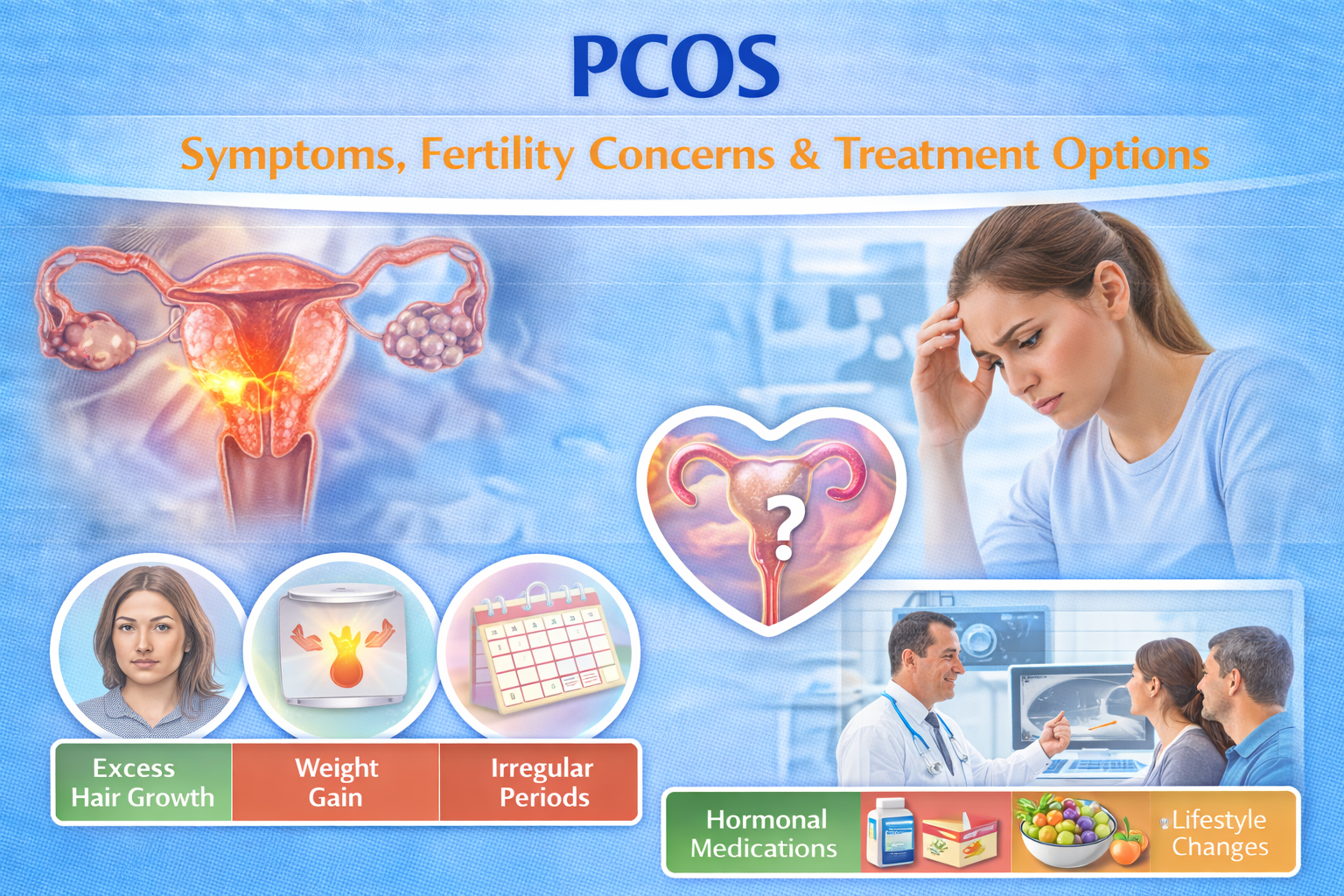
Polycystic Ovary Syndrome (PCOS) is one of the most common hormonal disorders affecting women of reproductive age. It impacts menstrual cycles, hormone levels, fertility, and overall health. Despite its prevalence, many women remain unaware of the early signs, leading to delayed diagnosis and treatment.
Understanding PCOS symptoms, fertility concerns, and treatment options can help women take timely action and manage the condition effectively.
What Is PCOS?
PCOS (Polycystic Ovary Syndrome) is a hormonal condition where the ovaries produce excess androgens (male hormones), leading to imbalance in reproductive hormones.
This imbalance can affect:
- Ovulation
- Menstrual cycles
- Fertility
- Metabolism
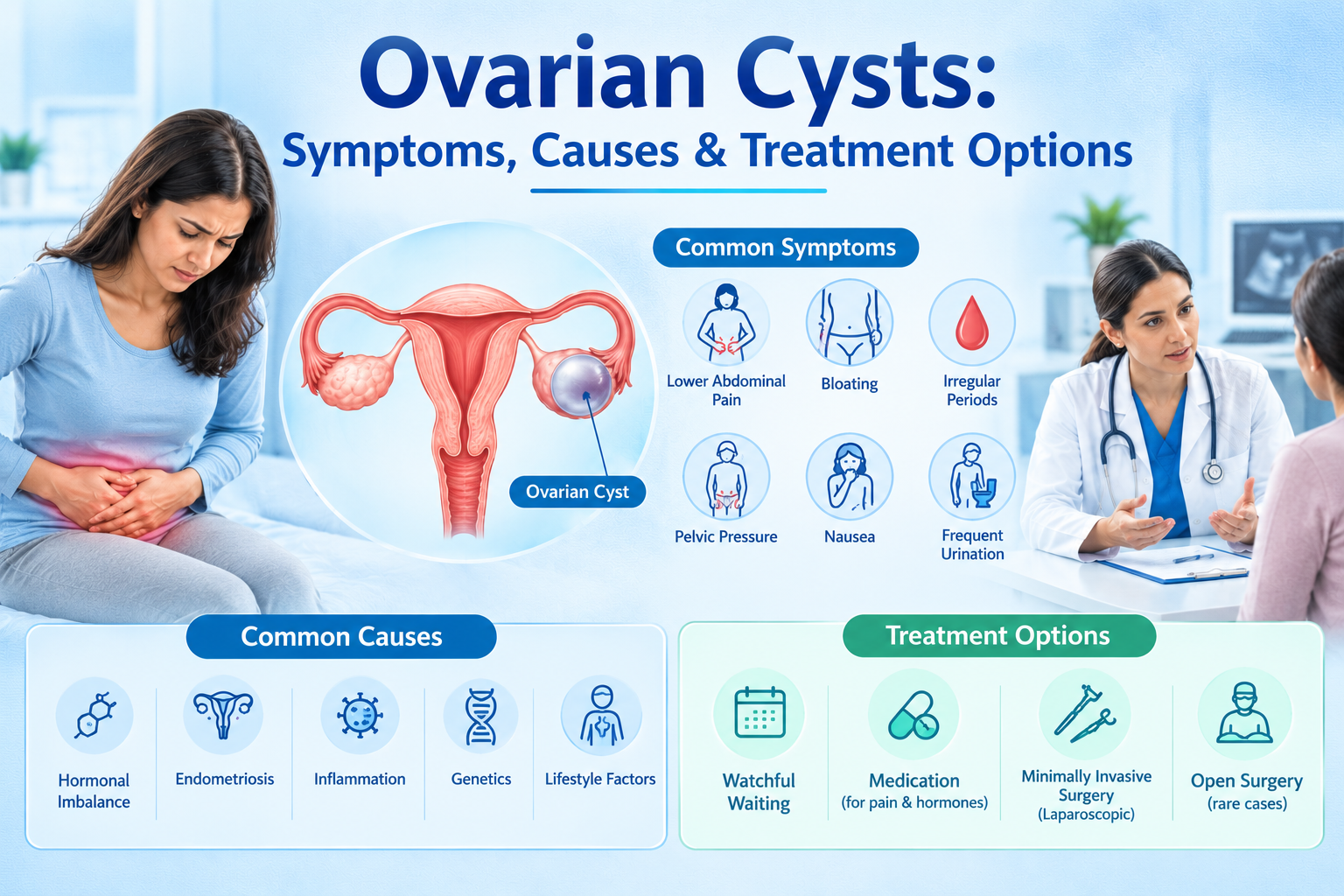
In some cases, multiple small cysts may develop on the ovaries, although not all women with PCOS have cysts.
Comprehensive care for hormonal and reproductive conditions is essential, and specialized services like women and child care play a key role in early diagnosis and long-term management.
Common Symptoms of PCOS
PCOS symptoms can vary from person to person. Some women may experience mild symptoms, while others may face more severe health challenges.
1. Irregular Periods
Irregular or missed periods are one of the most common signs due to lack of ovulation.
2. Excess Hair Growth
Increased androgen levels may lead to unwanted hair growth on the face, chest, or back.
3. Acne and Oily Skin
Hormonal imbalance often results in persistent acne.
4. Weight Gain
Many women with PCOS experience weight gain, especially around the abdomen.
5. Hair Thinning
Hair loss or thinning from the scalp can occur.
6. Difficulty Getting Pregnant
Irregular ovulation can affect fertility.
Recognizing these early symptoms of PCOS helps in timely diagnosis and treatment.
Causes and Risk Factors of PCOS
The exact cause of PCOS is not fully understood, but several contributing factors include:
Hormonal Imbalance
Excess androgen production disrupts ovulation.
Insulin Resistance
High insulin levels trigger hormonal imbalance.
Genetics
PCOS often runs in families.
Lifestyle Factors
Poor diet, lack of exercise, and stress can worsen symptoms.
How PCOS Affects Fertility
PCOS is one of the leading causes of infertility, but it is treatable.
Irregular Ovulation
Hormonal imbalance prevents regular egg release.
Hormonal Disruptions
Affects the reproductive cycle and conception.
Egg Development Issues
Eggs may not mature properly.
However, many women with PCOS successfully conceive with proper treatment and guidance.
During pregnancy planning, it is also important to understand safe delivery methods such as cesarean vs normal delivery for better preparedness.
How Is PCOS Diagnosed?
Diagnosis involves a combination of clinical evaluation and tests.
Medical History
Doctors assess symptoms like irregular periods and weight gain.
Blood Tests
Hormone levels and insulin resistance are evaluated.
Ultrasound
Used to detect cysts in the ovaries.
Early diagnosis helps in better symptom management and prevention of complications.
Treatment Options for PCOS
Treatment depends on symptoms and whether the patient is planning pregnancy.
1. Lifestyle Modifications
Lifestyle changes are the foundation of PCOS management.
- Maintain healthy weight
- Eat a balanced diet
- Exercise regularly
- Manage stress
Even a 5–10% weight reduction can significantly improve symptoms.
2. Medications
Doctors may prescribe:
- Hormonal pills to regulate periods
- Anti-androgen medications
- Insulin-regulating medicines
These help control symptoms and improve hormone balance.
3. Fertility Treatments
For women trying to conceive:
- Ovulation induction medications
- Hormonal therapies
- Assisted reproductive techniques
Proper medical care improves the chances of successful pregnancy.
4. Minimally Invasive Procedures
In selected cases, procedures like ovarian drilling may be recommended.
These are performed using advanced minimally invasive techniques similar to laparoscopic surgeries, ensuring faster recovery and minimal discomfort.
Long-Term Health Risks of PCOS
If left untreated, PCOS can lead to:
- Type 2 diabetes
- High blood pressure
- Heart disease
- Endometrial cancer
- Sleep disorders
Regular monitoring helps reduce these risks.
Managing PCOS Naturally
Lifestyle management plays a key role in long-term control.
Healthy Diet
Focus on fiber-rich foods and avoid processed sugars.
Regular Exercise
Improves insulin sensitivity and hormone balance.
Stress Management
Yoga and meditation help regulate hormones.
Routine Checkups
Ensure ongoing monitoring and care.
When Should You See a Doctor?
Consult a specialist if you experience:
- Irregular periods
- Difficulty conceiving
- Excessive hair growth
- Sudden weight gain
- Persistent acne
Early medical care improves outcomes and prevents complications.
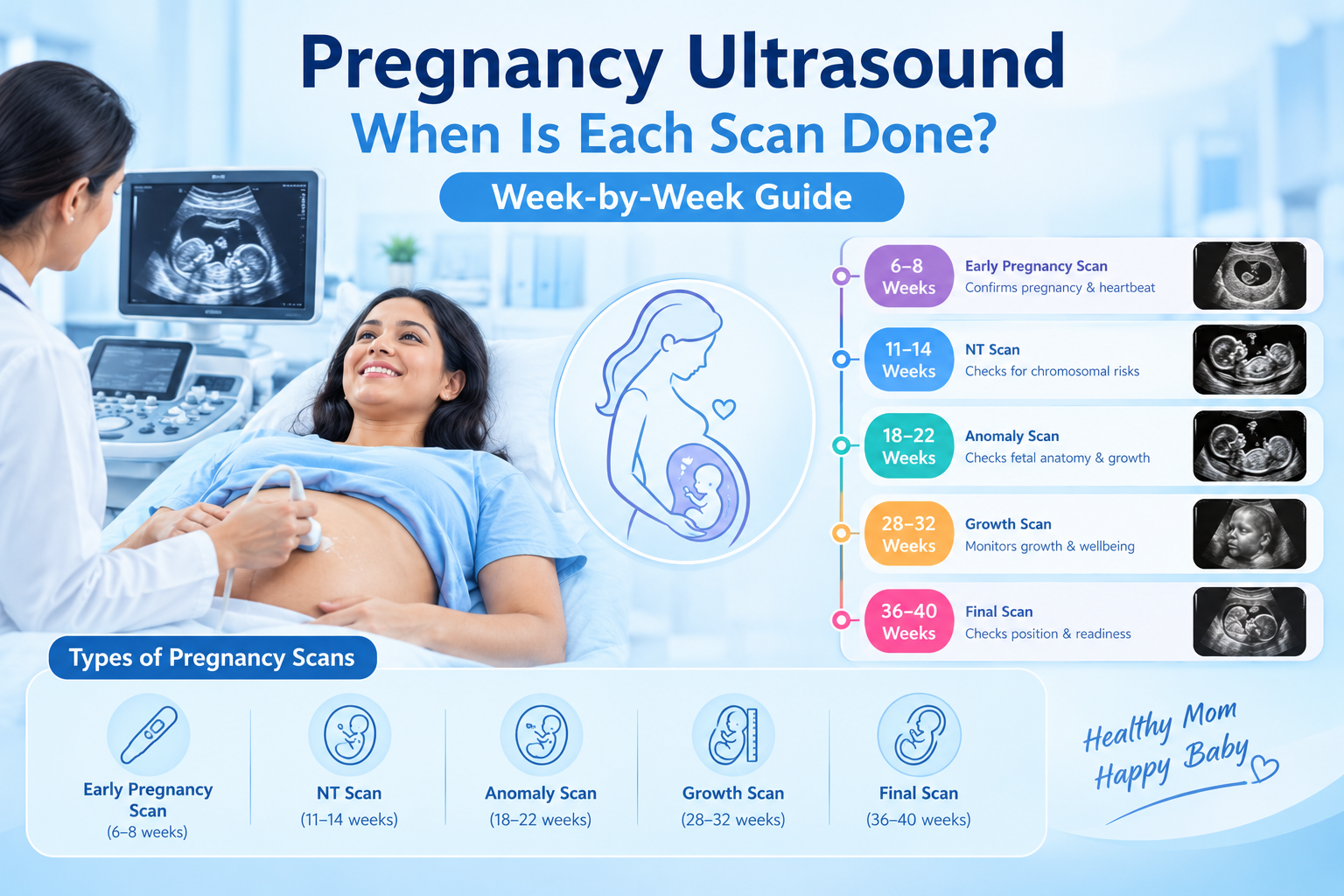
Women with PCOS should also be aware of pregnancy-related care, including situations where NICU support for newborns may be required in high-risk cases.
Importance of Specialized Women’s Healthcare
PCOS requires a comprehensive and long-term approach to care. Access to specialized services ensures proper diagnosis, treatment, and follow-up.
Facilities offering dedicated women and child care services provide:
- Hormonal disorder management
- Fertility support
- Pregnancy care
- Postnatal care
This integrated approach ensures better health outcomes for women at every stage of life.
Conclusion
PCOS is a common yet manageable condition. Recognizing PCOS symptoms early, understanding fertility concerns, and choosing the right treatment can significantly improve quality of life.
With proper medical care, lifestyle changes, and regular monitoring, women with PCOS can lead healthy lives and achieve successful pregnancies.
At Karna Hospital, expert care is provided through advanced diagnostic methods and personalized treatment plans, ensuring comprehensive women’s healthcare.
Contact Karna Hospital
For consultation or medical support, contact Karna Hospital:
📞 Mobile: +91 63603 22779
📍 Address: Shankar Mutt Road, KR Puram, Hassan – 573201
🌐 Website: https://karnahospital.in/