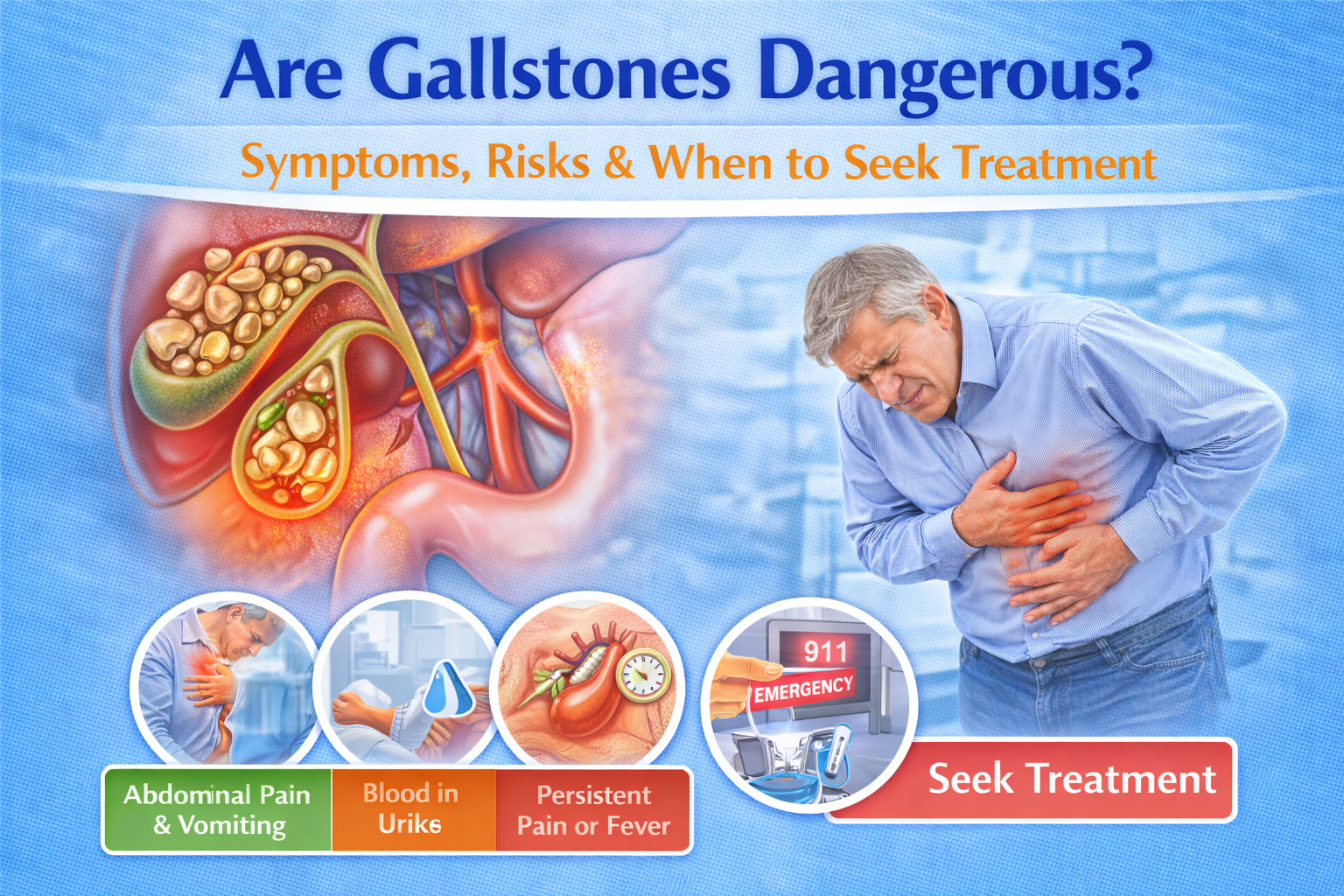
Gallstones are a common digestive problem that affects many people, often without noticeable symptoms in the early stages. However, when they start causing pain or complications, they can significantly impact your health and quality of life.
A common question patients ask is: Are gallstones dangerous? The answer depends on the severity, symptoms, and whether complications develop. Understanding gallstones symptoms, risks, and treatment options can help you take timely action.
What Are Gallstones?
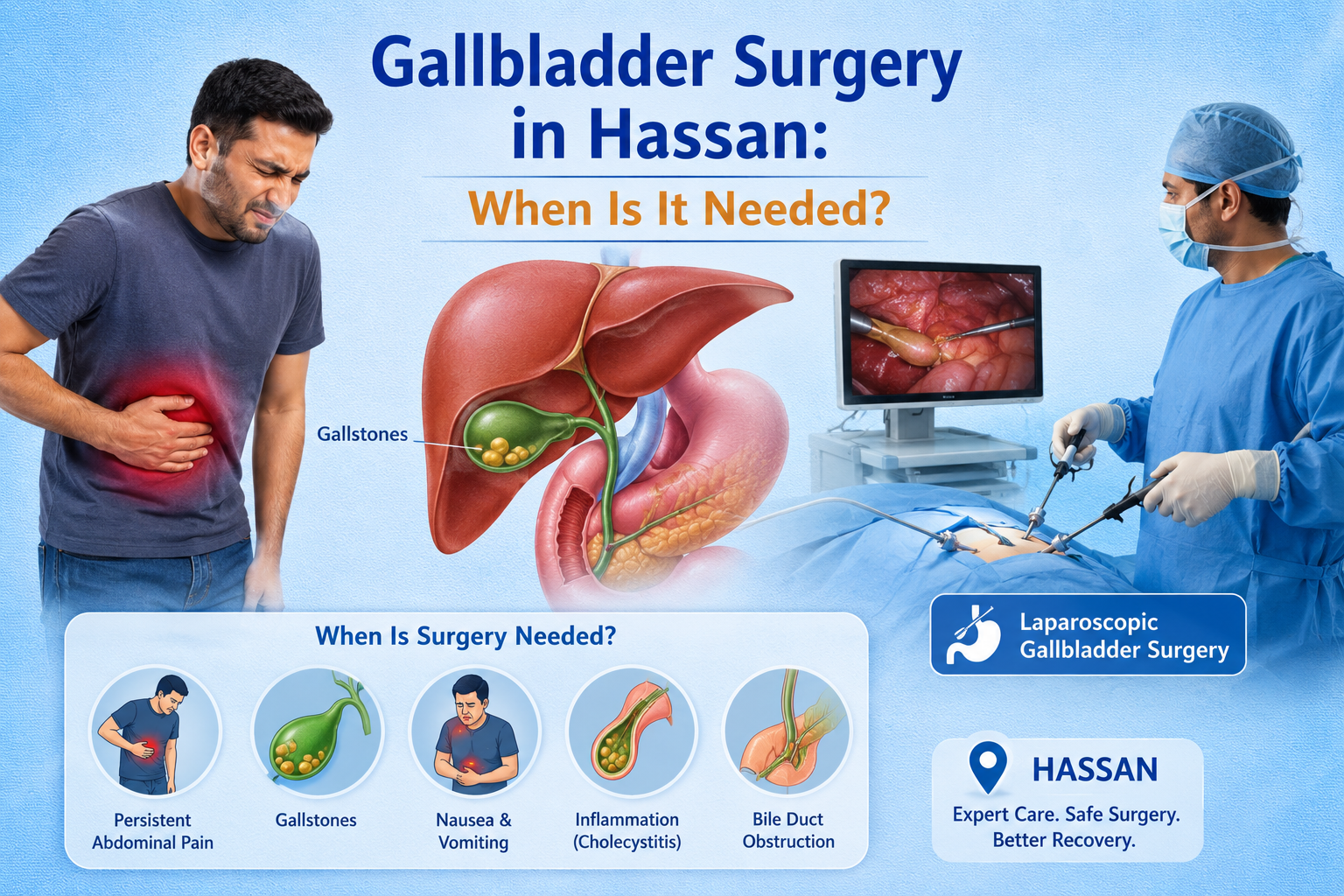
Gallstones are hardened deposits that form in the gallbladder, a small organ located under the liver. The gallbladder stores bile, which helps digest fats.
These stones can vary in size and number. Some people remain symptom-free, while others experience severe discomfort.
To understand this condition in detail, read what are gallstones.
Are Gallstones Dangerous?
Gallstones are not always dangerous—but they can become serious if complications develop.
When Gallstones Are Not Dangerous
- No symptoms
- Small stones not blocking bile flow
When Gallstones Become Dangerous
- Severe abdominal pain
- Infection or inflammation
- Blocked bile ducts
Ignoring symptoms can lead to serious complications.
Gallstones Symptoms You Should Not Ignore
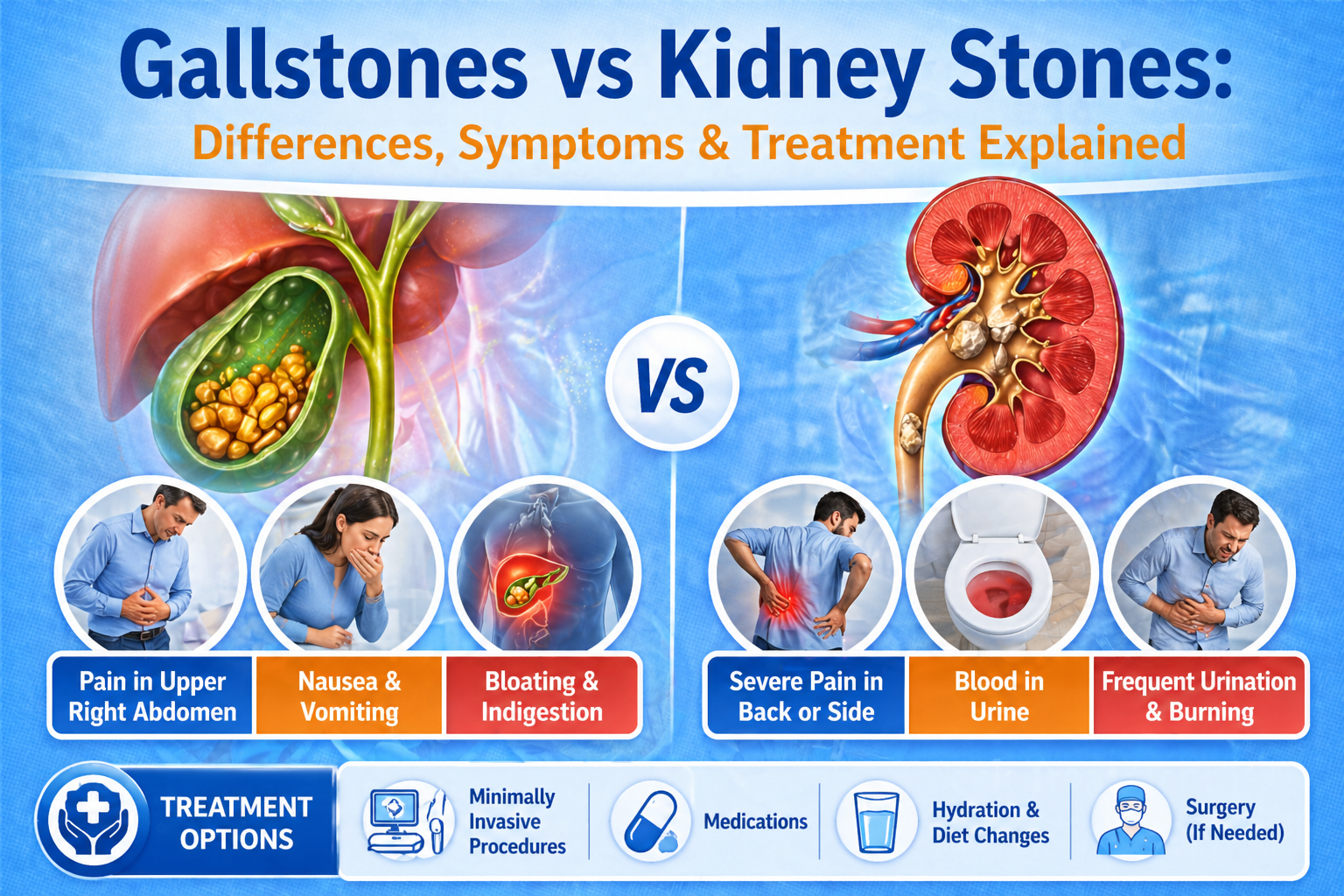
Common Symptoms
- Upper abdominal pain
- Pain after fatty meals
- Nausea and vomiting
- Bloating
Severe Warning Signs
- Persistent pain
- Fever
- Jaundice
- Dark urine
These signs require immediate medical attention.
Causes of Gallstones
- High cholesterol levels
- Obesity
- Rapid weight loss
- Pregnancy
- Diabetes
Lifestyle factors also play a major role.
Risks of Untreated Gallstones
If left untreated, gallstones can lead to:
1. Cholecystitis
Inflammation of the gallbladder causing severe pain.
2. Bile Duct Obstruction
Leads to jaundice and liver issues.
3. Pancreatitis
A serious condition affecting the pancreas.
4. Infection
Potentially life-threatening if untreated.
When Should You Seek Treatment?
Seek medical help if you experience:
- Repeated abdominal pain
- Fever or chills
- Digestive issues
- Jaundice
Early diagnosis improves outcomes.
Gallstones Treatment Options
1. Non-Surgical Management
- Pain relief
- Diet changes
- Monitoring
2. Surgical Treatment (Best Option)
The most effective treatment is gallbladder removal surgery.
Learn more about the procedure here: Laparoscopic cholecystectomy
Benefits
- Minimally invasive
- Faster recovery
- Less pain
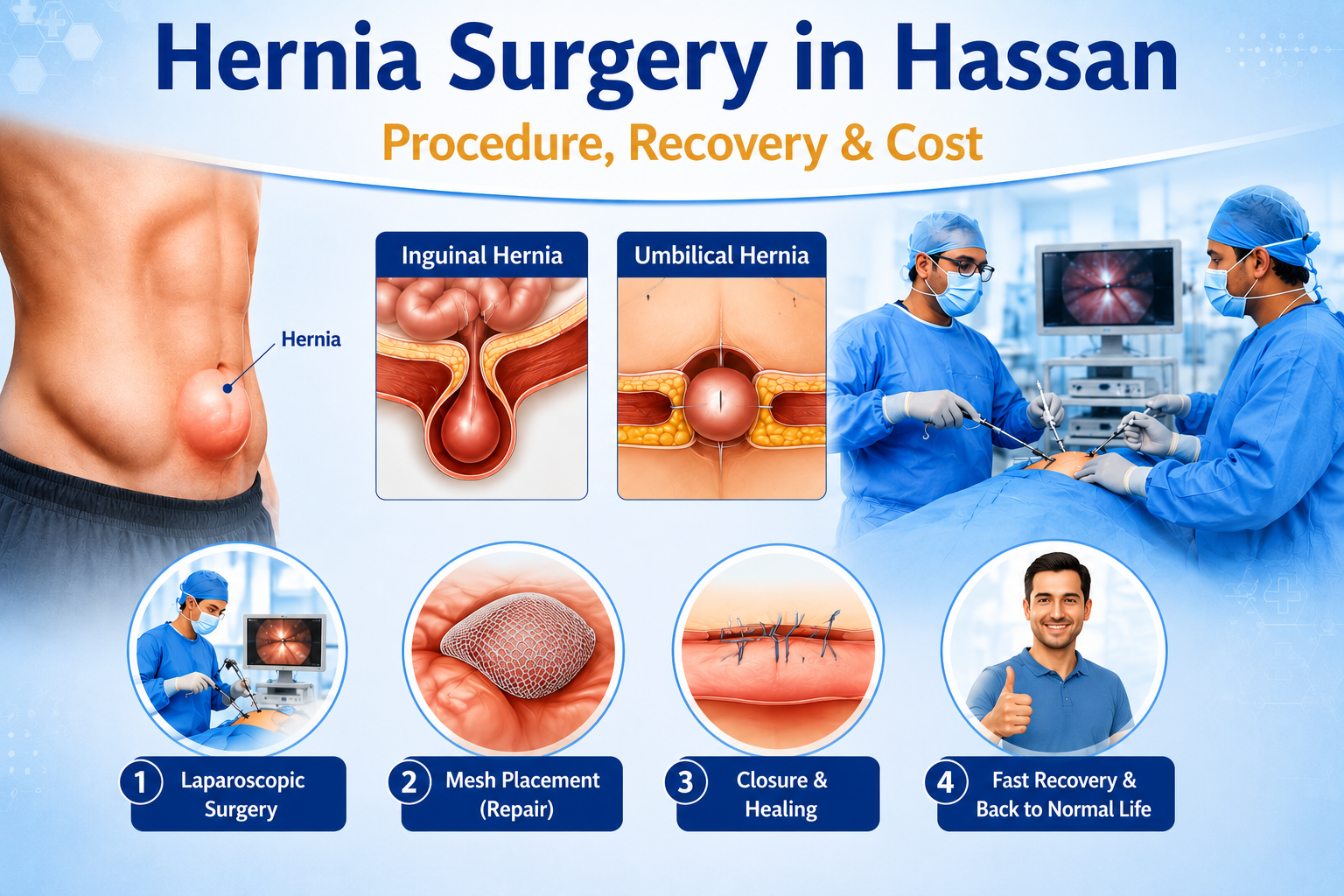
This approach is similar to other advanced procedures like hernia surgery with laparoscopic options, where smaller incisions and quicker healing are key advantages.
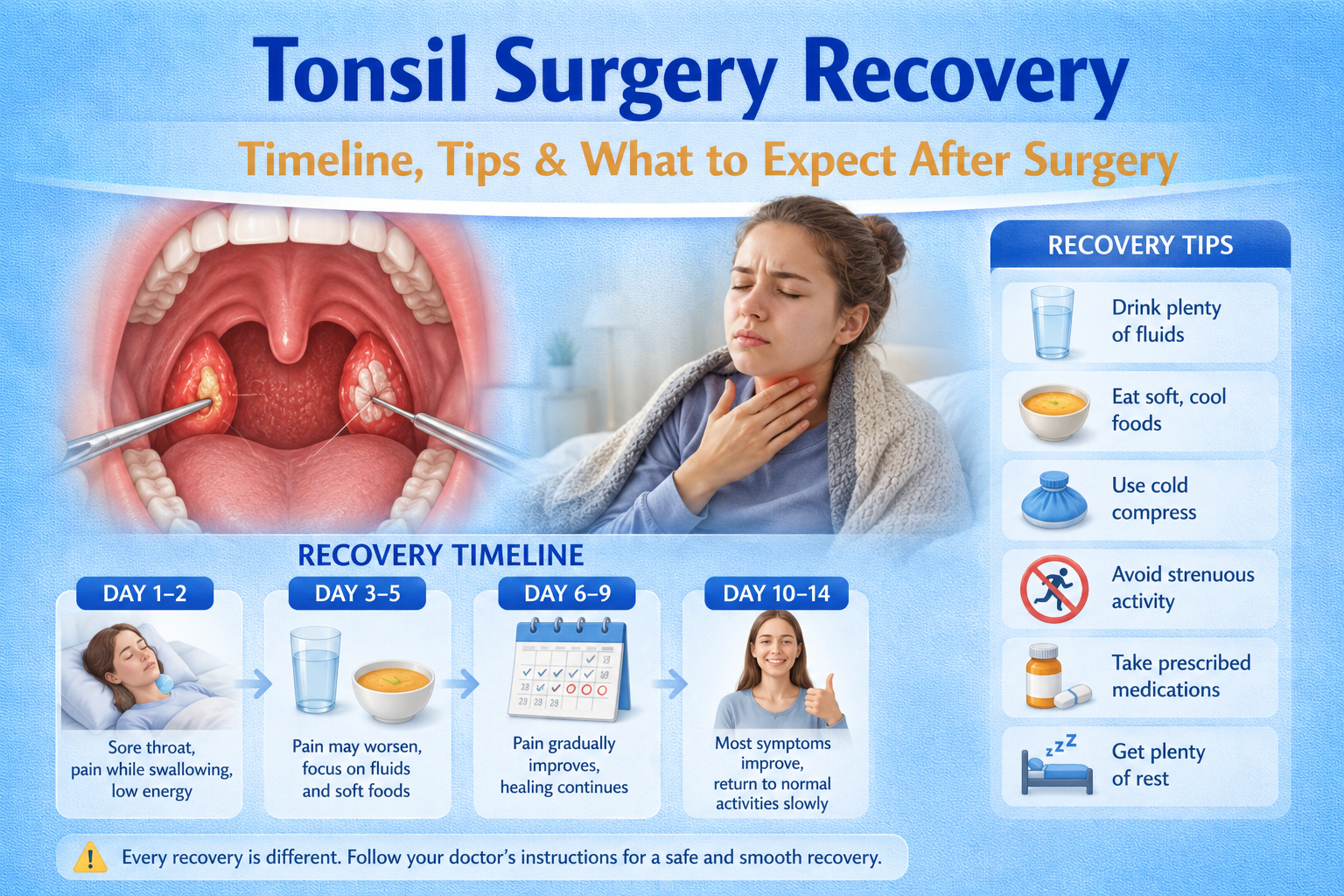
Recovery After Surgery
- Hospital stay: 1–2 days
- Return to work: 1–2 weeks
- Full recovery: Few weeks
Following post-surgery guidelines ensures smooth healing.
Preventing Gallstones
Lifestyle Tips
- Maintain healthy weight
- Eat balanced diet
- Exercise regularly
- Stay hydrated
Related Conditions You Should Know
Abdominal pain is not always caused by gallstones. It may overlap with other conditions, making diagnosis important.
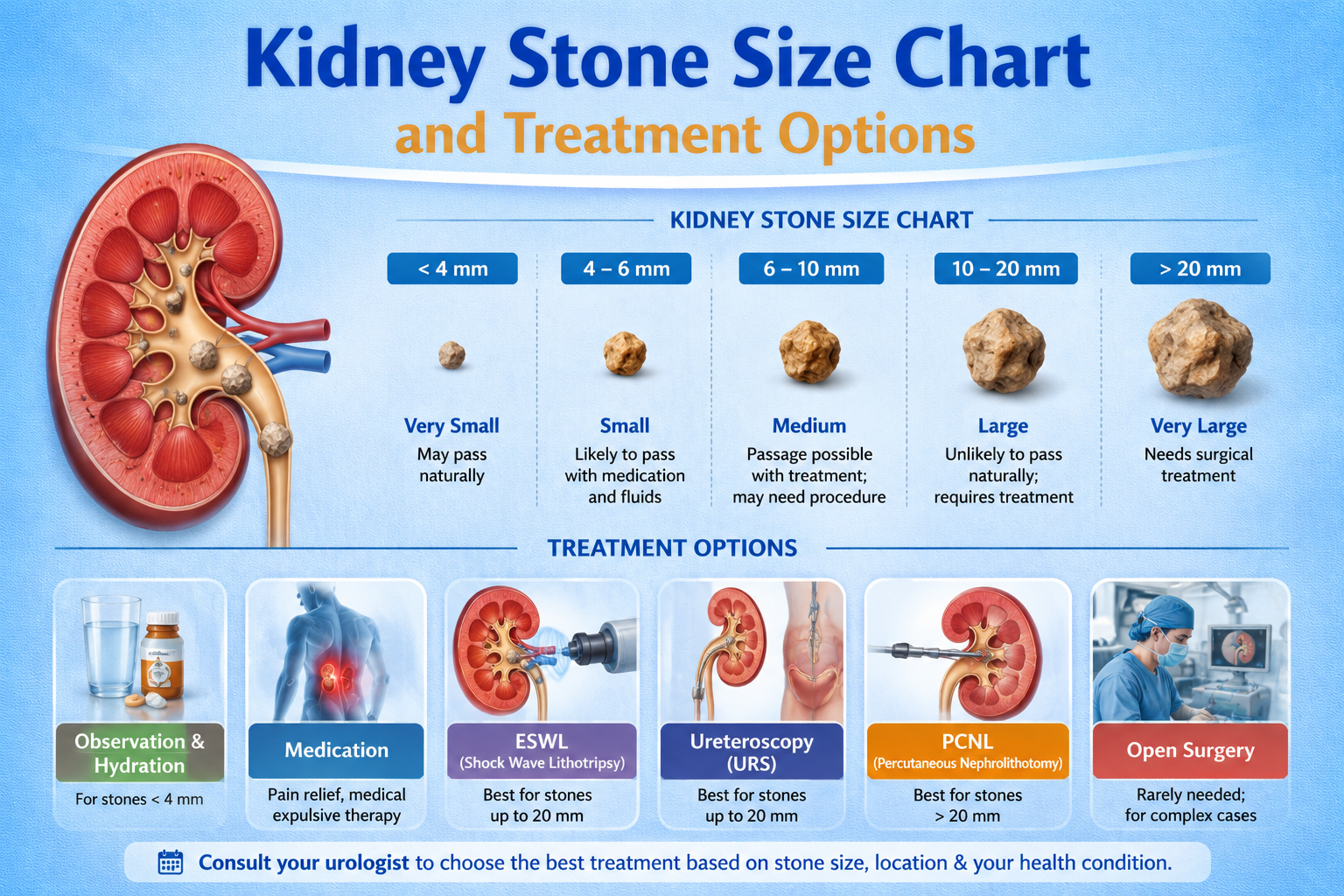
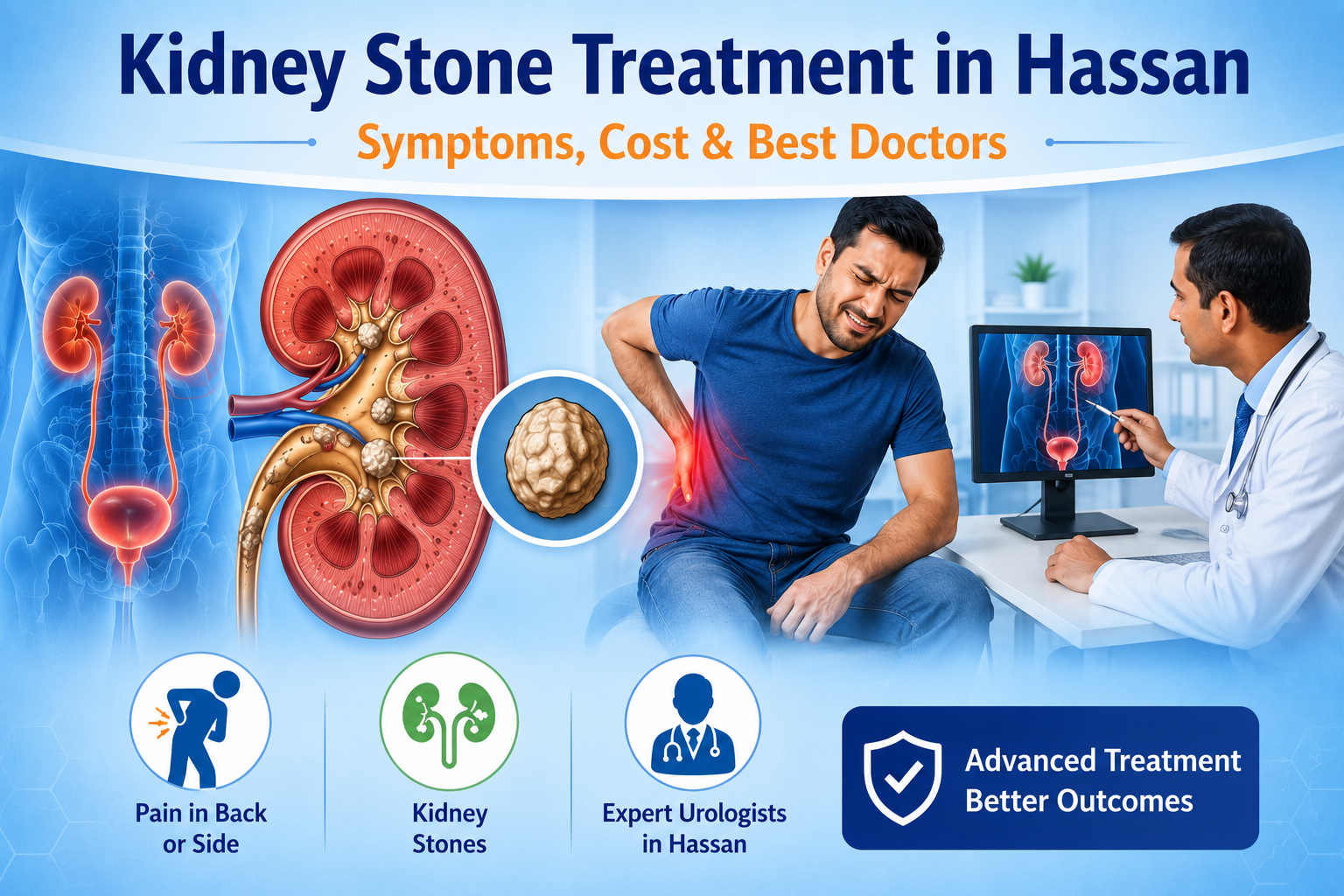
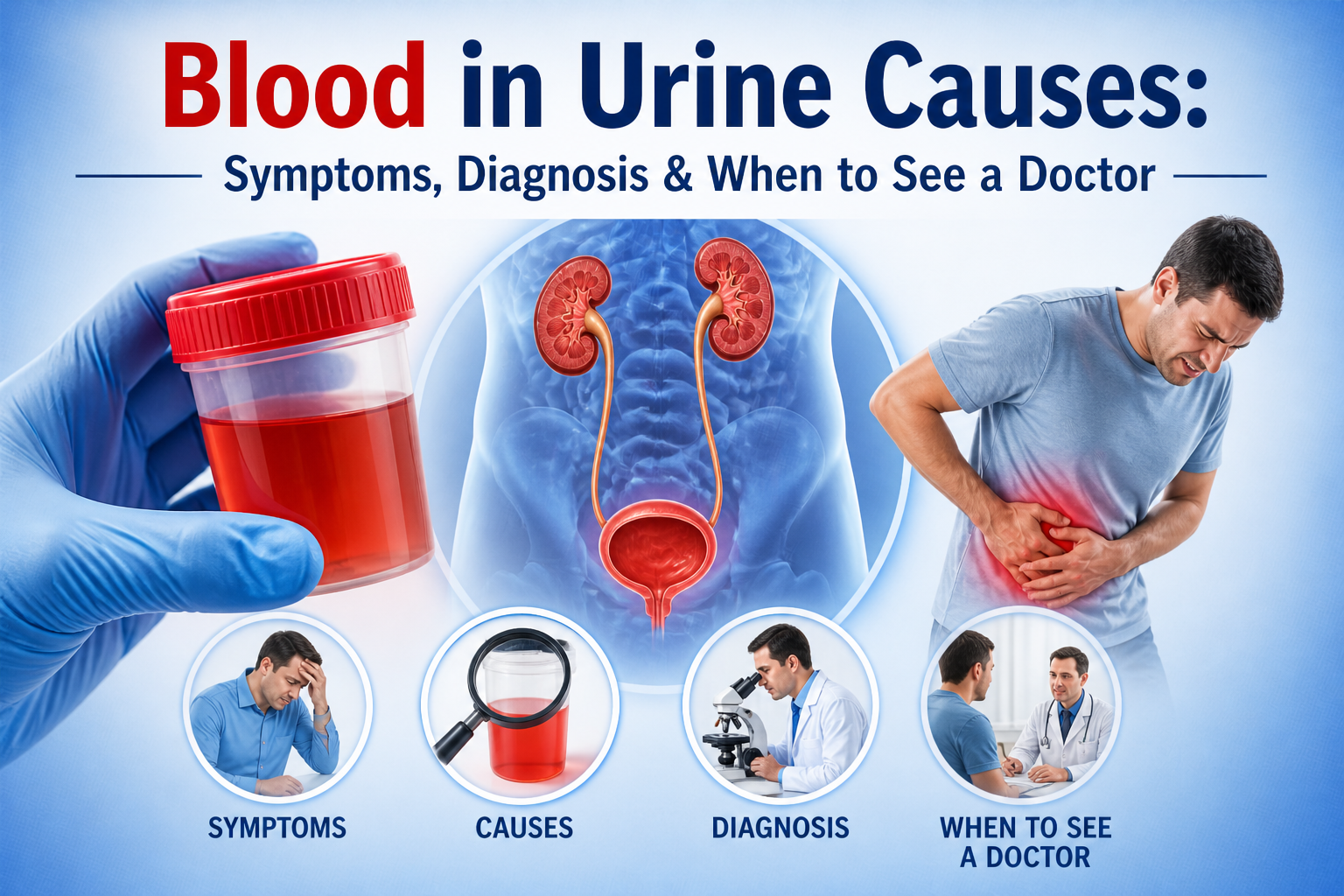
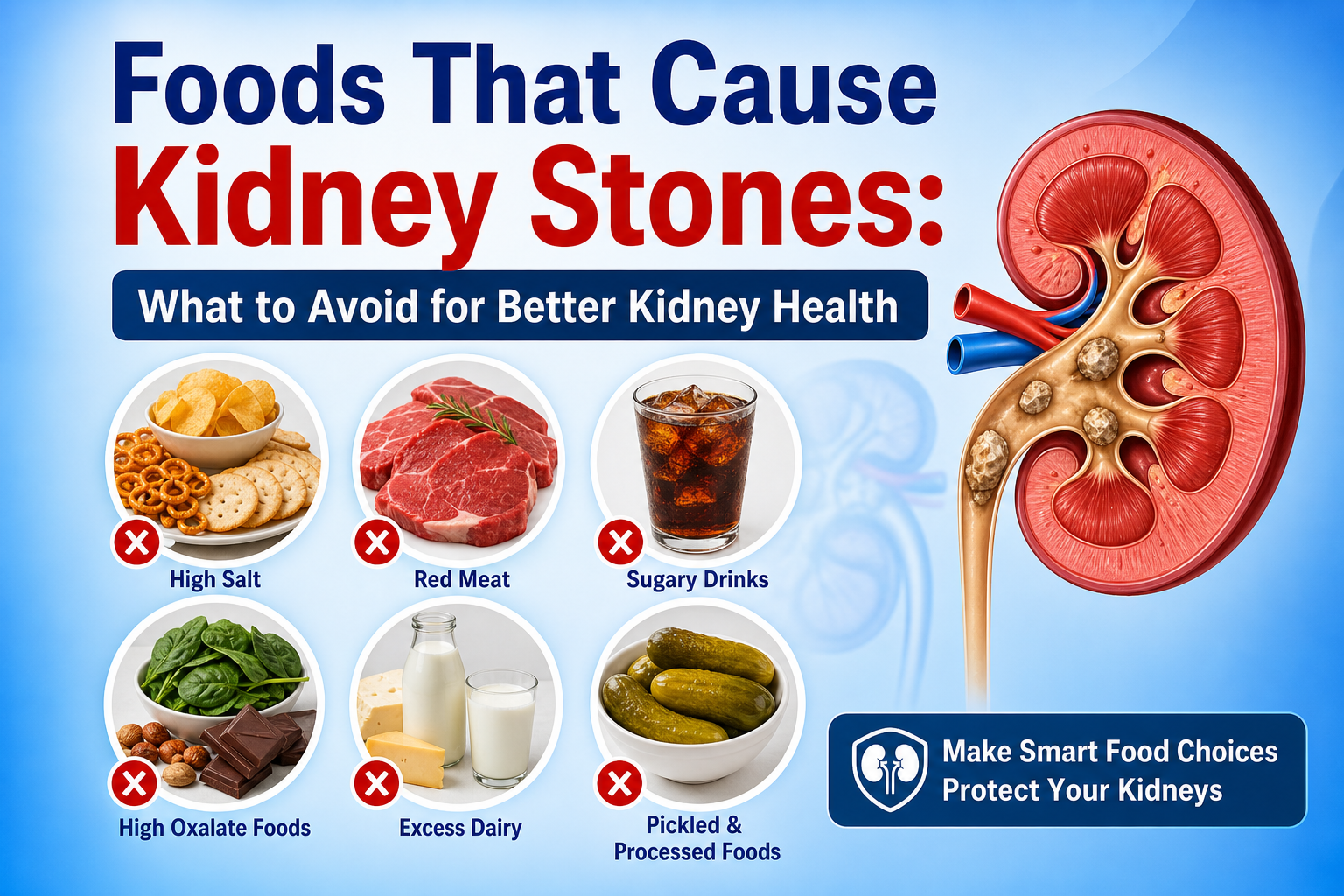
For example, kidney-related pain can mimic gallstone symptoms. Learn about kidney stone treatment options.
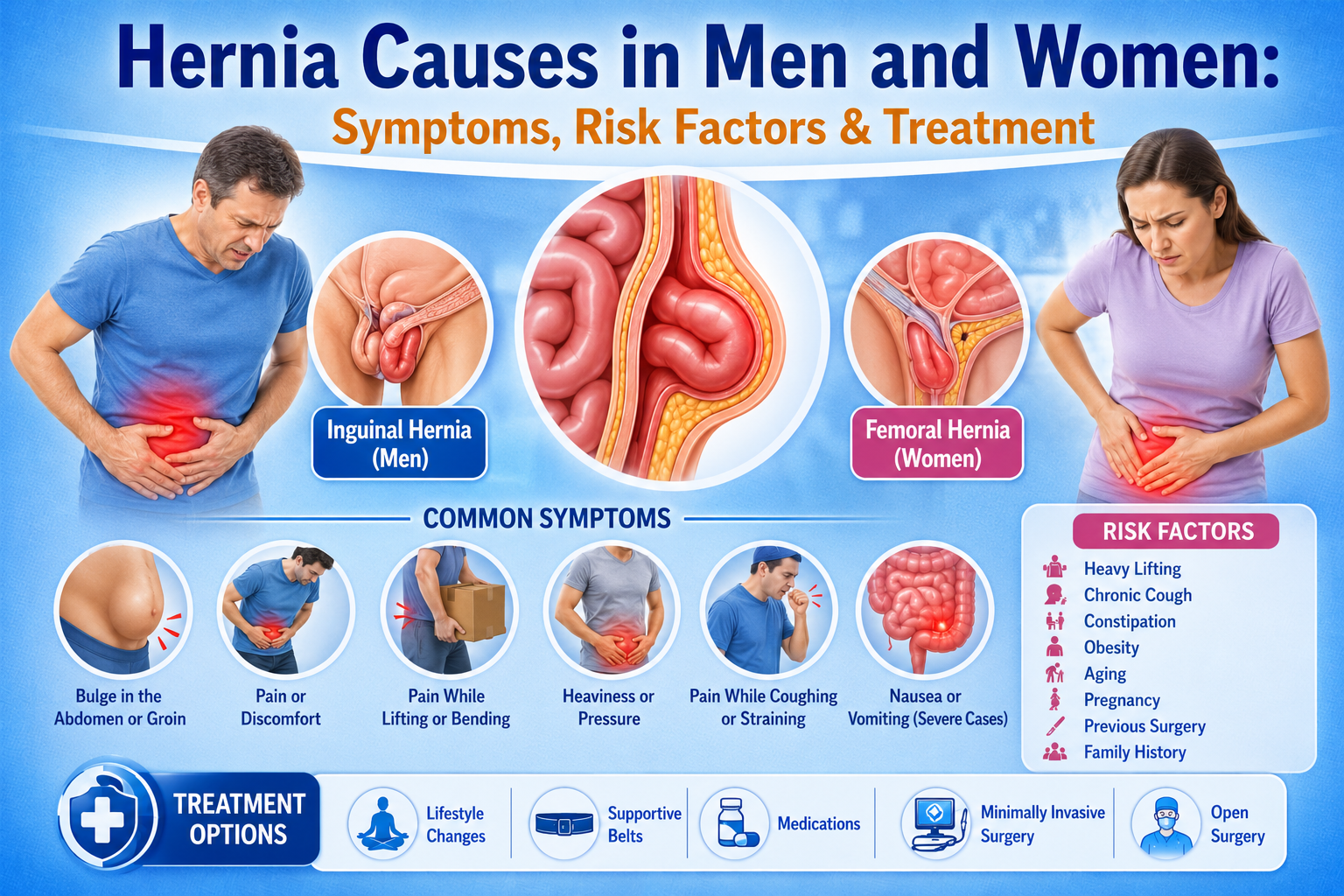
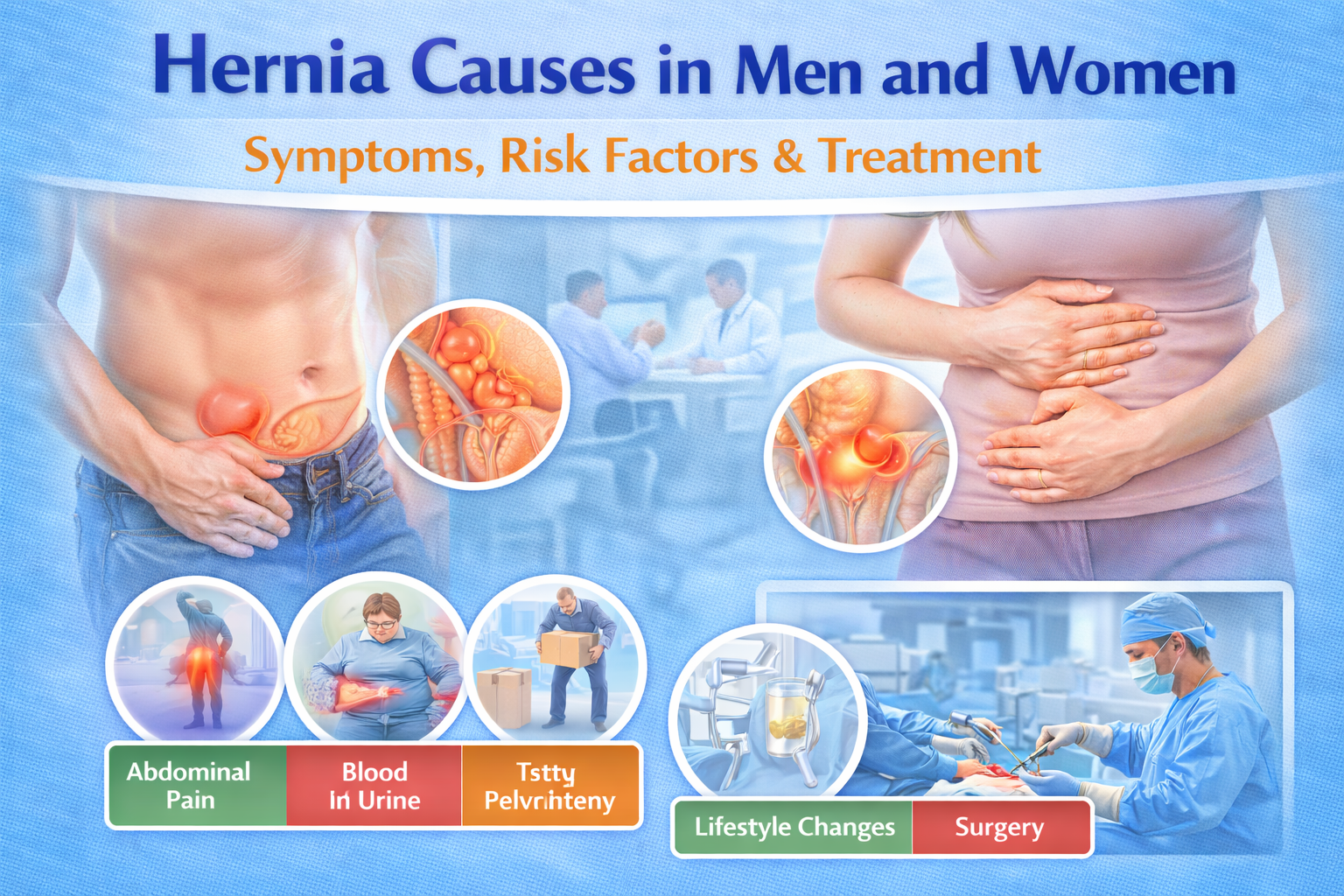
Similarly, digestive discomfort may also be linked to conditions like hernia causes and treatment.
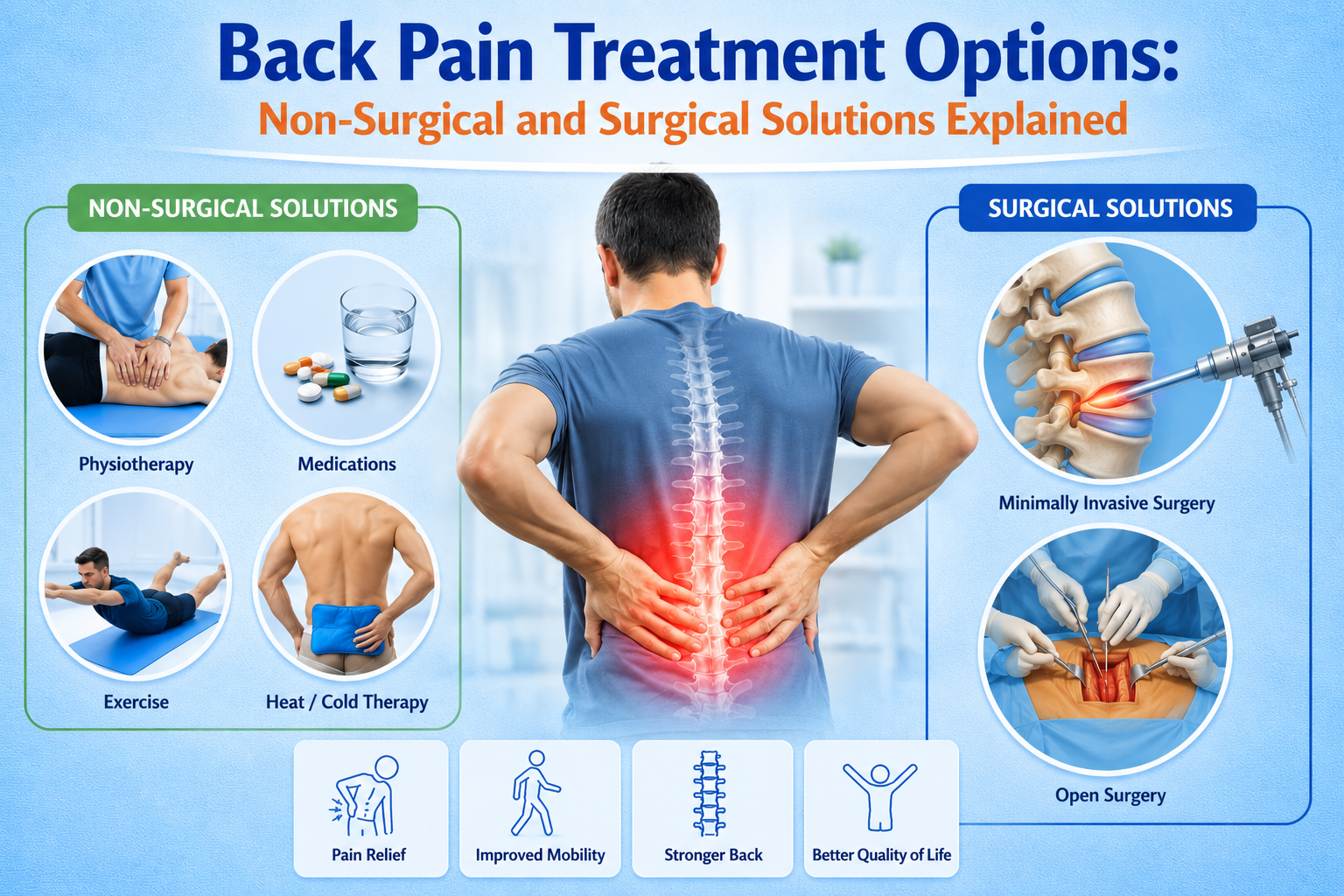
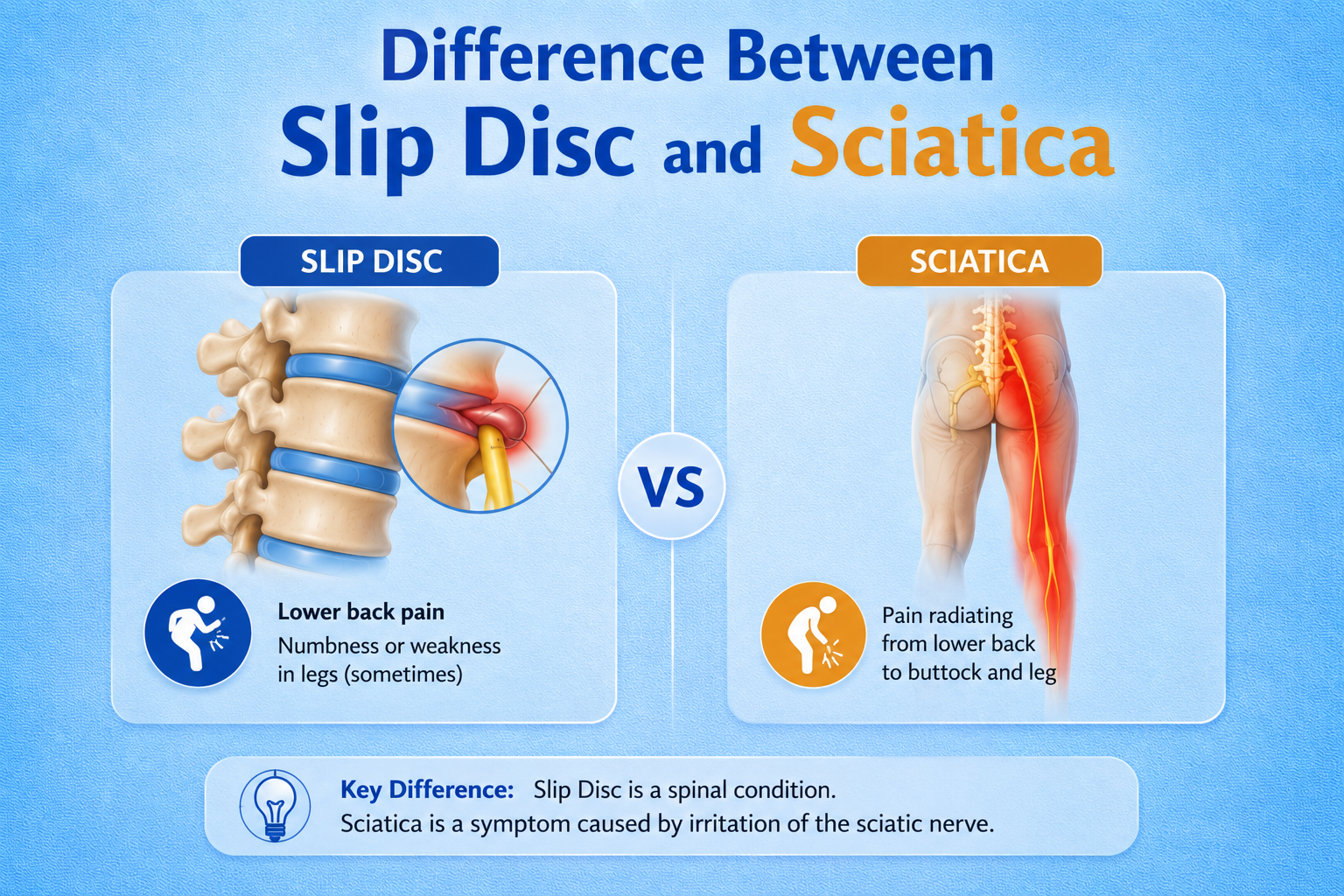
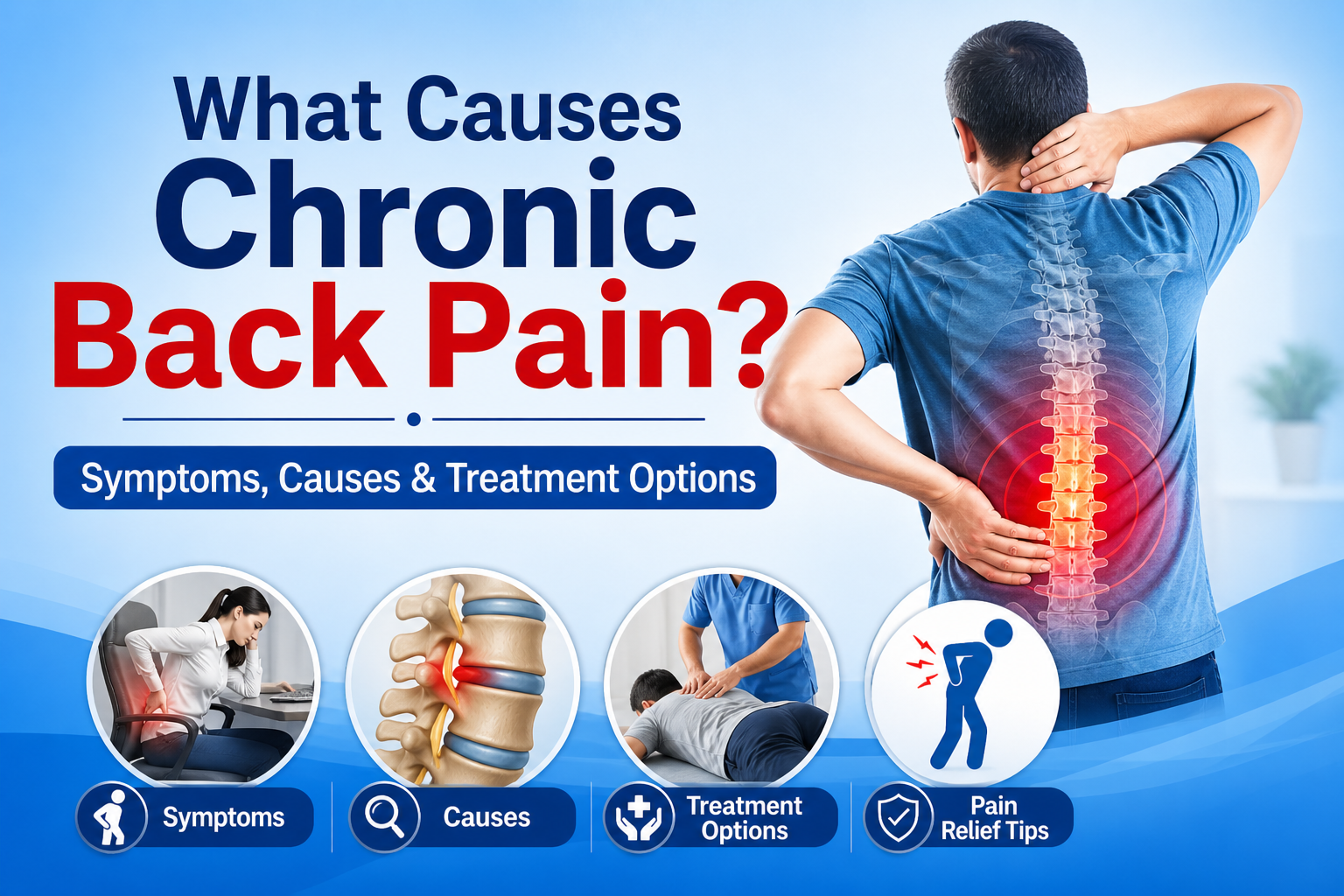
In some cases, back pain related to abdominal issues may require evaluation similar to slipped disc treatment and spine surgery.
A proper diagnosis ensures the right treatment.
Why Choose the Right Hospital?
Choosing the right hospital plays a crucial role in successful treatment.
At best multispeciality hospital in Hassan, patients benefit from:
- Experienced surgeons
- Advanced laparoscopic technology
- Modular OT setup
- Comprehensive care
When Is Surgery Necessary?
Surgery Is Needed When:
- Symptoms are severe
- Complications occur
- Stones block bile flow
Surgery May Not Be Needed When:
- No symptoms
- Small, stable stones
A doctor’s evaluation is essential.
Conclusion
So, are gallstones dangerous?
They may not be dangerous initially, but they can become serious if left untreated.
Understanding symptoms, risks, and treatment options helps in early intervention and prevents complications.
With modern techniques like laparoscopic surgery, treatment is safer, quicker, and highly effective.
At Karna Hospital, advanced procedures are performed in a state-of-the-art modular OT setup, ensuring the highest standards of safety and care.
Contact Karna Hospital
📞 Mobile: +91 63603 22779
📍 Address: Shankar Mutt Road, KR Puram, Hassan – 573201
🌐 Website: https://karnahospital.in/
FAQ Section
Are gallstones dangerous if left untreated?
Yes, they can lead to infections, pancreatitis, and serious complications.
What are the warning signs of gallstones?
Severe abdominal pain, fever, nausea, and jaundice.
Do all gallstones need surgery?
No, only symptomatic cases require surgery.
Can gallstones become life-threatening?
Yes, if complications occur.
What is the best treatment for gallstones?
Laparoscopic surgery is the most effective treatment.