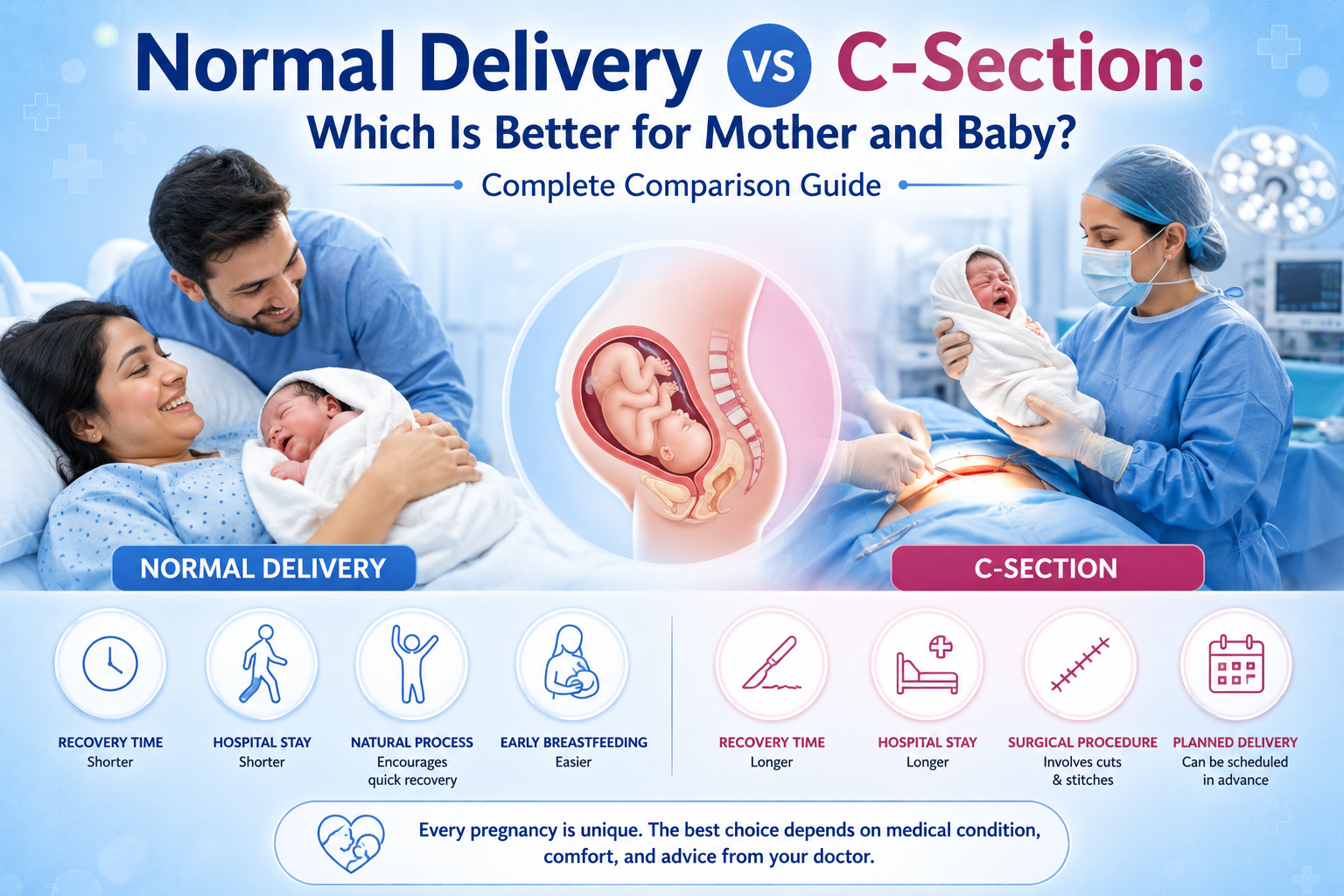
Pregnancy is an exciting journey, and one of the biggest decisions expectant parents think about is “Normal Delivery vs C-Section: Which is Better?” While many women hope for a normal vaginal delivery, there are situations where a Cesarean section (C-section) becomes the safest option for both mother and baby.
There is no one-size-fits-all answer. The best delivery method depends on several factors, including the mother’s health, the baby’s condition, pregnancy complications, and medical advice from an experienced obstetrician.
In this guide, we’ll compare normal delivery vs C-section, explain their benefits, risks, recovery, and help you understand how doctors determine the safest delivery method.
What Is Normal Delivery?
A normal delivery, also called vaginal delivery, is the natural process of childbirth where the baby is born through the birth canal without major surgery.
It is the preferred delivery method for healthy pregnancies because it generally involves fewer medical interventions and quicker recovery.
Benefits of Normal Delivery
Normal delivery offers several advantages for both the mother and baby.
Faster Recovery
Most mothers recover within a few weeks and can resume daily activities sooner compared to a C-section.
Shorter Hospital Stay
Women who have a vaginal delivery usually stay in the hospital for one to three days, depending on their recovery.
Lower Risk of Surgical Complications
Since no abdominal surgery is involved, there is a lower risk of infections, excessive bleeding, and anesthesia-related complications.
Better Breastfeeding Initiation
Many mothers can begin breastfeeding shortly after delivery.
Lower Risk in Future Pregnancies
Women who deliver vaginally often have fewer pregnancy-related complications in future pregnancies.
What Is a C-Section?
A Cesarean section (C-section) is a surgical procedure in which the baby is delivered through incisions made in the mother’s abdomen and uterus.
A C-section may be planned in advance or performed as an emergency procedure during labor if complications arise.
When Is a C-Section Necessary?
Doctors recommend a C-section when vaginal delivery may pose risks to the mother or baby.
Common reasons include:
- Baby in breech position
- Placenta previa
- Multiple pregnancies (twins or triplets)
- Fetal distress
- Failure of labor to progress
- Previous multiple C-sections
- Umbilical cord complications
- Certain maternal health conditions
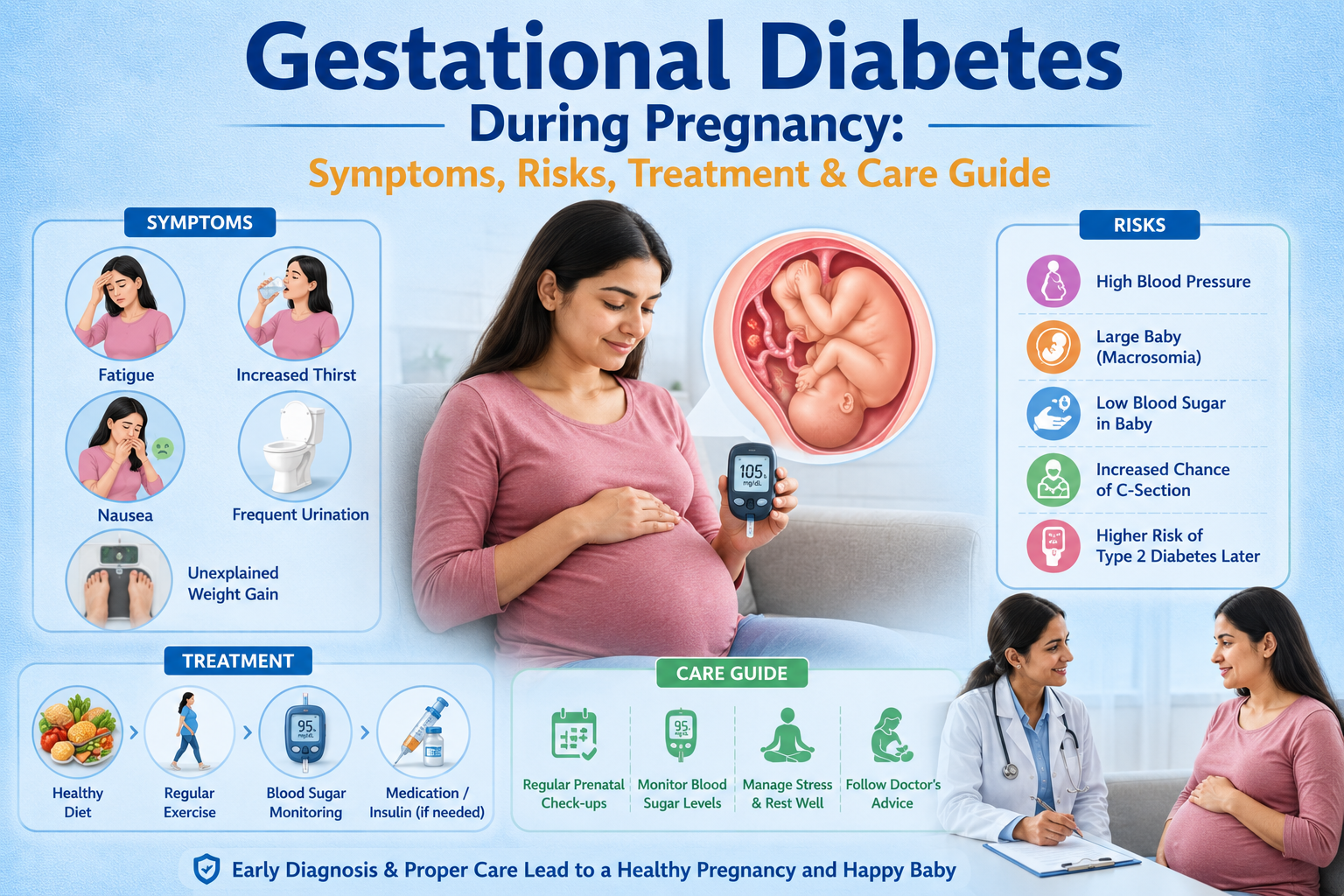
Women with gestational diabetes during pregnancy or other high-risk conditions may also require closer monitoring before deciding on the safest delivery method.
Normal Delivery vs C-Section: Key Differences
| Feature | Normal Delivery | C-Section |
| Procedure | Vaginal childbirth | Surgical delivery |
| Hospital Stay | 1–3 days | 3–5 days |
| Recovery Time | 2–6 weeks | 6–8 weeks |
| Pain After Delivery | Mild to moderate | Moderate due to surgery |
| Infection Risk | Lower | Slightly higher |
| Future Pregnancies | Lower surgical risk | Higher chance of repeat C-section |
| Cost | Generally lower | Usually higher |
Both methods are safe when performed under proper medical supervision.
Benefits of C-Section Delivery
Although many women prefer normal delivery, C-sections offer significant benefits when medically necessary.
Safer in High-Risk Pregnancies
Certain pregnancy complications make surgical delivery the safest option.
Prevents Birth Injuries
A C-section may reduce the risk of injury during difficult deliveries.
Planned Delivery
Scheduled C-sections provide greater predictability for both families and healthcare providers.
Reduces Emergency Complications
When fetal distress or labor complications occur, timely C-section delivery can save lives.
Risks of Normal Delivery
Like any medical procedure, vaginal delivery also carries certain risks.
Possible complications include:
- Vaginal tears
- Pelvic floor weakness
- Heavy bleeding
- Temporary urinary incontinence
- Prolonged labor
Most women recover well with appropriate medical care.
Risks of C-Section
A C-section is a major surgical procedure and therefore has additional risks.
These may include:
- Surgical site infection
- Increased blood loss
- Blood clots
- Longer recovery
- Adhesion formation
- Complications in future pregnancies
However, when medically indicated, the benefits generally outweigh the risks.
Recovery After Normal Delivery vs C-Section
Recovery differs significantly between the two delivery methods.
Recovery After Normal Delivery
Most mothers:
- Walk within hours
- Resume light activities within days
- Recover completely within 4–6 weeks
Postnatal exercises and healthy nutrition support faster recovery.
Recovery After C-Section
Recovery after a Cesarean section generally takes longer because abdominal muscles and the uterus require healing.
Most women:
- Stay in the hospital for several days
- Avoid heavy lifting for several weeks
- Recover over 6–8 weeks
Following postoperative instructions helps reduce complications.
If you’re planning for a surgical birth, read our guide on C-section delivery cost in Hassan.
Which Delivery Is Better for the Baby?
For uncomplicated pregnancies, both delivery methods are generally safe.
Normal delivery offers some additional benefits, including:
- Better lung adaptation after birth
- Early exposure to beneficial maternal bacteria
- Lower risk of certain respiratory problems
However, when complications occur, a timely C-section may provide the safest outcome for the baby.
Which Delivery Is Better for the Mother?
There is no universally “better” option.
Normal Delivery Is Usually Recommended When:
- Pregnancy is low risk
- Baby is in the correct position
- Labor progresses normally
- Mother has no medical complications
C-Section Is Recommended When:
- Baby is in breech position
- Labor is not progressing
- Mother has placenta previa
- There is fetal distress
- Multiple pregnancy complications exist
The decision should always be based on medical evaluation rather than personal preference alone.
How to Increase Your Chances of a Normal Delivery
Although not every woman can have a vaginal delivery, certain healthy habits may improve the likelihood.
Maintain Regular Prenatal Checkups
Routine monitoring helps identify problems early.
Follow our month-by-month pregnancy care guide for a healthier pregnancy:
Eat a Balanced Diet
Healthy nutrition supports maternal health and fetal growth.
Stay Physically Active
Doctor-approved exercises strengthen muscles used during labor.
Attend Childbirth Education Classes
Learning about labor helps reduce anxiety and improve confidence.
Follow Your Doctor’s Advice
Every pregnancy is unique, and your obstetrician can recommend the safest delivery plan.
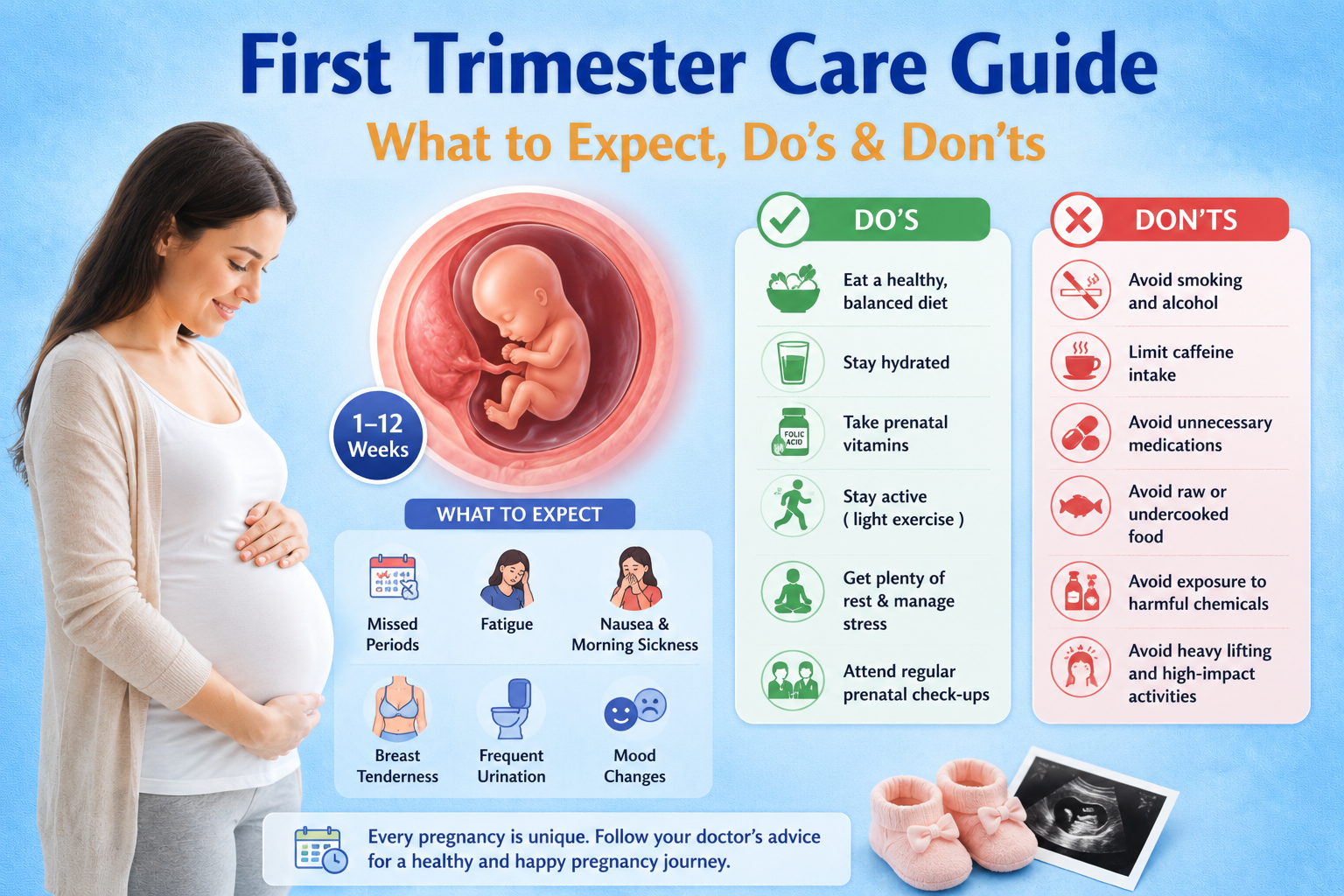
If you’re in the early stages of pregnancy, read our first trimester pregnancy care guide.
Choosing the Right Hospital for Delivery
Whether you’re planning a normal delivery or a C-section, choosing the right hospital is essential.
Look for:
- Experienced obstetricians and gynecologists
- 24/7 emergency maternity care
- Advanced neonatal care
- Modern labor rooms
- High-risk pregnancy management
- Comprehensive prenatal and postnatal services
Why Choose Karna Hospital for Pregnancy and Delivery Care?
At the best multispeciality hospital in Hassan, mothers receive compassionate, evidence-based maternity care throughout pregnancy, childbirth, and recovery.The women and child care services at Karna Hospital include:
Our Services Include
- Routine pregnancy care
- High-risk pregnancy management
- Normal vaginal delivery
- Cesarean section
- Fetal monitoring
- Neonatal care
- Postnatal care
- Lactation support
Our experienced team works closely with every family to ensure a safe delivery and healthy outcomes for both mother and baby.
Conclusion
When comparing Normal Delivery vs C-Section, it’s important to remember that the best choice depends on your individual pregnancy and medical condition.
Normal delivery is generally recommended for low-risk pregnancies because of its quicker recovery and fewer surgical risks. However, a C-section can be life-saving when complications arise and should never be viewed as a lesser option.
The most important goal is a safe delivery, healthy mother, and healthy baby. Regular prenatal care, early diagnosis of pregnancy complications, and expert guidance from experienced obstetricians help ensure the best possible outcome.
Frequently Asked Questions (FAQ)
Which is better, normal delivery or C-section?
Normal delivery is generally preferred for uncomplicated pregnancies, while a C-section is recommended when medically necessary for the safety of the mother or baby.
Is normal delivery less painful than a C-section?
Labor pain during normal delivery is usually more intense initially, whereas C-section involves postoperative pain during recovery.
Can I choose between normal delivery and C-section?
Your doctor will discuss your options, but the final recommendation depends on your health, your baby’s condition, and pregnancy-related factors.
How long does recovery take after a C-section?
Most women recover within 6–8 weeks, although individual recovery times may vary.
Is a C-section safer for the baby?
When complications arise during pregnancy or labor, a C-section can be the safest delivery method for both mother and baby.