Prostate health is an important aspect of men’s overall well-being, especially as they age. One of the most commonly recommended screening tests for prostate-related conditions is the PSA test. While many men have heard of the test, they often have questions such as: What is a PSA test? What does it measure? What is a normal PSA level? Does a high PSA mean cancer?
Understanding the purpose of a PSA test can help men make informed decisions about their health and seek timely medical care when needed.
A PSA test, also known as a prostate-specific antigen test, is a simple blood test used to evaluate prostate health and detect potential prostate conditions, including prostate cancer, enlarged prostate (BPH), and prostate inflammation.
If you are experiencing urinary symptoms or have concerns about prostate health, consulting a specialist at a urology hospital in Hassan can help determine whether PSA screening is appropriate for you.
What Is a PSA Test?
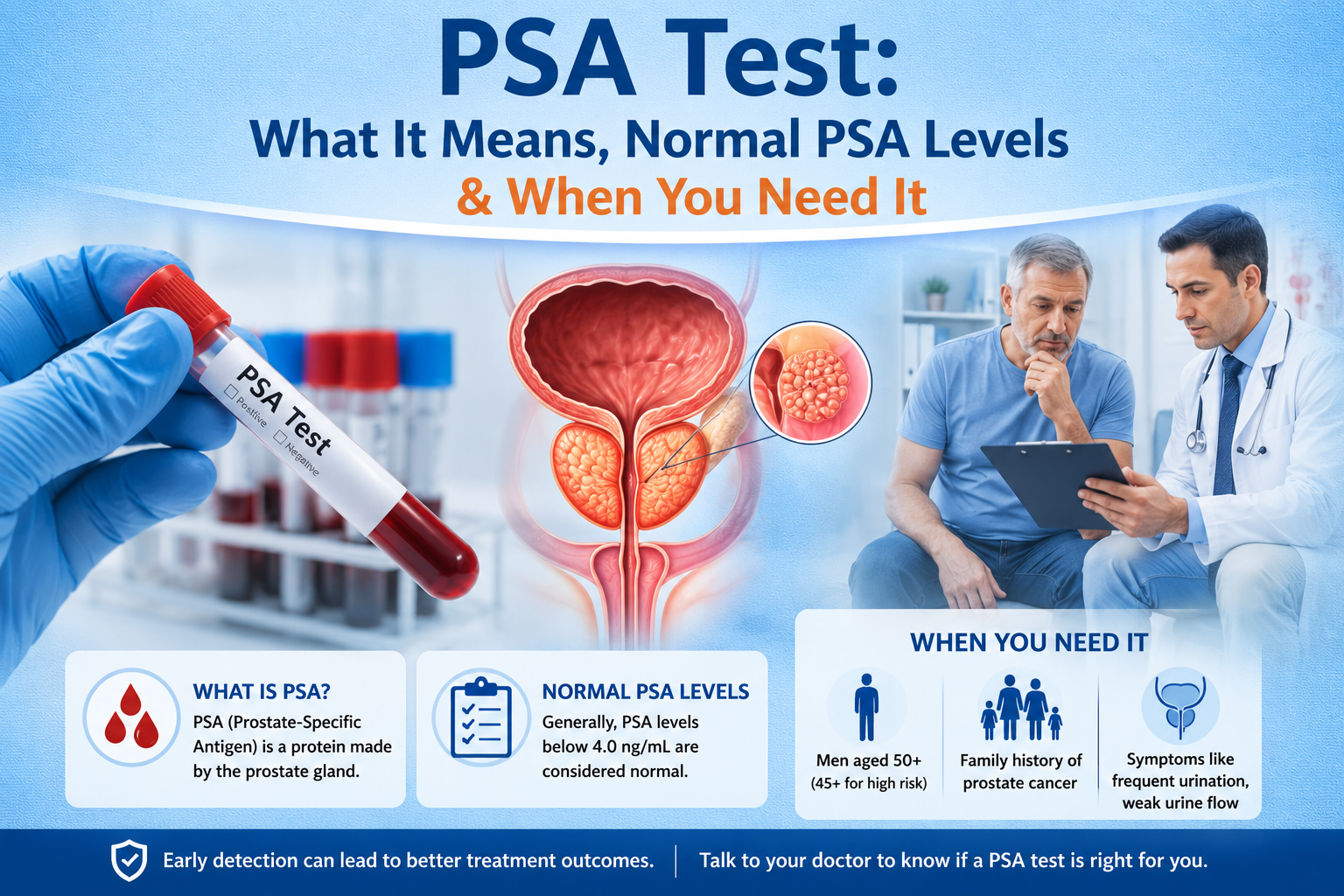
A PSA test is a blood test that measures the amount of prostate-specific antigen (PSA) in your bloodstream.
PSA is a protein produced by the prostate gland, a small gland located below the bladder in men. While small amounts of PSA are normally present in the blood, elevated levels may indicate a prostate-related condition.
The PSA test is commonly used to:
- Screen for prostate cancer
- Monitor prostate health
- Evaluate urinary symptoms
- Detect prostate enlargement
- Assess treatment effectiveness for prostate conditions
Because the test requires only a blood sample, it is quick, simple, and minimally invasive.
According to the National Cancer Institute, the PSA test is one of the most widely used screening tools for evaluating prostate health and assessing the risk of prostate cancer. Readers interested in detailed clinical information can refer to the PSA Test Fact Sheet by the National Cancer Institute
What Does the PSA Test Measure?
The PSA test measures the concentration of prostate-specific antigen in the blood.
Higher PSA levels can occur due to several reasons, including:
- Prostate cancer
- Enlarged prostate (BPH)
- Prostatitis (inflammation of the prostate)
- Urinary tract infections
- Recent prostate procedures
- Aging-related prostate changes
It is important to understand that a high PSA level does not automatically mean prostate cancer is present.
Why Is the PSA Test Important?
The PSA blood test plays a significant role in the early detection of prostate diseases.
Early identification of prostate abnormalities may allow:
- Earlier treatment
- Better management of symptoms
- Improved treatment outcomes
- Monitoring of disease progression
For men at higher risk of prostate cancer, PSA screening can be a valuable tool in detecting potential problems before symptoms appear.
What Are Normal PSA Levels?
PSA levels naturally increase with age, which is why interpretation often depends on age and individual health factors.
General PSA ranges include:
| Age Group | Typical PSA Range |
| 40–49 years | 0–2.5 ng/mL |
| 50–59 years | 0–3.5 ng/mL |
| 60–69 years | 0–4.5 ng/mL |
| 70+ years | 0–6.5 ng/mL |
However, PSA levels vary between individuals, and your doctor will evaluate results based on your medical history and risk factors.
Does a High PSA Mean Cancer?
One of the most common misconceptions is that elevated PSA levels always indicate prostate cancer.
In reality, several non-cancerous conditions can raise PSA levels.
Enlarged Prostate (BPH)
An enlarged prostate, also known as benign prostatic hyperplasia (BPH), is a common cause of elevated PSA levels in older men.
Men experiencing urinary frequency, weak urine flow, or difficulty emptying the bladder may benefit from learning more about Enlarged Prostate (BPH): Symptoms and Treatment Options
Prostatitis
Inflammation or infection of the prostate gland can temporarily increase PSA levels.
Symptoms may include:
- Pelvic pain
- Painful urination
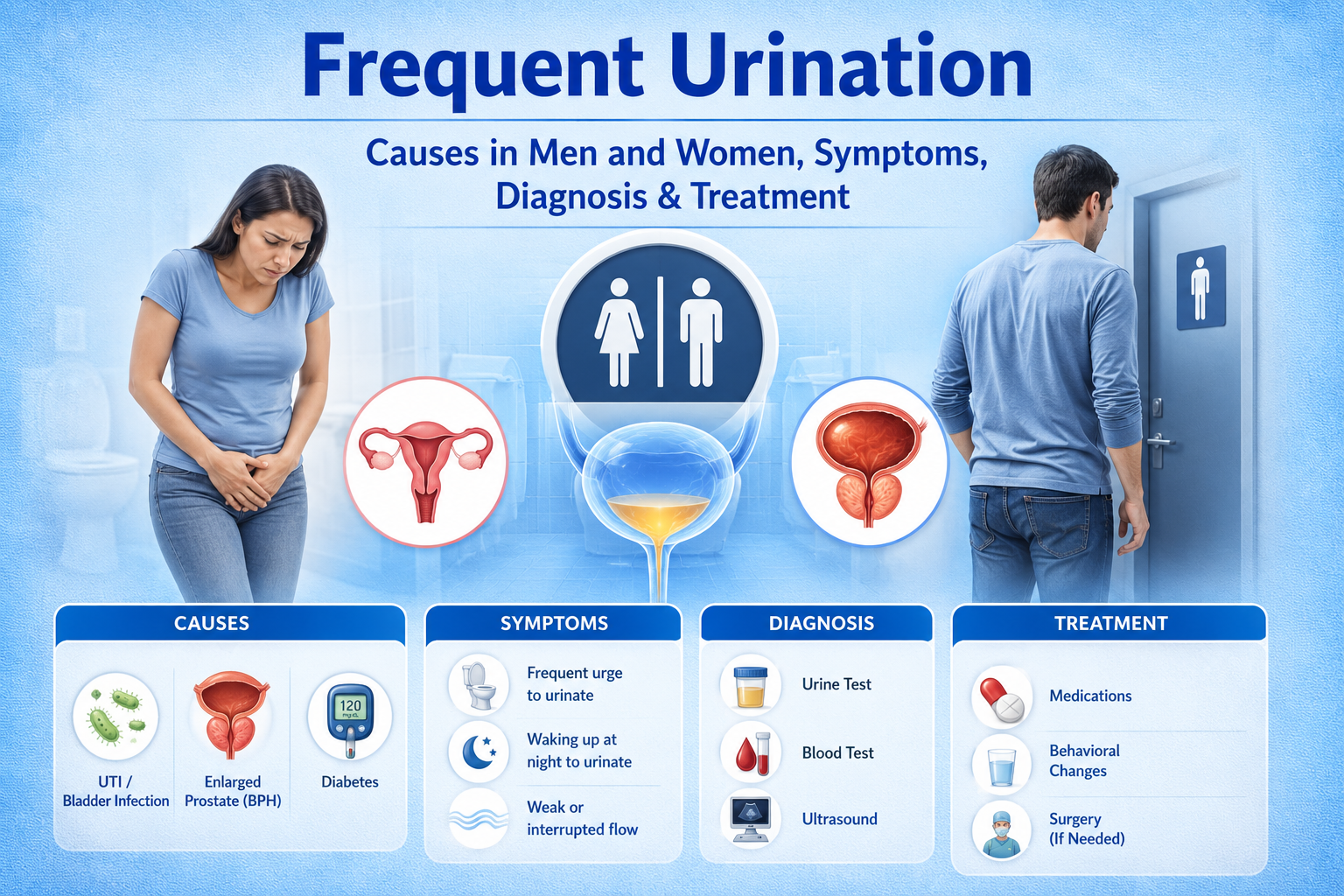
- Frequent urination
- Fever
Urinary Tract Infections
UTIs can sometimes elevate PSA levels and should be treated before repeating PSA testing.
Recent Medical Procedures
Certain procedures involving the prostate or urinary tract may temporarily increase PSA readings.
Because multiple factors can affect PSA levels, further evaluation is often needed before reaching a diagnosis.
When Should Men Get a PSA Test?
The decision to undergo PSA screening depends on age, risk factors, and personal medical history.
Average-Risk Men
Many healthcare providers recommend discussing PSA screening beginning around age 50.
Higher-Risk Individuals
Earlier screening may be recommended for men who:
- Have a family history of prostate cancer
- Have a father or brother diagnosed with prostate cancer
- Experience persistent urinary symptoms
- Have previously elevated PSA levels
Consulting a qualified urologist can help determine the appropriate screening schedule.
Symptoms That May Indicate the Need for a PSA Test
A PSA test may be recommended if you experience:
- Frequent urination
- Difficulty starting urination
- Weak urine stream
- Painful urination
- Blood in urine
- Frequent nighttime urination
- Pelvic discomfort
Men who notice blood in urine causes, symptoms, and treatment concerns should seek medical evaluation promptly, as this symptom can be associated with several urinary tract and prostate conditions.
How Is a PSA Test Performed?
PSA testing is performed using a blood sample analyzed in a certified laboratory. Patients seeking laboratory diagnostic services can also learn more about testing facilities through the Central Laboratory, Hassan Institute of Medical Sciences (HIMS), which provides various diagnostic investigations and laboratory services.
Before the Test
Your doctor may advise:
- Avoiding ejaculation for 24–48 hours
- Informing them about medications
- Reporting recent urinary infections
- Discussing previous prostate procedures
During the Test
A healthcare professional collects a small blood sample from a vein in your arm.
The procedure usually takes only a few minutes.
After the Test
Results are typically available within a few days, depending on the laboratory.
Your doctor will review the findings and explain whether further testing is necessary.
What Happens If PSA Levels Are High?
Elevated PSA levels do not automatically indicate prostate cancer.
Your doctor may recommend:
Repeat PSA Testing
Sometimes PSA levels return to normal after infections or temporary inflammation resolve.
Digital Rectal Examination (DRE)
A DRE helps evaluate the size, shape, and consistency of the prostate gland.
Imaging Studies
Ultrasound or MRI scans may be recommended for further evaluation.
Prostate Biopsy
If cancer is strongly suspected, a biopsy may be performed to confirm the diagnosis.
PSA Test and Prostate Cancer Screening
The PSA test remains one of the most widely used prostate cancer screening tools worldwide.
Benefits of screening may include:
- Earlier cancer detection
- Improved treatment options
- Better survival outcomes
- Monitoring of treatment effectiveness
However, screening decisions should always be individualized and discussed with a healthcare provider.
Other Conditions That Can Affect Urinary Health
While PSA testing focuses on prostate health, other urological conditions can also affect urinary function.
For example,Hydronephrosis: Symptoms and Causes can lead to urinary symptoms when urine flow becomes obstructed and backs up into the kidneys.
Comprehensive evaluation helps ensure the correct diagnosis and treatment plan.
Benefits of Early PSA Screening
Early screening offers several advantages:
- Identification of prostate abnormalities before symptoms develop
- Better monitoring of prostate health
- Timely treatment of prostate conditions
- Improved long-term outcomes
Regular health checkups and prostate evaluations become increasingly important as men age.
Conclusion
The PSA test is a valuable tool for evaluating prostate health and identifying potential prostate conditions, including prostate cancer, enlarged prostate, and prostate inflammation. While elevated PSA levels do not necessarily indicate cancer, they should always be evaluated by a qualified healthcare professional.
Understanding what PSA levels mean, knowing when screening is appropriate, and seeking timely medical advice can help men take a proactive approach to their health. If you are experiencing urinary symptoms or have concerns about prostate disease, consult a specialist at a trusted urology hospital in Hassan to discuss whether PSA testing is right for you.
Frequently Asked Questions
What Is a PSA Test?
A PSA test is a blood test that measures prostate-specific antigen levels to evaluate prostate health and screen for prostate-related conditions.
What Is a Normal PSA Level?
Normal PSA levels vary based on age and individual health factors. Your doctor will interpret results in the context of your overall medical history.
Does a High PSA Mean Prostate Cancer?
No. Elevated PSA levels can result from enlarged prostate, prostatitis, infections, or other non-cancerous conditions.
How Often Should Men Get a PSA Test?
Screening frequency depends on age, risk factors, family history, and previous PSA results.
Is the PSA Test Painful?
No. The PSA test involves a routine blood draw and is generally well tolerated.
When Should You See a Urologist?
You should consult a specialist if you experience:
- Persistent urinary symptoms
- Elevated PSA levels
- Blood in urine
- Difficulty urinating
- Frequent nighttime urination
- Family history of prostate cancer