Kidney stones are a common urological condition that can cause severe pain, urinary discomfort, and complications if left untreated. While many small stones pass naturally, larger stones or those causing persistent symptoms often require surgical intervention. Advances in minimally invasive urology have made kidney stone surgery safer, more effective, and associated with faster recovery than ever before.
If you’re considering kidney stone surgery in Hassan, understanding what happens before, during, and after the procedure can help you feel more prepared and confident. Before surgery is recommended, your urologist will evaluate the size, location, and severity of the stone and discuss the most appropriate kidney stone treatment in Hassan based on your condition.
When Is Kidney Stone Surgery Needed?
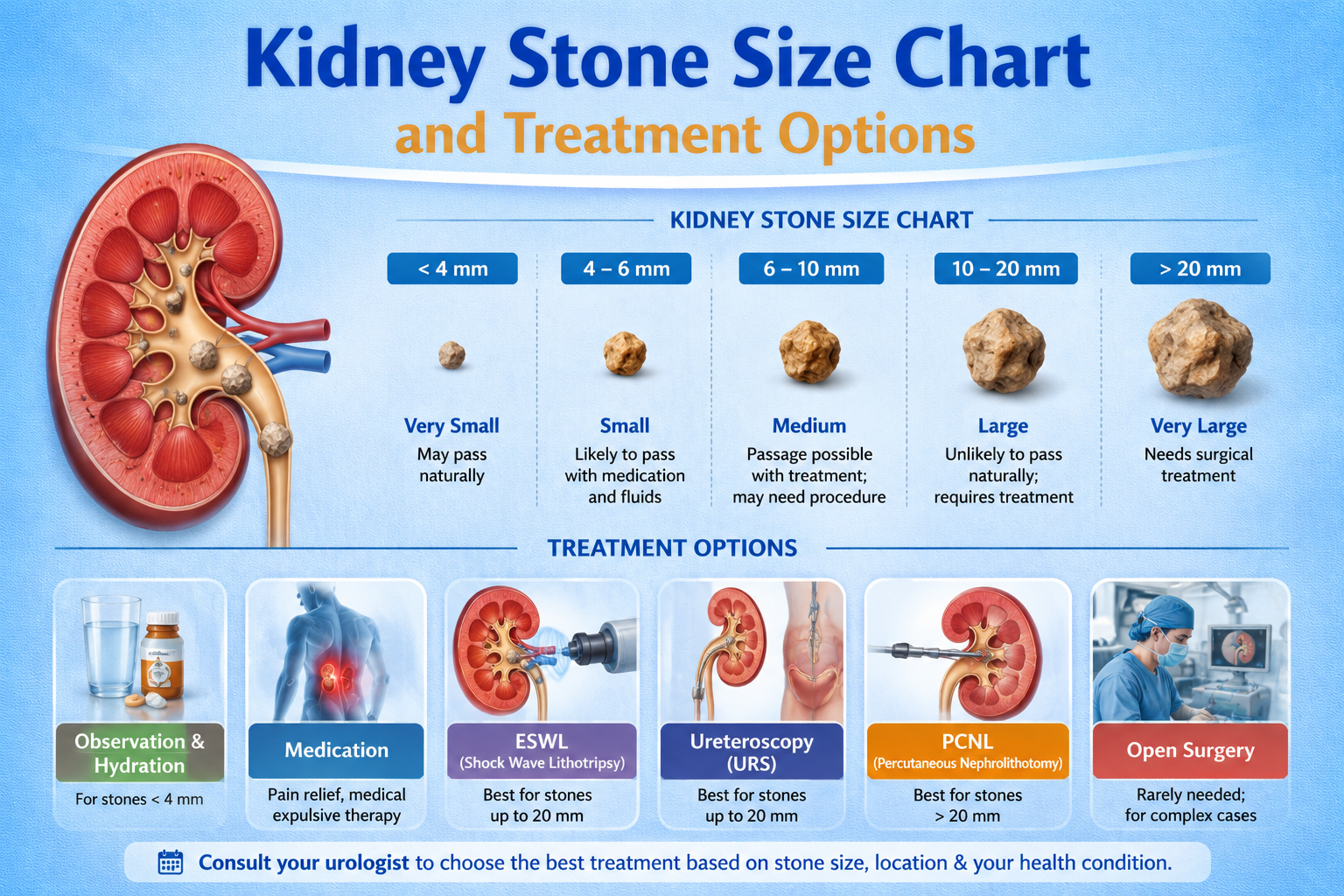
Not every kidney stone requires surgery. Small stones, typically less than 5 mm, often pass naturally with hydration, pain management, and medication.
However, surgery may be recommended if you have:
- Stones larger than 6–7 mm
- Severe or persistent pain
- Blood in the urine
- Recurrent urinary tract infections
- Blockage of urine flow
- Kidney swelling (hydronephrosis)
- Reduced kidney function
- Stones that fail to pass naturally
If you’re experiencing symptoms such as blood in urine, it’s important to seek prompt medical evaluation, as it may indicate kidney stones or other urinary tract conditions. Understanding the kidney stone size chart and treatment options can help you learn which stone sizes may pass naturally and when minimally invasive surgery becomes the recommended treatment.
Preparing for Kidney Stone Surgery
Before surgery, your urologist will perform a detailed evaluation to determine the size, location, and type of stone and recommend the most appropriate treatment.
Medical Evaluation
You may undergo:
- Physical examination
- Review of your medical history
- Blood tests
- Urine analysis
- Urine culture (if infection is suspected)
Imaging Tests
Imaging helps your doctor accurately locate the stone and plan treatment.
Common investigations include:
- Ultrasound
- CT scan
- X-ray (KUB)
- Intravenous urography (in selected cases)
Before the Procedure
Your doctor may advise you to:
- Stop certain medications temporarily
- Avoid eating or drinking for several hours before surgery
- Arrange transportation after the procedure
- Inform the medical team about allergies or existing health conditions
Following these instructions helps reduce surgical risks and supports a smoother recovery.
Types of Kidney Stone Surgery
The choice of procedure depends on the stone’s size, location, hardness, and your overall health.
1. Ureteroscopy (URS)
URS is commonly performed for stones located in the ureter.
During the procedure:
- A thin scope is passed through the urinary tract.
- The stone is visualized directly.
- A laser is used to break the stone into smaller fragments.
- Small fragments are removed or allowed to pass naturally.
Because there are no external cuts, recovery is usually quick.
2. Retrograde Intrarenal Surgery (RIRS)
RIRS is a minimally invasive technique used for stones inside the kidney.
Advantages include:
- No surgical incision
- Minimal pain
- Short hospital stay
- Faster recovery
- High success rates for suitable stones
3. Percutaneous Nephrolithotomy (PCNL)
PCNL is generally recommended for:
- Large kidney stones
- Multiple stones
- Complex or staghorn stones
During PCNL:
- A small incision is made in the back.
- A narrow tract is created into the kidney.
- Specialized instruments remove the stone.
Although slightly more invasive than URS or RIRS, PCNL remains a highly effective treatment for larger stones.
4. Extracorporeal Shock Wave Lithotripsy (ESWL)
ESWL uses shock waves to break stones into smaller fragments that can pass naturally through urine.
It is best suited for selected patients with smaller stones and may not be appropriate for every case.
Your urologist will recommend the most effective treatment based on your condition.
What Happens During Kidney Stone Surgery?
Although the exact steps vary depending on the procedure, most surgeries follow a similar process.
Admission
You will be admitted to the hospital and prepared for surgery.
Anaesthesia
Depending on the procedure, you may receive:
- General anaesthesia
- Spinal anaesthesia
This ensures that you remain comfortable throughout the procedure.
Stone Removal
The surgeon carefully removes or fragments the stone using advanced endoscopic instruments or laser technology.
Recovery Room
After surgery, you will be monitored until the effects of anaesthesia wear off.
Many minimally invasive procedures allow patients to return home the same day or after a short hospital stay.
What to Expect After Kidney Stone Surgery
Recovery depends on the type of surgery performed.
Most patients experience:
- Mild discomfort
- Temporary burning during urination
- Slight blood in urine
- Increased urination for a few days
These symptoms generally improve as healing progresses.
Your doctor may prescribe:
- Pain medication
- Antibiotics (if required)
- Increased fluid intake
- Temporary ureteric stent care instructions
Recovery Timeline
Recovery varies depending on the surgical technique.
After URS or RIRS
Most patients:
- Return home within 24 hours
- Resume light activities within a few days
- Return to work in about one week
After PCNL
Recovery may include:
- Hospital stay of 2–3 days
- Gradual return to normal activities over 2–4 weeks
Your urologist will advise when it is safe to resume exercise and heavy lifting.
Possible Risks and Complications
Modern kidney stone surgery is generally safe, but every surgical procedure carries some risks.
Possible complications include:
- Infection
- Bleeding
- Temporary urinary discomfort
- Stone fragments remaining
- Ureteral injury (rare)
- Recurrence of kidney stones
Choosing an experienced urology hospital in Hassan helps minimize these risks and ensures access to advanced treatment options.
Tips for a Faster Recovery
To support healing after kidney stone surgery:
- Drink plenty of water
- Take medications exactly as prescribed
- Avoid heavy lifting until approved
- Follow dietary recommendations
- Attend follow-up appointments
- Report fever, severe pain, or heavy bleeding immediately
Most patients recover well when they follow their doctor’s advice.
Can Kidney Stones Return?
Yes. Unfortunately, kidney stones can recur if preventive measures are not followed.
Your doctor may recommend:
- Drinking 2.5–3 litres of water daily
- Reducing excess salt intake
- Maintaining a healthy weight
- Staying physically active
- Managing underlying medical conditions
Diet also plays a significant role in preventing recurrence. Understanding the foods that cause kidney stones can help you make informed dietary choices and lower your risk of developing future stones.
When Should You Consult a Urologist?
Seek medical attention if you experience:
- Severe flank or back pain
- Blood in urine
- Pain while urinating
- Fever with urinary symptoms
- Recurrent kidney stones
- Persistent nausea or vomiting
- Difficulty passing urine
Delayed treatment can increase the risk of complications, including kidney damage.
If urinary obstruction leads to swelling of the kidney, your doctor may evaluate for conditions such as hydronephrosis, which requires timely diagnosis and treatment.
Why Choose Karna Hospital for Kidney Stone Surgery in Hassan?
At Karna Hospital’s Urology Department, patients receive comprehensive evaluation and advanced treatment for kidney stones using modern minimally invasive techniques.
Our experienced urologists provide:
- Advanced diagnostic imaging
- Laser stone removal procedures
- Minimally invasive kidney stone surgery
- Personalized treatment plans
- Comprehensive postoperative care
- Long-term stone prevention guidance
Our goal is to help patients achieve complete stone clearance while ensuring a safe recovery and reducing the risk of recurrence.
Frequently Asked Questions
Is kidney stone surgery painful?
The procedure is performed under anaesthesia, so you will not feel pain during surgery. Mild discomfort afterward is normal and usually managed with medication.
How long does kidney stone surgery take?
Most minimally invasive procedures take between 30 minutes and 2 hours, depending on the size and location of the stone.
How soon can I return to work?
Many patients return to office work within a few days after URS or RIRS, while recovery after PCNL may take 2–4 weeks.
Will all kidney stones require surgery?
No. Small stones often pass naturally, while larger stones or those causing complications may require surgical removal.
Can kidney stones come back after surgery?
Yes. Without preventive lifestyle changes and regular follow-up, new stones can develop. Staying hydrated, following dietary advice, and addressing underlying risk factors can significantly reduce the chances of recurrence.
Conclusion
Kidney stone surgery has become safer and more effective thanks to advances in minimally invasive urological techniques. Whether you require URS, RIRS, PCNL, or ESWL, understanding the treatment process can help you feel more confident and prepared.
After successful treatment, maintaining healthy lifestyle habits is essential to reduce the risk of recurrence. Drinking enough water, following a kidney-friendly diet, and learning how to prevent kidney stones naturally can help protect your kidney health in the long term.
If you’re experiencing persistent kidney stone symptoms, consult an experienced urologist for early diagnosis and personalized treatment. Timely care can relieve pain, preserve kidney function, and help you return to your normal routine with confidence.