If you have ever experienced a sudden, sharp ache in your lower back or side that leaves you gasping for breath, you might be dealing with a renal calculus commonly known as a kidney stone. The experience is widely regarded by medical professionals as one of the most intense forms of physical discomfort a human can endure.
Understanding the nature of kidney stone pain, recognizing its early symptoms, knowing where it originates, and exploring effective relief options are critical steps toward managing this condition and seeking timely medical intervention.
What Causes Kidney Stone Pain?
The kidneys filter waste products from the blood to form urine. When your urine contains high levels of certain minerals such as calcium, oxalate, uric acid, or phosphorus and lacks sufficient fluid to dilute them, these minerals crystallize. Over time, these crystals fuse together to form hard stones.
Interestingly, a stone sitting quietly inside the kidney often causes zero discomfort. The intense kidney stone pain begins when the stone detaches from the kidney and attempts to travel down the ureter, the narrow, muscular tube connecting the kidney to the urinary bladder.
Because the ureter is incredibly narrow (typically only 3 to 4 millimeters wide), a larger stone can become wedged. This obstruction blocks the natural flow of urine, causing the kidney to swell and stretching the highly sensitive nerve fibers lining the renal capsule. Additionally, the muscular walls of the ureter undergo powerful, spasmodic contractions as they attempt to squeeze the stone forward, triggering waves of acute discomfort.
Recognizing the Key Symptoms of Kidney Stone Pain
When a stone begins to move, it produces a distinct cluster of clinical symptoms. While the localized discomfort is the most prominent indicator, it rarely occurs in isolation.
Common Clinical Signs for kidney stone pain
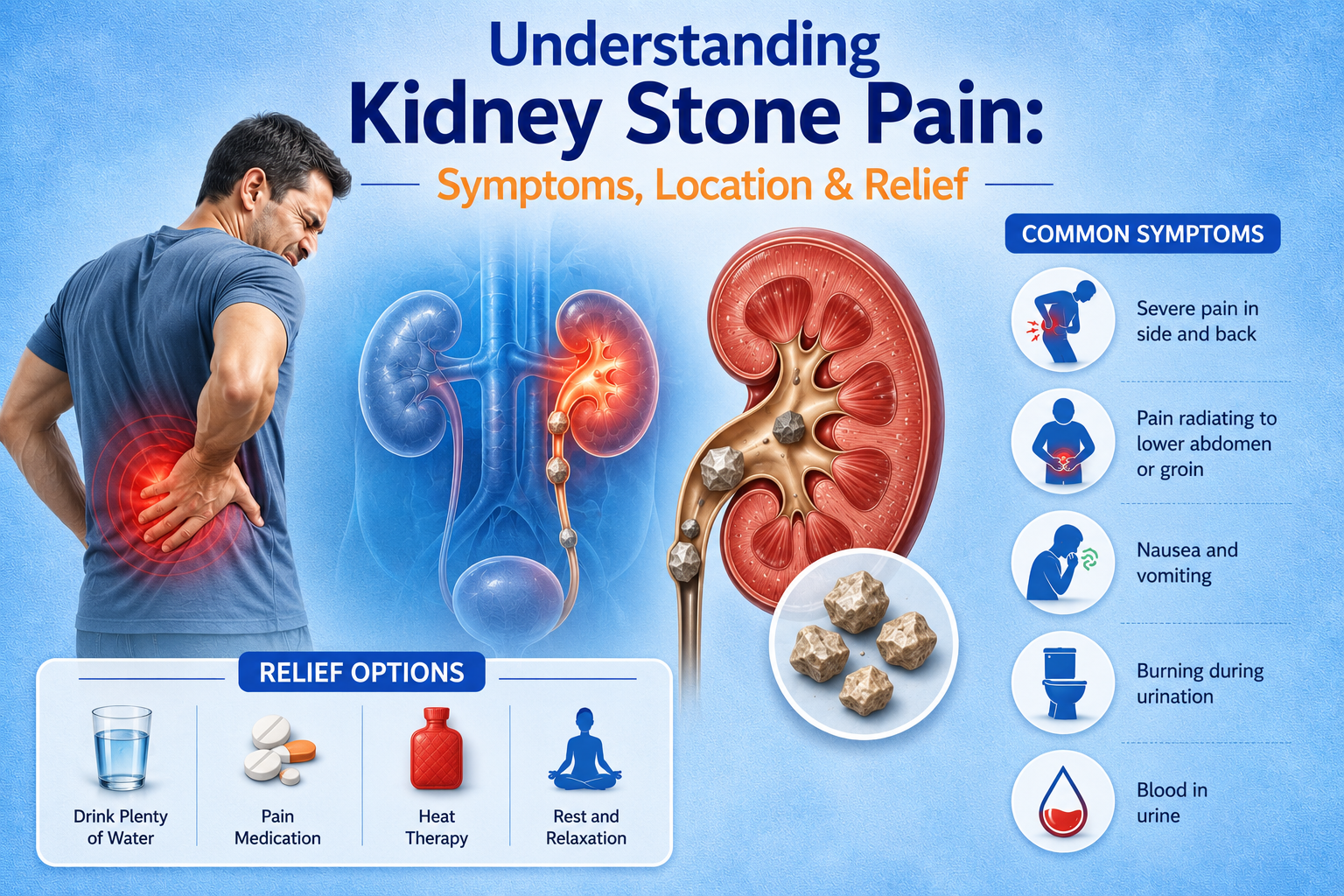
If you are experiencing renal distress, you will likely notice several of the following symptoms alongside the primary kidney stone pain:
- Hematuria (Blood in the Urine): The sharp edges of a migrating stone scrape against the delicate inner lining of the ureter, causing micro-tears. This frequently results in urine that appears pink, red, or cola-colored. While highly indicative of stones, experiencing discolored urine warrants a broader clinical investigation. You can read more about the diagnostic approach to this symptom in our detailed guide on blood in urine.
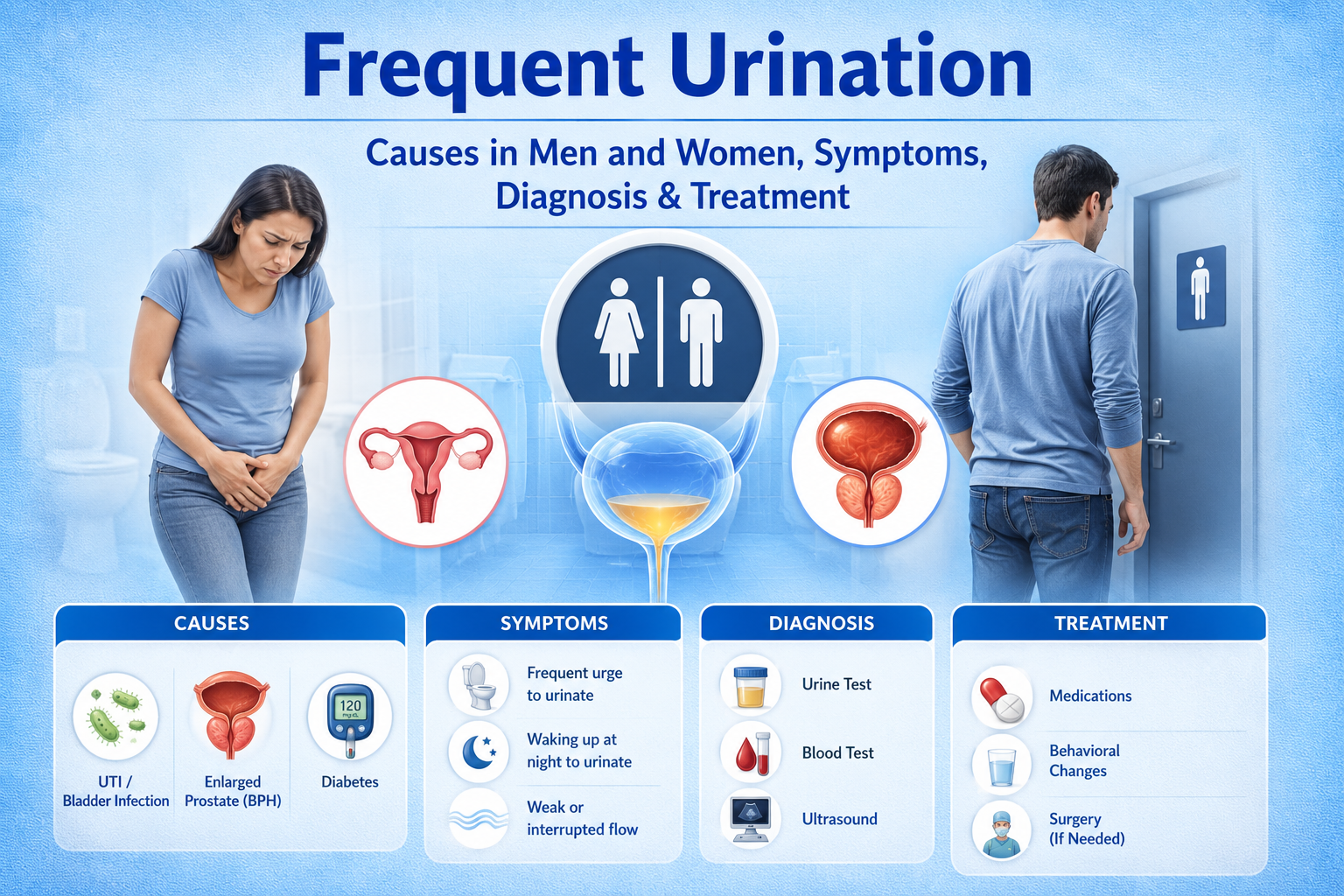
- Dysuria and Urinary Urgency: As the stone nears the junction where the ureter enters the bladder, it irritates the bladder wall. This triggers a persistent, intense urge to urinate, often accompanied by a burning sensation during urination, even though only a small volume of fluid is passed. While this symptom is highly characteristic of a moving stone, there are numerous other overlapping conditions that can trigger an overactive bladder. Exploring the specific clinical frequent urination causes in men & women can help differentiate between a passing stone, a urinary tract infection, or an anatomical issue.
- Cloudy or Foul-Smelling Urine: A change in the clarity or odor of your urine can indicate a high concentration of minerals or a secondary urinary tract infection (UTI) resulting from stagnant urine flow behind the blockage.
- Systemic Distress (Nausea and Vomiting): The kidneys and the gastrointestinal tract share a complex network of nerve pathways (specifically via the celiac plexus). When a stone causes intense renal stretching, it triggers a reflex reaction in the stomach, leading to severe nausea and vomiting.
Pinpointing the Exact Kidney Stone Pain Location
One of the most diagnostic features of this condition is how the discomfort migrates over time. The kidney stone pain location shifts dynamically, serving as a reliable roadmap that tracks the physical progress of the stone through your urinary tract.
1. The Flank and Lower Back (Renal Pelvis and Upper Ureter)
When a stone first enters the upper portion of the ureter, the initial kidney stone pain location is concentrated in the flank—the regional area of the back just below the rib cage on either side of the spine. This is a deep, boring, or stabbing sensation that does not change or improve when you shift positions or lie down.
2. The Side and Upper Abdomen (Mid-Ureter)
As the stone migrates further down the narrow tube, the discomfort radiates forward around the torso toward the upper abdomen. During this phase, patients often report a wrapping sensation of sharp, episodic waves that peak in intensity before temporarily subsiding.
3. The Groin and Lower Abdomen (Lower Ureter and Bladder)
As the stone approaches the bladder, the kidney stone pain location moves distinctly into the lower abdomen and pelvis. In men, this discomfort often radiates directly into the testicles or the tip of the penis. In women, the sensation often projects into the labia.
| Stone Location | Primary Pain Zone | Key Accompanying Indicator |
| Upper Ureter / Kidney | Flank and lower back beneath the ribs | Deep, dull ache alternating with sharp stabs |
| Mid-Ureter | Upper abdomen and side of the torso | Spasmodic waves that cause restlessness |
| Lower Ureter (UVJ) | Lower abdomen, pelvis, groin, or genitalia | Intense urinary urgency and burning |
Practical Methods for Achieving Kidney Stone Pain Relief
Managing the acute discomfort of a passing stone requires a multi-faceted medical strategy. Depending on the size of the stone and the severity of the obstruction, options for kidney stone pain relief range from conservative at-home management to advanced, minimally invasive clinical interventions.
At-Home treatments for kidney stone pain
For small stones (typically less than 5 millimeters in diameter) that do not present signs of infection or kidney compromise, conservative management is often highly successful: You can cross-reference your specific symptoms and stone measurements with our kidney stone size chart to better understand what to expect during this process.
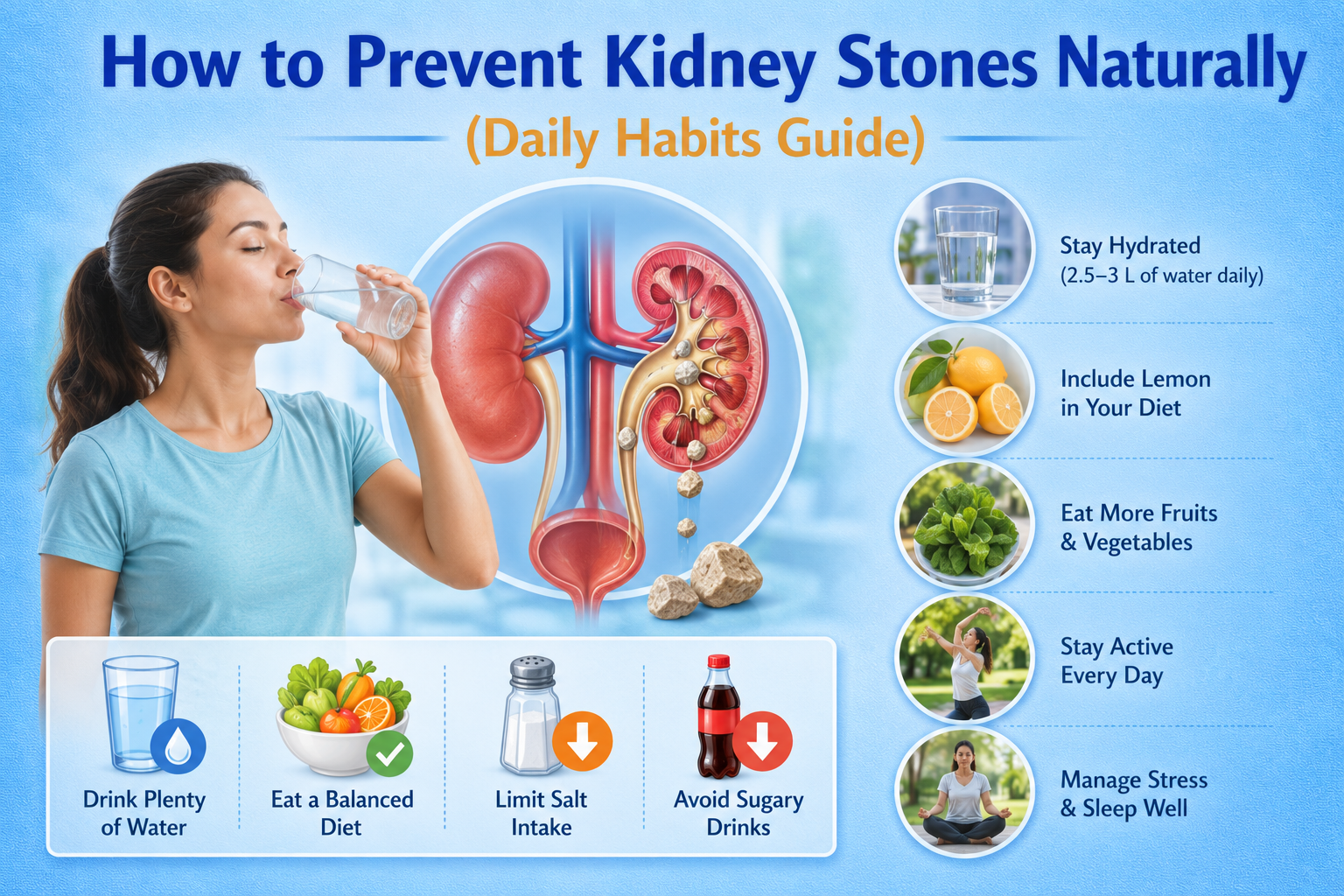
- Aggressive Hydration: Drinking plenty of water is essential. Consuming 2.5 to 3 liters of water daily helps generate enough urinary pressure to flush the stone out of the system.
- Targeted Medication: Over-the-counter nonsteroidal anti-inflammatory drugs (NSAIDs) are highly effective because they reduce the local inflammation and swelling in the ureter wall, which helps lower the overall pressure within the kidney.
- Medical Expulsive Therapy: A urologist may prescribe alpha-blockers. These prescription medications relax the smooth muscle tissues of the lower ureter, opening up the passage and allowing the stone to pass more quickly and with significantly less friction.
Advanced Medical and surgical treatments for kidney stone pain
When a stone is too large to pass naturally, causes unmanageable distress, or completely blocks urine flow, advanced urological interventions are required to achieve lasting kidney stone pain relief.
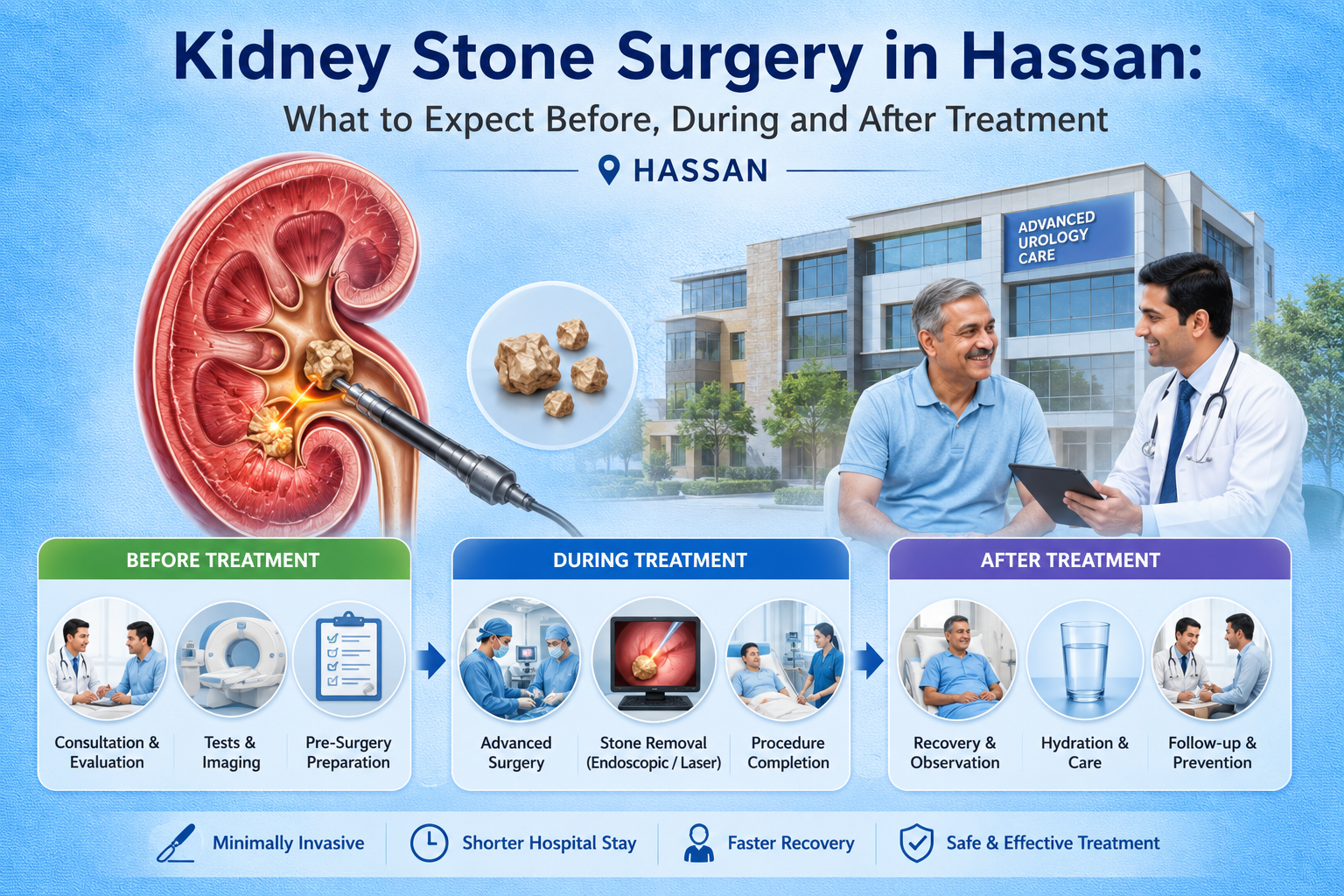
Modern medical advancements mean that traditional, invasive procedures are rarely necessary. Today, patients have access to highly efficient options when comparing modern kidney stone treatment: Laser surgery vs. open surgery, which offer significantly faster recovery times, minimal discomfort, and higher success rates. These include:
- Extracorporeal Shock Wave Lithotripsy (ESWL): A non-invasive procedure that utilizes targeted acoustic shock waves from outside the body to fracture the dense stone into tiny, sand-like fragments that can then be easily passed in the urine.
- Ureteroscopy (URS): A minimally invasive procedure where a urologist passes a thin, fiber-optic scope through the urethra and bladder directly into the ureter. A specialized holmium laser is then used to break up the stone, and the fragments are removed using a small basket device.
- Percutaneous Nephrolithotomy (PCNL): Reserved for complex or very large stones (greater than 2 centimeters). This surgical technique involves a small incision in the patient’s back to access the kidney directly, allowing the specialist to fragment and extract the stone.
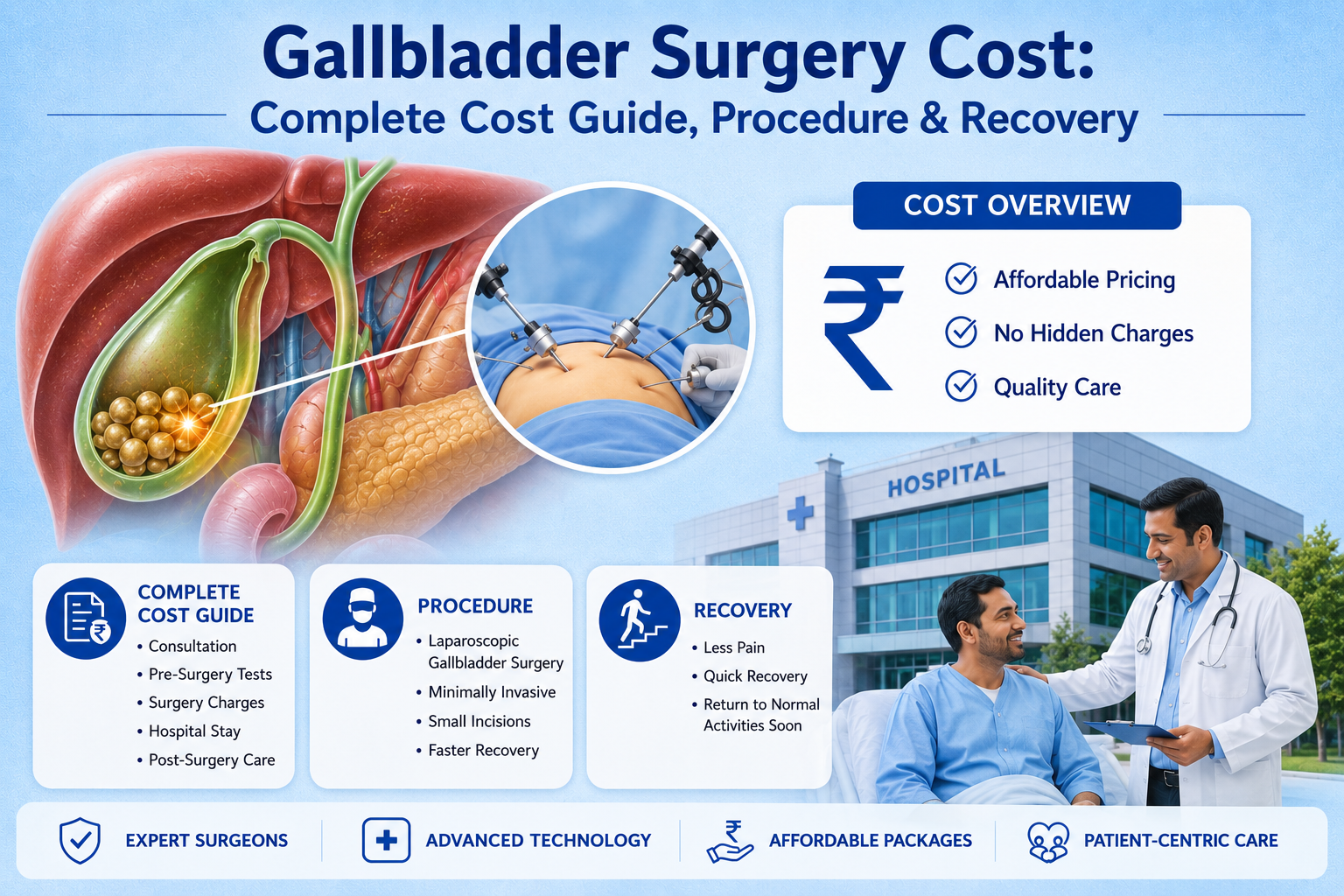
For residents in and around the Hassan district looking for advanced clinical care close to home, finding specialized urological care is straightforward. You can access expert urologists and cutting-edge diagnostic infrastructure by visiting our center for state-of-the-art kidney stone treatment in Hassan.
When to Seek Medical Attention for Kidney Stone Pain
While many small stones can pass safely at home with proper management, certain symptoms indicate a medical emergency. You should seek immediate care at an emergency medical facility if your condition is accompanied by:
- A high fever or chills (clear indicators of a dangerous, concurrent kidney infection).
- Persistent vomiting that makes it impossible to retain oral medications or fluids.
- An inability to pass urine, indicating a complete bilateral or unilateral obstruction.
- Extreme, unmanageable distress that does not respond to oral pain medications.
If you are experiencing symptoms or need expert guidance on managing renal discomfort, contact the Best urology hospital in Hassan to schedule a comprehensive evaluation with a clinical specialist.
Frequently Asked Questions About Kidney Stone Pain
1. Where is kidney stone pain typically felt?
The classic kidney stone pain location begins as a deep, severe ache in the flank (one side of your lower back, right beneath the rib cage). As the stone moves down the narrow ureter tube toward the bladder, the discomfort travels along the side of the body, radiating into the lower abdomen, pelvic region, and groin.
2. What does kidney stone pain feel like?
Many patients describe it as a sharp, stabbing, or burning sensation. It typically occurs in sudden, intense waves (renal colic) rather than a steady, continuous ache. These spasms happen because the muscular walls of the ureter are contracting forcefully to squeeze the stone out.
3. How can I get quick kidney stone pain relief at home?
For smaller stones being managed at home under a doctor’s supervision, temporary kidney stone pain relief can be achieved by staying aggressively hydrated to help flush the stone and taking over-the-counter anti-inflammatory medications (like ibuprofen) to reduce swelling inside the ureter. Applying a warm heating pad to your lower back can also help soothe muscle spasms.
4. How long does kidney stone pain last?
The duration depends on the size and location of the stone. A single spasm or wave of intense discomfort can last anywhere from 20 to 60 minutes. However, the overall process of passing a stone can take anywhere from a few days to several weeks. If a stone takes too long to pass or causes continuous distress, medical intervention is necessary.
5. Can a kidney stone cause pain without passing blood?
Yes, it is possible. While blood in the urine (hematuria) is a very common clinical symptom caused by the stone friction against the ureter wall, some stones migrate without causing visible bleeding. Blood may still be present at a microscopic level, which can easily be detected via a routine urinalysis at a clinic.