If you have ever noticed bulging, twisted, dark purple or blue veins snaking across your legs, you are not alone. Millions of people worldwide experience this common vascular issue. For many, they are merely a cosmetic nuisance. However, for others, they bring a persistent, heavy ache, throbbing pain, and swelling that can severely interfere with daily life.
The good news is that vascular medicine has evolved remarkably over the last two decades. Gone are the days when painful surgical stripping was the only answer. Today, finding an effective varicose veins treatment is easier, safer, and far less invasive than ever before.
This research-backed guide will walk you through exactly what happens inside your legs, how to recognize the warning signs, what causes this condition, and the advanced varicose veins treatment options available to help you regain comfort and confidence.
What Are Varicose Veins?
To understand how a varicose veins treatment works, it helps to look at how your circulatory system is supposed to function.
Your arteries carry oxygen-rich blood from your heart to the rest of your body, while your veins have the difficult task of returning that blood back up to your heart. Because your legs are at the bottom of your body, those leg veins have to work against gravity.
To prevent blood from flowing backward, your veins are equipped with tiny, one-way valves. When these valves function properly, they open to let blood pass through and then snap shut. However, if these valves become weak or damaged, blood can flow backward and pool in the vein. Over time, this pooling causes the vein to stretch, twist, and swell, resulting in what we see as a varicose vein.
Recognizing the Early Symptoms for varicose veins
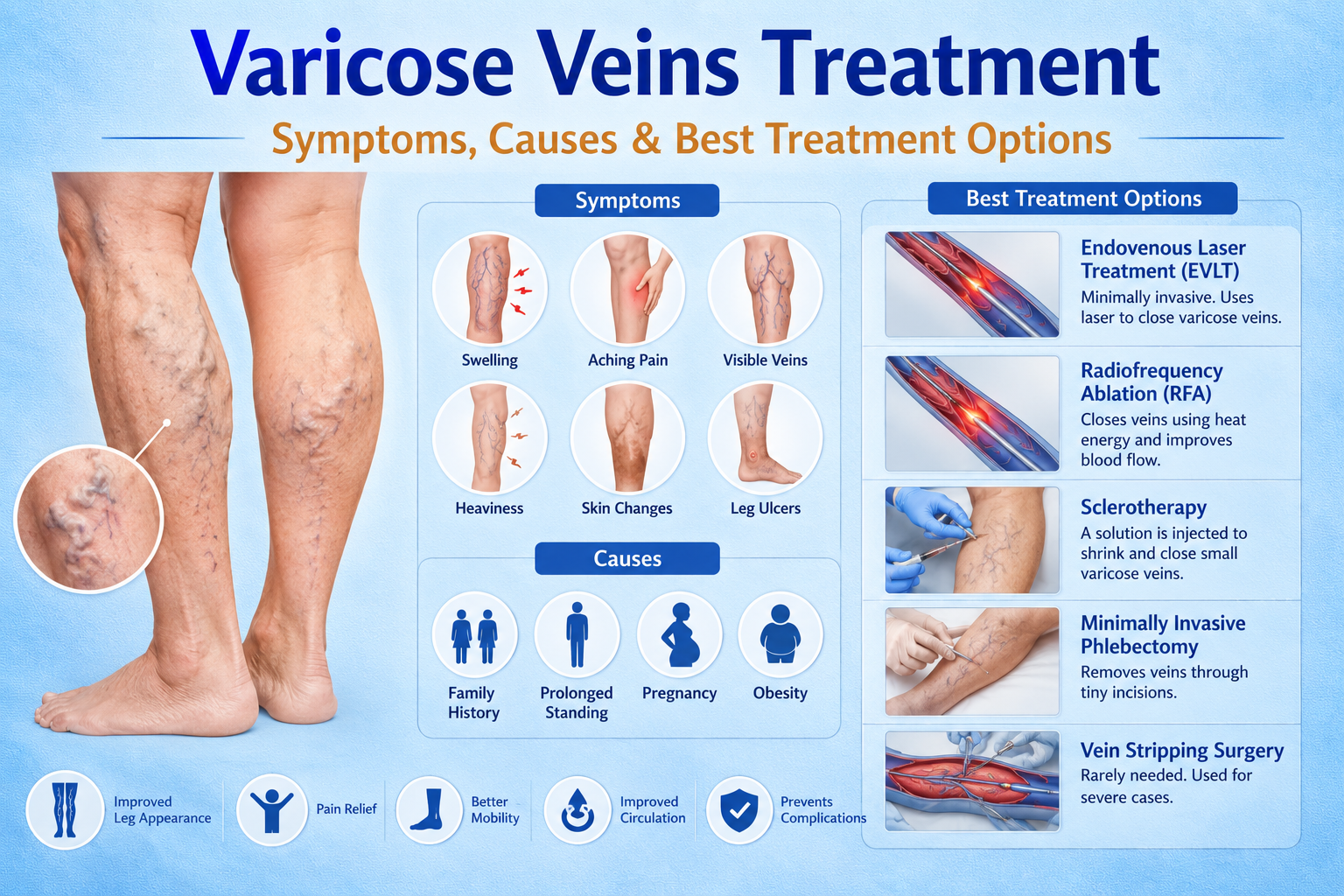
Varicose veins do not always cause physical pain right away, but they do send out clear signals. Identifying these early symptoms can help you seek timely varicose veins treatment before complications develop.
Visual Changes
- Color Discoloration: Veins that appear dark purple or distinctively blue beneath the skin.
- Physical Distortion: Veins that look twisted, rope-like, bulging, or raised above the surface of the skin. They are most commonly found on the calves, inside of the legs, or thighs.
Physical Sensation and Discomfort
- A Persistent Heaviness: An aching, tired, or heavy feeling in your legs, especially after sitting or standing for prolonged stretches of time.
- Throbbing and Cramping: Muscle cramping, burning sensations, or rhythmic throbbing in the lower legs.
- Swelling: Noticeable fluid buildup (edema) around your lower legs, ankles, or feet.
- Itching and Skin Irritation: A persistent, uncomfortable itch concentrated around one or more of your prominent veins.
- Restless Legs: An irresistible urge to move your legs, particularly when trying to rest at night.
Primary Causes and Risk Factors of varicose veins
Why do some people develop this vascular condition while others do not? Damaged valves are the direct physical cause, but several underlying risk factors make certain individuals much more susceptible.
- Genetics and Family History: If your parents or close relatives had varicose veins, your chances of developing them are significantly higher. Weak vein walls and faulty valves can be a hereditary trait.
- Age-Related Wear and Tear: As we grow older, our veins naturally lose elasticity, and the internal valves begin to wear down. This structural decline allows blood to slip backward more easily.
- Hormonal Shifts: Women are diagnosed with varicose veins more frequently than men. Hormonal fluctuations during pregnancy, pre-menstruation, and menopause can relax vein walls.
- Pregnancy Dynamics: During pregnancy, the volume of blood in a woman’s body increases dramatically to support the fetus. At the same time, the growing uterus exerts substantial physical pressure on the large pelvic veins, making it harder for blood to travel back up from the legs.
- Prolonged Sitting or Standing: If your profession requires you to stand or sit all day (such as teachers, retail workers, nurses, or desk-bound professionals), your blood has to fight gravity without the helpful assistance of muscle contractions. Walking activates your calf muscles, which act as a natural pump to squeeze blood upward.
- Obesity and Weight Management: Carrying extra body weight places additional structural pressure on your pelvic and leg veins, accelerating valve failure.
Varicose Veins Treatment Options
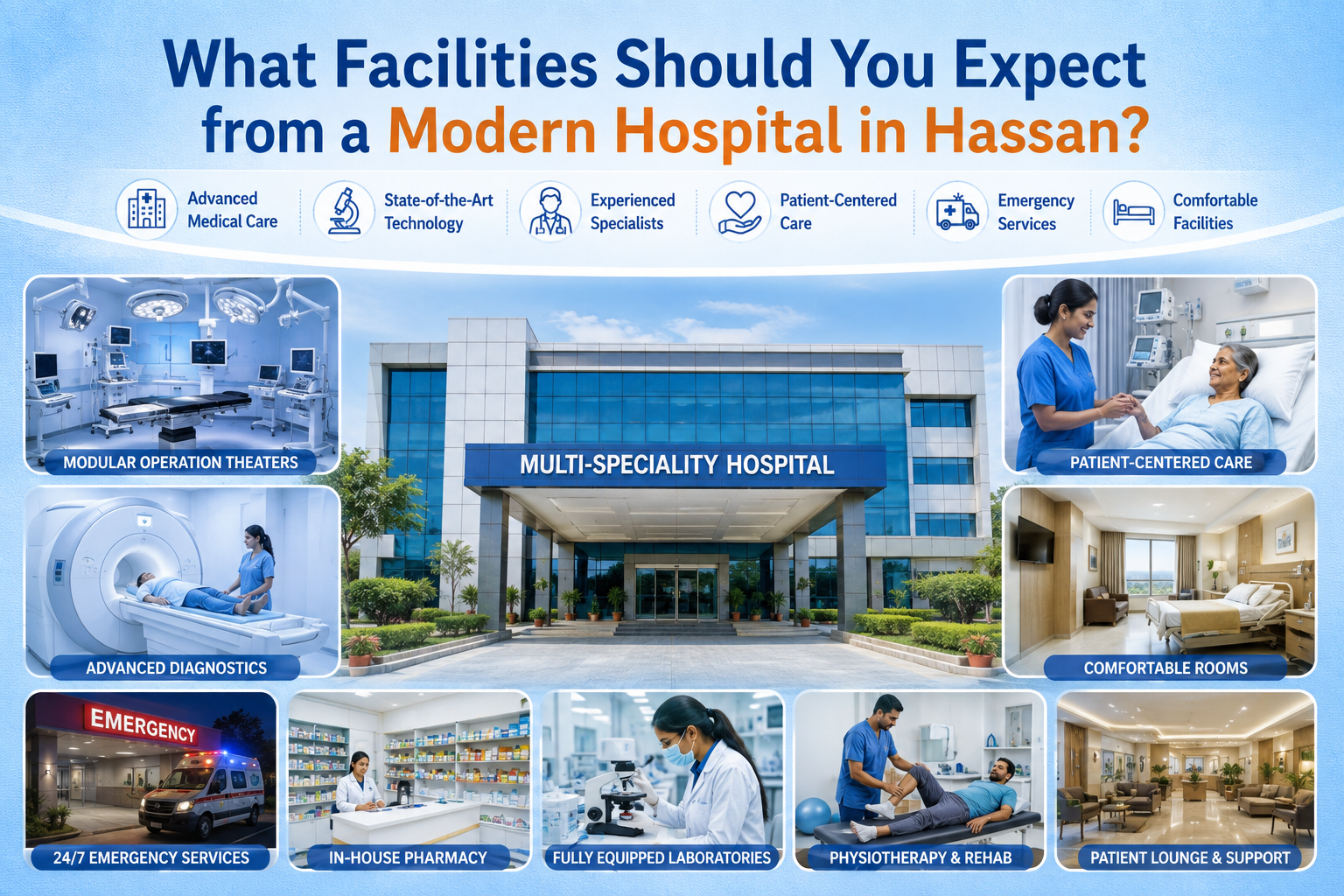
If your symptoms are worsening or lifestyle modifications are no longer keeping the discomfort at bay, it is time to explore medical interventions. Modern medicine offers highly targeted, outpatient solutions. You can explore our full range of medical and surgical options in our advanced medical treatments in Hassan.
1. Conservative Management (Non-Surgical treatment for veriocse veins)
Before recommending clinical procedures, specialists often suggest starting with non-invasive habits to manage blood flow:
- Compression Therapy: Wearing prescription-grade compression stockings is often the first line of defense. These specialized socks gently squeeze your legs, assisting your veins and muscles in moving blood more efficiently.
- Strategic Leg Elevation: Elevating your legs above the level of your heart for 15 to 20 minutes a few times a day can relieve pressure and reduce swelling.
2. Sclerotherapy for varicose veins
For smaller varicose veins and spider veins, sclerotherapy remains a gold-standard varicose veins treatment.
- How it works: A doctor injects a specialized liquid or foam solution directly into the diseased vein. This solution intentionally irritates the lining of the blood vessel, causing it to collapse and stick together.
- The result: The vein turns into scar tissue and is naturally absorbed by the body over a few weeks, while your blood flow automatically reroutes to healthier nearby veins.
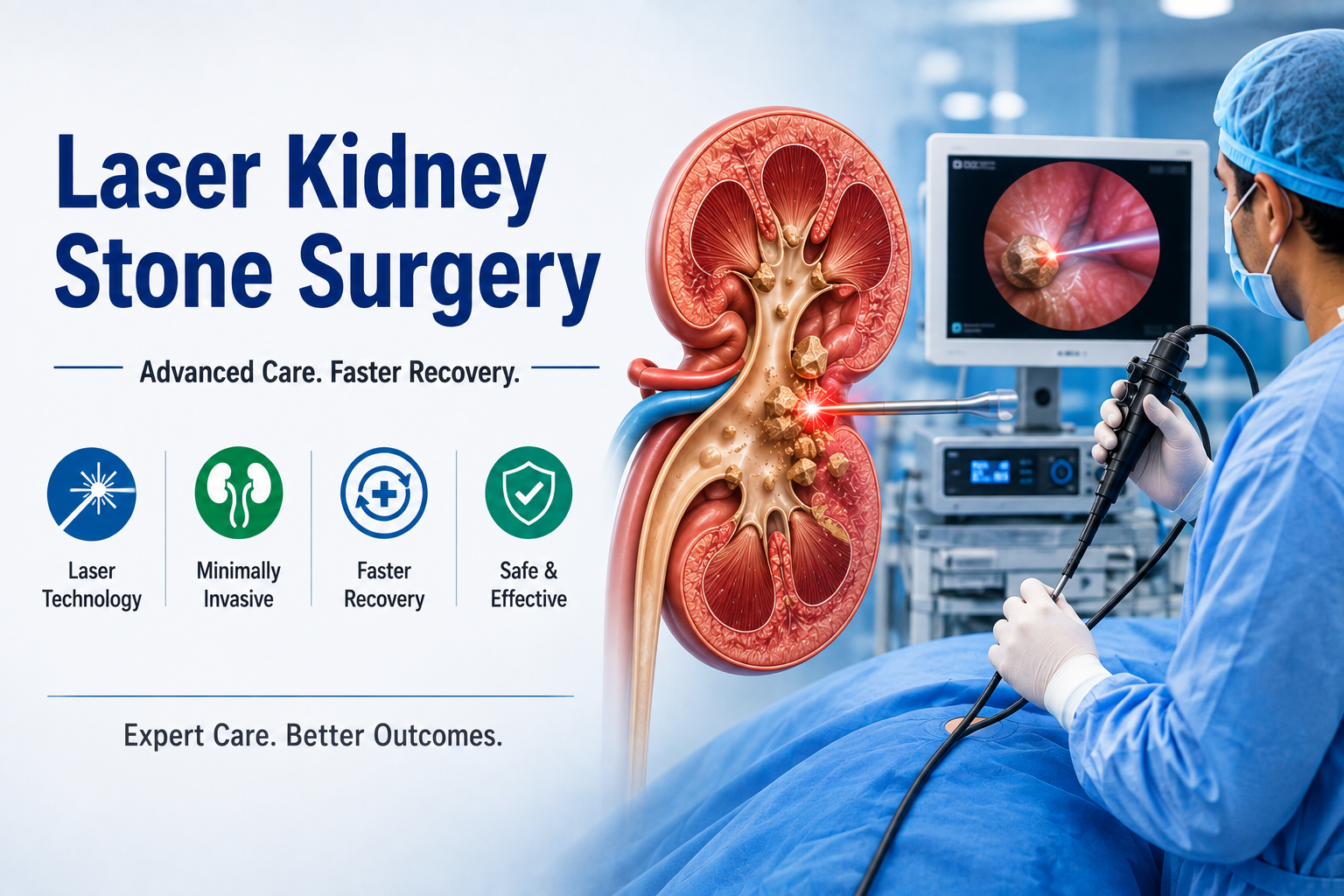
3. Endovenous Laser Ablation (EVLA) or Radiofrequency Ablation (RFA) for varicose veins
For larger, deeper varicose veins, thermal ablation has largely replaced traditional surgery.
- How it works: A vascular specialist inserts a tiny catheter into the damaged vein using ultrasound guidance. Through this catheter, the doctor delivers targeted heat using either radiofrequency energy or a precise laser fiber.
- The result: The intense thermal energy seals the walls of the diseased vein shut. It is a highly effective, minimally invasive varicose veins treatment performed under local anesthesia, allowing you to walk right out of the clinic the same day.
4. Non-Thermal Vein Adhesives (VenaSeal) for varicose veins
One of the newest innovations in varicose veins treatment avoids both heat and surgical removal entirely.
- How it works: Often referred to as “medical glue,” this procedure uses a small catheter to dispense a medical-grade adhesive inside the diseased vein.
- The result: The glue instantly seals the vein walls together. Because it uses no heat, there is virtually zero risk of nerve injury, and patients often do not even need to wear compression stockings during recovery.
5. Ambulatory Phlebectomy for varicose veins
For large, bulging veins that sit very close to the surface of the skin, a phlebectomy may be used alongside ablation.
- How it works: The doctor makes a series of tiny, puncture-sized incisions in the skin and uses a specialized tool to remove the physical sections of the varicose vein.
- The result: The incisions are so tiny they do not require stitches and typically heal without leaving noticeable scars.
For patients seeking these advanced interventions locally, you can access specialized care directly through our dedicated center for varicose vein treatment in Hassan.
Practical Prevention Tips of Varicose Veins for Everyday Life
While you cannot rewrite your genetics or stop the natural aging process, you can adopt a few simple lifestyle shifts to protect your vascular health and reduce your need for extensive varicose veins treatment down the road.
- Keep Moving: Dedicate at least 30 minutes a day to low-impact exercises like walking, swimming, or cycling to keep your calf muscles pumping.
- Break Up Long Sitting Stretches: If you work a desk job, set a timer to stand up, stretch, or walk around for a few minutes every hour.
- Watch Your Footwear: Avoid wearing high heels for extended periods. Flatter shoes engage your calf muscles more effectively, which promotes better venous circulation.
- Mind Your Posture: Try to avoid sitting with your legs tightly crossed at your knees or ankles, as this posture can mechanically restrict healthy blood flow.
Take Control of Your Vascular Health Today
Varicose veins are a progressive medical condition that responds best to early intervention. Prioritizing an accurate diagnostic evaluation can protect your skin health, relieve chronic leg fatigue, and help you find a tailored varicose veins treatment plan that restores your daily comfort. If you are ready to address leg pain, swelling, or visible veins, explore the comprehensive medical specialties available at the best multispecialty hospital in Hassan to consult with an experienced vascular specialist. Scheduling a clinical evaluation is the most effective way to evaluate your venous circulation and take the first step toward lighter, healthier legs.
Frequently Asked Questions (FAQs)
Q1. Where can I get advanced varicose veins treatment in Hassan?
You can access advanced, minimally invasive varicose veins treatment right here in Hassan at Karna Hospital, eliminating the need to travel to metro cities for modern vascular care.
Q2. Does the treatment require long hospital admission?
No. Modern procedures like laser ablation (EVLA) are performed as daycare or outpatient treatments. The process takes under an hour, and you can walk home the same day.
Q3. Is modern laser treatment for varicose veins painful?
Minimal to no pain. The procedure is performed under local anesthesia to numb the leg, meaning you will only feel mild pressure rather than pain.
Q4. Is varicose veins treatment covered by insurance at Karna Hospital Hassan?
Yes. Most health insurance plans and TPAs cover varicose veins treatment when it is medically necessary due to symptoms like pain or swelling. Our desk can assist you with your approval.
Q5. How soon can I return to work after treatment?
You can usually return to light daily activities and desk work within 1 to 2 days. We only recommend avoiding strenuous heavy lifting or long standing for about two weeks.