A hernia is a common medical condition that affects both men and women, often causing discomfort, swelling, and pain. While some hernias remain mild initially, they can worsen over time if left untreated. Understanding hernia causes, symptoms, and risk factors is essential for early diagnosis and effective treatment.
This guide explains everything you need to know about hernias, including how they differ in men and women and when medical intervention is necessary.
What Is a Hernia?
A hernia occurs when an internal organ or tissue pushes through a weak spot in the surrounding muscle or connective tissue. It commonly develops in the abdominal area but can also appear in other parts of the body.
Common Types of Hernia
- Inguinal hernia (groin area)
- Umbilical hernia (near the navel)
- Incisional hernia (after surgery)
- Hiatal hernia (upper stomach)
For detailed treatment options, read: Hernia Surgery: Types, Recovery Time & Laparoscopic Options
Hernia Causes in Men and Women
Understanding what causes hernia in men and women helps in prevention and early treatment.
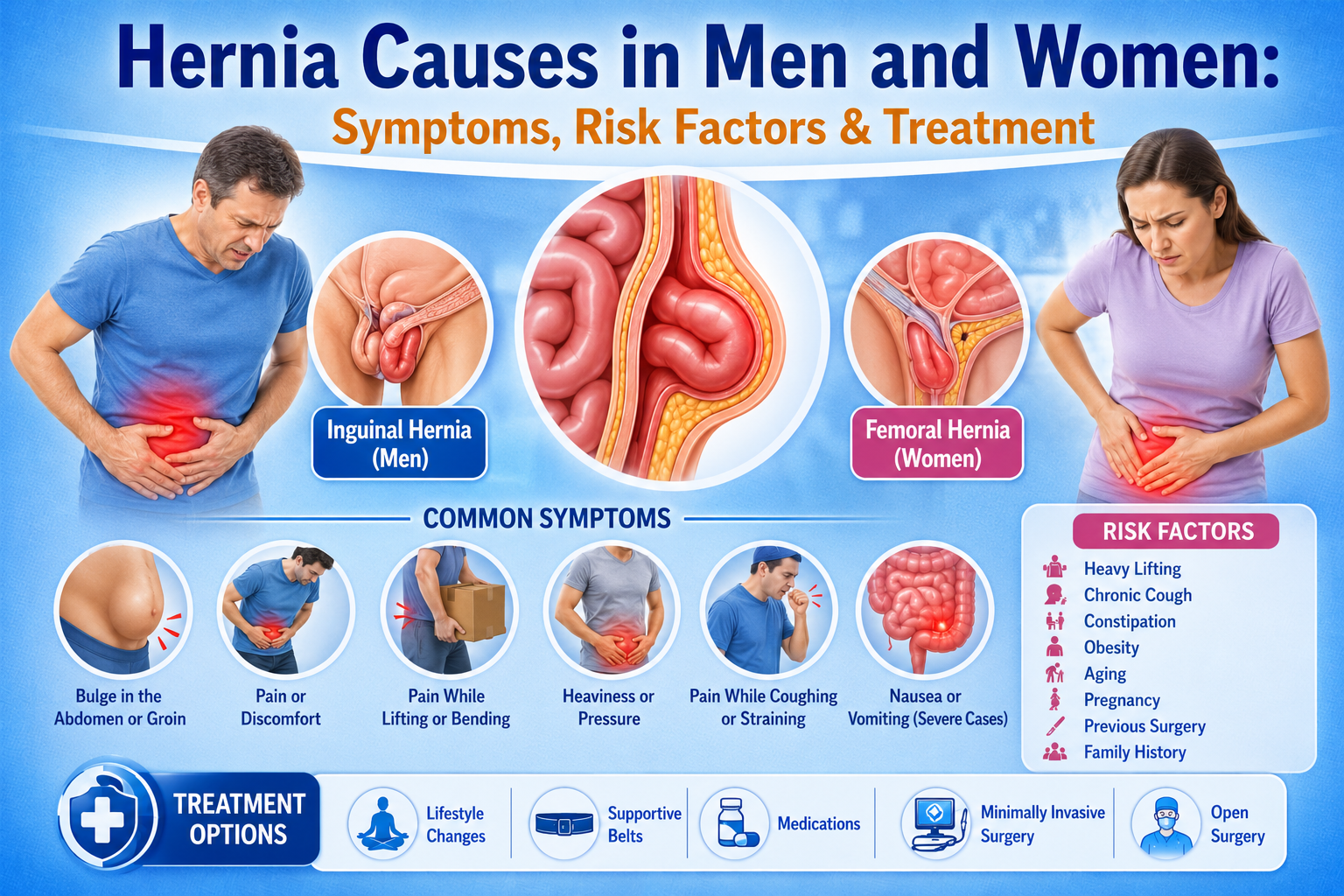
Common Causes of Hernia
- Weakness in abdominal muscles
- Heavy lifting without proper technique
- Chronic coughing or sneezing
- Constipation and straining
- Obesity or excess body weight
- Pregnancy (in women)
- Previous abdominal surgery
Hernia Causes in Men
Hernias are more common in men, especially inguinal hernias.
Key reasons include:
- Natural weakness in the groin area
- Heavy physical work or weightlifting
- Smoking-related chronic cough
- Aging and muscle weakness
Hernia Causes in Women
While less common, hernias in women can still occur.
Contributing factors include:
- Pregnancy-related abdominal pressure
- Obesity
- Previous surgeries (C-section)
- Pelvic floor weakness
Hernia Symptoms You Should Not Ignore
Recognizing hernia symptoms early can prevent complications.
Common Symptoms
- Visible bulge or swelling
- Pain or discomfort while lifting or bending
- Feeling of heaviness in the abdomen
- Burning or aching sensation
Symptoms in Men
- Swelling in the groin or scrotum
- Pain during physical activity
Symptoms in Women
- Pelvic discomfort
- Pain during daily activities
- Less visible swelling compared to men
Emergency Warning Signs
Seek immediate medical help if you experience:
- Sudden severe pain
- Nausea or vomiting
- Red or dark swelling
- Inability to push the hernia back
These may indicate a strangulated hernia, which is a medical emergency.
Hernia Risk Factors
Several risk factors for hernia increase the likelihood of developing this condition.
Major Risk Factors
- Aging
- Family history
- Obesity
- Chronic cough
- Smoking
- Poor nutrition
- Lack of physical activity
Managing these factors can reduce your risk significantly.
How Is a Hernia Diagnosed?
Doctors diagnose hernias through:
- Physical examination
- Ultrasound or CT scan
- Medical history evaluation
Early diagnosis helps prevent complications and guides treatment.
Hernia Treatment Options
Treatment depends on the size, severity, and symptoms of the hernia.
1. Non-Surgical Management
In mild cases, doctors may recommend:
- Lifestyle modifications
- Weight management
- Avoiding heavy lifting
- Monitoring symptoms
However, hernias do not heal on their own and may worsen over time.
2. Surgical Treatment (Definitive Solution)
Surgery is the most effective treatment for hernias.
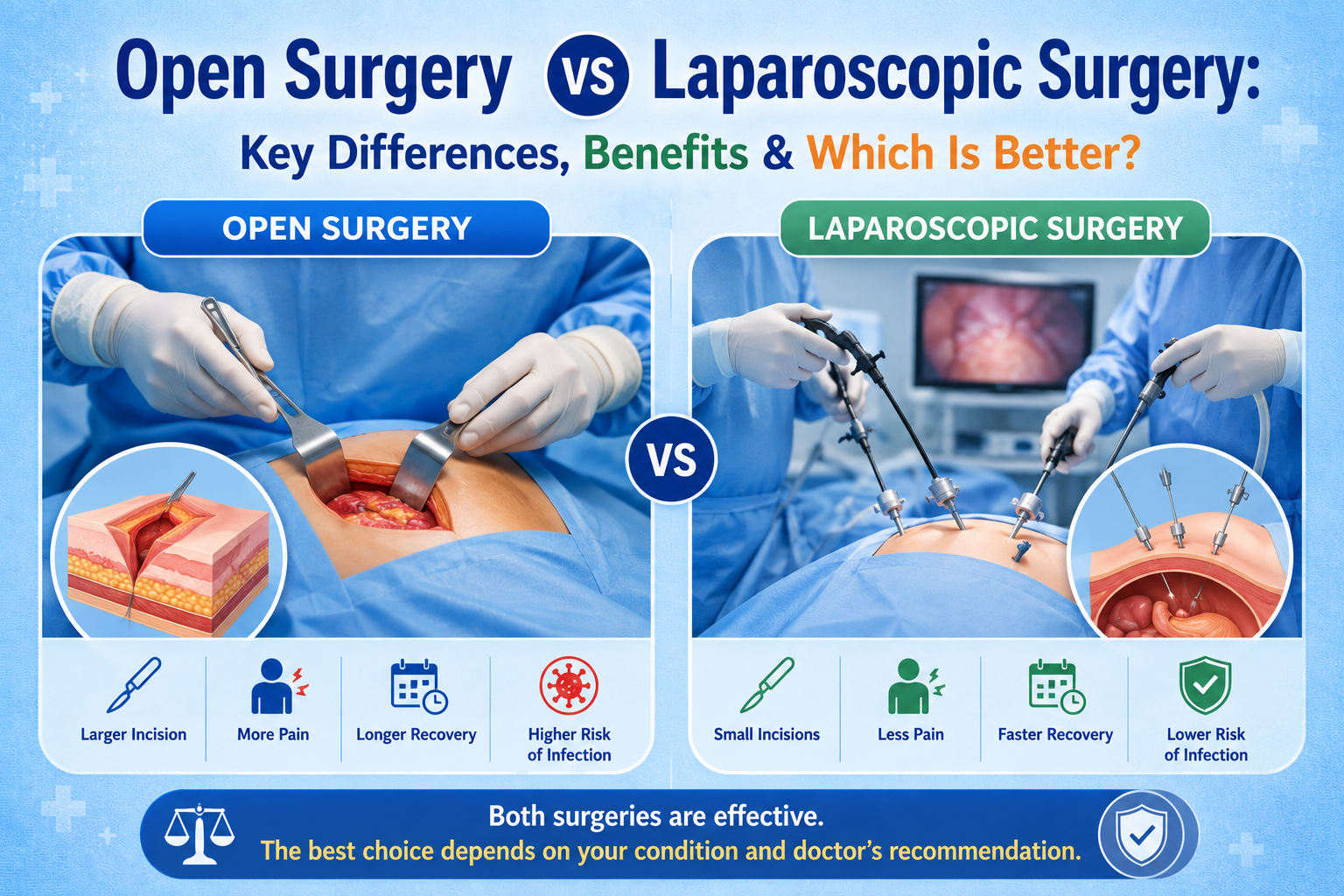
Open Hernia Surgery
- Traditional approach
- Larger incision
- Longer recovery time
Laparoscopic Hernia Surgery
- Minimally invasive
- Smaller incisions
- Faster recovery
- Less pain
Learn more about minimally invasive procedures: Laparoscopic Cholecystectomy: Procedure & Benefits
Modern laparoscopic techniques are widely preferred due to better outcomes.
When Is Hernia Surgery Necessary?
Surgery is recommended if:
- The hernia is growing in size
- Pain interferes with daily activities
- There is a risk of complications
- The hernia becomes irreducible
Delaying treatment can lead to serious complications.
What Happens If a Hernia Is Untreated?
Ignoring a hernia can lead to:
- Increased pain and swelling
- Intestinal obstruction
- Strangulation (cut-off blood supply)
- Emergency surgery
Early treatment prevents these risks.
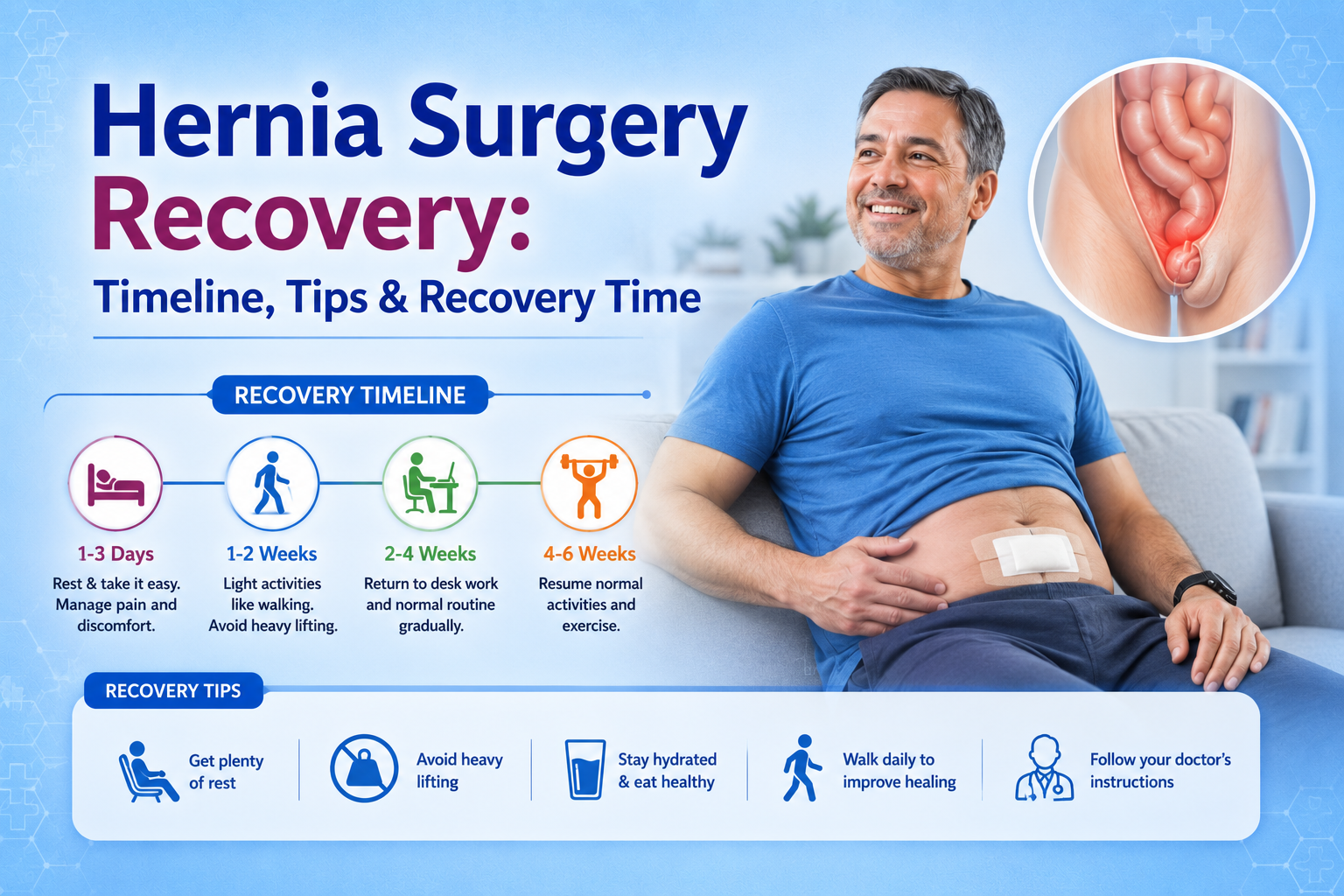
Recovery After Hernia Surgery
Recovery depends on the type of surgery performed.
Recovery Timeline
- Laparoscopic surgery: 1–2 weeks
- Open surgery: 3–6 weeks
Post-Surgery Tips
- Avoid heavy lifting
- Follow doctor’s advice
- Maintain a healthy diet
- Gradually return to activities
Preventing Hernia
While not all hernias are preventable, certain steps can reduce risk.
Prevention Tips
- Maintain healthy body weight
- Exercise regularly
- Avoid heavy lifting
- Treat chronic cough
- Eat fiber-rich foods to prevent constipation
Diet plays a role in overall abdominal health: Foods That Cause Kidney Stones
Why Choose the Right Hospital?
Choosing the right hospital is crucial for safe and effective treatment.
At best multispeciality hospital in Hassan, patients benefit from:
- Experienced general surgeons
- Advanced laparoscopic techniques
- Modern modular OT setup
- Personalized patient care
Conclusion
Understanding hernia causes in men and women helps in early detection and timely treatment. While hernias may start as mild discomfort, they can lead to serious complications if ignored.
Surgical treatment, especially laparoscopic surgery, offers a safe and effective solution with faster recovery. If you notice symptoms, consulting a specialist early ensures better outcomes and improved quality of life.
At Karna Hospital, advanced surgical care combined with modern technology ensures safe and successful hernia treatment.
Contact Karna Hospital
📞 Mobile: +91 63603 22779
📍 Address: Shankar Mutt Road, KR Puram, Hassan – 573201
🌐 Website: https://karnahospital.in/
FAQ Section
What causes a hernia?
Hernias are caused by muscle weakness combined with strain, such as heavy lifting or chronic coughing.
What are the symptoms of a hernia?
Common symptoms include a visible bulge, pain, and discomfort during movement.
Do hernias require surgery?
Yes, most hernias eventually require surgery as they do not heal on their own.
Can hernia heal without surgery?
No, hernias typically worsen over time without surgical treatment.
When should I see a doctor for hernia?
Consult a doctor if you notice swelling, pain, or discomfort in the abdomen or groin.