Welcoming a newborn into the family is an exciting and emotional experience. However, many parents become concerned when they notice their baby’s skin or eyes turning yellow within the first few days after birth. This condition, known as newborn jaundice, is very common and affects a large number of newborns worldwide.
In most cases, jaundice in newborns is harmless and resolves on its own. However, some babies may develop high bilirubin levels that require medical attention to prevent complications. Understanding the causes, symptoms, treatment options, and warning signs of newborn jaundice can help parents seek timely care and ensure their baby’s healthy development.
This guide explains everything parents need to know about newborn jaundice, including when to worry and when to consult a pediatrician.
What Is Newborn Jaundice?
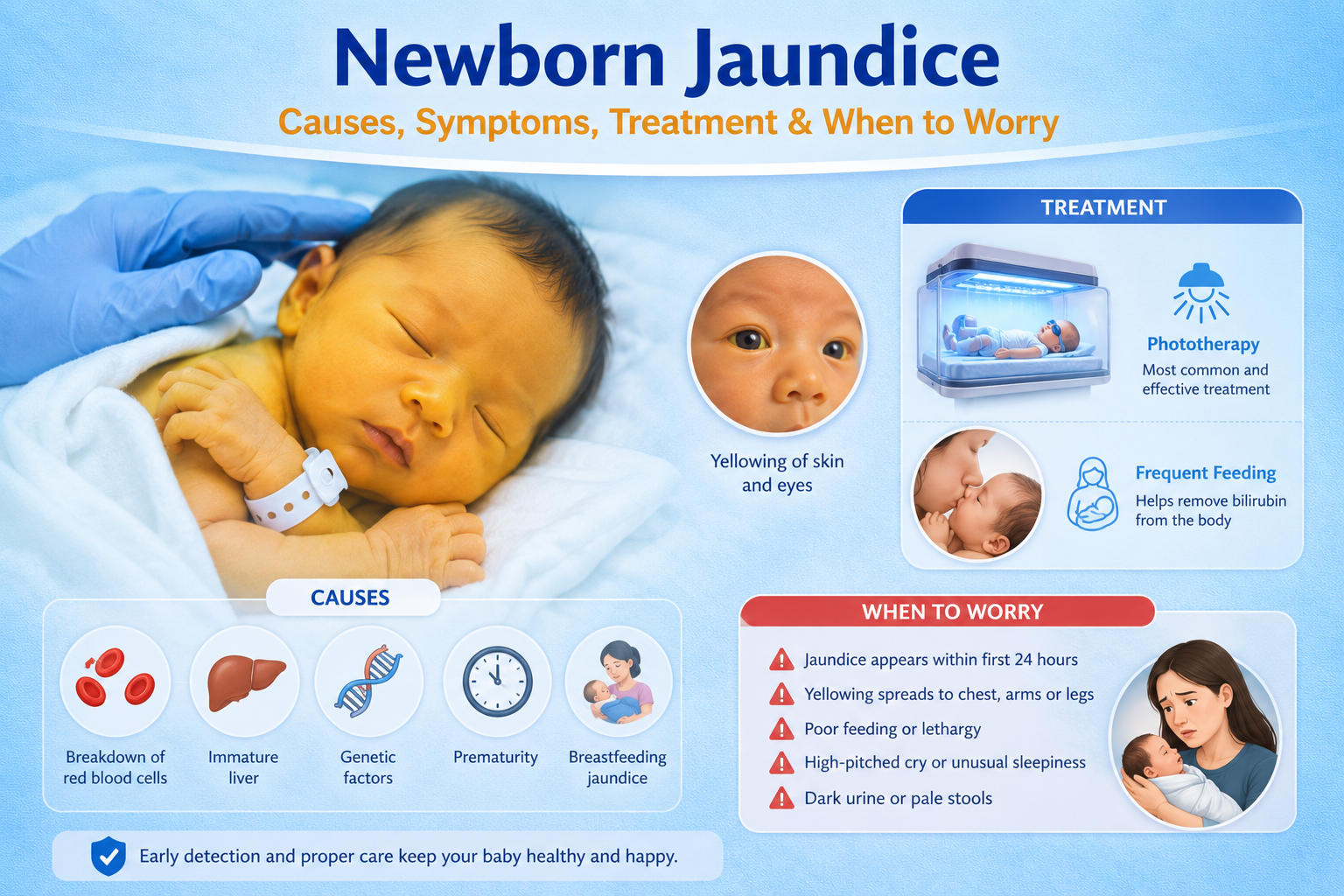
Newborn jaundice, also called neonatal jaundice, occurs when a baby’s skin, eyes, and mucous membranes appear yellow due to elevated levels of bilirubin in the blood.
Bilirubin is a yellow pigment produced when red blood cells break down. Normally, the liver processes bilirubin and removes it from the body. However, in newborns, the liver is still developing and may not efficiently eliminate bilirubin during the first few days of life.
As a result, bilirubin can build up in the bloodstream, causing jaundice.
How Common Is Newborn Jaundice?
Jaundice is one of the most common conditions affecting newborns.
Studies show that:
- Around 60% of full-term babies develop some degree of jaundice.
- Premature babies are even more likely to experience jaundice.
- Most cases are mild and resolve within a few weeks.
In many instances, newborn jaundice is considered a normal part of the baby’s adjustment to life outside the womb.
Causes of Newborn Jaundice
There are several reasons why bilirubin levels may rise in newborn babies.
1. Physiological Jaundice
This is the most common type of jaundice.
It occurs because:
- Newborns have more red blood cells than adults.
- Their liver is still maturing.
- Bilirubin is processed more slowly.
Physiological jaundice usually appears 2–3 days after birth and improves naturally.
2. Breastfeeding Jaundice
Some babies may develop jaundice if they are not getting enough breast milk during the first few days.
This can occur due to:
- Difficulty latching
- Inadequate feeding
- Dehydration
Frequent breastfeeding often helps reduce bilirubin levels.
3. Breast Milk Jaundice
Certain substances in breast milk can affect bilirubin breakdown.
Breast milk jaundice:
- Appears after the first week
- Can persist for several weeks
- Usually does not require stopping breastfeeding
4. Premature Birth
Premature babies have less developed livers and may struggle to eliminate bilirubin efficiently.
As a result, neonatal jaundice is more common in preterm infants.
5. Blood Group Incompatibility
If the mother’s blood type is incompatible with the baby’s blood type, red blood cells may break down more rapidly, causing bilirubin levels to rise.
6. Underlying Medical Conditions
Certain medical conditions may contribute to severe jaundice, including:
- Liver disorders
- Infections
- Genetic conditions
- Enzyme deficiencies
Symptoms of Newborn Jaundice
The most noticeable sign of jaundice is yellow discoloration.
Common Baby Jaundice Symptoms
Yellow Skin
The yellow color usually begins on the face and gradually spreads to the chest, abdomen, arms, and legs.
Yellowing of the Eyes
The whites of the eyes may appear yellow.
Sleepiness
Babies with elevated bilirubin levels may become unusually sleepy.
Poor Feeding
Some infants may have difficulty feeding or show reduced interest in feeding.
Dark Urine
Normal newborn urine is usually pale. Dark urine may indicate elevated bilirubin.
Pale-Colored Stools
Light or chalk-colored stools may require immediate medical evaluation.
When Is Newborn Jaundice Dangerous?
Most cases are mild and temporary. However, high bilirubin levels can become dangerous if left untreated.
Warning Signs That Require Medical Attention
Contact your pediatrician immediately if your baby:
- Develops jaundice within the first 24 hours after birth
- Has increasing yellow discoloration
- Refuses feeds
- Is excessively sleepy
- Has a high-pitched cry
- Develops fever
- Appears limp or difficult to wake
These symptoms may indicate severe jaundice requiring urgent evaluation.
Understanding Bilirubin Levels in Newborns
Doctors monitor bilirubin levels using blood tests or specialized skin devices.
The acceptable bilirubin level depends on:
- Baby’s age in hours
- Gestational age
- Overall health condition
Higher bilirubin levels may require treatment to prevent complications.
How Is Newborn Jaundice Diagnosed?
Pediatricians diagnose jaundice through:
Physical Examination
Doctors assess the extent of yellow discoloration.
Bilirubin Testing
Blood tests help determine bilirubin levels accurately.
Additional Investigations
In some cases, further testing may be required to identify underlying causes.
Treatment for Newborn Jaundice
The treatment depends on bilirubin levels, the baby’s age, and the severity of symptoms.
1. Frequent Feeding
For mild jaundice, increasing feeding frequency can help eliminate bilirubin through urine and stools.
Benefits
- Improves hydration
- Supports digestion
- Encourages bilirubin excretion
Breastfeeding should usually continue unless otherwise advised by your pediatrician.
2. Phototherapy for Newborn Jaundice
Phototherapy is the most common treatment for moderate to severe neonatal jaundice.
What Is Phototherapy?
The baby is placed under special blue lights that help break down bilirubin into a form that can be easily eliminated from the body.
Advantages of Phototherapy
- Safe and effective
- Non-invasive
- Widely used worldwide
- Rapid reduction in bilirubin levels
Most babies respond well within a few days.
3. Intravenous Fluids
Some babies may require additional fluids if dehydration is contributing to elevated bilirubin levels.
4. Exchange Transfusion
In rare and severe cases, an exchange transfusion may be needed.
This procedure replaces the baby’s blood with donor blood to rapidly reduce bilirubin levels.
Fortunately, this treatment is rarely required due to the effectiveness of phototherapy.
Complications of Untreated Newborn Jaundice
Severely elevated bilirubin can affect the brain and nervous system.
Potential Complications
Acute Bilirubin Encephalopathy
A condition caused by bilirubin toxicity affecting the brain.
Kernicterus
A rare but serious complication that may lead to:
- Hearing loss
- Developmental delays
- Movement disorders
- Permanent neurological damage
Early diagnosis and treatment significantly reduce these risks.
Can Newborn Jaundice Be Prevented?
Not all cases can be prevented, but certain measures help reduce the risk of severe jaundice.
Prevention Tips
Feed Frequently
Regular feeding promotes bilirubin elimination.
Attend Follow-Up Appointments
Newborn checkups help identify jaundice early.
Monitor Yellow Discoloration
Parents should observe changes in skin and eye color.
Follow Pediatric Advice
Prompt treatment prevents complications.
When Should a Baby Be Admitted to NICU?
Most babies with jaundice do not require intensive care. However, severe cases may need specialized monitoring and treatment.
Learn more about newborn intensive care support and when NICU admission becomes necessary.
Importance of Maternal and Pregnancy Care
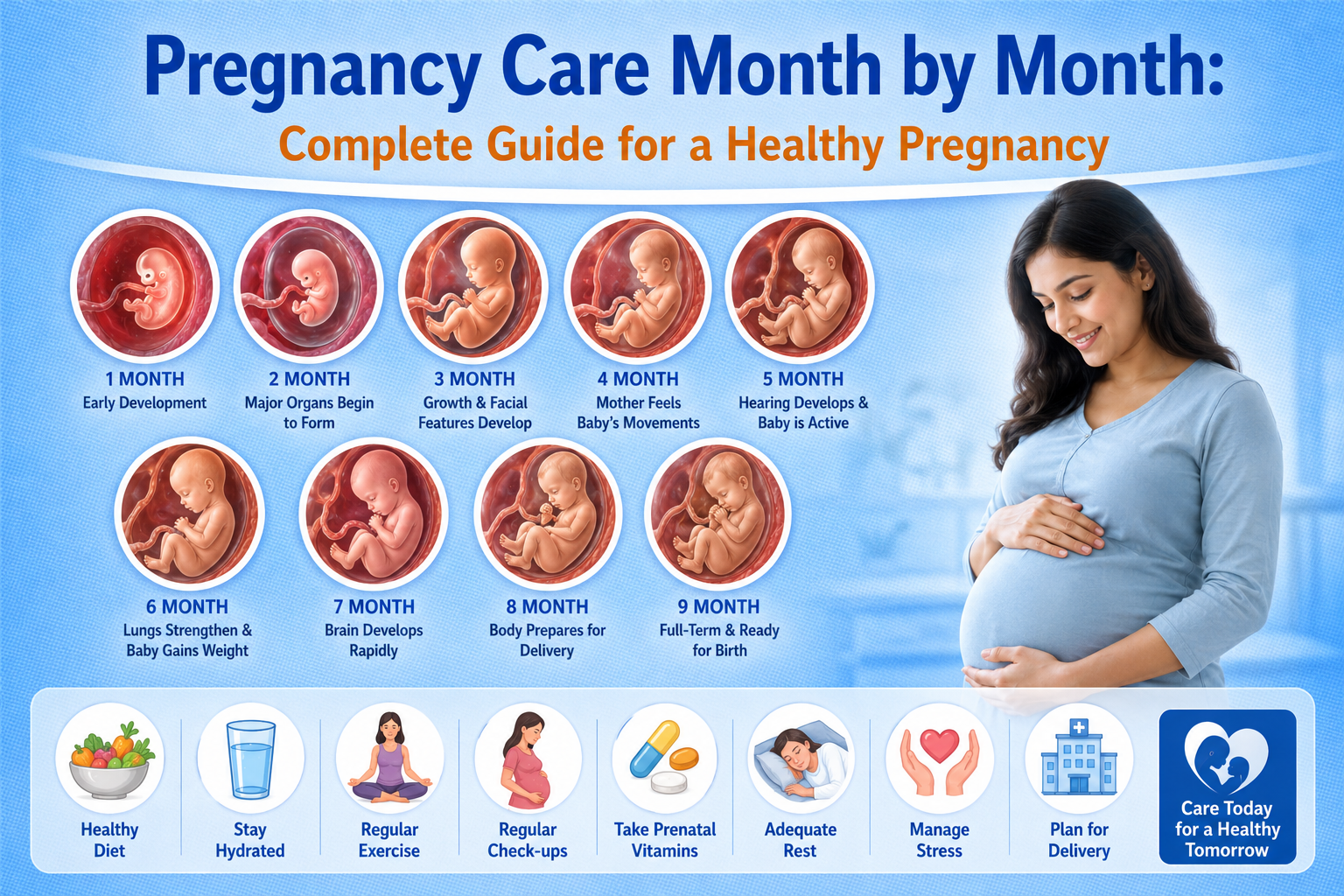
Healthy pregnancy care contributes significantly to newborn health.
Expectant mothers should attend regular prenatal visits and maintain proper nutrition throughout pregnancy.
Explore our comprehensive pregnancy care guide to understand how maternal health impacts newborn well-being.
For mothers in early pregnancy, our healthy pregnancy journey resource provides valuable guidance on nutrition, prenatal care, and fetal development.
Comprehensive Women and Child Care Services
Managing newborn jaundice requires coordinated care from pediatricians, neonatologists, nurses, and maternal healthcare professionals.
Discover our comprehensive women and child care services designed to support mothers and babies from pregnancy through childhood.
Why Choose Karna Hospital for Newborn Care?
At the best multispeciality hospital in Hassan, parents receive access to:
- Experienced pediatricians
- Advanced neonatal care
- Phototherapy treatment facilities
- Comprehensive maternity services
- NICU support for high-risk newborns
- Personalized mother-and-baby care
Karna Hospital is committed to ensuring the highest standards of care for newborns and their families.
Conclusion
Newborn jaundice is a common condition that affects many babies during the first days of life. In most cases, it is harmless and resolves naturally. However, monitoring symptoms and bilirubin levels is essential to prevent complications.
Parents should seek medical attention if jaundice appears early, worsens rapidly, or is associated with feeding difficulties, excessive sleepiness, or other warning signs.
With timely diagnosis, appropriate treatment, and expert pediatric care, most babies recover completely and continue to thrive.
Frequently Asked Questions (FAQ)
What causes jaundice in newborn babies?
Newborn jaundice occurs when bilirubin builds up in the bloodstream faster than the baby’s liver can remove it.
Is newborn jaundice normal?
Yes. Mild jaundice is common and affects many healthy newborns during the first week of life.
How is newborn jaundice treated?
Treatment may include frequent feeding, phototherapy, intravenous fluids, or rarely, exchange transfusion.
When should I take my baby to the doctor for jaundice?
Consult a doctor if jaundice appears within 24 hours after birth, worsens, or is accompanied by poor feeding or excessive sleepiness.
How long does jaundice last in newborns?
Most cases improve within 1–2 weeks, although breast milk jaundice may persist longer.