Kidney stones are a painful and increasingly common health issue affecting people of all ages. While factors like genetics and hydration play a role, diet is one of the biggest contributors. Many people unknowingly consume foods that increase their risk of stone formation.
Understanding foods that cause kidney stones and making the right dietary choices can significantly reduce your risk and improve overall kidney health.
What Are Kidney Stones?
Kidney stones are hard deposits made of minerals and salts that form inside the kidneys. They can vary in size and may pass naturally or require medical treatment.
The most common type is calcium oxalate stones, which are largely influenced by diet.
To understand treatment options, read:
Kidney Stone Treatment: Laser Surgery vs. Open Surgery
How Diet Contributes to Kidney Stones
Diet plays a crucial role in kidney stone formation. Certain foods increase the levels of oxalate, calcium, or uric acid in urine, leading to crystal formation.
Key Dietary Factors
- High oxalate intake
- Excess salt consumption
- High animal protein intake
- Low water intake
Making dietary changes is one of the most effective ways to prevent recurrence.
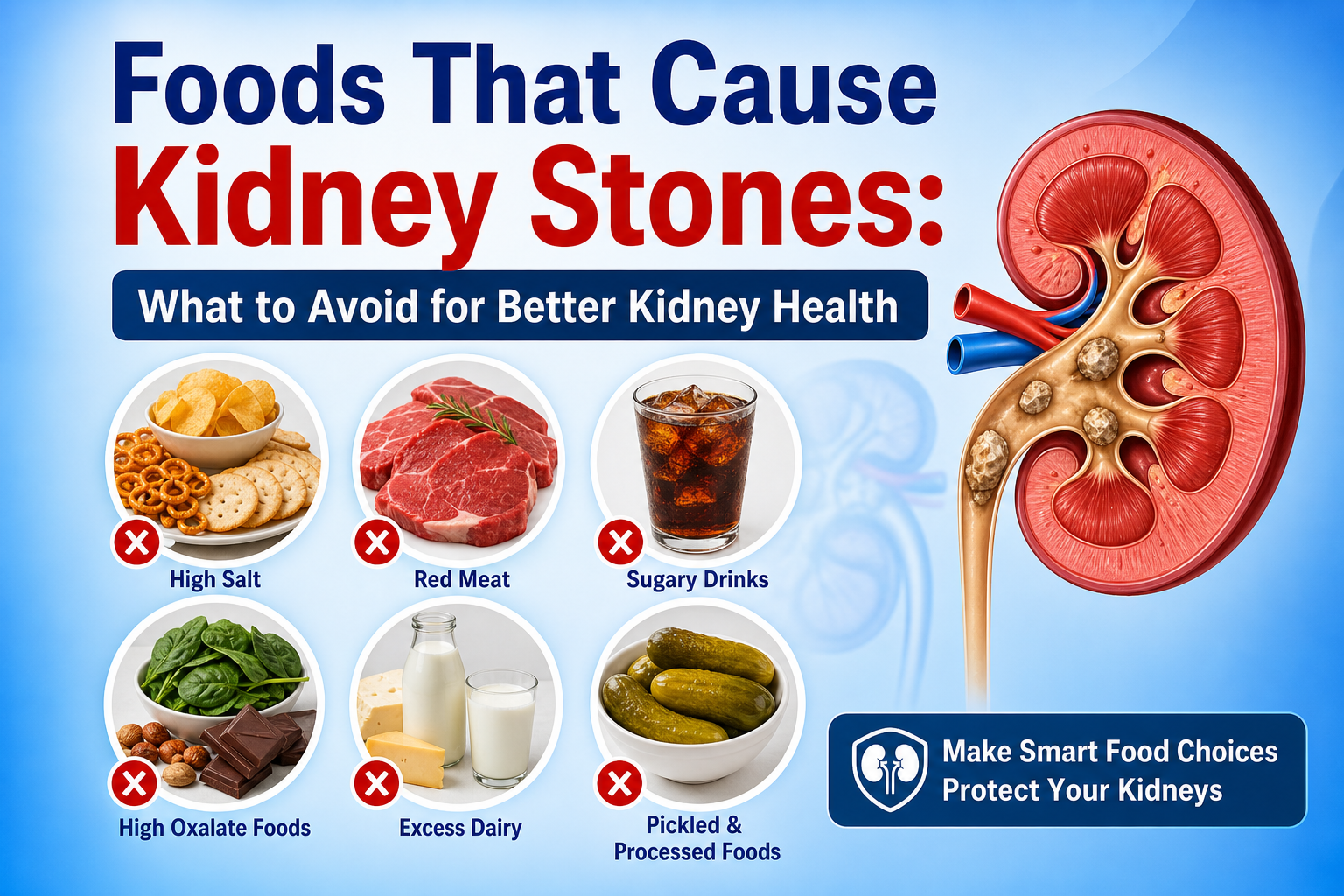
Foods That Cause Kidney Stones
Here are the major foods to avoid kidney stones and protect kidney health.
High Oxalate Foods (Major Cause of Kidney Stones)
High oxalate foods contribute significantly to calcium oxalate stones.
Foods to Limit
- Spinach
- Beetroot
- Nuts and nut butters
- Chocolate
- Tea
- Soy products
When consumed in excess, these foods can increase oxalate levels in urine.
Salty Foods and Processed Foods
High sodium intake increases calcium excretion in urine, raising the risk of stone formation.
Foods High in Salt
- Packaged snacks
- Fast food
- Processed meats
- Pickles
Reducing salt intake is essential for a kidney stone prevention diet.
Animal Protein and Red Meat
High intake of animal protein can increase uric acid levels and reduce citrate, which helps prevent stones.
Foods to Limit
- Red meat
- Poultry
- Eggs
- Seafood
Moderation is key to maintaining a healthy balance.
Sugary Foods and Soft Drinks
Excess sugar, especially from sodas and processed foods, increases the risk of kidney stones.
Avoid
- Carbonated drinks
- Sugary desserts
- Packaged juices
Sugary beverages can also lead to dehydration, further increasing risk.
Foods High in Purines
Purine-rich foods increase uric acid levels, leading to uric acid stones.
Foods to Avoid
- Organ meats
- Shellfish
- Alcohol (especially beer)
Calcium Intake: Friend or Foe?
A common myth is that calcium should be avoided—but this is not entirely true.
Important Insight
- Low calcium intake can actually increase stone risk
- Balanced calcium intake helps bind oxalate in the gut
Consult a doctor for proper dietary guidance.
What Should You Eat Instead?
A balanced diet can help prevent kidney stones.
Recommended Foods
- Fruits (especially citrus fruits like lemon and orange)
- Vegetables (low oxalate)
- Whole grains
- Adequate calcium-rich foods
- Plenty of water
You can also explore simple and effective kidney stone prevention tips for long-term health.
Importance of Hydration
One of the most effective ways to prevent kidney stones is staying hydrated.
Hydration Tips
- Drink 2.5–3 liters of water daily
- Increase fluid intake in hot weather
- Include coconut water and lemon water
Proper hydration dilutes urine and prevents crystal formation.
When Diet Is Not Enough
While diet plays a major role, some kidney stones require medical treatment.
When to See a Doctor
- Severe pain in the back or side
- Blood in urine
- Frequent urination
- Nausea or vomiting
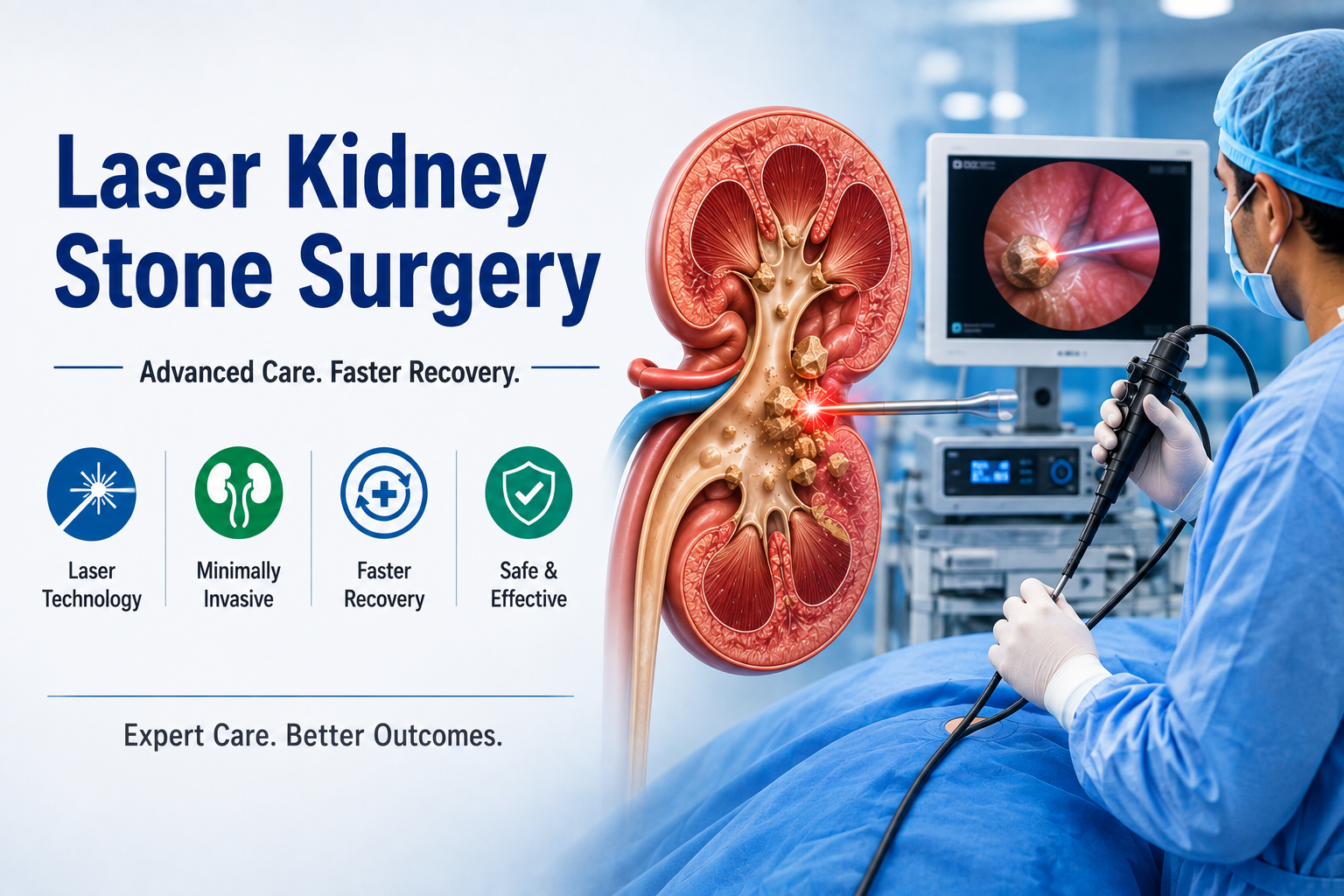
In such cases, advanced procedures like laser kidney stone surgery may be recommended.
Related Health Conditions
Kidney stones can sometimes be confused with other abdominal conditions.
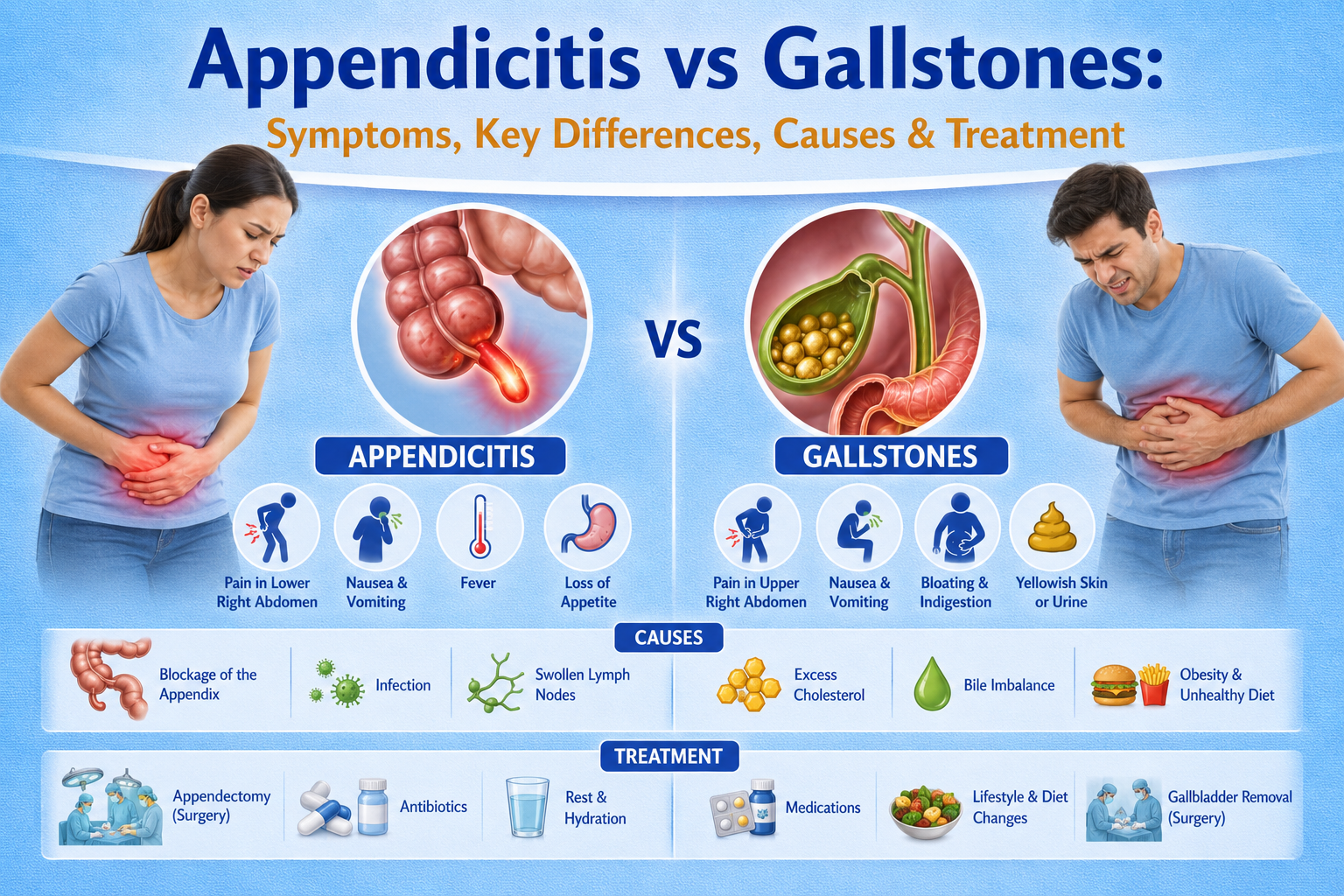
For example, pain in the abdomen may also be linked to gallstones and digestive issues.
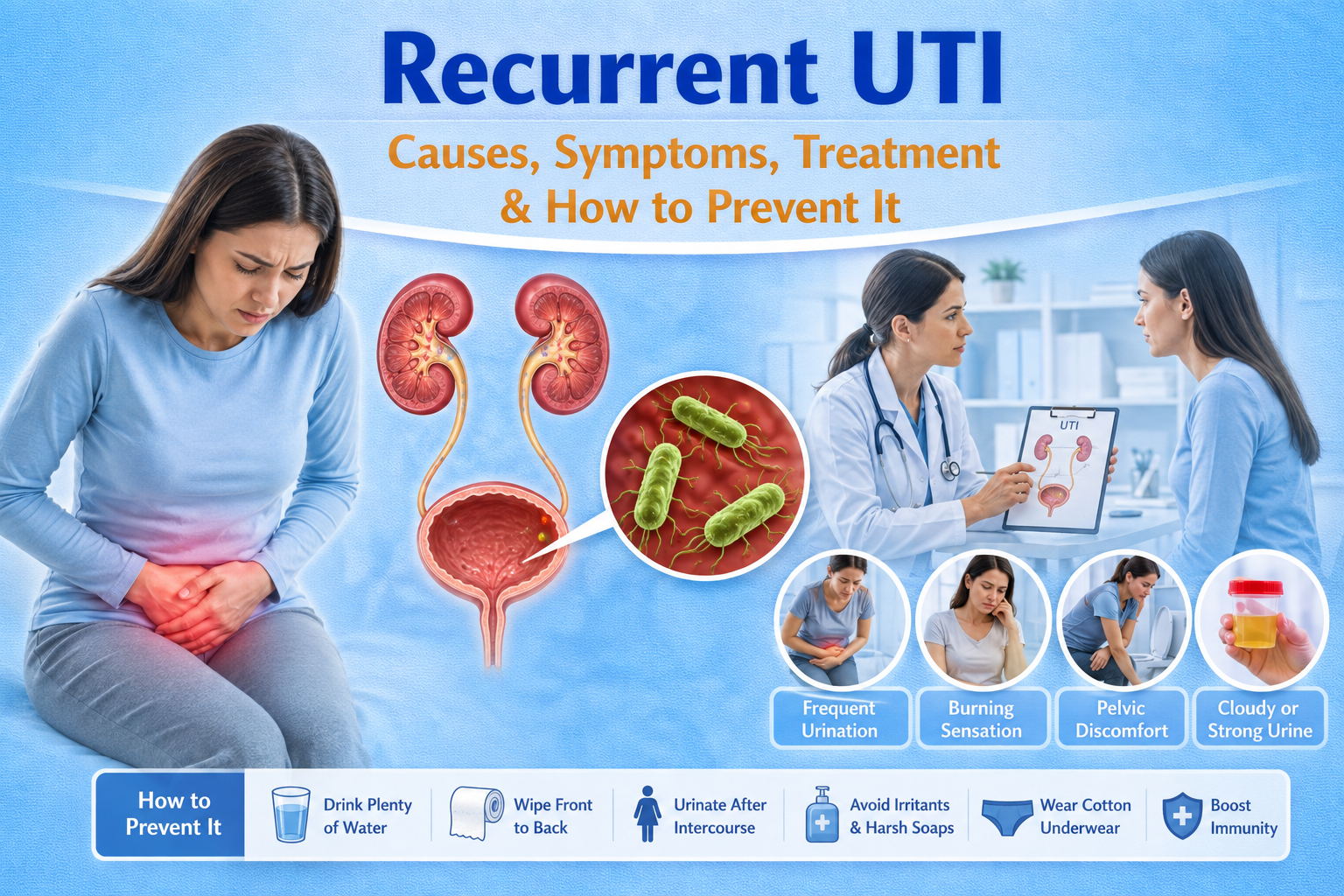
Similarly, conditions like urinary tract infections (UTI) may present with similar symptoms like burning urination.
Accurate diagnosis ensures correct treatment.
Long-Term Kidney Health Tips
Maintaining kidney health requires consistent effort.
Lifestyle Recommendations
- Stay hydrated
- Follow a balanced diet
- Exercise regularly
- Limit salt and processed foods
- Avoid excessive supplements without medical advice
Why Choose the Right Hospital?
For effective treatment and prevention, choosing the right healthcare provider is crucial.
At best multispeciality hospital in Hassan, patients benefit from:
- Expert urologists
- Advanced diagnostic tools
- Minimally invasive treatments
- Modern modular OT setup
Conclusion
Understanding foods that cause kidney stones is essential for prevention and long-term kidney health. Diet plays a major role, and avoiding high-risk foods can significantly reduce the chances of stone formation.
However, if symptoms occur, timely medical care is crucial. With modern treatments and expert care, kidney stones can be managed effectively and safely.
At Karna Hospital, advanced urology treatments are performed with precision and care, ensuring the best outcomes for patients.
Contact Karna Hospital
📞 Mobile: +91 63603 22779
📍 Address: Shankar Mutt Road, KR Puram, Hassan – 573201
🌐 Website: https://karnahospital.in/
FAQ Section (AEO Optimized)
What foods cause kidney stones?
High oxalate foods, salty foods, red meat, and sugary drinks increase the risk.
What should you avoid if you have kidney stones?
Avoid spinach, processed foods, soda, and excessive animal protein.
Can diet cause kidney stones?
Yes, diet is one of the major causes of kidney stone formation.
How to prevent kidney stones naturally?
Stay hydrated, eat a balanced diet, and limit high-risk foods.
Which foods are high in oxalates?
Spinach, nuts, chocolate, and tea are high in oxalates.