
Is Gallbladder Removal a Risky Surgery? Risks, Safety & Recovery
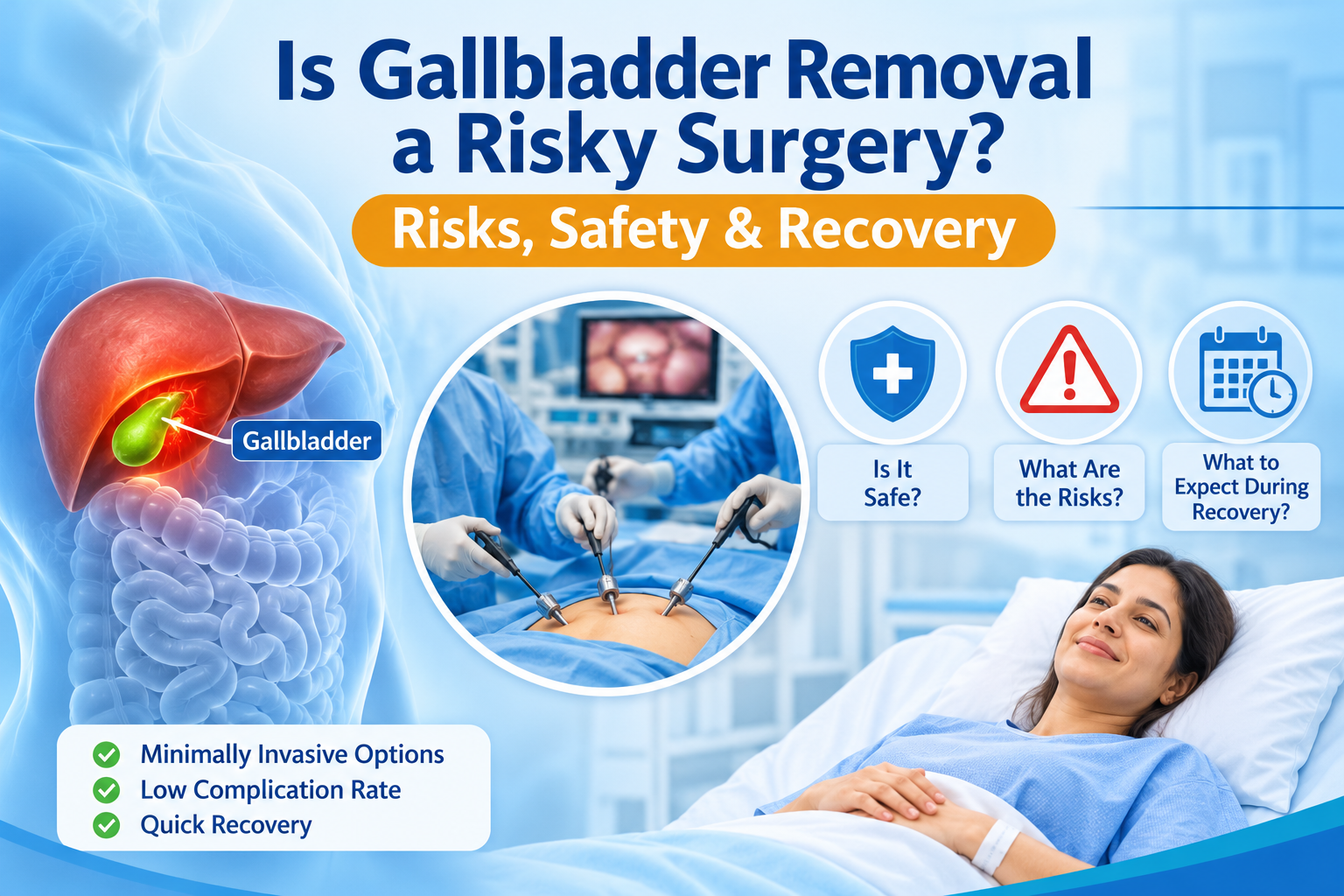
Gallbladder removal is a commonly performed surgical procedure used to treat conditions such as symptomatic gallstones and gallbladder inflammation. Although it is generally considered safe, many people worry about the risks, possible complications and long-term effects of living without a gallbladder.
So, is gallbladder removal a risky surgery? For most suitable patients, gallbladder removal, particularly laparoscopic cholecystectomy, is a safe and effective procedure. However, like any operation, it carries potential risks, including bleeding, infection, bile leakage and injury to nearby structures. The actual risk depends on the patient's health, the severity of the gallbladder condition and the complexity of the surgery.
Understanding the procedure, possible complications and recovery process can help you make an informed decision with your surgeon.
Is Gallbladder Removal Surgery Safe?
Yes. Gallbladder removal surgery, medically known as cholecystectomy, is generally safe when performed by a qualified surgical team.
The procedure is commonly recommended when gallstones cause repeated pain, gallbladder inflammation or other complications. It may also be necessary for certain gallbladder conditions that do not improve with other treatments.
There are two main approaches:
Laparoscopic cholecystectomy: The surgeon makes a few small incisions and uses a camera and specialised instruments to remove the gallbladder.
Open cholecystectomy: The surgeon makes a larger incision in the abdomen to remove the gallbladder. This approach may be required in complicated cases or when laparoscopic surgery is not suitable.
Laparoscopic gallbladder removal is commonly preferred because it generally involves smaller incisions, less postoperative discomfort and a faster recovery than open surgery.
You can learn more about the procedure on our page about gallbladder surgery in Hassan.
What Are the Risks of Gallbladder Removal Surgery?
Although gallbladder removal is usually safe, some patients may experience complications during or after surgery. The possible risks include:
1. Bleeding
Bleeding can occur during or after the operation. Most cases can be managed by the surgical team, although significant bleeding may require additional treatment.
2. Infection
An infection may develop around the incision or, less commonly, inside the abdomen. Signs can include redness, swelling, increasing pain, fever or discharge from the wound.
Following wound-care instructions and taking prescribed medicines as directed can help reduce infection-related risks.
3. Bile Leakage
Bile leakage is an uncommon but important complication. It can happen if bile escapes from the bile ducts or the area where the gallbladder was removed.
Symptoms may include abdominal pain, fever, nausea or swelling. Further investigations or treatment may be required if bile leakage occurs.
4. Bile Duct Injury
The bile duct carries bile from the liver towards the intestine. In rare cases, it may be injured during gallbladder removal.
Bile duct injury can require additional procedures or surgery. The risk may be higher when severe inflammation or scar tissue makes the anatomy difficult to identify.
5. Blood Clots
As with other surgical procedures, there is a risk of blood clots developing, particularly when movement is restricted after surgery.
Doctors may recommend early movement and other preventive measures depending on the patient's risk factors.
6. Reactions to Anaesthesia
Gallbladder removal is generally performed under general anaesthesia. Some patients may experience nausea, vomiting or temporary throat discomfort afterwards.
Serious anaesthesia-related complications are uncommon, but the risk can vary depending on a patient's medical history and overall health.
Is Gallbladder Removal Considered Major Surgery?
Gallbladder removal is a significant surgical procedure, but laparoscopic cholecystectomy is generally considered a minimally invasive operation.
The procedure is commonly performed through small abdominal incisions. Patients may be able to return home on the same day or after a short hospital stay, depending on their condition and the hospital's recovery protocol.
Open gallbladder surgery is more invasive and may require a longer hospital stay and recovery period.
The surgeon decides which approach is appropriate based on the patient's condition, previous abdominal surgeries, inflammation and other medical factors.
What Are the Side Effects After Gallbladder Removal?
Some people experience temporary changes after gallbladder removal as their digestive system adjusts to the absence of the gallbladder.
Common side effects may include:
Mild abdominal discomfort
Bloating or gas
Loose stools or diarrhoea
Nausea
Indigestion
Temporary changes in bowel habits
The gallbladder stores bile produced by the liver and releases it into the digestive system when needed. After removal, bile flows directly from the liver into the small intestine.
Most people can digest food normally after recovery. However, some may experience digestive changes, particularly after eating fatty or heavy meals.
Persistent diarrhoea, severe abdominal pain or unexplained digestive problems should be discussed with a doctor.
How Long Does It Take to Recover from Gallbladder Removal?
Recovery time depends on the type of surgery, general health and whether complications occur.
Recovery After Laparoscopic Surgery
Many patients resume light daily activities within a few days. Returning to work and normal routines may take around one to two weeks, depending on the nature of the work and individual recovery.
Recovery After Open Surgery
Open surgery generally requires a longer recovery period. Patients may need several weeks before returning to their usual activities.
Your surgeon will provide instructions about wound care, physical activity, lifting restrictions, diet and follow-up appointments.
Do not resume strenuous exercise or heavy lifting until your doctor confirms that it is safe.
Can You Live a Normal Life Without a Gallbladder?
Yes. Most people can live a healthy and normal life without a gallbladder.
The liver continues producing bile after gallbladder removal. The main difference is that bile is no longer stored in the gallbladder and instead flows directly into the small intestine.
Most patients gradually return to their usual diet. During the initial recovery period, some may find it helpful to:
Eat smaller, more frequent meals.
Reduce very fatty or fried foods temporarily.
Include fibre gradually in the diet.
Drink enough water.
Follow the surgeon's dietary advice.
Avoid foods that trigger digestive discomfort.
There is generally no need for a permanent restrictive diet after uncomplicated gallbladder removal.
What Precautions Should You Take After Gallbladder Surgery?
Following postoperative instructions can support healing and help reduce complications.
Important precautions include:
Keep the surgical wound clean and follow dressing instructions.
Take prescribed medicines as directed.
Start walking gently when your doctor permits.
Avoid heavy lifting until cleared by your surgeon.
Eat balanced meals and introduce fatty foods gradually if they cause discomfort.
Attend scheduled follow-up appointments.
Report unusual symptoms without delay.
When Should You Contact Your Doctor?
Seek medical attention if you experience:
Severe or worsening abdominal pain
Persistent fever or chills
Yellowing of the skin or eyes
Persistent vomiting
Increasing redness or discharge from the incision
Severe abdominal swelling
Difficulty breathing or chest pain
These symptoms may indicate a complication and should not be ignored. Severe chest pain or breathing difficulty requires emergency medical attention.
When Is Gallbladder Removal Necessary?
Gallbladder removal may be recommended when gallstones cause repeated symptoms or complications.
Some common reasons include:
Recurrent gallstone attacks
Acute or repeated gallbladder inflammation (cholecystitis)
Gallstones causing bile duct obstruction
Gallstone-related pancreatitis
Certain gallbladder abnormalities requiring surgery
Not every person with gallstones needs surgery. People with incidentally discovered gallstones and no symptoms may not require immediate treatment. The decision depends on the clinical findings and individual risk.
Read more about when gallstones are dangerous and when treatment may be needed.
Gallbladder Removal Surgery in Hassan
If you are experiencing repeated abdominal pain, nausea after meals or other symptoms associated with gallstones, consult a qualified doctor for an appropriate evaluation.
Karna Hospital in Hassan provides multispeciality healthcare services, including surgical evaluation for gallbladder-related conditions. The treating surgeon can assess your symptoms, diagnostic reports and overall health to determine whether surgery is necessary and which approach may be suitable.
You can also understand the factors that influence gallbladder surgery cost in Hassan before discussing treatment options with your healthcare provider.
For immediate consultation or emergency support, contact Karna Hospital, Shankar Mutt Road, KR Puram, Hassan – 573201. Call +91 63603 22779 or visit Karna Hospital.
Conclusion
So, is gallbladder removal a risky surgery? For most patients, it is a safe and effective treatment for symptomatic gallstones and other gallbladder conditions. Laparoscopic surgery generally offers the advantages of smaller incisions and faster recovery, although complications are still possible.
Understanding the risks, following postoperative instructions and attending follow-up appointments can help support a smooth recovery. If you have recurring gallbladder symptoms, consult a surgeon to understand whether surgery is necessary and which treatment approach is appropriate for you.
Medical disclaimer: This article is for general educational purposes and does not replace professional medical advice, diagnosis or treatment. Surgical risks and recovery vary from person to person.
Frequently Asked Questions
1. Is gallbladder removal a risky surgery?
Gallbladder removal is generally considered safe, especially when performed laparoscopically. However, possible complications include bleeding, infection, bile leakage and bile duct injury.
2. Is gallbladder removal considered major surgery?
Laparoscopic gallbladder removal is minimally invasive, although it remains a significant surgical procedure. Open surgery is more invasive and usually involves a longer recovery.
3. What are the most common complications after gallbladder surgery?
Possible complications include wound infection, bleeding, bile leakage, bile duct injury and blood clots. Serious complications are uncommon but may require additional treatment.
4. Can you live normally without a gallbladder?
Yes. Most people live normal, healthy lives after gallbladder removal because the liver continues producing bile to help digest food.
5. Does gallbladder removal affect digestion?
Some people experience temporary bloating, loose stools or difficulty tolerating fatty meals. Most gradually return to a normal diet after recovery.
6. How long does it take to recover from gallbladder removal?
Recovery after laparoscopic surgery may take around one to two weeks for many patients to resume normal routines. Open surgery generally requires several weeks. Individual recovery varies.
7. Can gallbladder problems return after removal?
The gallbladder itself cannot develop new gallstones after removal. However, stones may occasionally remain in or develop within the bile ducts, and some people may continue experiencing digestive symptoms.