Pregnancy is a time of excitement and anticipation, but it also brings significant changes to a woman’s body. One condition that can develop during pregnancy is gestational diabetes during pregnancy, a type of diabetes that causes high blood sugar levels and can affect both mother and baby if not properly managed.
According to health experts, gestational diabetes affects a significant percentage of pregnancies worldwide and is becoming increasingly common due to lifestyle factors, maternal age, and rising obesity rates. The good news is that with early diagnosis, proper medical care, and lifestyle modifications, most women can successfully manage gestational diabetes and have a healthy pregnancy.
This comprehensive guide explains the symptoms, causes, diagnosis, treatment options, diet recommendations, and essential care tips for managing gestational diabetes during pregnancy.
What Is Gestational Diabetes During Pregnancy?
Gestational diabetes is a condition in which blood sugar levels become higher than normal during pregnancy.
Unlike Type 1 or Type 2 diabetes, gestational diabetes develops specifically during pregnancy and usually occurs during the second or third trimester.
The condition develops when pregnancy hormones interfere with insulin function, making it difficult for the body to regulate blood sugar effectively.
While gestational diabetes often resolves after delivery, it requires careful monitoring throughout pregnancy to protect both mother and baby.
Why Does Gestational Diabetes Occur?
During pregnancy, the placenta produces hormones that support the baby’s growth. These hormones can also reduce the effectiveness of insulin, a condition known as insulin resistance.
When the pancreas cannot produce enough insulin to compensate, blood sugar levels rise, leading to gestational diabetes.
Risk Factors for Gestational Diabetes
Certain women have a higher risk of developing diabetes during pregnancy.
Common Risk Factors
- Being overweight before pregnancy
- Family history of diabetes
- Previous gestational diabetes
- Maternal age above 25–30 years
- Polycystic Ovary Syndrome (PCOS)
- High blood pressure
- Previous delivery of a large baby
- Sedentary lifestyle
Women with one or more risk factors should undergo regular prenatal monitoring.
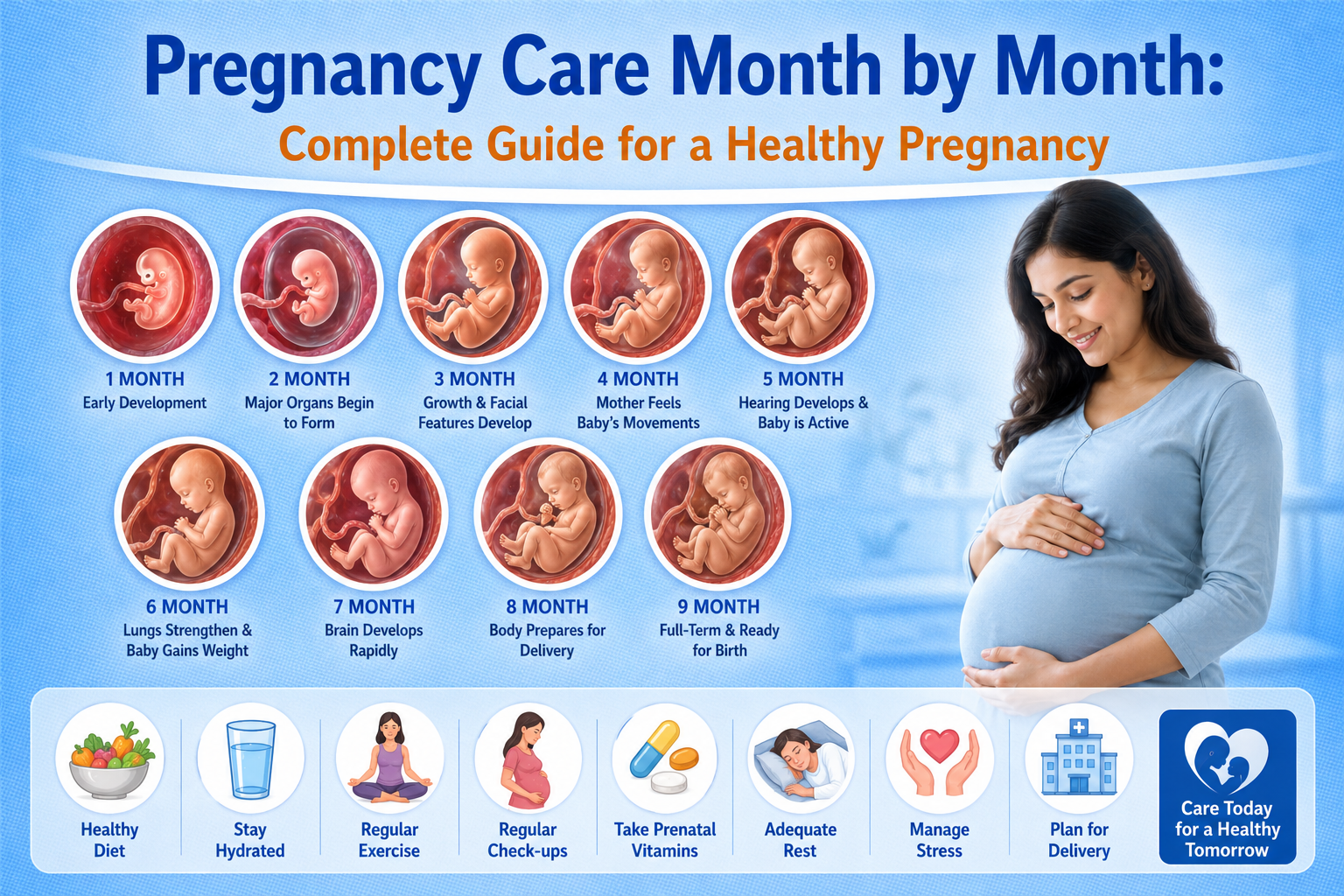
For comprehensive pregnancy monitoring, follow our month-by-month pregnancy care guide throughout your pregnancy journey.
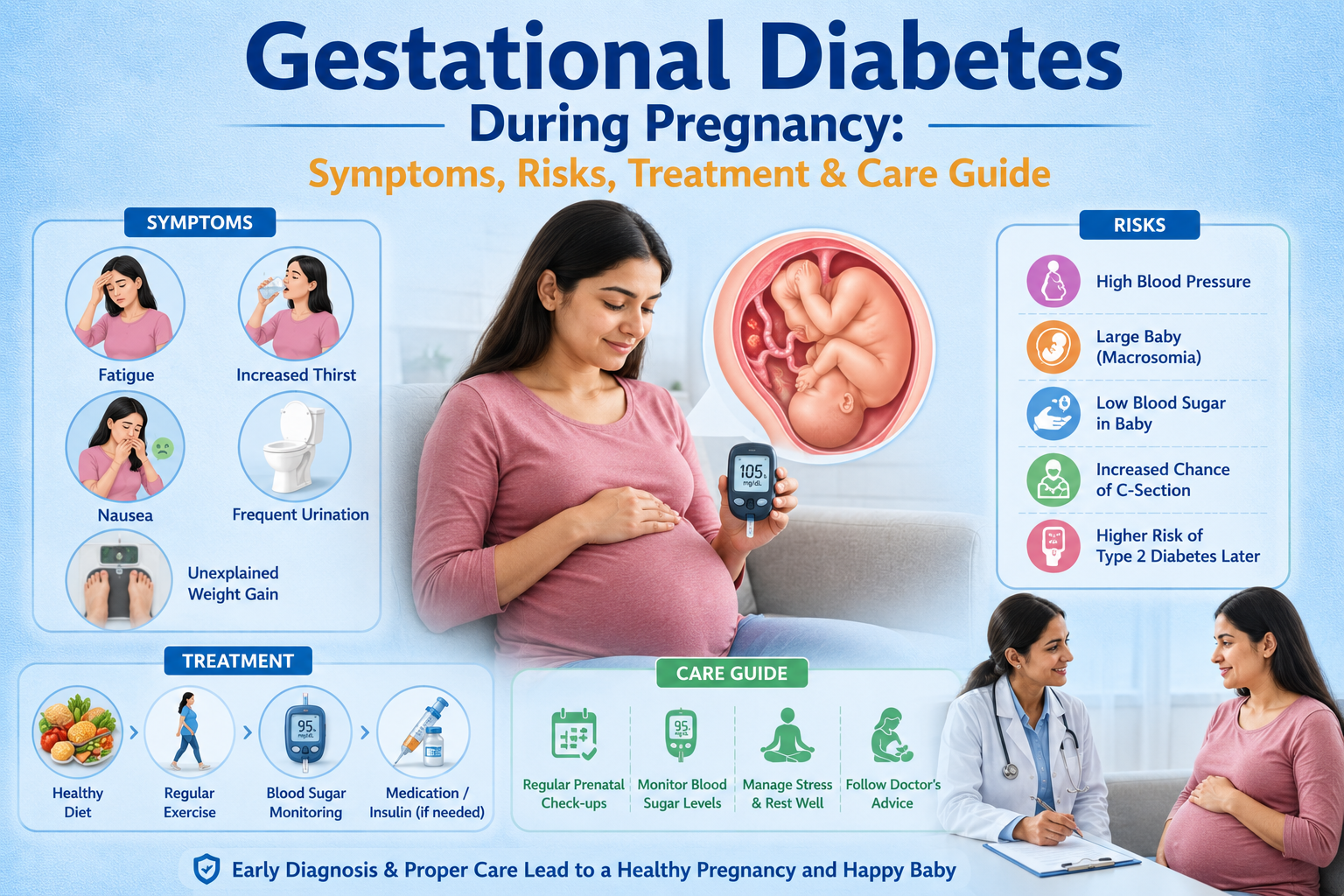
Symptoms of Gestational Diabetes During Pregnancy
One challenge with gestational diabetes is that many women experience few or no noticeable symptoms.
However, some symptoms may include:
Common Gestational Diabetes Symptoms
Increased Thirst
Persistent thirst despite drinking adequate water can be an early warning sign.
Frequent Urination
While frequent urination is common during pregnancy, excessive urination may indicate elevated blood sugar levels.
Fatigue
Feeling unusually tired or exhausted may occur due to fluctuations in blood sugar.
Blurred Vision
High blood sugar can temporarily affect vision.
Increased Hunger
Some women experience persistent hunger even after meals.
Recurrent Infections
Frequent urinary tract infections or yeast infections may occur.
Because symptoms can be subtle, routine screening is essential.
How Is Gestational Diabetes Diagnosed?
Most pregnant women are screened between 24 and 28 weeks of pregnancy.
Women with high-risk factors may be tested earlier.
Common Diagnostic Tests
Glucose Challenge Test (GCT)
A screening test used to identify elevated blood sugar levels.
Oral Glucose Tolerance Test (OGTT)
This confirms whether gestational diabetes is present.
Regular prenatal checkups help ensure early diagnosis and timely management.
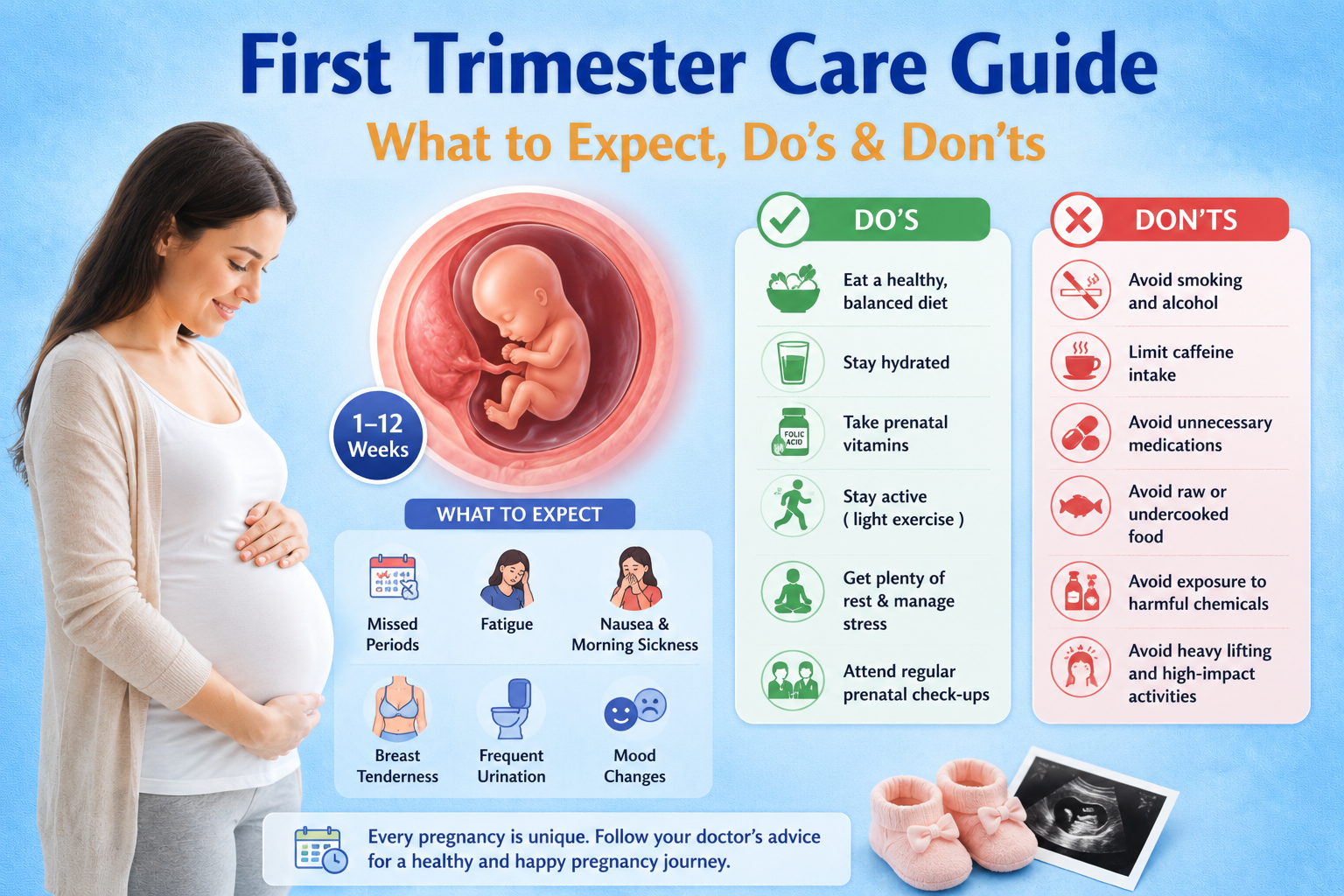
If you’re in the early stages of pregnancy, our guide on first trimester pregnancy care can help you understand essential prenatal precautions.
Why Is Gestational Diabetes a Concern?
Uncontrolled blood sugar can increase risks for both mother and baby.
Risks for the Mother
- High blood pressure
- Preeclampsia
- Increased likelihood of cesarean delivery
- Future Type 2 diabetes risk
- Pregnancy complications
Risks for the Baby
Excessive Birth Weight
High maternal blood sugar can cause the baby to grow larger than average.
Premature Birth
Gestational diabetes may increase the likelihood of early delivery.
Breathing Difficulties
Some newborns may experience respiratory problems after birth.
Low Blood Sugar After Delivery
Babies born to mothers with gestational diabetes may experience temporary hypoglycemia.
Increased Future Diabetes Risk
Children may have a higher risk of obesity and diabetes later in life.
Gestational Diabetes Care and Treatment
The goal of treatment is to maintain healthy blood sugar levels throughout pregnancy.
Most women can successfully manage gestational diabetes through lifestyle modifications and medical supervision.
1. Blood Sugar Monitoring
Regular blood sugar checks help track treatment effectiveness.
Your healthcare provider will advise:
- When to test
- Target glucose levels
- Frequency of monitoring
Consistent monitoring is one of the most important aspects of pregnancy diabetes management.
2. Healthy Diet for Gestational Diabetes
Diet plays a critical role in controlling blood sugar.
Foods to Eat
High-Fiber Foods
- Whole grains
- Oats
- Brown rice
- Vegetables
Lean Proteins
- Eggs
- Fish
- Chicken
- Lentils
Healthy Fats
- Nuts
- Seeds
- Avocados
Fruits in Moderation
Choose low-glycemic fruits and consume them as recommended by your healthcare provider.
Foods to Limit
- Sugary beverages
- Sweets and desserts
- Refined carbohydrates
- Processed foods
- Excessively fried foods
Following a balanced meal plan can significantly improve blood sugar control.
3. Physical Activity During Pregnancy
Regular exercise helps improve insulin sensitivity.
Safe Activities Include
- Walking
- Prenatal yoga
- Swimming
- Light stretching exercises
Always consult your doctor before starting any exercise program.
4. Medication and Insulin Therapy
Some women may require medication if lifestyle modifications alone do not adequately control blood sugar.
Treatment may include:
- Insulin injections
- Diabetes medications prescribed by a specialist
Your healthcare provider will determine the most appropriate treatment plan.
Can Gestational Diabetes Be Prevented?
Although not all cases can be prevented, certain lifestyle habits can reduce risk.
Prevention Tips
Maintain a Healthy Weight
Healthy weight management before pregnancy lowers risk.
Eat a Balanced Diet
Nutritious meals support stable blood sugar levels.
Stay Physically Active
Regular exercise improves insulin function.
Attend Prenatal Appointments
Routine checkups help detect problems early.
Delivery Planning With Gestational Diabetes
Women with gestational diabetes often require closer monitoring during the final weeks of pregnancy.
Your healthcare provider may recommend:
- Additional fetal growth scans
- Blood sugar monitoring
- Delivery planning based on maternal and fetal health
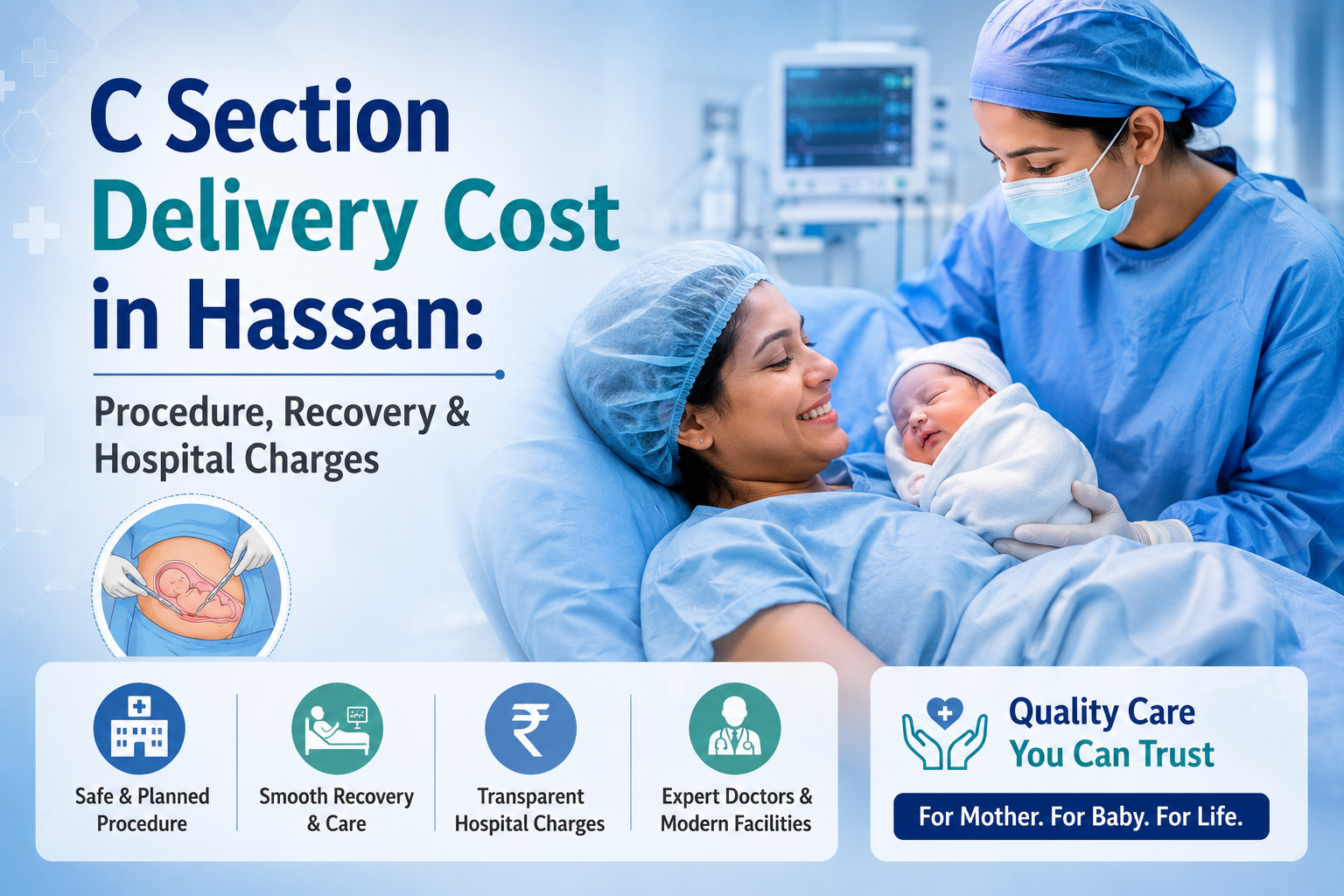
Learn more about C section delivery cost in Hassan and factors that may influence delivery decisions.
Does Gestational Diabetes Go Away After Pregnancy?
In most cases, gestational diabetes resolves after childbirth.
However, women who develop gestational diabetes have a higher risk of:
- Future gestational diabetes
- Type 2 diabetes later in life
Doctors usually recommend blood sugar testing after delivery and periodic health screenings.
Importance of Specialized Pregnancy Care
Managing gestational diabetes requires a coordinated approach involving:
- Obstetricians
- Gynecologists
- Nutritionists
- Diabetes specialists
Comprehensive prenatal care improves outcomes for both mother and baby.
Explore expert gynecologist in Hassan for personalized pregnancy support, high-risk pregnancy management, and maternal healthcare.
Why Choose Karna Hospital for Pregnancy Care?
At the best multispeciality hospital in Hassan, expectant mothers receive comprehensive pregnancy care tailored to their individual needs.
Why Families Choose Karna Hospital
- Experienced obstetricians and gynecologists
- High-risk pregnancy management
- Advanced diagnostic facilities
- Gestational diabetes monitoring
- Personalized nutritional guidance
- Comprehensive maternal and newborn care
The hospital is committed to ensuring safe pregnancies and healthy deliveries through expert medical support and compassionate care.
Conclusion
Gestational diabetes during pregnancy is a common but manageable condition. Early diagnosis, regular monitoring, healthy eating habits, physical activity, and expert medical supervision can help maintain healthy blood sugar levels and reduce complications.
By following a structured treatment plan and attending regular prenatal visits, most women with gestational diabetes can enjoy a healthy pregnancy and deliver healthy babies.
If you have risk factors or symptoms of gestational diabetes, consult your healthcare provider promptly to ensure the best possible outcomes for both you and your baby.
Frequently Asked Questions (FAQ)
What are the symptoms of gestational diabetes?
Common symptoms include increased thirst, frequent urination, fatigue, blurred vision, and recurrent infections, although many women experience no noticeable symptoms.
How is gestational diabetes diagnosed?
Doctors typically diagnose it using glucose screening tests and an oral glucose tolerance test during pregnancy.
Can gestational diabetes harm the baby?
Uncontrolled gestational diabetes can increase the risk of excessive birth weight, premature delivery, and newborn blood sugar problems.
What foods should I avoid with gestational diabetes?
Limit sugary foods, sweetened beverages, processed snacks, and refined carbohydrates.
Does gestational diabetes go away after pregnancy?
In most cases, blood sugar levels return to normal after delivery, but regular follow-up testing is recommended.