
When Should You Visit a Gynecologist? Common Warning Signs
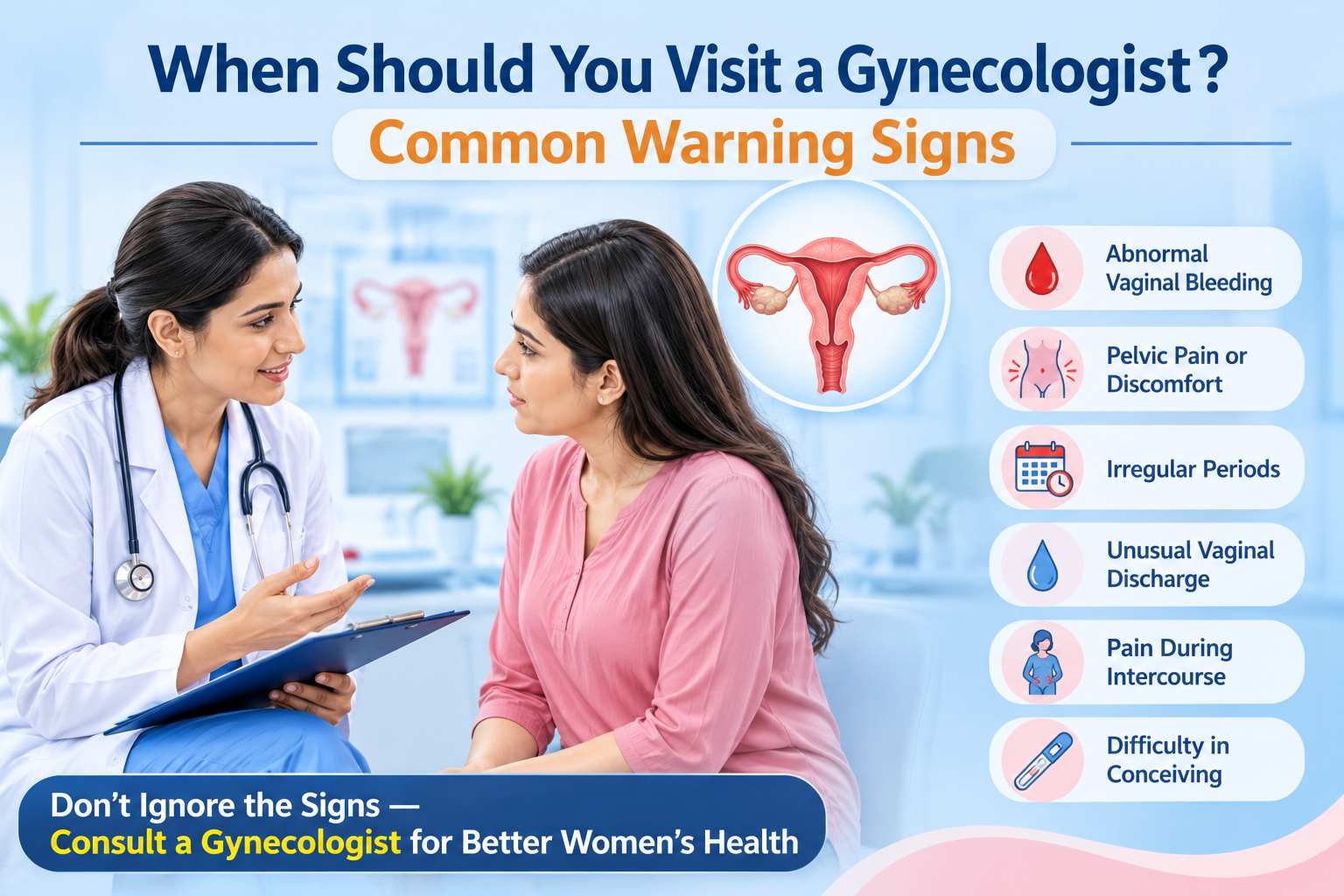
Knowing when to visit a gynecologist is an important part of maintaining women's reproductive and overall health. While regular gynecological consultations can help monitor your health, certain symptoms—such as irregular periods, unusual vaginal discharge, pelvic pain, or abnormal bleeding—may indicate a condition that requires medical attention.
Many women delay seeking care because they assume menstrual changes or discomfort are normal. However, persistent or unusual symptoms should not be ignored. Early medical evaluation can help identify potential gynecological problems and guide appropriate treatment.
In this guide, we explain the common warning signs that indicate you should see a gynecologist, how often routine visits may be appropriate, and when symptoms require urgent attention.
10 Warning Signs You Should Visit a Gynecologist
1. Irregular or Missed Periods
Occasional menstrual changes can occur for several reasons, including stress, illness, weight changes, hormonal fluctuations, and pregnancy. However, repeatedly irregular periods or unexplained missed periods may need medical evaluation.
Possible causes include polycystic ovary syndrome (PCOS), thyroid disorders, hormonal imbalances, and other reproductive health conditions.
If your periods become consistently irregular, stop unexpectedly, or change significantly from your usual pattern, consult a healthcare professional. If pregnancy is possible, consider taking a pregnancy test.
2. Heavy Menstrual Bleeding
Heavy menstrual bleeding can interfere with everyday activities and may contribute to iron deficiency or anaemia.
Warning signs include:
Bleeding that lasts longer than usual.
Frequently soaking through sanitary products in a short time.
Passing unusually large blood clots.
Feeling weak, tired, dizzy, or breathless during or after your period.
Possible causes include uterine fibroids, hormonal changes, and other gynaecological conditions. A gynecologist can assess the cause and recommend suitable treatment.
Seek urgent medical attention if bleeding is very heavy, particularly when accompanied by dizziness, fainting, severe weakness, or severe pain.
3. Severe or Persistent Period Pain
Mild menstrual cramps are common, but severe pain that disrupts work, sleep, school, or daily activities deserves attention.
Painful periods may sometimes be associated with conditions such as endometriosis, adenomyosis, or uterine fibroids. These conditions cannot be diagnosed from symptoms alone and may require a clinical assessment and, in some cases, imaging.
If period pain is becoming more severe, persists beyond menstruation, or does not improve with usual measures, schedule a gynecological consultation.
4. Unusual Vaginal Discharge, Itching, or Odour
Vaginal discharge naturally varies throughout the menstrual cycle. However, a noticeable change in colour, consistency, smell, or amount may indicate an infection or another condition.
Other symptoms to watch for include:
Vaginal itching or irritation.
Burning during urination.
Unusual or unpleasant odour.
Pain during sexual intercourse.
Pelvic discomfort accompanying discharge.
Possible causes include vaginal infections and sexually transmitted infections. Treatment depends on the underlying cause, so avoid self-medicating or using antibiotics without professional advice.
5. Pelvic Pain or Lower Abdominal Pain
Pelvic pain can occur for many reasons, including menstrual cramps, ovarian cysts, endometriosis, urinary conditions, and pelvic infections.
You should consult a gynecologist if the pain is persistent, repeatedly returns, affects daily activities, or occurs alongside fever, unusual discharge, or abnormal bleeding.
Sudden, severe pelvic pain requires urgent medical evaluation, especially if it is accompanied by vomiting, faintness, fever, or the possibility of pregnancy. These symptoms can sometimes indicate an emergency, such as an ectopic pregnancy or ovarian torsion.
6. Bleeding Between Periods or After Intercourse
Spotting can sometimes occur because of hormonal changes or contraception. However, repeated bleeding between periods or bleeding after sexual intercourse should be evaluated.
Possible causes include cervical irritation, infections, cervical polyps, hormonal changes, or other reproductive health conditions.
Any bleeding after menopause should be assessed promptly, even if it happens only once. A healthcare professional can determine whether further examination or testing is needed.
7. Symptoms of PCOS or Hormonal Imbalance
Hormonal changes can affect menstrual cycles, skin, hair growth, weight, and fertility.
Possible signs of PCOS or another hormonal condition include:
Irregular or infrequent periods.
Persistent acne.
Increased facial or body hair.
Scalp hair thinning.
Difficulty becoming pregnant.
These symptoms do not automatically mean you have PCOS. A gynecologist can review your medical history, symptoms, and any necessary investigations before making a diagnosis.
Learn more about PCOS symptoms and fertility treatment to understand the condition and available care options.
8. Pain During Sexual Intercourse
Pain during sexual intercourse can occur because of vaginal dryness, infections, pelvic floor problems, endometriosis, or other medical conditions.
Persistent or recurrent pain should not be dismissed as something you must tolerate. Discussing the symptoms with a gynecologist can help identify possible causes and appropriate treatment.
Seek prompt care if the pain is severe or accompanied by fever, heavy bleeding, or significant pelvic discomfort.
9. Difficulty Conceiving or Fertility Concerns
If you are trying to become pregnant without success, a gynecologist can help assess possible fertility-related factors and discuss the next steps.
For many couples, an evaluation is recommended after 12 months of regular, unprotected intercourse when the woman is under 35, or after six months when she is 35 or older. Earlier evaluation may be appropriate for women over 40 or anyone with irregular periods, known reproductive conditions, or other fertility concerns.
Fertility assessment may involve both partners, depending on the circumstances.
10. Menopause-Related Symptoms or Breast Changes
During perimenopause, women may experience changes in menstrual patterns, hot flashes, sleep disturbances, vaginal dryness, or mood changes. A gynecologist can help assess troublesome symptoms and discuss suitable management options.
New breast lumps, changes in breast shape, skin dimpling, nipple changes, or unusual nipple discharge should also be medically evaluated. These symptoms do not necessarily indicate cancer, but they should not be ignored.
Bleeding after menopause requires prompt medical assessment.
How Often Should You Visit a Gynecologist?
The frequency of gynecological visits depends on your age, symptoms, medical history, sexual and reproductive health, pregnancy plans, and screening needs.
You do not necessarily need an identical examination or set of tests every year. However, periodic preventive consultations can provide an opportunity to discuss menstrual health, contraception, fertility, menopause, cervical cancer screening, and other concerns.
Your healthcare professional can advise you on the appropriate schedule for cervical screening and other assessments based on your age, medical history, and applicable guidelines.
What Happens During a Gynecologist Appointment?
A gynecological consultation usually begins with a discussion about your symptoms, menstrual cycle, medical history, medications, and reproductive health concerns.
Depending on your needs, the appointment may include:
A general health assessment.
Discussion of menstrual or hormonal symptoms.
A physical or pelvic examination when indicated and with your consent.
Pregnancy testing, blood tests, or infection testing when appropriate.
Ultrasound or other investigations if clinically necessary.
Advice about treatment, contraception, fertility, or preventive screening.
Not every visit requires an internal examination or ultrasound. The evaluation should be tailored to your symptoms and circumstances.
When Should You Seek Urgent Medical Attention?
Some symptoms should not wait for a routine gynecologist appointment.
Seek urgent medical care for:
Sudden, severe pelvic or abdominal pain.
Very heavy vaginal bleeding, especially with dizziness or fainting.
Possible pregnancy accompanied by pelvic pain, shoulder pain, bleeding, or faintness.
Severe pain with fever or persistent vomiting.
If you experience severe symptoms or feel faint, seek emergency care rather than waiting for a scheduled consultation.
Gynecological Care in Hassan
Women experiencing menstrual problems, pelvic pain, unusual vaginal discharge, or other reproductive health concerns can seek medical assessment to understand the cause of their symptoms.
If you are looking for women's healthcare in Hassan, Karna Hospital provides multispeciality healthcare services in Hassan. Contact the hospital to confirm the availability of the appropriate gynecological consultation and any required diagnostic services.
Do not delay assessment of persistent symptoms or urgent warning signs while waiting for a routine checkup.
Conclusion
Knowing when to visit a gynecologist can help you respond to changes in your reproductive health before they become more difficult to manage. Irregular periods, heavy menstrual bleeding, severe cramps, unusual discharge, persistent pelvic pain, and unexplained bleeding are important symptoms to discuss with a healthcare professional.
Routine preventive consultations are also valuable, even when you do not have obvious symptoms. If something changes or concerns you, seek personalized medical advice rather than assuming it is normal.
Frequently Asked Questions
When should you visit a gynecologist?
Visit a gynecologist for persistent irregular periods, heavy bleeding, severe menstrual pain, unusual vaginal discharge, pelvic pain, fertility concerns, or other significant changes in reproductive health. Routine consultations can also help address preventive care and screening needs.
What are the warning signs of gynecological problems?
Warning signs include abnormal vaginal bleeding, persistent pelvic pain, unusual discharge or odour, severe period pain, irregular periods, pain during intercourse, and unexplained changes in menstrual patterns.
Should I see a gynecologist for irregular periods?
Yes, particularly if irregularity is persistent, your periods stop unexpectedly, or your cycle changes significantly. Pregnancy, hormonal conditions, thyroid disorders, and PCOS are among the possible causes.
Is severe period pain normal?
Mild cramps can be common, but severe or worsening pain that interferes with daily life should be evaluated. Conditions such as endometriosis or fibroids may sometimes cause significant menstrual pain.
Can I visit a gynecologist if I am not pregnant?
Yes. Gynecologists help with menstrual health, infections, contraception, fertility, hormonal concerns, menopause, and preventive reproductive healthcare—not just pregnancy.
When should I see a doctor for vaginal discharge?
Seek medical advice if discharge develops an unusual odour, colour, or consistency, or is accompanied by itching, burning, pelvic pain, or fever.