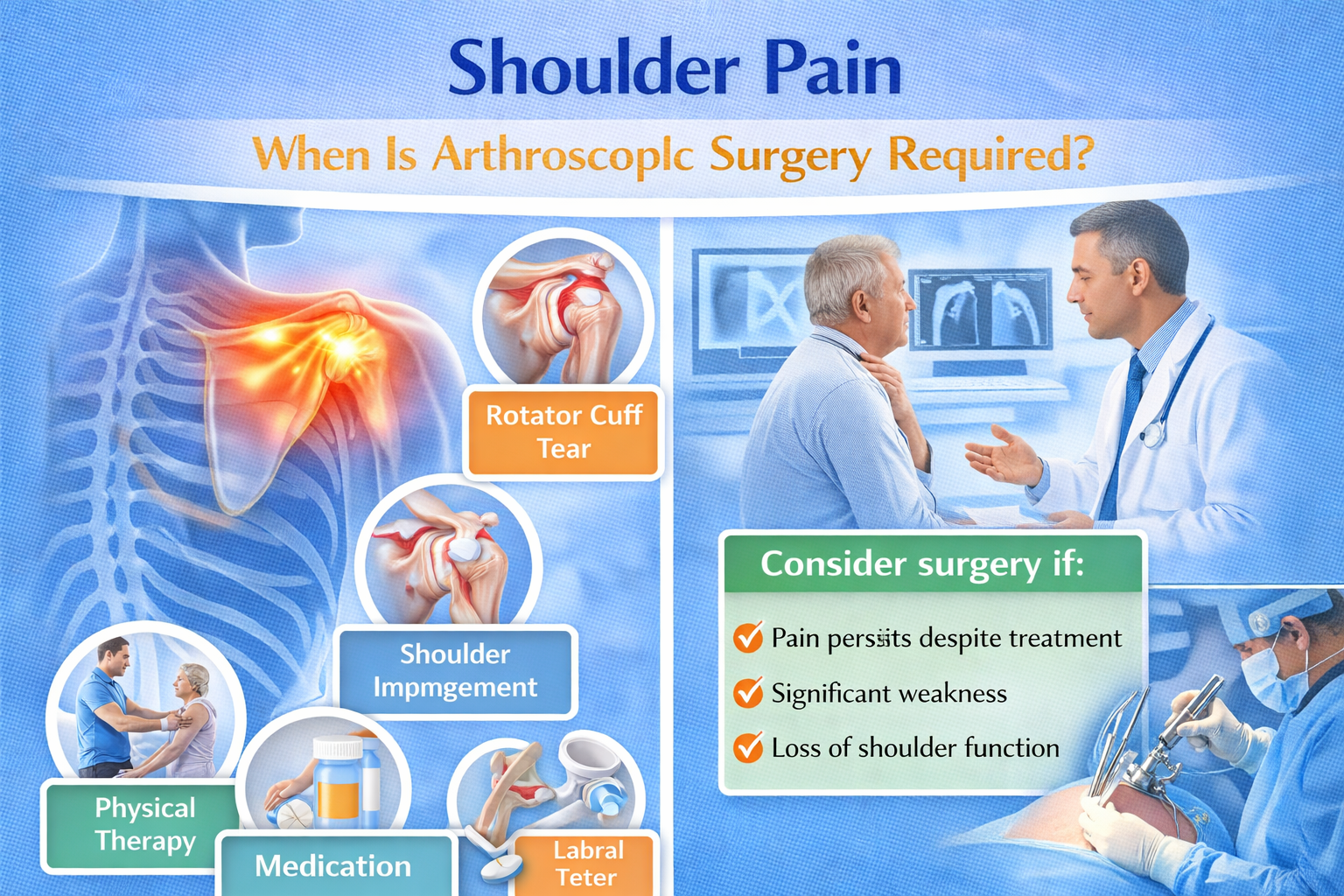
Shoulder pain is a common problem that can affect people of all ages. Whether caused by injury, overuse, or age-related wear and tear, persistent shoulder pain can limit movement and interfere with daily activities such as lifting, reaching, or even sleeping comfortably.
At a trusted multi speciality hospital in Hassan, early diagnosis and the right treatment approach can help prevent complications and restore mobility.
While many cases improve with rest and physiotherapy, some conditions require advanced treatment, including arthroscopic surgery. Understanding when surgery is necessary helps patients make informed decisions and seek timely medical care.
What Causes Shoulder Pain?
The shoulder is a complex joint made up of bones, muscles, tendons, and ligaments. Because of its wide range of motion, it is more prone to injuries and degeneration.
Common causes of shoulder pain include:
Rotator Cuff Injury
The rotator cuff is a group of muscles and tendons that stabilize the shoulder joint. Tears or inflammation can cause pain, weakness, and limited movement.
Frozen Shoulder
Also known as adhesive capsulitis, this condition causes stiffness and reduced mobility in the shoulder joint.
Shoulder Impingement
Occurs when shoulder tendons are compressed during movement, leading to pain and inflammation.
Dislocation or Instability
Shoulder dislocation can damage ligaments and lead to repeated instability.
Arthritis
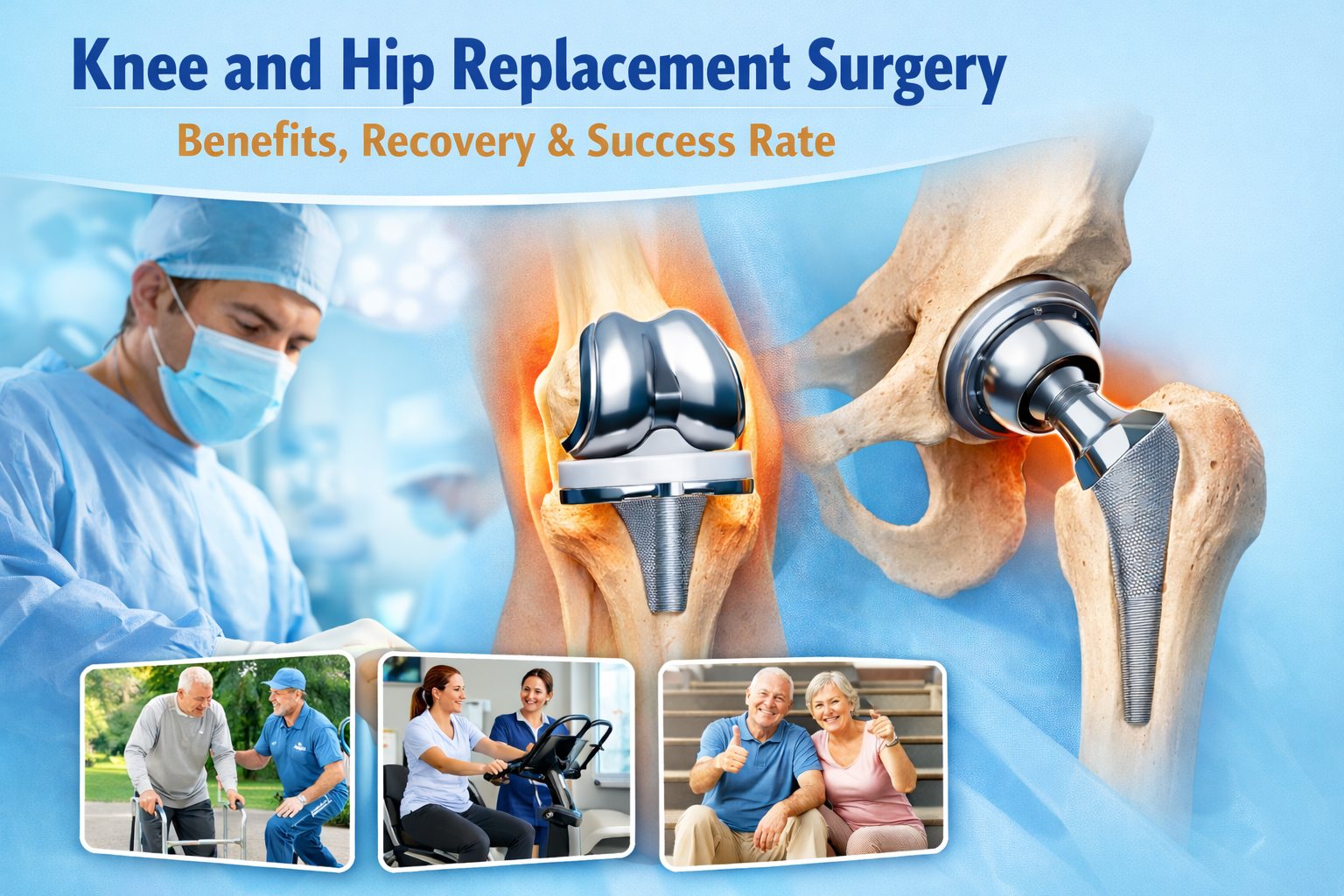
Wear and tear of the shoulder joint can lead to pain, stiffness, and reduced range of motion. In advanced cases, procedures similar to <a href=”https://karnahospital.in/knee-and-hip-replacement-surgery-benefits-recovery-success-rate/”>knee and hip replacement surgery benefits and recovery</a> may be required for long-term relief.
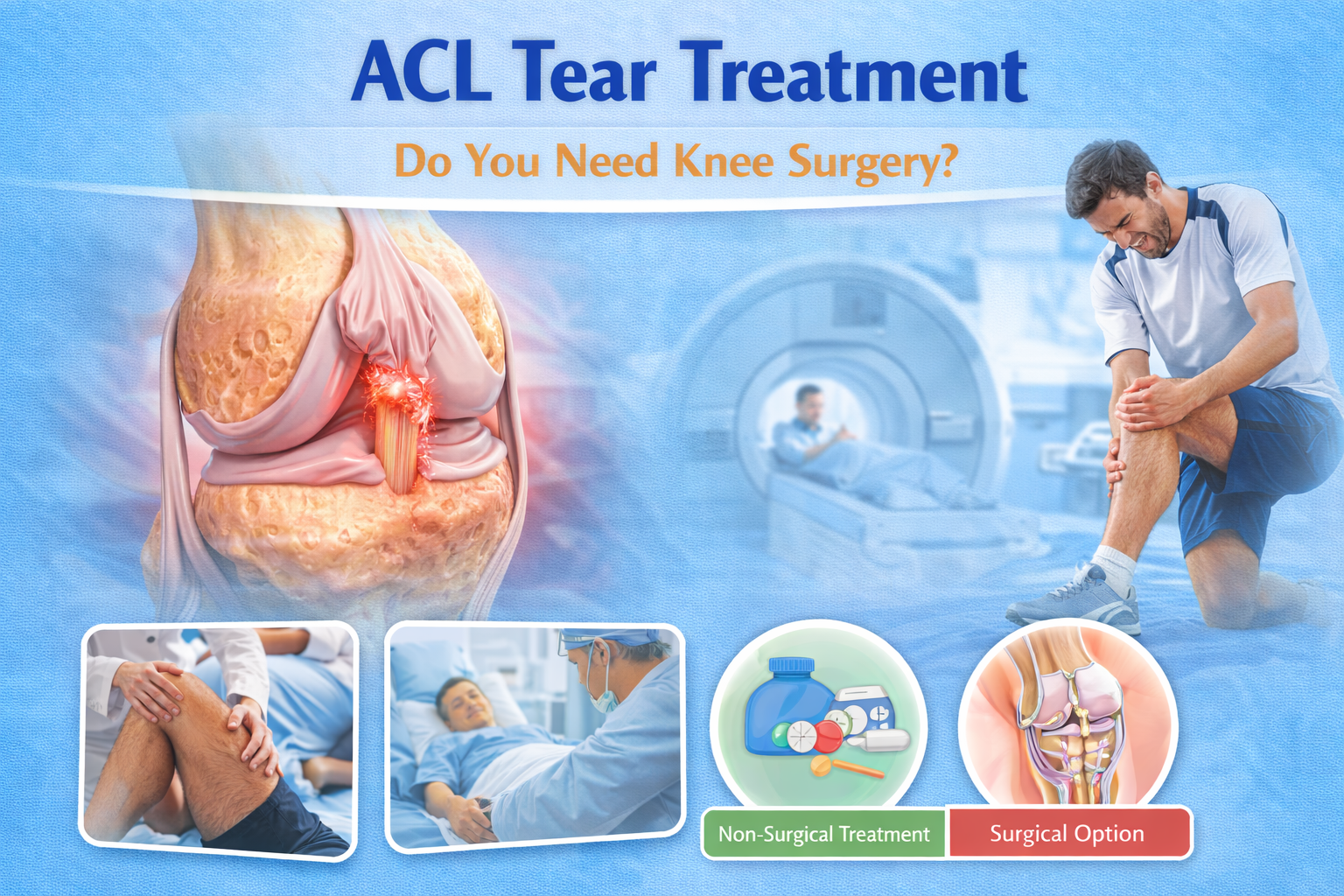
Sports injuries and ligament damage can also contribute to joint pain, similar to conditions discussed in ACL tear treatment and knee surgery.
Symptoms That Should Not Be Ignored
Shoulder pain may start mildly but can worsen over time if left untreated.
Common symptoms include:
- Persistent shoulder pain
- Difficulty lifting or rotating the arm
- Weakness in the shoulder
- Clicking or grinding sensation
- Stiffness or limited range of motion
- Pain that worsens at night
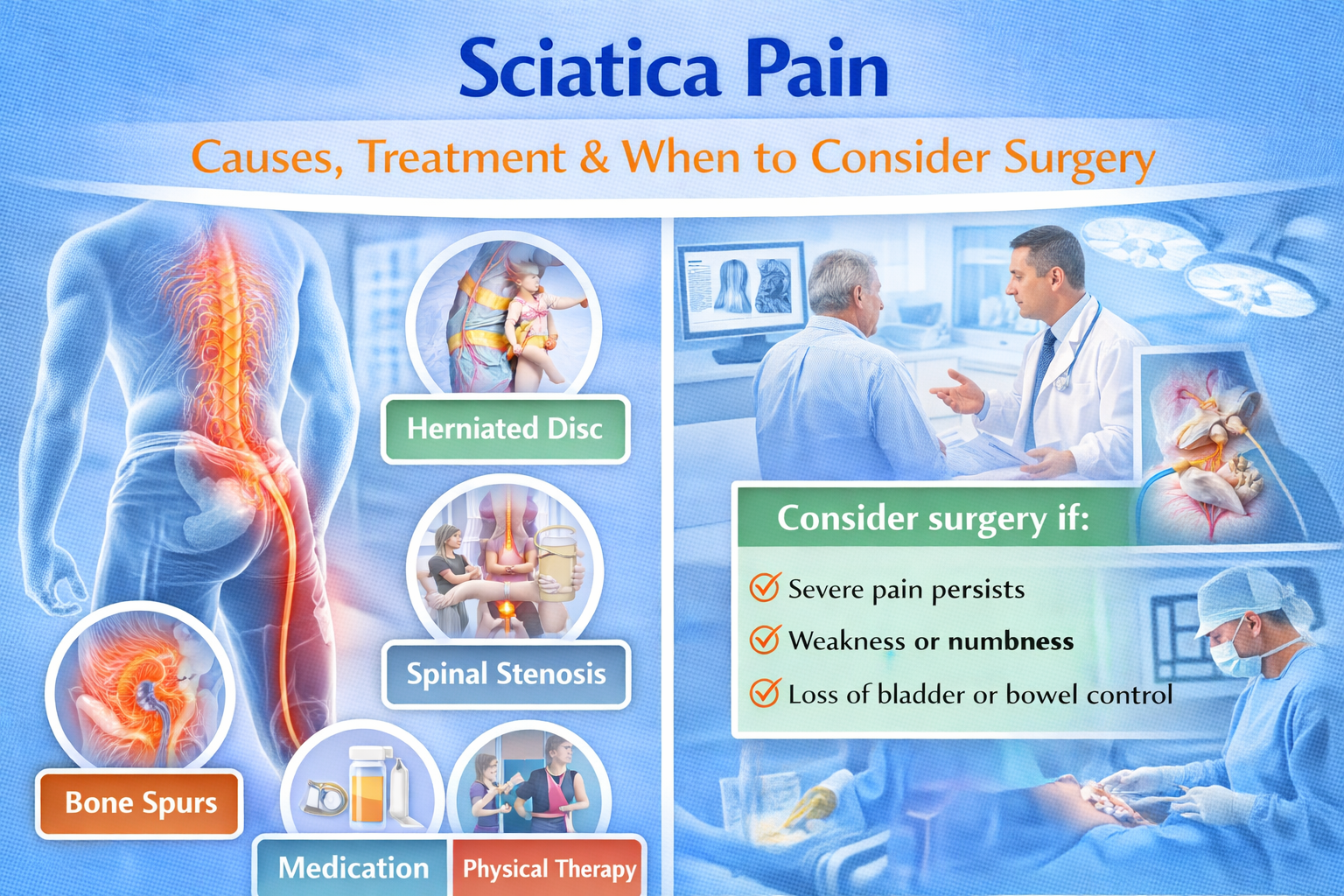
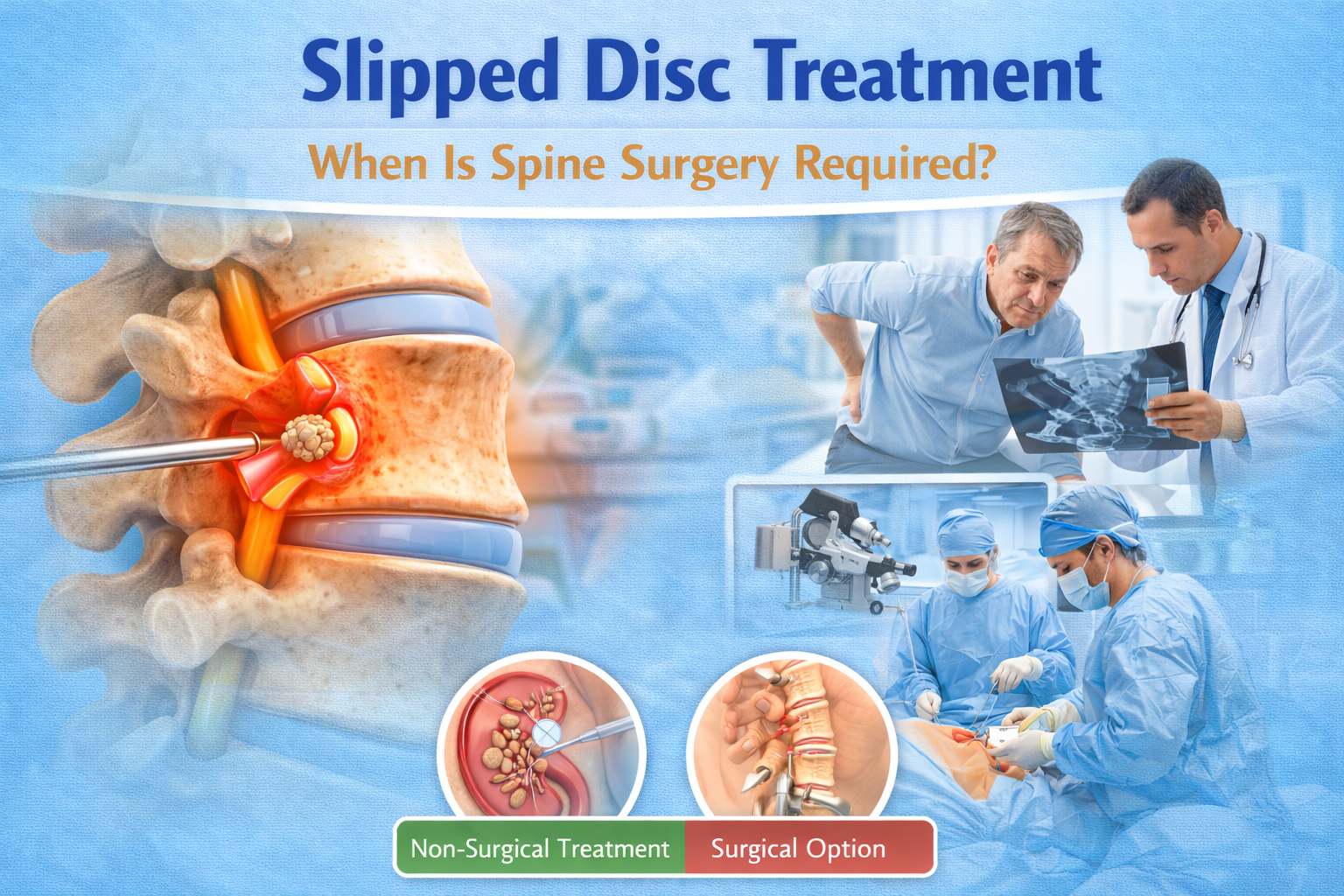
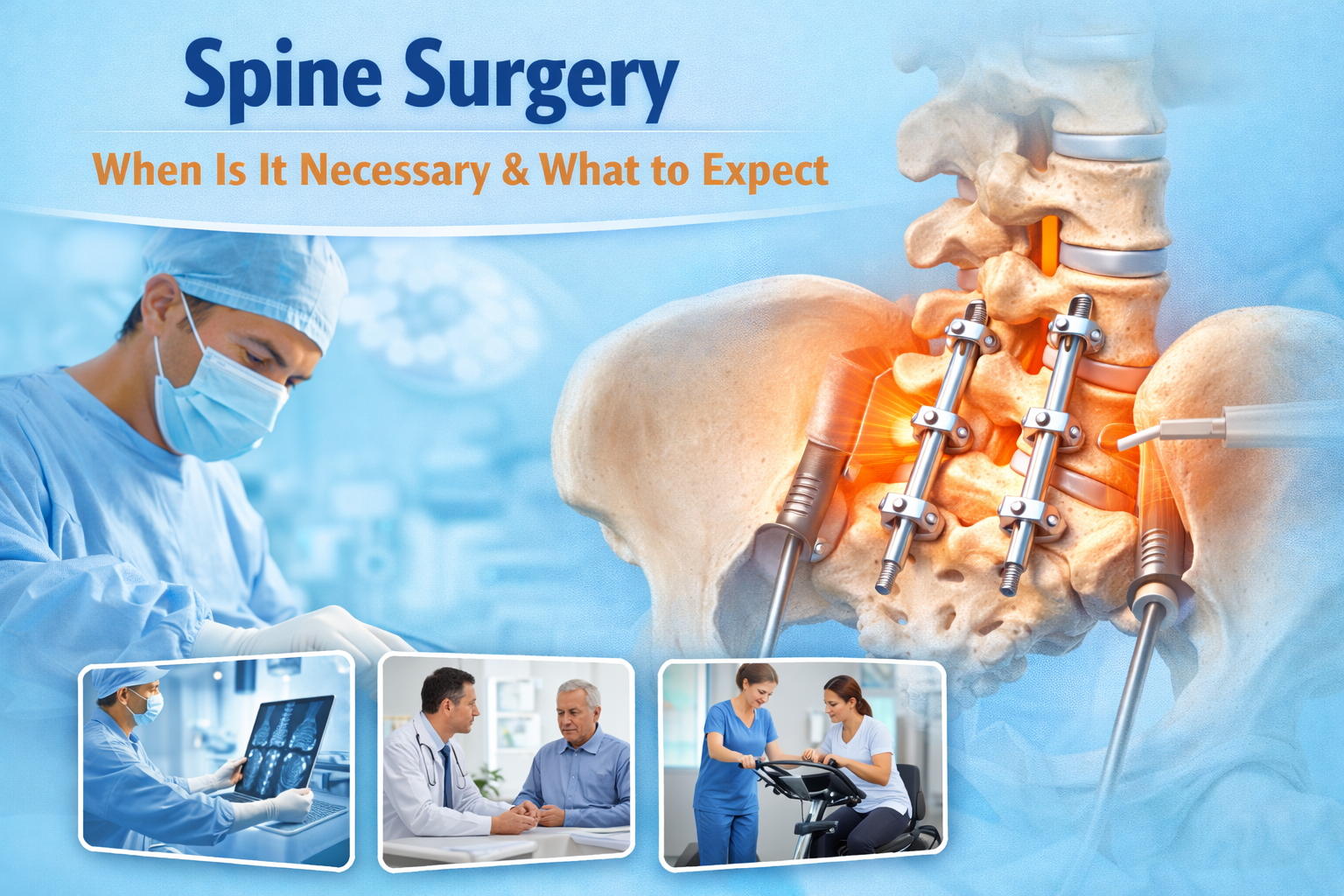
If the pain is associated with nerve-related symptoms, it may be linked to spinal issues such as slipped disc treatment and spine surgery, which require careful evaluation.
⚠️Emergency Warning Sign:
Severe weakness or loss of movement should be evaluated immediately to prevent long-term damage.
How Is Shoulder Pain Diagnosed?
Doctors use a combination of physical examination and imaging tests to diagnose shoulder conditions.
Physical Examination
The doctor assesses range of motion, strength, and pain levels.
Imaging Tests
- X-rays to detect bone abnormalities
- MRI scans to evaluate soft tissues like muscles and tendons
- Ultrasound for real-time imaging
Accurate diagnosis helps determine whether non-surgical treatment or surgery is required.
Non-Surgical Treatment Options
Most shoulder conditions can be treated without surgery, especially in the early stages.
Medications
Pain relievers and anti-inflammatory drugs help reduce swelling and discomfort.
Physiotherapy
Targeted exercises improve flexibility, strengthen muscles, and restore shoulder function.
Rest and Activity Modification
Avoiding activities that worsen pain allows the shoulder to heal.
Steroid Injections
Corticosteroid injections may reduce inflammation and provide temporary relief.
Many patients recover with these treatments within a few weeks to months.
When Is Arthroscopic Surgery Required?
Arthroscopic surgery is recommended when non-surgical treatments fail to relieve symptoms or when the condition is severe.
Doctors may suggest surgery in the following situations:
- Persistent pain lasting more than 3–6 months
- Severe rotator cuff tears
- Shoulder instability or repeated dislocations
- Limited mobility affecting daily life
- Failure of physiotherapy and medications
- Structural damage seen in imaging tests
Just like other conditions where surgical treatment becomes necessary, timely intervention in shoulder problems can prevent complications.
What Is Arthroscopic Shoulder Surgery?
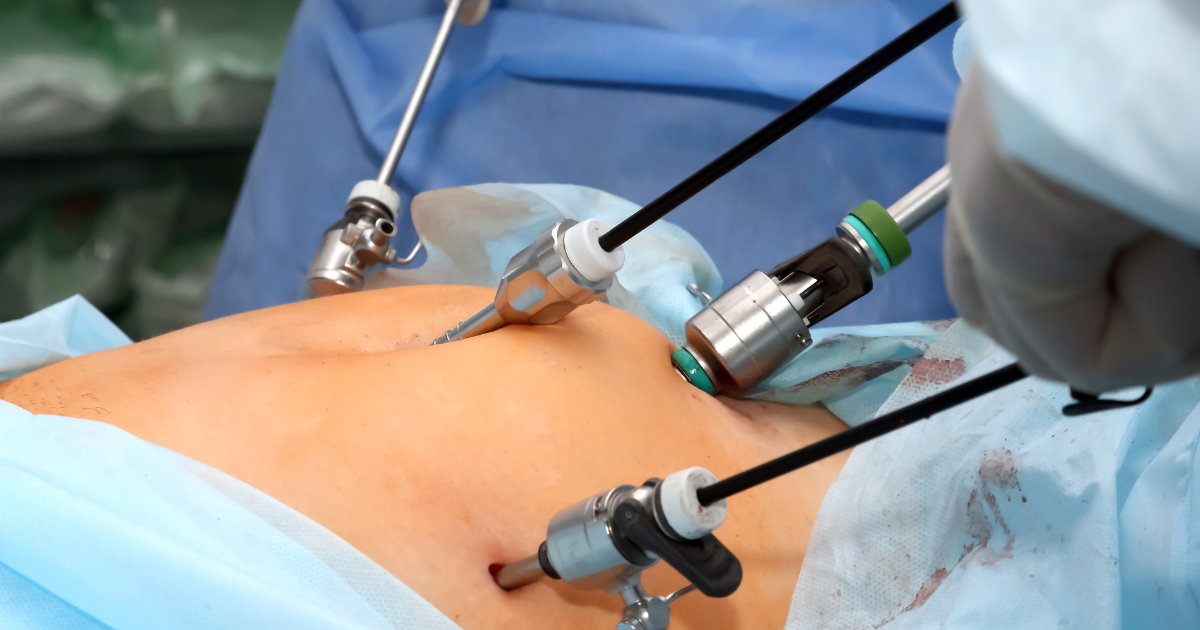
Arthroscopic surgery is a minimally invasive procedure in which a small camera (arthroscope) is inserted into the shoulder joint through tiny incisions.
The surgeon uses specialized instruments to:
- Repair torn tendons
- Remove damaged tissue
- Stabilize the joint
- Reduce inflammation
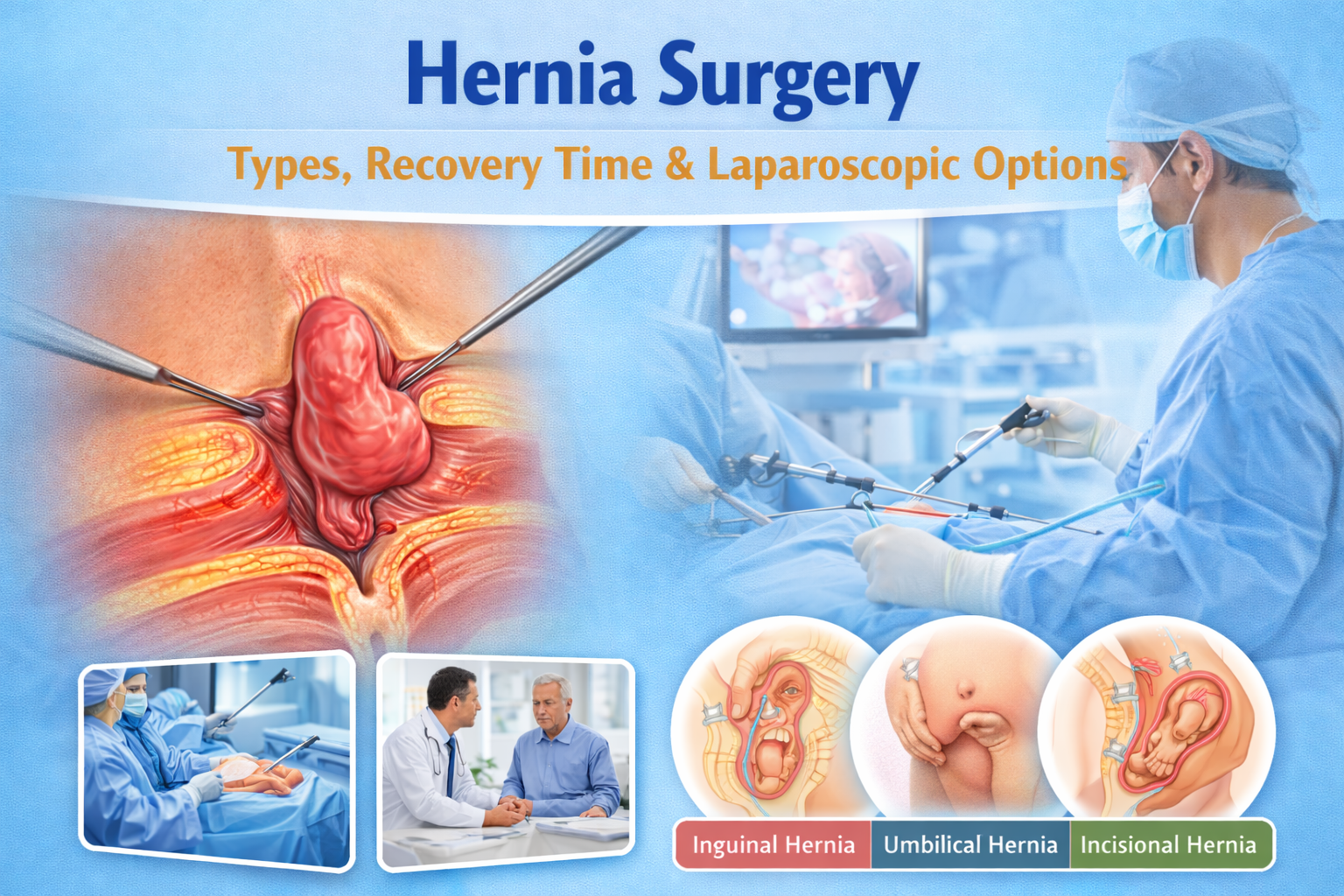
This approach is similar to minimally invasive surgical procedures used in other specialties, offering better outcomes with less discomfort.
Benefits of Arthroscopic Surgery
Arthroscopic shoulder surgery is widely preferred due to its advantages:
- Smaller incisions
- Less pain after surgery
- Reduced risk of infection
- Faster recovery time
- Minimal scarring
- Shorter hospital stay
Modern procedures are performed using advanced technology in a Modular Operation Theatre (OT) setup, ensuring high precision and patient safety.
Recovery After Arthroscopic Surgery
Recovery depends on the type of procedure and the patient’s overall health.
Initial Recovery
- Sling support for the shoulder
- Pain management
- Limited movement in the first few days
Rehabilitation Phase
- Physiotherapy to restore strength and flexibility
- Gradual increase in shoulder movement
Full Recovery
- Return to normal activities within a few weeks to months
Following post-operative instructions is essential for successful recovery.
Can Shoulder Pain Be Prevented?
Although not all shoulder problems can be prevented, certain measures can reduce the risk:
- Regular exercise to strengthen shoulder muscles
- Maintaining proper posture
- Avoiding repetitive strain
- Using correct techniques during physical activities
- Managing underlying conditions
These steps help maintain long-term shoulder health.
Conclusion
Shoulder pain can significantly impact daily life, but early diagnosis and appropriate treatment can prevent complications. While many cases improve with conservative treatment, some conditions require arthroscopic surgery for effective relief.
Minimally invasive procedures offer faster recovery, less pain, and better outcomes compared to traditional surgery.
For expert care, visit a trusted multi speciality hospital in Hassan where advanced orthopedic treatments are available under one roof.
At Karna Hospital, arthroscopic procedures are performed using advanced techniques in a state-of-the-art Modular OT setup, ensuring the highest standards of safety, precision, and patient care.
Contact Karna Hospital
For immediate consultation or emergency support, contact Karna Hospital:
📞 Mobile: +91 63603 22779
📍 Address: Shankar Mutt Road, KR Puram, Hassan – 573201
🌐 Website: https://karnahospital.in/