
Prostate cancer is one of the most common cancers affecting men, particularly those over the age of 50. The prostate is a small gland located below the bladder that plays an important role in the male reproductive system by producing seminal fluid.
In many cases, prostate cancer develops slowly and may not cause noticeable symptoms during the early stages. However, early detection and timely treatment significantly improve outcomes. Understanding the early symptoms, diagnostic methods, and treatment options for prostate cancer can help men take proactive steps toward better health.
What Is Prostate Cancer?
Prostate cancer occurs when abnormal cells in the prostate gland grow uncontrollably. These cells can form a tumor that may remain confined to the prostate or spread to nearby tissues and other parts of the body if not treated in time.
While some prostate cancers grow slowly, others may be more aggressive and require immediate medical intervention.
Early screening and medical evaluation are crucial to detecting the disease before it progresses.
Early Symptoms of Prostate Cancer
In the early stages, prostate cancer may not cause noticeable symptoms. As the tumor grows, it can begin to affect urinary function and nearby organs.
Common symptoms include:
- Frequent urge to urinate, especially at night
- Difficulty starting or stopping urination
- Weak or interrupted urine stream
- Burning or pain during urination
- Blood in urine or semen
- Pain in the lower back, hips, or pelvis
- Erectile dysfunction in some cases
These symptoms can also occur in conditions such as enlarged prostate (BPH), which is a common non-cancerous prostate condition affecting older men. Because symptoms can overlap, a proper medical evaluation is necessary for an accurate diagnosis.
Risk Factors for Prostate Cancer
Several factors can increase a man’s risk of developing prostate cancer.
Age
Age is the most significant risk factor. The risk increases significantly after the age of 50.
Family History
Men with a family history of prostate cancer are at a higher risk of developing the condition.
Lifestyle and Diet
A diet high in processed foods and unhealthy fats may contribute to increased risk.
Hormonal Factors
Changes in male hormones can influence prostate cell growth.
Obesity
Being overweight or obese may increase the likelihood of aggressive prostate cancer.
Regular health checkups and consultations with urology specialists can help detect prostate abnormalities early.
How Is Prostate Cancer Diagnosed?
Early diagnosis plays a vital role in successful treatment. Doctors use several tests to detect and confirm prostate cancer.
Digital Rectal Examination (DRE)
During this physical exam, the doctor checks the prostate gland for abnormalities in size, shape, or texture.
PSA Blood Test
The Prostate-Specific Antigen (PSA) test measures the level of PSA in the blood. Elevated levels may indicate prostate enlargement, infection, or cancer.
Imaging Tests
Imaging tests such as MRI or ultrasound help doctors visualize the prostate and detect suspicious areas.
Prostate Biopsy
If tests suggest cancer, a biopsy may be performed to remove small samples of prostate tissue for laboratory analysis.
These diagnostic methods help determine the stage and aggressiveness of the cancer.
Stages of Prostate Cancer
Prostate cancer is typically classified into stages depending on how far it has spread.
- Stage 1: Cancer is small and confined to the prostate.
- Stage 2: Cancer is still within the prostate but larger.
- Stage 3: Cancer has spread beyond the prostate to nearby tissues.
- Stage 4: Cancer has spread to distant organs such as bones or lymph nodes.
Identifying the stage helps doctors determine the most effective treatment plan.
Treatment Options for Prostate Cancer
Treatment for prostate cancer depends on several factors including the stage of the disease, patient age, overall health, and the aggressiveness of the cancer.
Active Surveillance
For slow-growing prostate cancer, doctors may recommend regular monitoring instead of immediate treatment. This approach involves periodic PSA testing, imaging, and medical evaluation.
Surgery
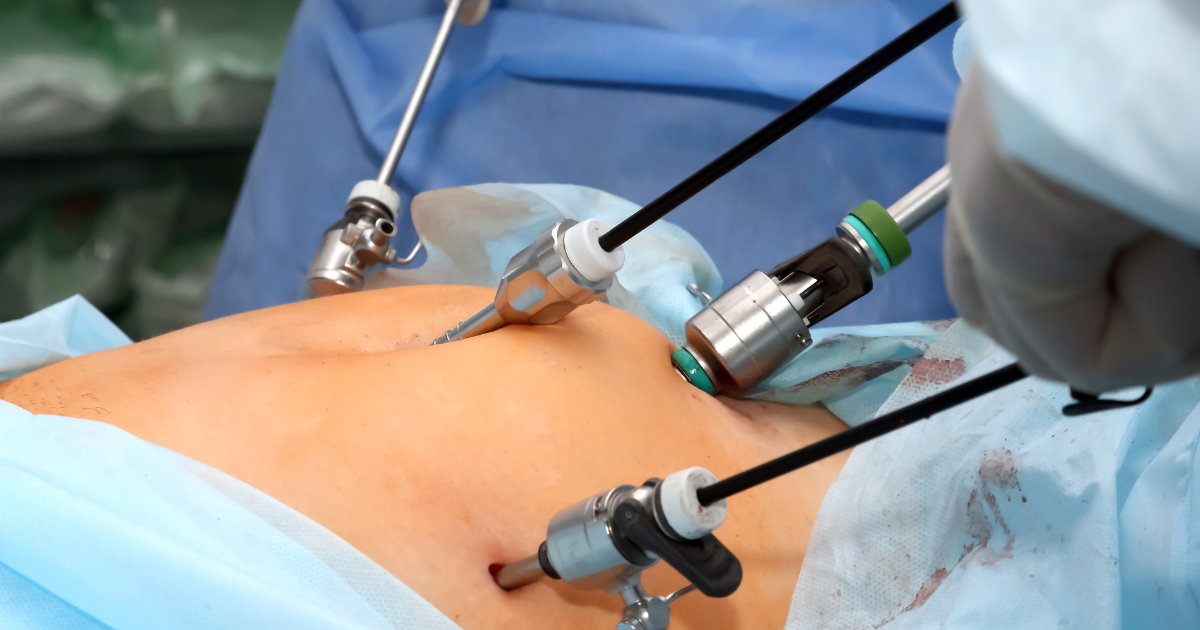
Surgical removal of the prostate gland, known as radical prostatectomy, may be recommended when the cancer is confined to the prostate.
Modern surgical techniques help improve recovery time and treatment outcomes.
Radiation Therapy
Radiation therapy uses high-energy rays to destroy cancer cells. It may be used as a primary treatment or after surgery to eliminate remaining cancer cells.
Hormone Therapy
Hormone therapy reduces the levels of male hormones that stimulate cancer growth. This treatment is often used for advanced or aggressive prostate cancer.
Chemotherapy
Chemotherapy may be recommended when prostate cancer spreads to other parts of the body and does not respond to hormone therapy.
Treatment plans are usually tailored to each patient’s specific condition to achieve the best results.
Importance of Urinary Health
Maintaining good urinary health plays a key role in preventing several urological problems. Conditions such as kidney stones can also affect the urinary system and require specialized treatment.
If you experience severe pain related to urinary stones, you may require advanced procedures such as kidney stone treatment using laser surgery.
Adopting healthy lifestyle habits and following kidney stone prevention tips can also help maintain long-term urinary health.
Importance of Early Detection
Early detection significantly increases the chances of successful treatment and survival. Men above the age of 50 should consider regular prostate health screening, especially if they have a family history of prostate cancer.
Routine health checkups and early medical consultation can help identify potential problems before they become serious.
Can Prostate Cancer Be Prevented?
Although prostate cancer cannot always be prevented, adopting a healthy lifestyle may help reduce the risk.
Preventive measures include:
- Maintaining a healthy diet rich in fruits and vegetables
- Exercising regularly
- Maintaining a healthy weight
- Avoiding smoking and excessive alcohol consumption
- Scheduling regular medical checkups
These lifestyle habits contribute to overall health and may help reduce cancer risk.
When to See a Doctor
Men experiencing persistent urinary symptoms, pelvic discomfort, or unexplained fatigue should seek medical advice promptly.
Early consultation with specialists in the urology department ensures timely diagnosis and appropriate treatment.
Conclusion
Prostate cancer is a serious but treatable condition, especially when detected early. Recognizing the early symptoms, undergoing regular screenings, and seeking prompt medical care can greatly improve treatment outcomes.
With advancements in modern medicine, various treatment options are available to effectively manage prostate cancer and improve quality of life.
At Karna Hospital, patients receive expert care from experienced specialists using advanced diagnostic and treatment facilities for urological conditions.
Contact Karna Hospital
For immediate consultation or emergency support, contact Karna Hospital:
📞 Mobile: +91 63603 22779
📍 Address: Shankar Mutt Road, KR Puram, Hassan – 573201
🌐 Website: https://karnahospital.in/