Hydronephrosis is a condition where one or both kidneys become swollen due to a buildup of urine. This happens when urine cannot flow properly from the kidney to the bladder because of a blockage or obstruction in the urinary tract. Over time, this pressure can damage the kidneys if left untreated.
Hydronephrosis can occur in people of any age, including infants, adults, and older individuals. Early diagnosis and proper treatment are essential to prevent long-term kidney damage. Understanding the causes, symptoms, and treatment options for hydronephrosis can help patients seek medical care at the right time.
What Is Hydronephrosis?
Hydronephrosis refers to the enlargement or swelling of the kidney caused by urine accumulation. Normally, urine flows from the kidneys through narrow tubes called ureters into the bladder. When this normal flow is blocked, urine builds up in the kidney, causing it to stretch and swell.
Hydronephrosis can affect:
- One kidney (Unilateral hydronephrosis)
- Both kidneys (Bilateral hydronephrosis)
If the blockage continues for a long time, it can affect kidney function and lead to complications.
Causes of Hydronephrosis
Hydronephrosis can develop due to several medical conditions that obstruct the normal flow of urine.
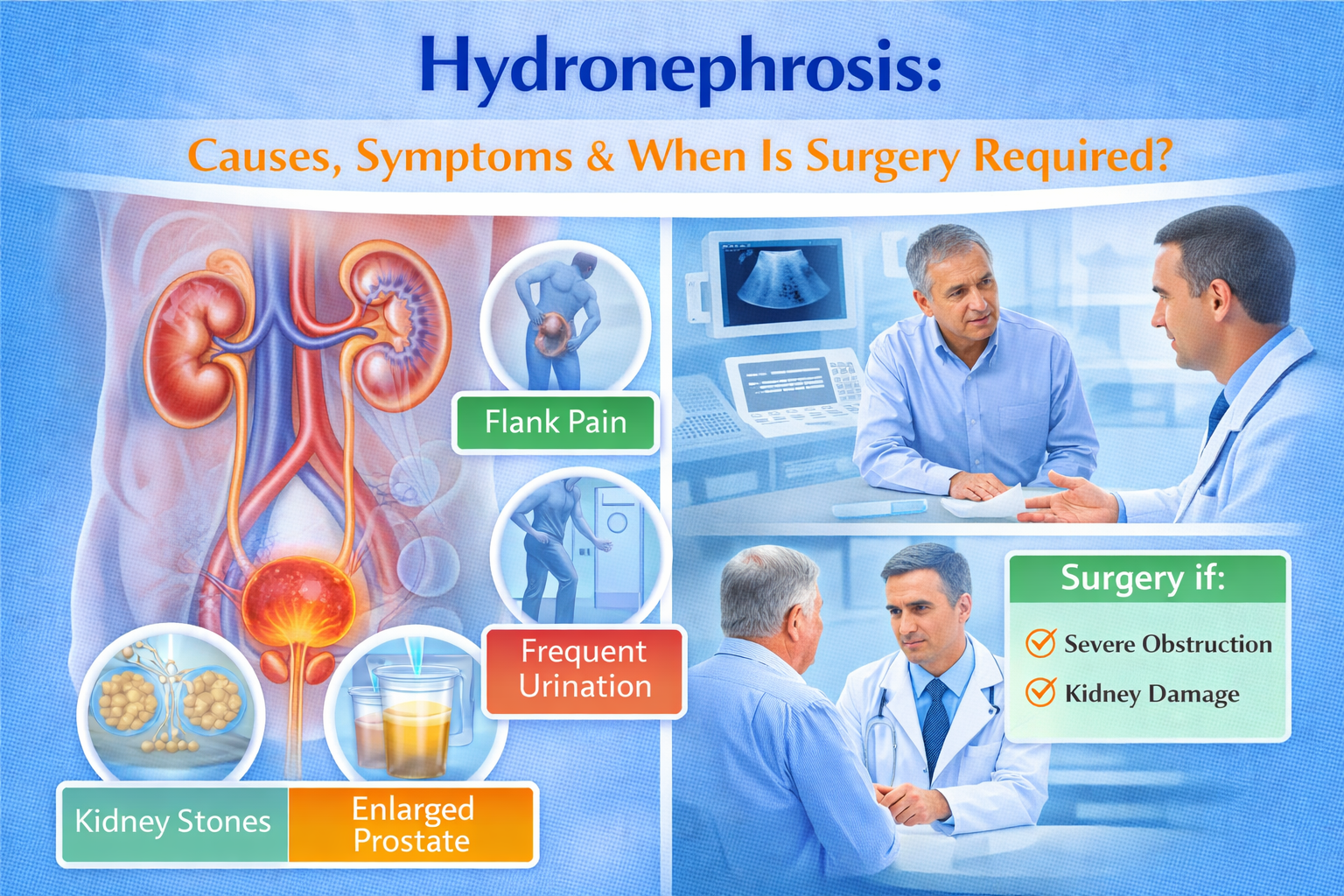
Kidney Stones
Kidney stones are one of the most common causes of urinary blockage. Large stones can block the ureter and prevent urine from draining properly from the kidney. In such cases, patients may require advanced procedures such as kidney stone treatment options including laser surgery to remove the obstruction and restore urine flow.
Enlarged Prostate (BPH)
In men, an enlarged prostate gland can compress the urethra and restrict urine flow. This condition, known as enlarged prostate (BPH) symptoms and treatment, can sometimes lead to urinary retention and kidney swelling.
Urinary Tract Infections
Severe or untreated infections in the urinary system may cause inflammation and narrowing of the urinary tract. Recognizing urinary tract infection symptoms and treatment early can help prevent complications that may affect kidney function.
Tumors or Abnormal Growths
Tumors in the urinary tract, bladder, or surrounding organs can obstruct urine flow and lead to hydronephrosis.
Congenital Abnormalities
Some individuals are born with structural abnormalities in the urinary tract that interfere with normal urine drainage.
Pregnancy
During pregnancy, the growing uterus may compress the ureters, temporarily slowing down urine flow and causing mild hydronephrosis.
Symptoms of Hydronephrosis
The symptoms of hydronephrosis vary depending on the severity of the blockage and how quickly it develops.
Common symptoms include:
- Pain in the lower back or side (flank pain)
- Frequent urge to urinate
- Pain or burning sensation while urinating
- Nausea and vomiting
- Fever if infection is present
- Blood in urine
- Difficulty passing urine
- Reduced urine output in severe cases
Sometimes hydronephrosis may not show clear symptoms in the early stages and may only be detected during routine medical examinations.
How Is Hydronephrosis Diagnosed?
Doctors diagnose hydronephrosis using several tests and imaging studies.
Ultrasound
Ultrasound is often the first diagnostic test used to detect kidney swelling and evaluate urine flow.
CT Scan
A CT scan provides detailed images of the kidneys and urinary tract. It helps doctors identify kidney stones, tumors, or structural abnormalities causing the blockage.
Urine Tests
Urine analysis helps detect infection, blood in the urine, or other abnormalities.
Blood Tests
Blood tests help evaluate kidney function and detect signs of infection or inflammation.
Early diagnosis allows doctors to identify the underlying cause and begin appropriate treatment.
Treatment Options for Hydronephrosis
The treatment for hydronephrosis depends on the cause and severity of the blockage.
Medications
If hydronephrosis is caused by infection or inflammation, doctors may prescribe antibiotics and medications to reduce symptoms.
Removing the Blockage
When hydronephrosis is caused by kidney stones or other obstructions, the primary goal of treatment is to remove the blockage and restore urine flow.
Urinary Drainage Procedures
In certain cases, doctors may insert a ureteral stent or nephrostomy tube to help drain urine from the kidney and relieve pressure.
Surgery
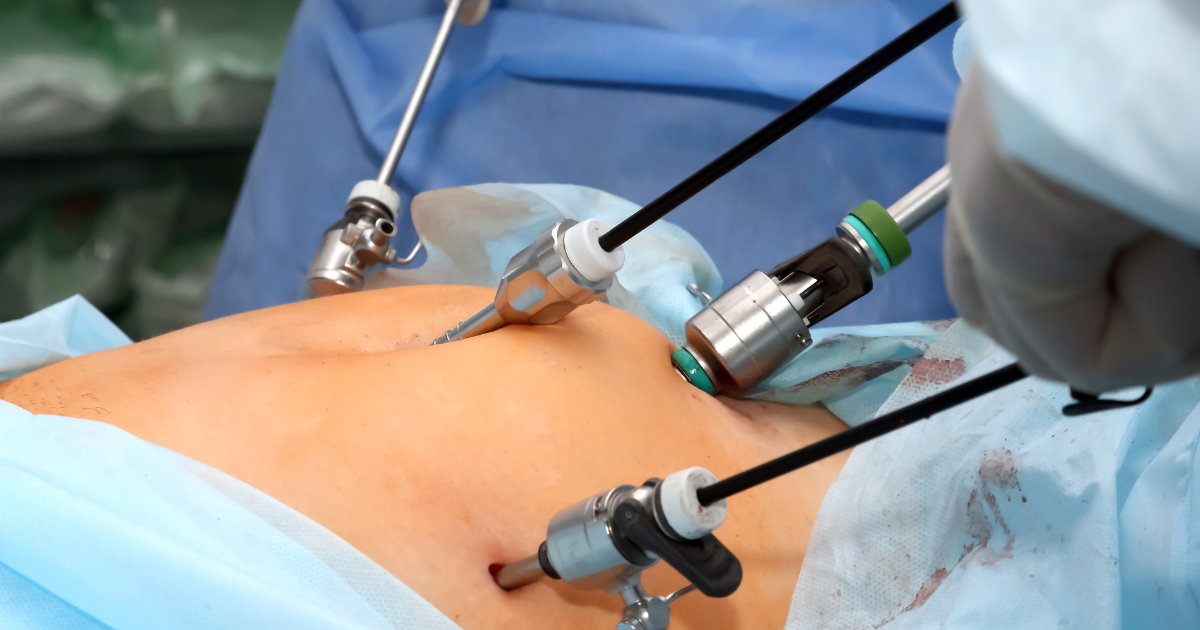
Surgery may be required when the obstruction cannot be treated with medications or minimally invasive procedures.
When Is Surgery Required?
Surgery may be recommended when hydronephrosis leads to complications or when the underlying cause requires surgical correction.
Doctors may suggest surgery in the following situations:
- Large kidney stones blocking urine flow
- Severe obstruction in the ureter
- Tumors or abnormal growths causing blockage
- Congenital structural abnormalities
- Declining kidney function due to prolonged obstruction
Timely surgical intervention helps restore normal urine flow and prevents permanent kidney damage.
Possible Complications
If hydronephrosis is not treated promptly, it may lead to serious complications such as:
- Kidney infections
- Permanent kidney damage
- Reduced kidney function
- Severe infections that may spread to the bloodstream
Seeking early medical care can significantly reduce these risks.
Preventing Hydronephrosis
Although hydronephrosis cannot always be prevented, maintaining good urinary health can reduce the risk.
Preventive measures include:
- Drinking enough water daily
- Treating urinary infections early
- Maintaining a healthy lifestyle
- Managing prostate health in older men
- Following kidney stone prevention tips to reduce the risk of stone formation
Regular medical checkups can help detect urinary problems before they become serious.
Conclusion
Hydronephrosis is a condition that occurs when urine flow from the kidney is blocked, causing kidney swelling. While mild cases may resolve with treatment, severe or untreated hydronephrosis can lead to serious kidney complications.
Recognizing symptoms early and consulting a medical specialist ensures proper diagnosis and timely treatment. Depending on the cause, treatment may include medications, minimally invasive procedures, or surgery.
At Karna Hospital, patients receive comprehensive care for kidney and urinary tract conditions using advanced diagnostic tools and modern treatment techniques.
Contact Karna Hospital
For immediate consultation or emergency support, contact Karna Hospital:
📞 Mobile: +91 63603 22779
📍 Address: Shankar Mutt Road, KR Puram, Hassan – 573201
🌐 Website: https://karnahospital.in/