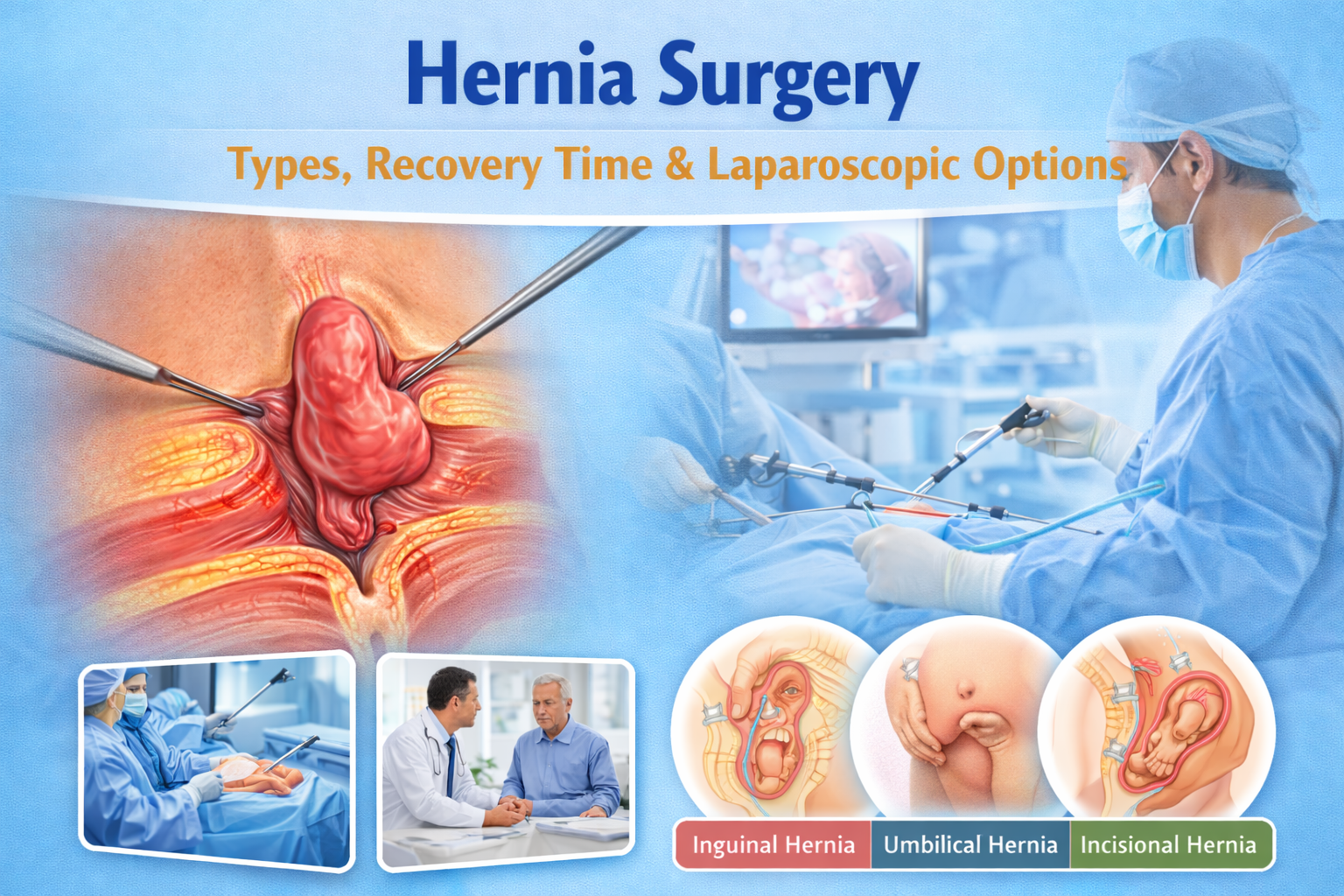
A hernia is a common medical condition that causes discomfort, pain, and complications if not treated properly or early. It is often associated with muscle weakness, strain, or lifestyle factors. However, when medications do not provide relief, hernia surgery becomes the most effective and long-term solution. Therefore, understanding the types, recovery time, and modern laparoscopic options can help patients make informed and confident decisions.
What Is Hernia Surgery?
Hernia surgery is a treatment procedure performed to repair a weakened muscle wall where an internal organ or tissue protrudes. This surgery usually involves pushing the bulging tissue back into its place and strengthening the area using stitches or surgical mesh to prevent recurrence.
Modern surgical advancements, similar to those used in minimally invasive abdominal procedures like Laparoscopic Cholecystectomy: An Overview of the Procedure, Recovery Time & Risks, have significantly improved patient recovery and reduced hospital stays.
Common Types of Hernia Surgery
There are various types of hernia surgery depending on the location and severity of the hernia. The choice of procedure depends upon the patient’s age, condition, and overall health.
1. Open Hernia Surgery
Open hernia surgery is a conventional method in which surgeons make a single incision near the hernia site to repair the muscle wall. A surgical mesh is often placed to provide additional strength and reduce the chance of recurrence.
This method is effective but may require a slightly longer recovery period compared to minimally invasive options.
2. Laparoscopic Hernia Surgery
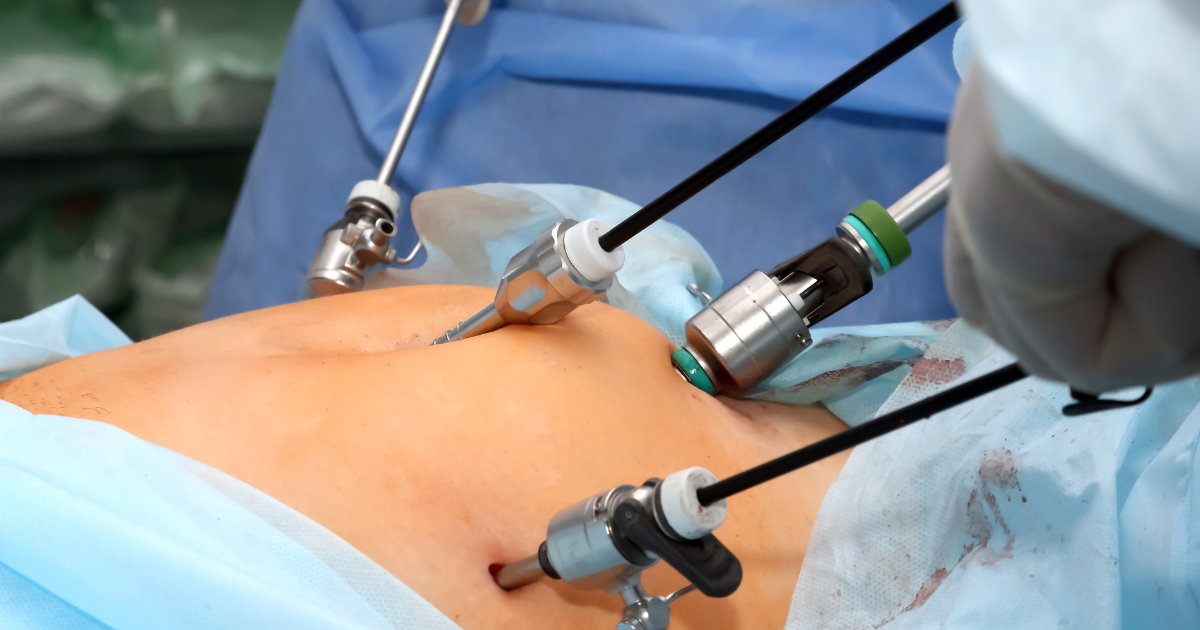
Laparoscopic surgery is a minimally invasive method of hernia repair that uses a tiny incision, a camera, and specialized surgical tools.
Important Advantages Include:
- Reduced discomfort after surgery
- Smaller scars
- Quicker recovery
- Reduced hospital stay
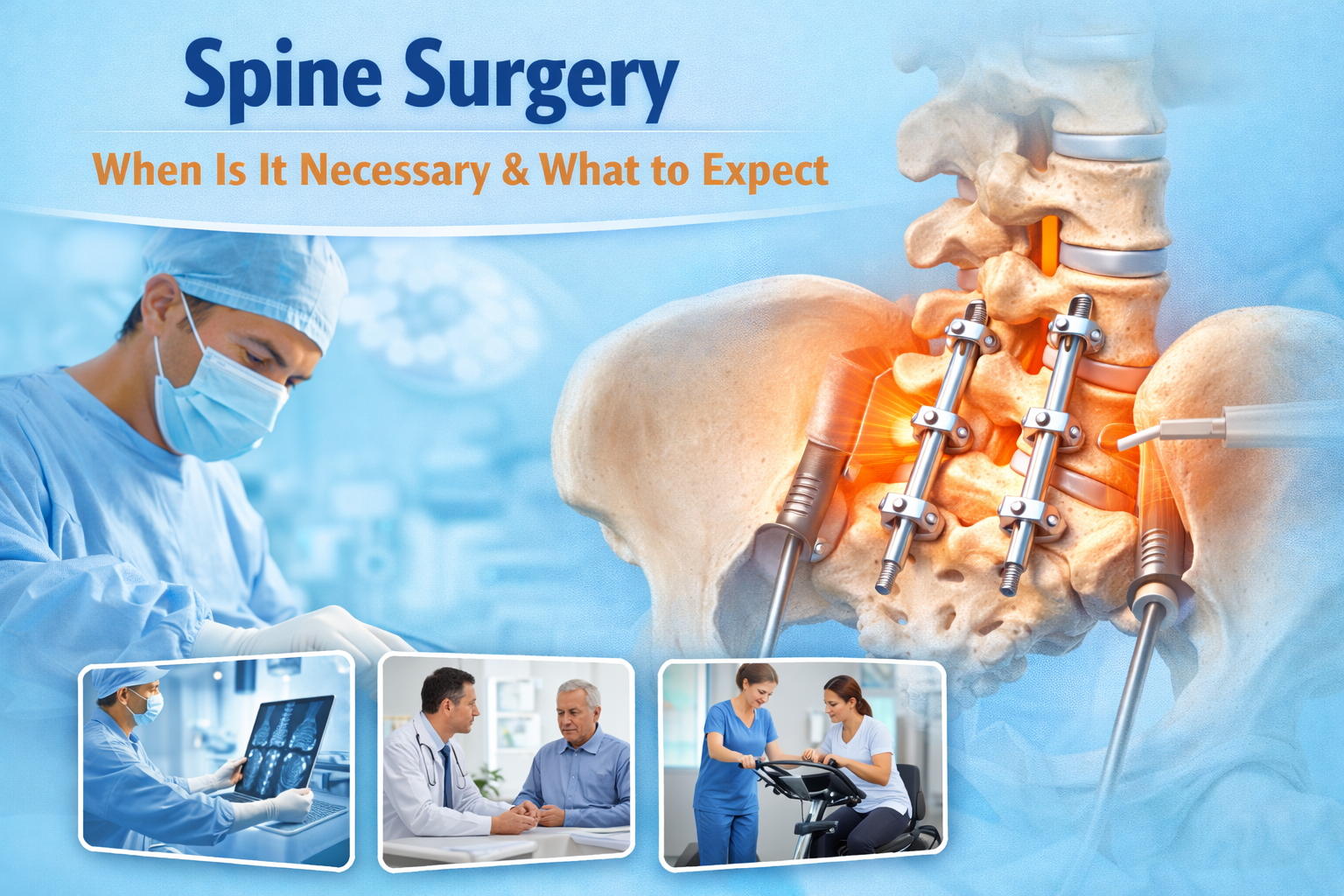
Laparoscopic hernia surgery is becoming increasingly popular because of its faster healing and lower risk of complications. The principles of minimally invasive surgery are also widely applied in other specialties, including advanced spine procedures such as Spine Surgery: When Is It Necessary & What to Expect, where precision and minimal tissue damage improve outcomes.
3. Advanced Robotic Hernia Surgery
Robotic-assisted surgery is an advanced version of laparoscopic hernia repair that offers greater precision and flexibility. It is particularly beneficial for complex or recurrent hernias, providing improved visualization and surgical accuracy.
Types of Hernias That May Require Surgery
The most common types of hernia treated surgically include:
- Inguinal hernia (most common in men)
- Umbilical hernia
- Hiatal hernia
- Incisional hernia
- Femoral hernia
Early diagnosis and timely treatment help prevent serious complications such as strangulation or bowel obstruction.
Hernia Surgery Recovery Time: What to Expect
Recovery time after hernia surgery depends on:
- The type of surgery performed
- The patient’s overall health
- The surgical technique used
However, most patients experience a smooth and gradual recovery with proper post-operative care.
Typical Recovery Timeline:
- 1–2 days: Discharge after laparoscopic surgery
- 1 week: Return to light daily activities
- 2–4 weeks: Resume normal routine (laparoscopic)
- 4–6 weeks: Full recovery after open surgery
Patients undergoing laparoscopic hernia surgery typically recover faster compared to open surgery due to minimal tissue damage.
Benefits of Timely Hernia Surgery
Delaying treatment can worsen the condition and increase surgical risks. Early hernia surgery offers several advantages:
- Prevents enlargement of the hernia
- Reduces risk of complications
- Improves quality of life
- Provides long-term relief from pain and discomfort
- Lowers chances of emergency surgery
Getting surgery at the right time ensures better outcomes and smoother recovery.
Risks and Safety of Hernia Surgery
Hernia surgery is generally safe when performed by experienced surgeons in well-equipped hospitals. However, potential risks may include:
- Infection
- Swelling or bruising
- Temporary pain
- Rare recurrence
Regular follow-ups with your doctor significantly reduce these risks and ensure proper healing.
When Should You Consider Hernia Surgery?
You should consult a doctor immediately if you experience:
- Persistent abdominal pain
- Visible bulge in the abdomen or groin
- Discomfort while lifting or coughing
- Nausea or digestive issues
- Increasing hernia size
Early medical evaluation helps determine the most suitable hernia treatment option and prevents serious complications.
FAQs About Hernia Surgery
1. Is hernia surgery painful?
Hernia surgery is performed under anesthesia, so patients do not feel pain during the procedure. Mild discomfort after surgery is normal and manageable with medication.
2. How long does hernia surgery take?
Most hernia surgeries take 30 minutes to 2 hours, depending on the type and complexity of the hernia.
3. Can a hernia come back after surgery?
Recurrence is rare, especially when surgical mesh and advanced laparoscopic techniques are used along with proper post-operative care.
4. Which is the fastest recovery option for hernia repair?
Laparoscopic hernia surgery offers the fastest recovery, minimal scarring, and quicker return to daily activities compared to open surgery.
Conclusion
Hernia surgery is one of the safest and most effective solutions for long-term relief from pain and discomfort. With advancements in medical technology such as laparoscopy and robotic-assisted techniques, these procedures can now be performed with minimal risk and faster recovery times. Choosing the right surgeon and seeking timely intervention play a crucial role in achieving the best outcomes.
For immediate consultation or emergency support, contact Karna Hospital:
📞 Mobile: +91 63603 22779
📍 Address: Shankar Mutt Road, KR Puram, Hassan – 573201
🌐 Website: https://karnahospital.in/