Knee injuries are common among athletes, fitness enthusiasts, and even individuals involved in routine physical activities. One of the most serious ligament injuries affecting the knee is an ACL tear. The Anterior Cruciate Ligament (ACL) plays a vital role in stabilizing the knee joint, especially during movements such as running, jumping, and sudden changes in direction.
An ACL injury can cause significant pain, swelling, and instability in the knee. While some cases can be managed with rehabilitation, others require surgical treatment to restore full knee function. Understanding ACL tear treatment options and when knee surgery becomes necessary can help patients make informed healthcare decisions.
What Is an ACL Tear?
The ACL is one of the four major ligaments in the knee that connects the thigh bone (femur) to the shinbone (tibia). It helps control forward movement and rotational stability of the knee.
An ACL tear occurs when this ligament is stretched or completely torn, usually due to sudden twisting movements or impact.
Common Causes of ACL Injuries
ACL injuries often occur during sports or physical activities that involve sudden movements.
Some common causes include:
- Sudden change in direction while running
- Landing incorrectly after a jump
- Direct impact to the knee during sports
- Sudden stops while running
- Accidents or falls
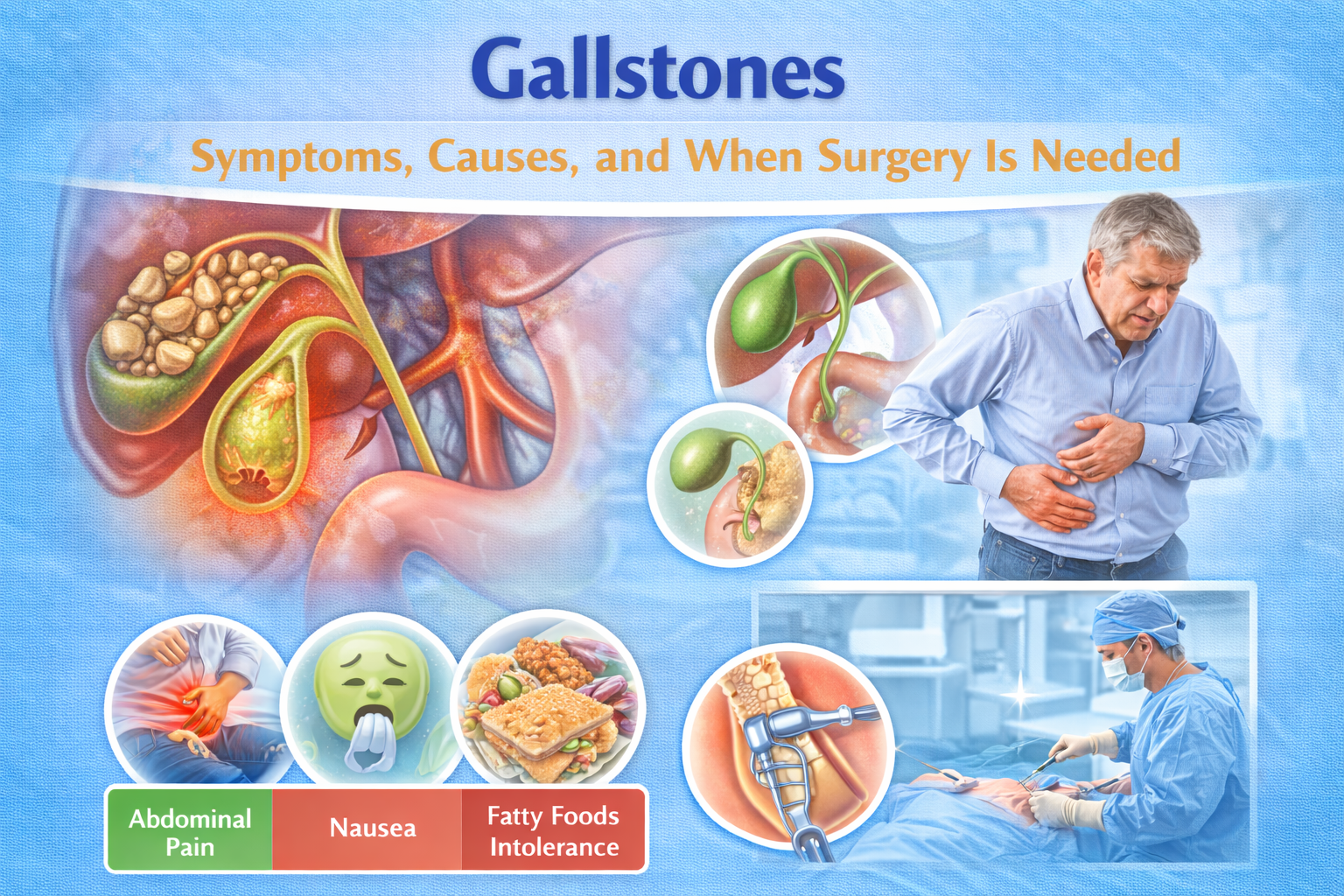
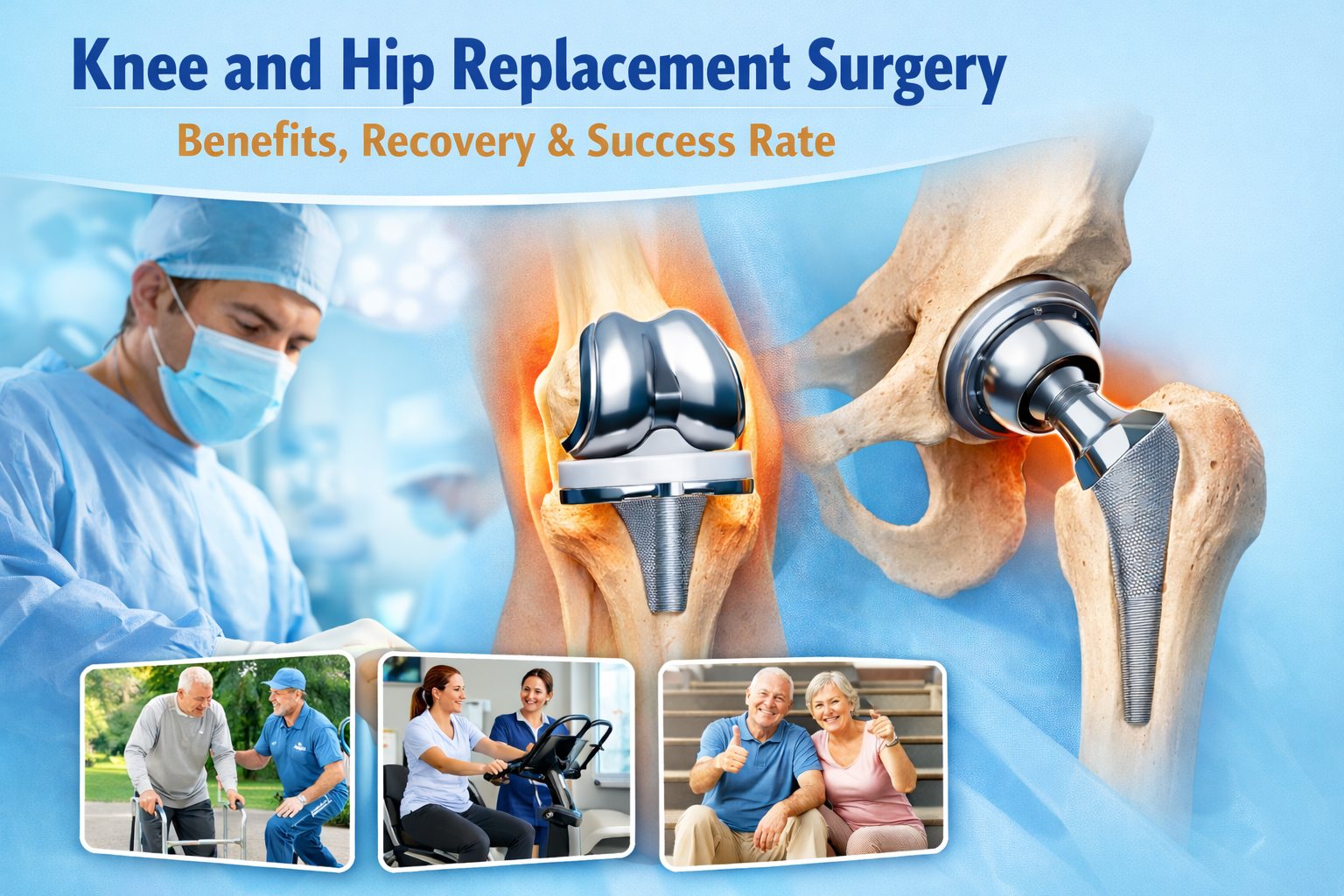
Sports such as football, basketball, cricket, and badminton are commonly associated with ACL injuries. Severe joint damage from sports injuries may sometimes lead to long-term knee problems that require advanced procedures like knee and hip replacement surgery if the joint becomes significantly damaged over time.
Symptoms of an ACL Tear
The symptoms of an ACL injury can appear immediately after the injury occurs.
Common signs include:
- A “popping” sound at the time of injury
- Severe knee pain
- Rapid swelling around the knee
- Difficulty walking or bearing weight
- Knee instability or “giving way”
- Reduced range of motion
If these symptoms appear after a knee injury, it is important to seek medical evaluation promptly.
How Is an ACL Tear Diagnosed?
An orthopedic specialist will evaluate the injury through a combination of clinical examination and imaging tests.
Physical Examination
Doctors perform specific knee stability tests to check ligament damage.
Imaging Tests
To confirm the diagnosis, imaging tests may include:
- MRI Scan – Most accurate method to assess ligament damage
- X-ray – Helps rule out fractures
- Ultrasound (in some cases)
Early diagnosis ensures the most effective treatment plan.
Non-Surgical ACL Tear Treatment
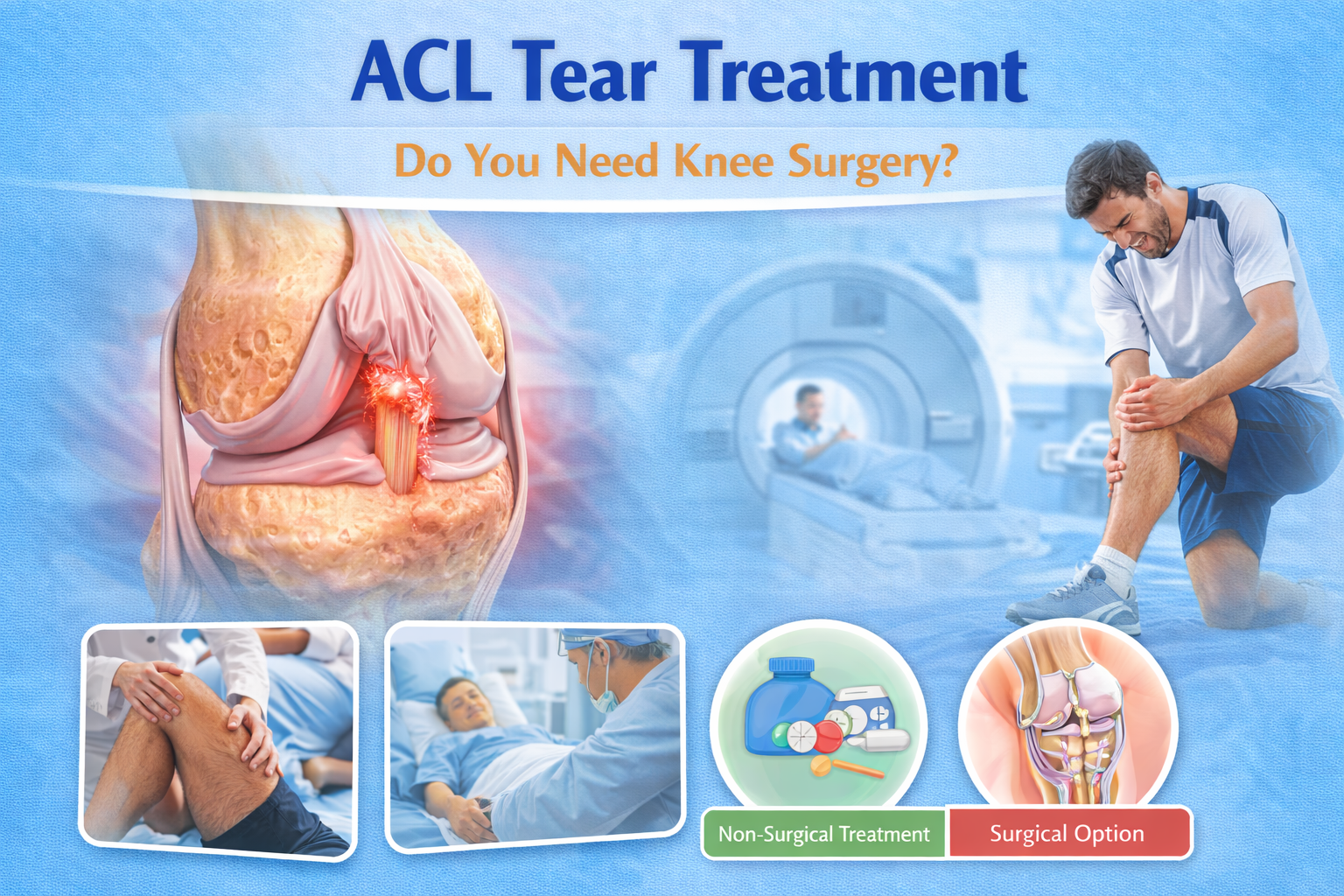
Not all ACL injuries require surgery. In mild cases or partial tears, doctors may recommend conservative treatment methods.
1. Rest and Activity Modification
Avoiding activities that strain the knee allows the ligament to heal and reduces inflammation.
2. Ice and Compression
Applying ice packs helps control swelling and pain during the early phase of injury.
3. Physiotherapy
Physical therapy plays a crucial role in strengthening surrounding muscles and improving knee stability.
4. Knee Bracing
A supportive knee brace can help stabilize the joint during daily activities.
Non-surgical treatment is usually recommended for:
- Partial ACL tears
- Patients with low activity levels
- Older individuals who do not engage in high-impact sports
However, if instability persists, surgery may be required.
When Is ACL Surgery Necessary?
Surgery is generally recommended when the knee remains unstable or when the ligament is completely torn.
1. Complete ACL Tear
A fully torn ligament rarely heals on its own and often requires surgical reconstruction.
2. Knee Instability
If the knee repeatedly “gives way” during walking, running, or turning, surgery may be necessary to restore stability.
3. Active Lifestyle or Sports Participation
Athletes and physically active individuals usually require surgery to return safely to sports.
4. Associated Knee Injuries
ACL tears are often accompanied by damage to the meniscus or other ligaments, which may require surgical repair.
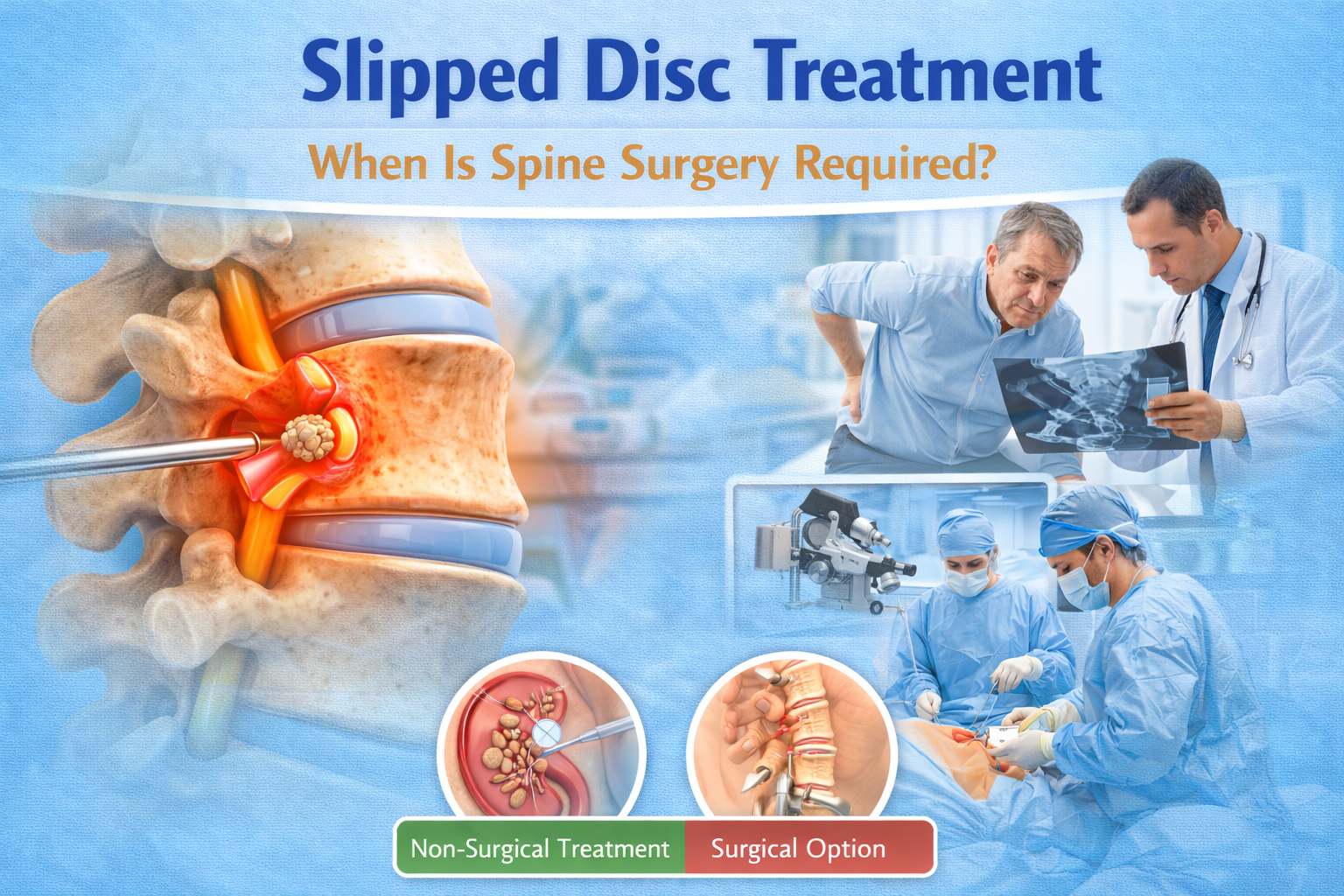
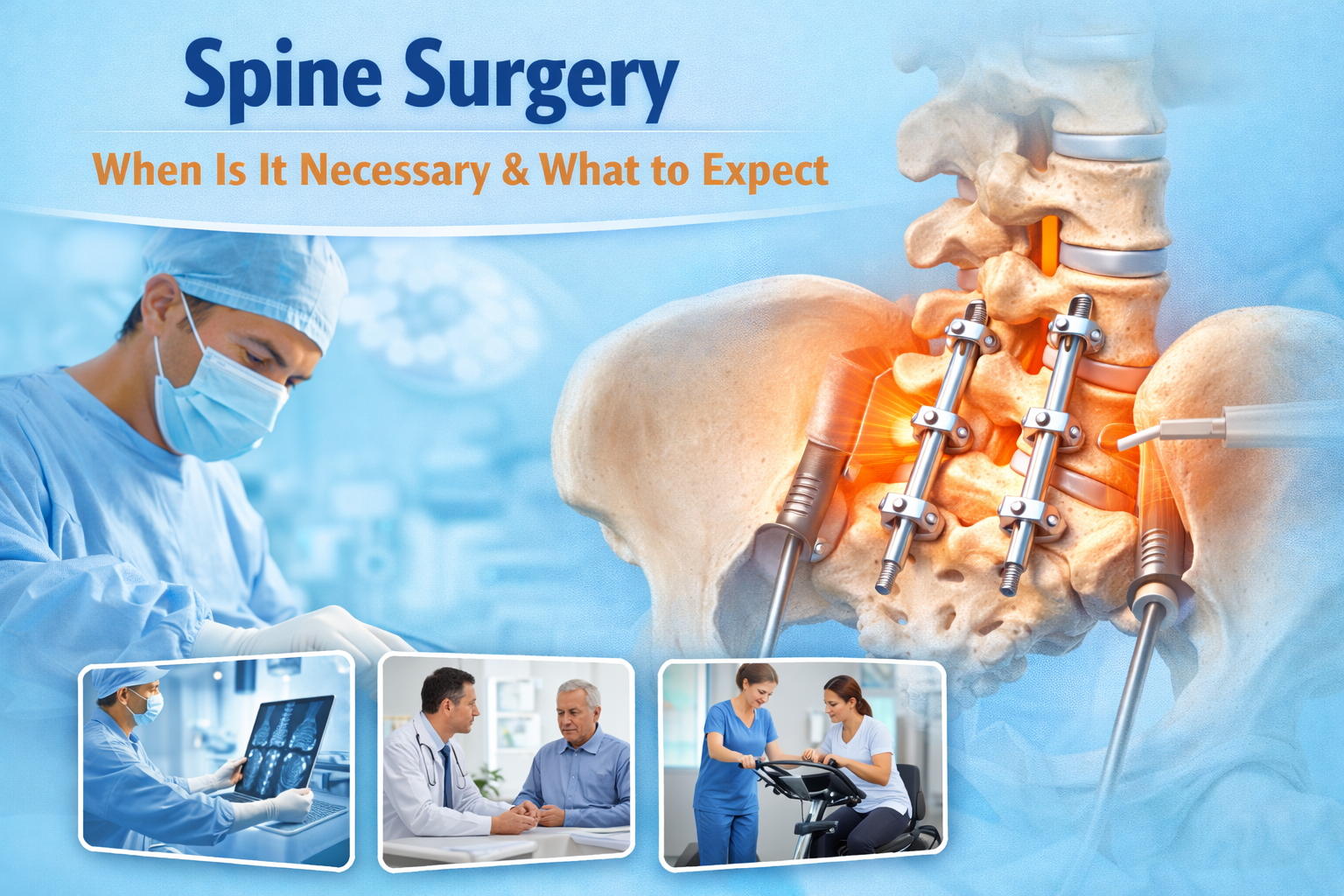
In some cases, patients who suffer from chronic back or nerve pain due to sports injuries may also need evaluation for spinal conditions such as slipped disc treatment and spine surgery, especially when nerve compression affects mobility and movement.
What Happens During ACL Reconstruction Surgery?
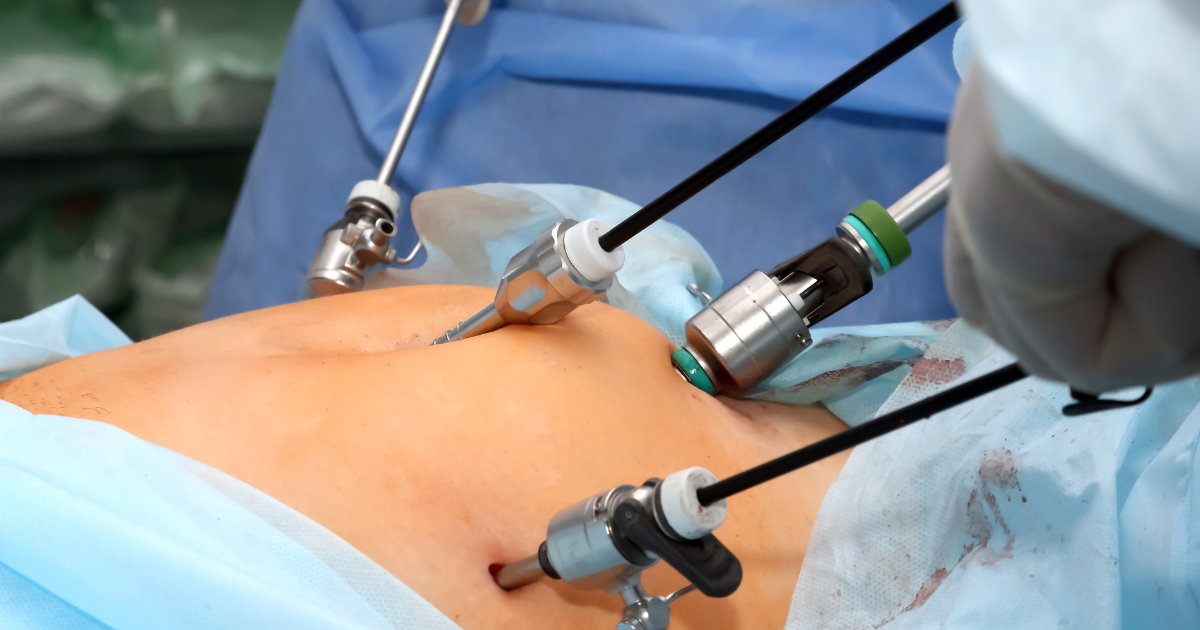
ACL surgery is commonly performed using arthroscopic techniques, which are minimally invasive and involve small incisions.
During the procedure:
- The surgeon removes the damaged ligament.
- A graft (replacement ligament) is taken from the patient’s own tendon or a donor tendon.
- The graft is positioned in the knee joint to replace the torn ACL.
- The graft is secured using surgical screws or fixation devices.
The surgery is typically performed under anesthesia and may take about 1 to 2 hours.
Modern orthopedic surgeries are performed in advanced surgical environments such as Modular Operation Theatre (OT) setups, which provide better infection control, improved surgical precision, and enhanced patient safety.
Recovery After ACL Surgery
Recovery after ACL reconstruction requires patience and structured rehabilitation.
Hospital Stay
Most patients can go home within 24–48 hours after surgery.
Rehabilitation
Physiotherapy begins soon after surgery and focuses on:
- Restoring knee movement
- Strengthening thigh muscles
- Improving balance and stability
Return to Activities
Recovery timelines may vary:
- Walking without support – within a few weeks
- Light activities – around 3 months
- Sports activities – usually 6–9 months
Following the rehabilitation program carefully is essential for a successful outcome.
Possible Risks of ACL Surgery
Although ACL reconstruction is generally safe, like any surgical procedure it may carry certain risks, including:
- Infection
- Blood clots
- Knee stiffness
- Graft failure
- Persistent pain or swelling
Choosing an experienced orthopedic team and a well-equipped hospital significantly reduces these risks.
Preventing ACL Injuries
While not all ACL injuries can be prevented, certain measures can reduce the risk:
- Strengthening leg muscles
- Proper warm-up before sports
- Learning correct landing techniques
- Maintaining good physical conditioning
- Using appropriate footwear during sports
Athletes can also benefit from injury prevention training programs that focus on balance and neuromuscular control.
Conclusion
An ACL tear can severely affect mobility, stability, and quality of life. While mild injuries may improve with physiotherapy and lifestyle modifications, severe ligament tears often require surgical reconstruction to restore knee strength and function.
Early diagnosis, proper treatment planning, and expert orthopedic care are key to achieving the best recovery outcomes. If you experience persistent knee pain, swelling, or instability after an injury, consulting a specialist promptly can prevent long-term complications.
At Karna Hospital, advanced orthopedic procedures including ACL reconstruction are performed using modern surgical techniques and a state-of-the-art Modular OT setup, ensuring safe and effective treatment for patients.
Contact Karna Hospital
For immediate consultation or emergency support, contact Karna Hospital:
📞 Mobile: +91 63603 22779
📍 Address: Shankar Mutt Road, KR Puram, Hassan – 573201
🌐 Website: https://karnahospital.in/