Sciatica is a condition that causes pain along the path of the sciatic nerve, which runs from the lower back through the hips and buttocks and down each leg. This nerve is the largest in the human body and plays an important role in controlling the muscles of the legs and providing sensation to the lower limbs.
Sciatica pain can range from mild discomfort to severe nerve pain that affects mobility and everyday activities. While many cases improve with non-surgical treatment, some patients require surgical intervention when nerve compression becomes severe.
Understanding the causes, symptoms, and treatment options for sciatica pain can help patients seek timely medical care and prevent long-term complications.
What Is Sciatica?
Sciatica refers to pain that occurs when the sciatic nerve becomes irritated or compressed. This usually happens due to problems in the spine that put pressure on the nerve roots in the lower back.
The condition typically affects only one side of the body and may start as lower back pain before radiating down the leg. The pain can sometimes extend all the way to the foot.
Sciatica is not a disease itself but rather a symptom of an underlying spinal condition.
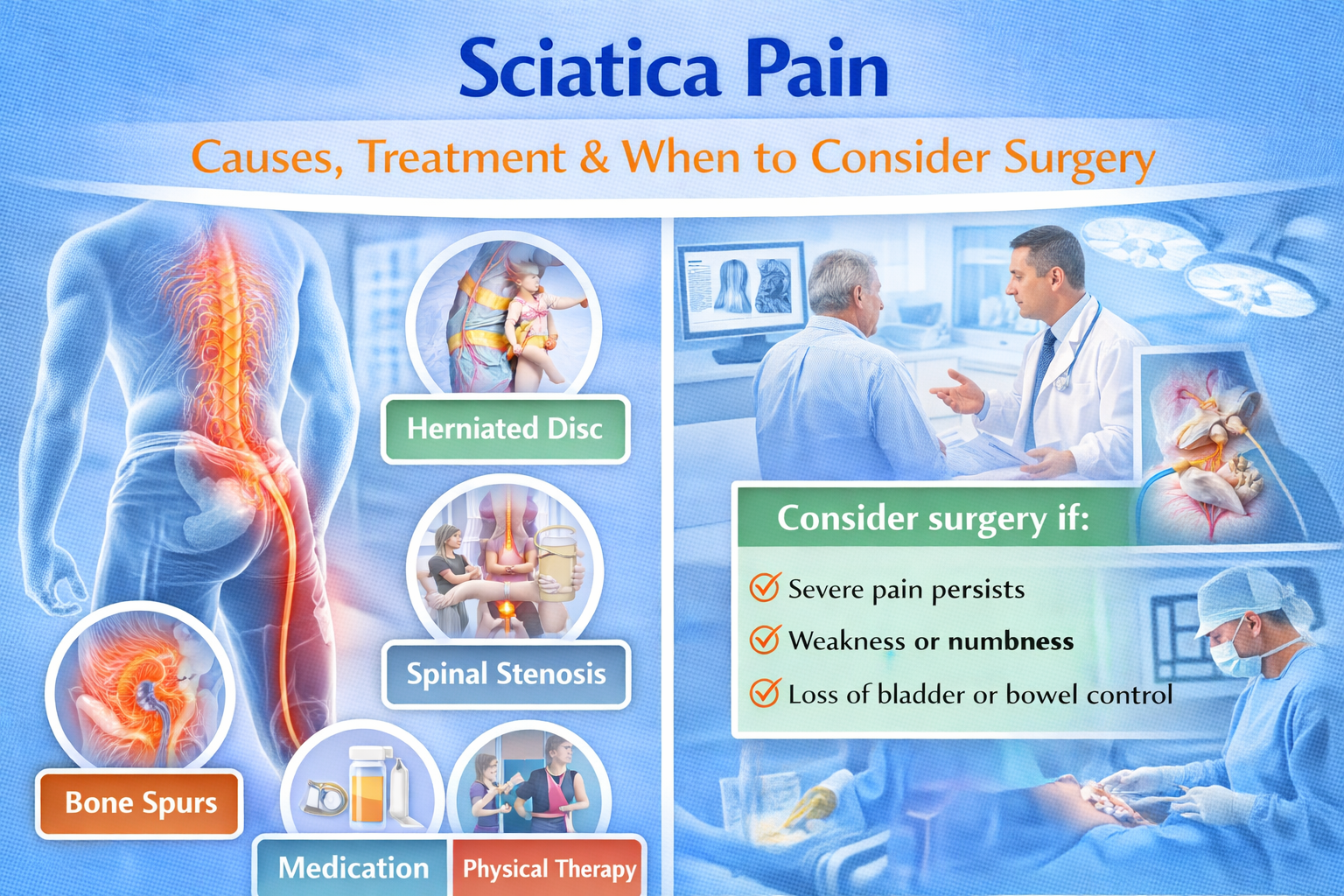
Common Causes of Sciatica
Several conditions affecting the spine can lead to sciatic nerve compression.
Slipped Disc (Herniated Disc)
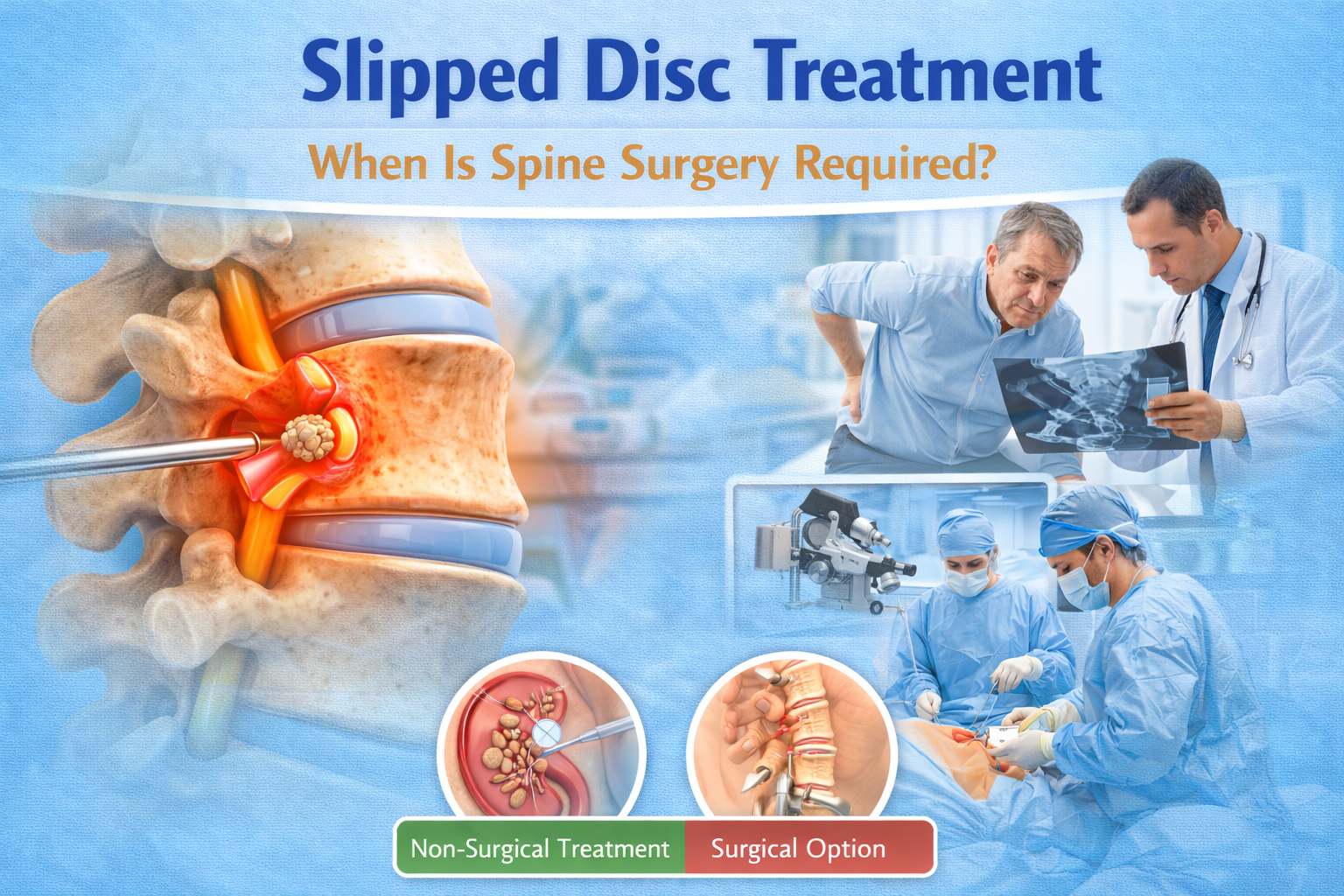
One of the most common causes of sciatica is a herniated or slipped disc. When the soft inner portion of a spinal disc pushes out through a tear in its outer layer, it can press on nearby nerves.
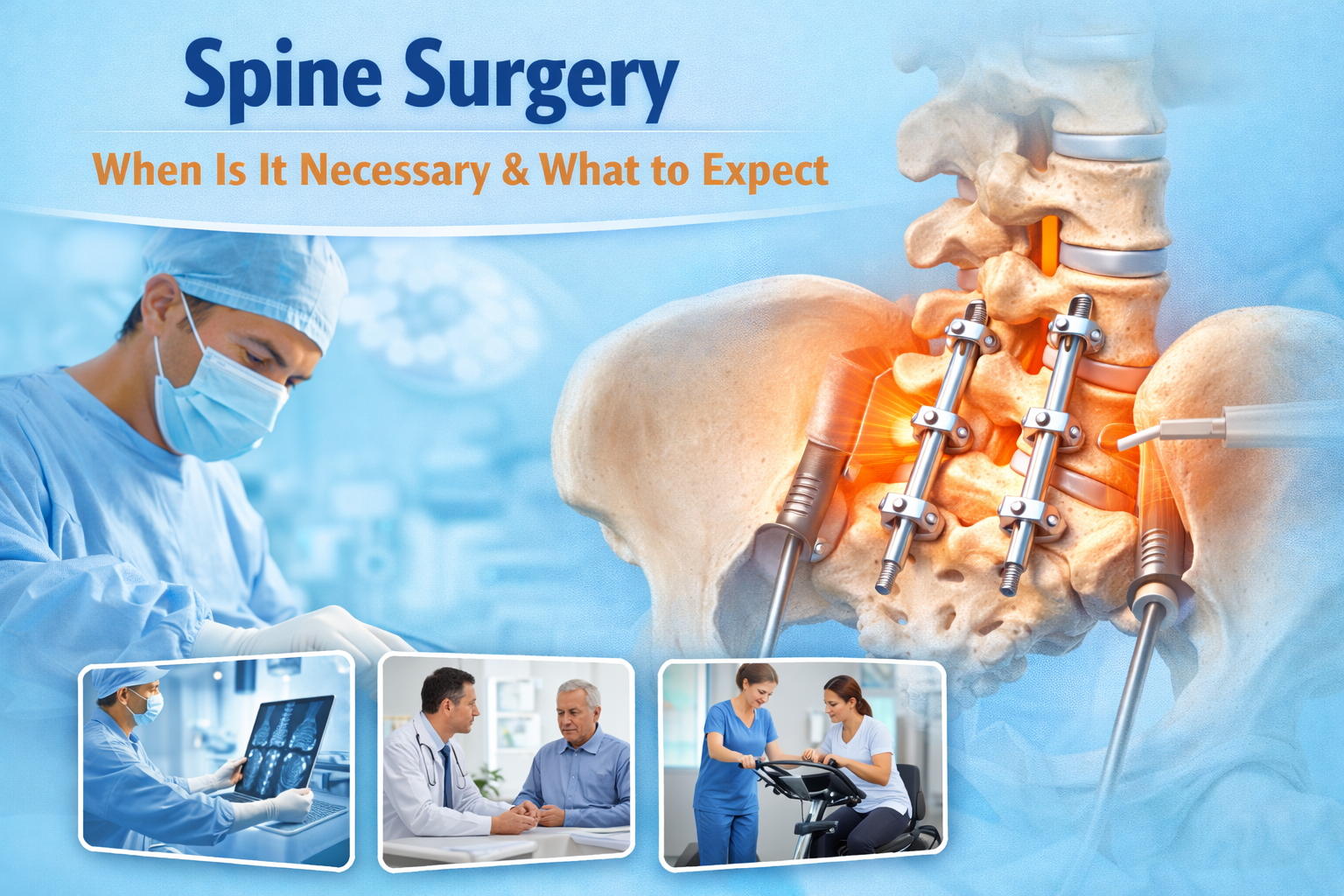
Patients experiencing persistent nerve pain may require medical evaluation for slipped disc treatment and spine surgery to relieve pressure on the affected nerve.
Spinal Stenosis
Spinal stenosis occurs when the spinal canal narrows, reducing the space available for nerves. This condition often develops with aging and may lead to nerve compression that causes leg pain or numbness.
Degenerative Disc Disease
Age-related wear and tear can weaken spinal discs and lead to inflammation, which may irritate nearby nerves.
Bone Spurs
Small bony growths on the spine may develop due to arthritis or spinal degeneration. These growths can press against the sciatic nerve.
Injury or Trauma
Sudden injury, heavy lifting, or accidents may strain the lower back and compress the sciatic nerve.
Identifying the underlying cause of sciatica is essential for determining the most appropriate treatment plan.
Symptoms of Sciatica
The symptoms of sciatica can vary depending on the severity of nerve compression.
Common symptoms include:
- Sharp or burning pain in the lower back
- Pain radiating from the buttock down the leg
- Tingling or numbness in the leg or foot
- Muscle weakness in the affected leg
- Pain that worsens when sitting for long periods
- Difficulty walking or standing comfortably
In severe cases, nerve compression may significantly affect mobility and daily activities.
How Is Sciatica Diagnosed?
Doctors diagnose sciatica through a combination of physical examination and imaging tests.
Physical Examination
During the examination, the doctor checks muscle strength, reflexes, and nerve responses to identify signs of nerve compression.
Imaging Tests
To determine the exact cause of sciatica, doctors may recommend imaging tests such as:
- X-rays to assess spinal alignment
- MRI scans to detect disc problems or nerve compression
- CT scans to provide detailed images of the spine
These tests help doctors confirm the diagnosis and plan the appropriate treatment.
Non-Surgical Treatment for Sciatica
Most patients with sciatica improve with conservative treatment within a few weeks.
Medications
Doctors may prescribe anti-inflammatory drugs, pain relievers, and muscle relaxants to reduce pain and swelling.
Physiotherapy
Physical therapy exercises help strengthen the muscles supporting the spine and improve flexibility, reducing pressure on the sciatic nerve.
Lifestyle Modifications
Maintaining proper posture, avoiding heavy lifting, and engaging in gentle exercises can help relieve symptoms.
Epidural Steroid Injections
In some cases, steroid injections around the affected nerve help reduce inflammation and provide temporary pain relief.
These treatments are often effective in managing symptoms and allowing the nerve to heal.
When Should Surgery Be Considered?
Surgery is generally recommended only when conservative treatments do not provide relief or when nerve damage is progressing.
Doctors may suggest surgery if:
- Severe pain persists for more than 6–8 weeks
- Progressive muscle weakness develops in the leg
- Numbness or tingling worsens over time
- Loss of bladder or bowel control occurs
- Imaging tests show severe nerve compression
In such cases, doctors may recommend spine surgery when it becomes necessary to relieve pressure on the sciatic nerve and restore normal function.
Surgical Treatment Options
Modern spine surgery focuses on relieving nerve pressure while minimizing tissue damage.
Microdiscectomy
This minimally invasive procedure removes the portion of the herniated disc that is pressing on the sciatic nerve.
Laminectomy
In this procedure, part of the vertebral bone covering the spinal canal is removed to create more space for the nerves.
Spinal Fusion
In cases where spinal instability is present, two vertebrae may be permanently joined together to stabilize the spine.
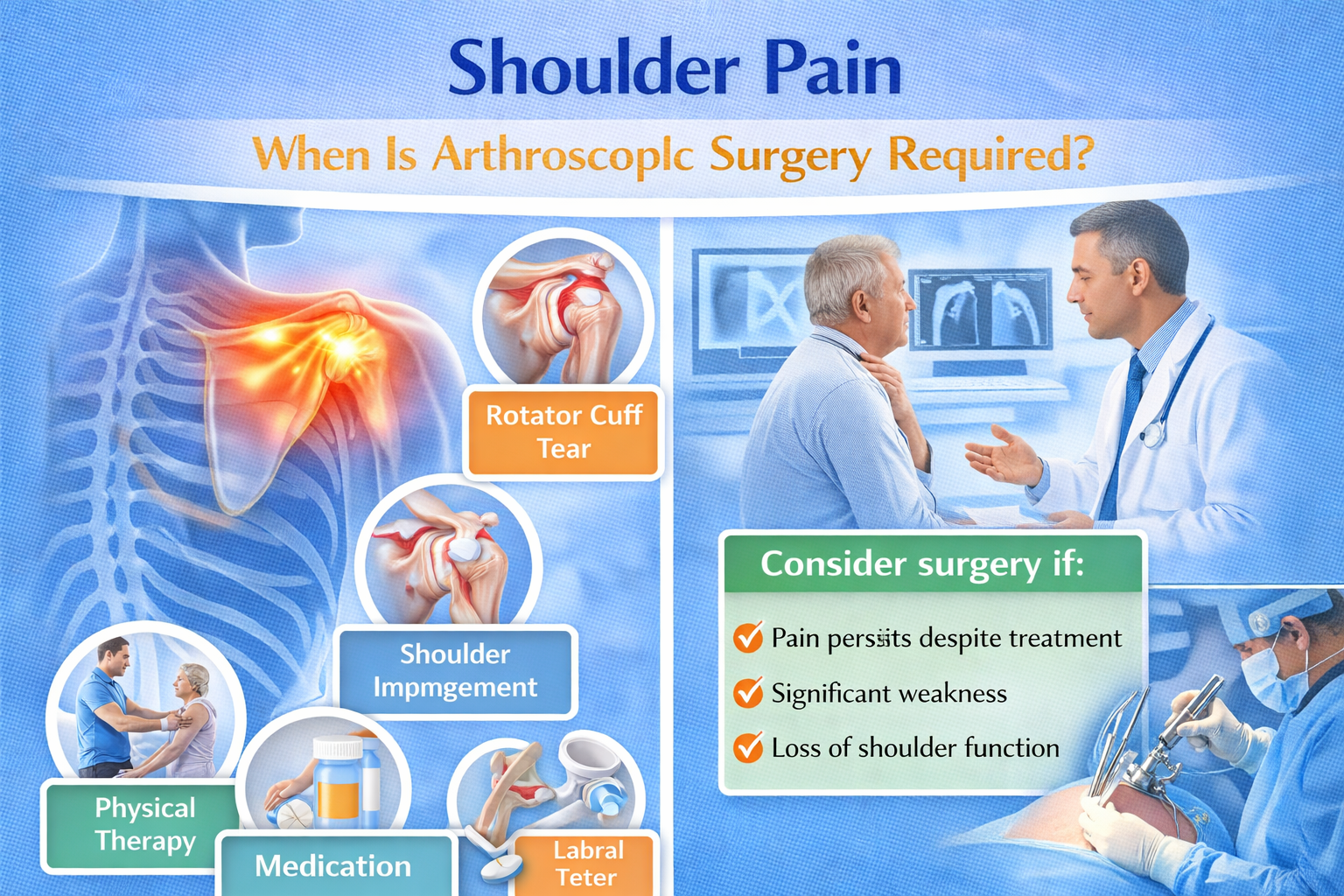
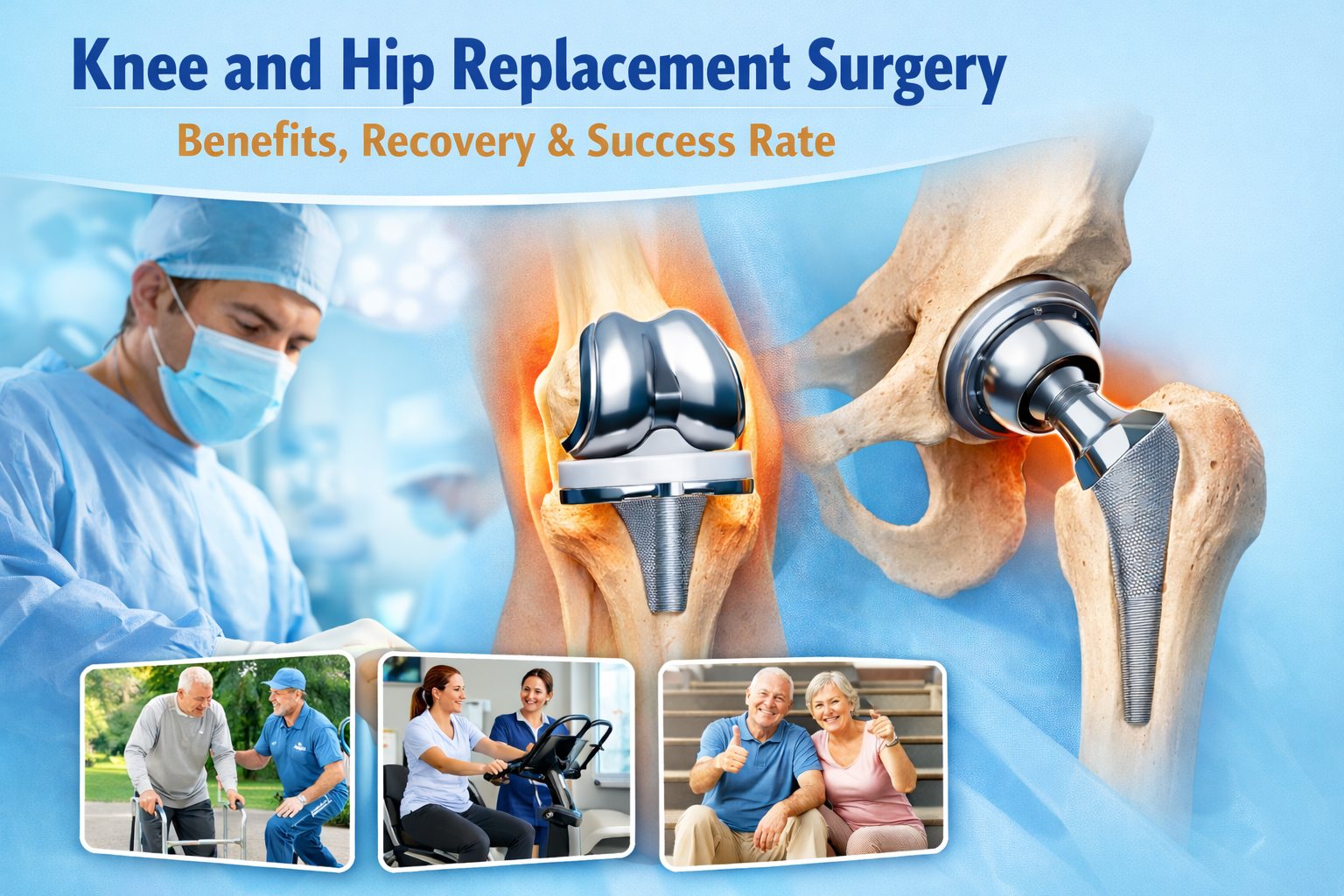
Patients with severe joint degeneration affecting mobility may also benefit from orthopedic procedures such as knee and hip replacement surgery, which help restore movement and reduce chronic pain.
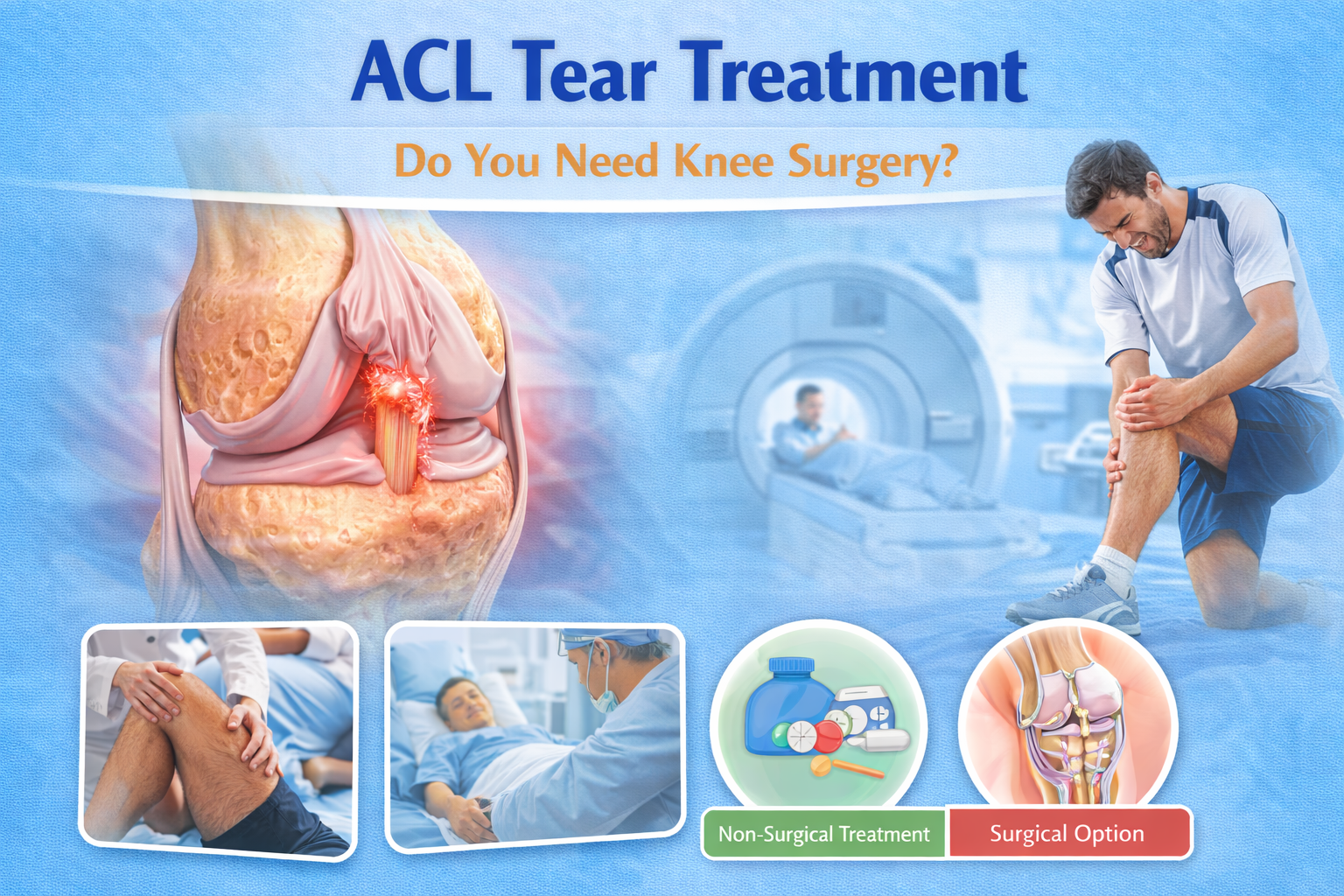
In some cases where knee instability contributes to mobility problems, doctors may also evaluate conditions requiring ACL tear treatment or knee surgery.
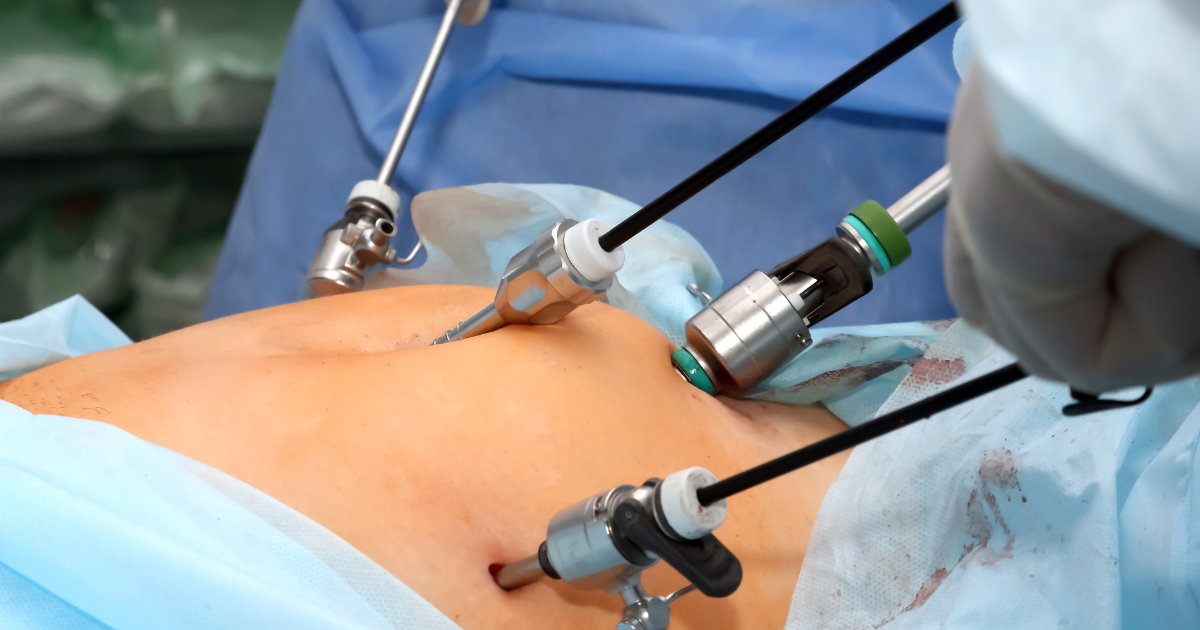
Modern spine surgeries are performed using advanced technology in a Modular Operation Theatre (OT) setup, which ensures better surgical precision, improved infection control, and enhanced patient safety.
Recovery After Sciatica Surgery
Recovery after surgery depends on the procedure performed and the patient’s overall health.
Typical recovery includes:
- Early mobilization within a few days
- Guided physiotherapy to strengthen the back
- Gradual return to daily activities
- Avoiding heavy lifting during the recovery period
Most patients experience significant relief from leg pain after surgery and regain mobility within a few weeks.
Preventing Sciatica
Maintaining spinal health can help reduce the risk of developing sciatica.
Helpful preventive measures include:
- Practicing proper posture while sitting and standing
- Exercising regularly to strengthen core muscles
- Maintaining a healthy body weight
- Avoiding sudden heavy lifting
- Using correct lifting techniques
These habits help protect the spine and reduce nerve compression.
Conclusion
Sciatica pain can significantly affect quality of life, but many patients improve with conservative treatment such as medications, physiotherapy, and lifestyle changes. However, when symptoms persist or nerve compression becomes severe, surgical treatment may be necessary.
Early diagnosis and timely treatment help prevent complications and restore mobility.
At Karna Hospital, advanced spine procedures are performed by experienced specialists using modern surgical techniques in a state-of-the-art Modular OT setup, ensuring the highest standards of patient care and safety.
Contact Karna Hospital
For immediate consultation or emergency support, contact Karna Hospital:
📞 Mobile: +91 63603 22779
📍 Address: Shankar Mutt Road, KR Puram, Hassan – 573201
🌐 Website:https://karnahospital.in/