Gallstones are a common digestive problem that affects millions of people worldwide. These small, hardened deposits form in the gallbladder and can cause severe abdominal pain and digestive issues if left untreated. While some gallstones may not cause symptoms, others can lead to serious complications that require medical treatment or surgery.
Understanding the symptoms, causes, and treatment options for gallstones can help patients seek timely medical care and prevent complications.
What Are Gallstones?
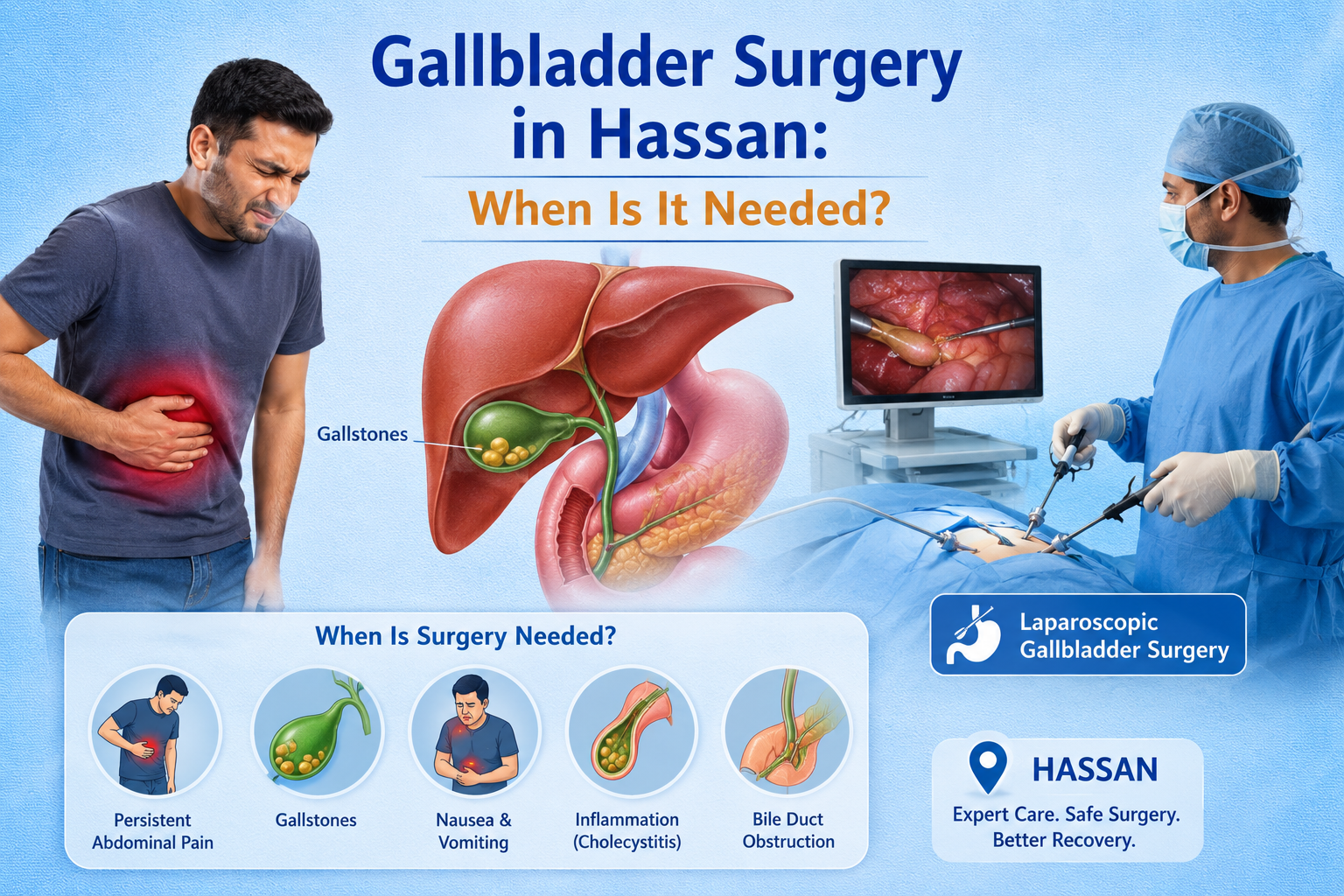
Gallstones are solid particles that develop in the gallbladder, a small organ located beneath the liver. The gallbladder stores bile, a digestive fluid that helps break down fats in the food we eat.
When there is an imbalance in the substances that make up bile—such as cholesterol or bilirubin—these substances can crystallize and form stones.
If you want to understand the condition in more detail, you can read our guide on What Are Gallstones?
Gallstones can vary in size. Some may be as small as a grain of sand, while others can grow as large as a golf ball.
There are two main types of gallstones:
1. Cholesterol Gallstones
These are the most common type and form when there is too much cholesterol in the bile.
2. Pigment Gallstones
These are smaller and darker stones that develop due to excess bilirubin in the bile.
Common Symptoms of Gallstones
Many people with gallstones may not experience any symptoms initially. However, when a gallstone blocks a bile duct, it can cause sudden and intense pain known as a gallbladder attack.
Common symptoms include:
- Severe pain in the upper right abdomen
- Pain that spreads to the back or right shoulder
- Nausea and vomiting
- Indigestion or bloating after meals
- Fever or chills in case of infection
- Yellowing of the skin or eyes (jaundice) in severe cases
The pain often starts suddenly and may last for several minutes to a few hours.
Causes of Gallstones
Gallstones can develop due to several factors related to diet, lifestyle, and underlying health conditions.
Some of the most common causes include:
Excess Cholesterol in Bile
When bile contains more cholesterol than it can dissolve, crystals may form and eventually turn into stones.
Poor Gallbladder Emptying
If the gallbladder does not empty completely or frequently enough, bile may become concentrated and lead to stone formation.
High Bilirubin Levels
Certain medical conditions can increase bilirubin levels in the body, which can contribute to pigment gallstones.
Diet and Lifestyle Factors
A diet high in fat and low in fiber can increase the risk of gallstone formation.
Risk Factors for Gallstones
Certain individuals are more likely to develop gallstones than others.
Risk factors include:
- Obesity or rapid weight loss
- High-fat diet
- Diabetes
- Pregnancy
- Family history of gallstones
- Age above 40 years
- Sedentary lifestyle
Women are also more likely to develop gallstones compared to men due to hormonal influences.
When Do Gallstones Need Treatment?
If gallstones do not cause symptoms, they may not require immediate treatment. However, when they start causing pain or complications, medical intervention becomes necessary.
Treatment is recommended if the patient experiences:
- Frequent gallbladder attacks
- Severe abdominal pain
- Infection of the gallbladder
- Blockage of bile ducts
- Pancreatitis caused by gallstones
Ignoring these symptoms can lead to serious health complications.
Diagnosis of Gallstones
Doctors usually diagnose gallstones through medical evaluation and imaging tests.
Common diagnostic methods include:
Ultrasound Scan
This is the most common and effective method to detect gallstones.
Blood Tests
These help identify infection, inflammation, or blockage in the bile ducts.
CT Scan or MRI
These advanced imaging tests provide detailed views of the gallbladder and surrounding organs.
Early diagnosis helps prevent complications and allows doctors to recommend the most suitable treatment.
Treatment Options for Gallstones
Treatment depends on the severity of symptoms and the size and number of stones.
Non-Surgical Treatment
For mild cases, doctors may recommend medications that help dissolve cholesterol gallstones. However, this treatment may take months or years and is not always effective.
Lifestyle changes such as a balanced diet and maintaining a healthy weight may also help reduce symptoms.
Laparoscopic Gallbladder Surgery
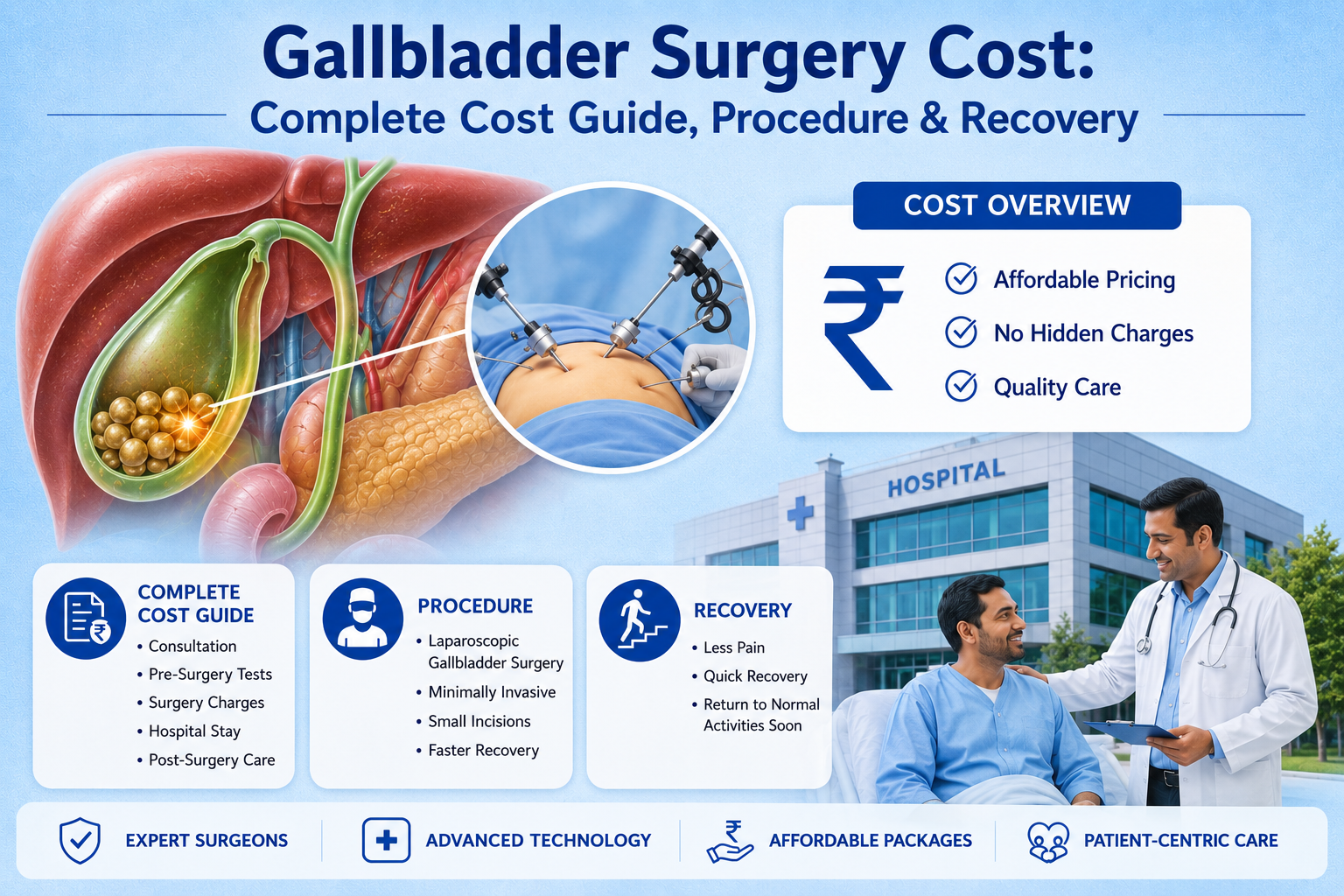
The most effective treatment for symptomatic gallstones is laparoscopic cholecystectomy, a minimally invasive procedure to remove the gallbladder.
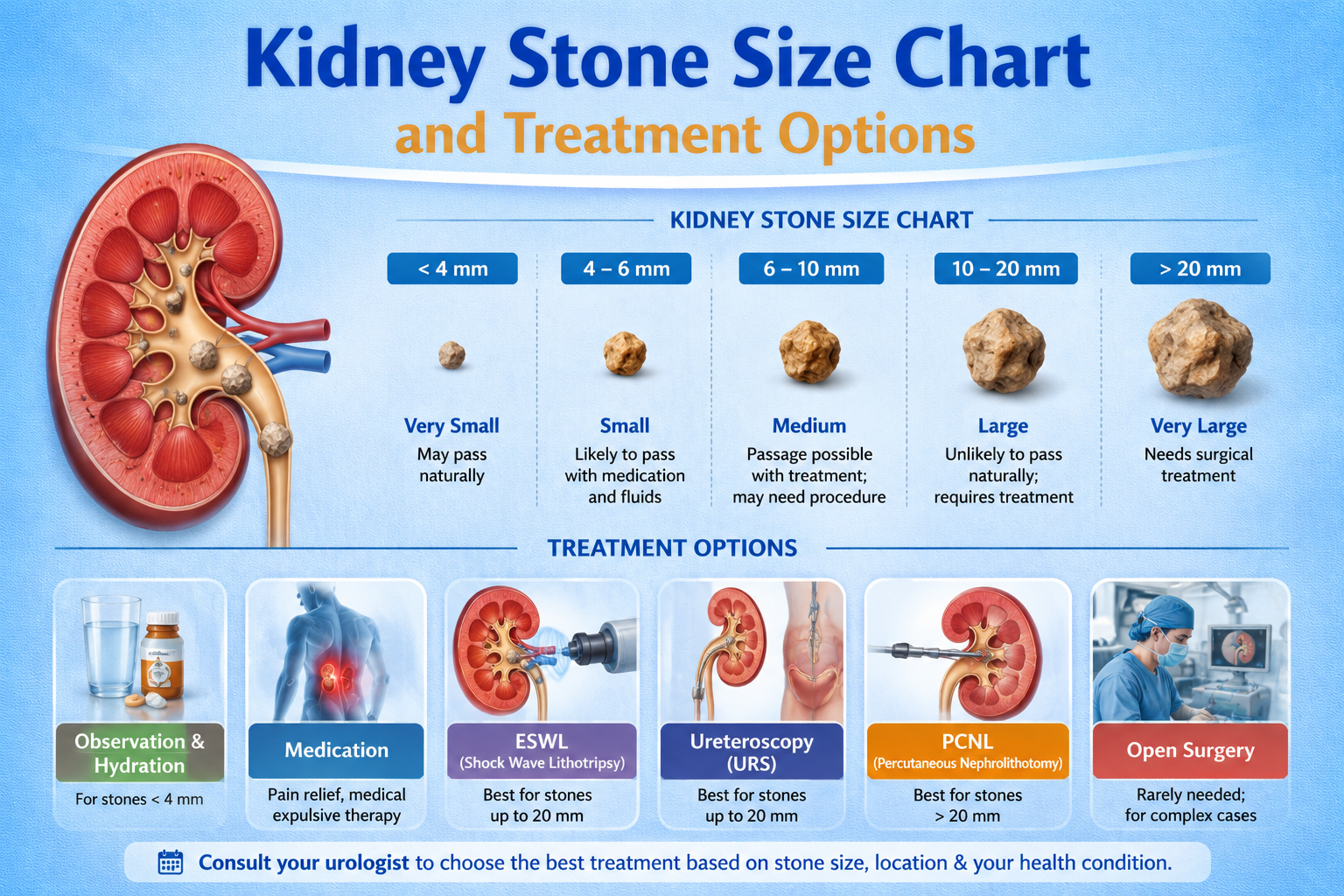
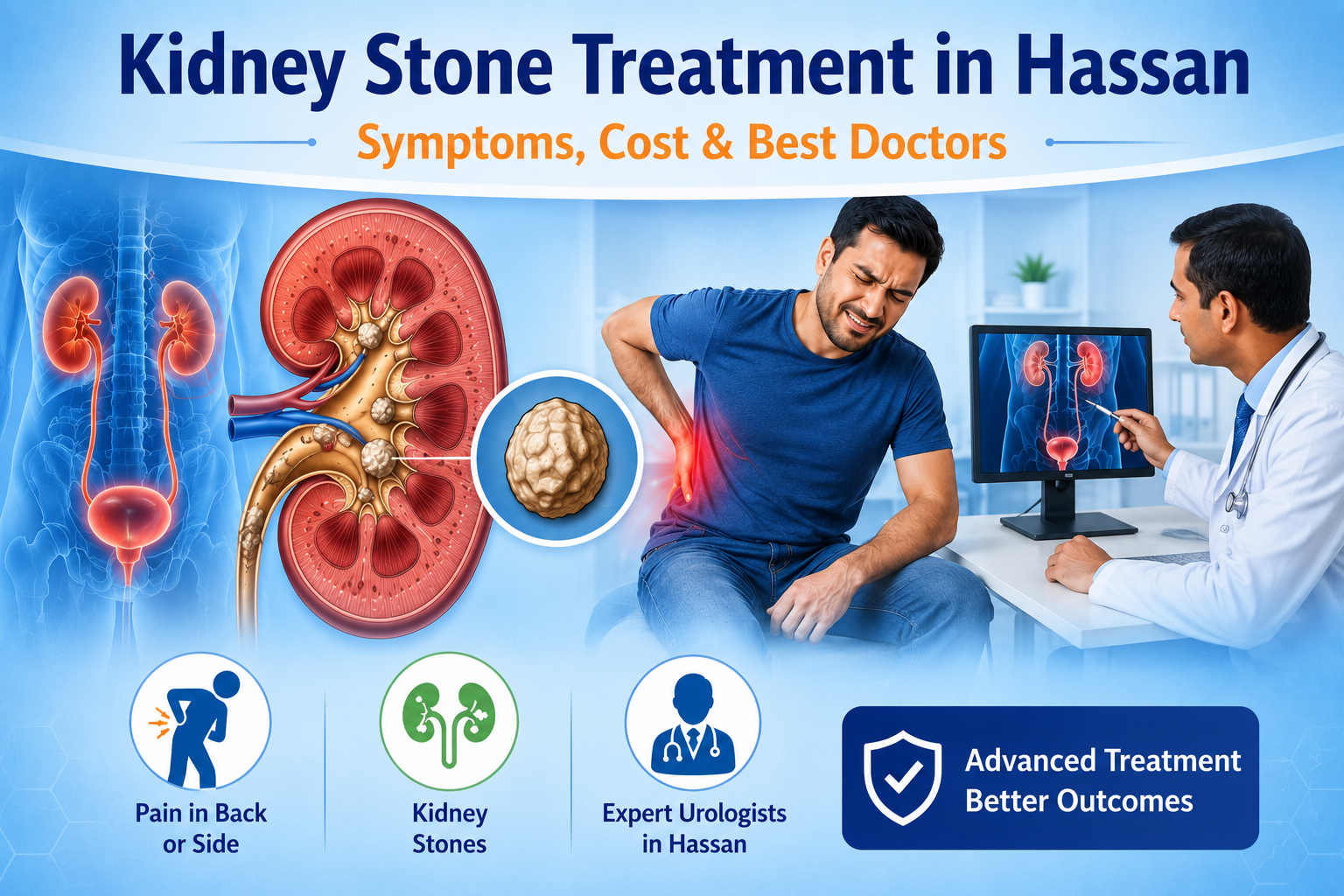
Patients often confuse gallstones with kidney stones, but they are different conditions affecting different organs. If you want to understand kidney stone treatment options, read this detailed guide on Kidney Stone Treatment: Laser Surgery vs Open Surgery.
Laparoscopic surgery is widely preferred because it offers:
- Smaller incisions
- Less pain after surgery
- Faster recovery
- Shorter hospital stay
Most patients can return to normal activities within a few weeks.
Conclusion
Gallstones are a common yet potentially painful condition that can significantly affect digestive health. While some gallstones remain silent, others can cause severe symptoms and complications if left untreated.
Recognizing the symptoms of gallstones, understanding their causes, and seeking timely medical care can help patients receive appropriate treatment and avoid serious health risks.
Modern surgical techniques such as laparoscopic gallbladder surgery make treatment safer, less invasive, and faster in recovery for most patients.
Consult Karna Hospital for Expert Care
If you are experiencing symptoms of gallstones or need expert medical advice, consult the specialists at Karna Hospital for accurate diagnosis and advanced treatment options.
For immediate consultation or emergency support, contact Karna Hospital:
📞 Mobile: +91 63603 22779
📍 Address: Shankar Mutt Road, KR Puram, Hassan – 573201
🌐 Website: https://karnahospital.in/