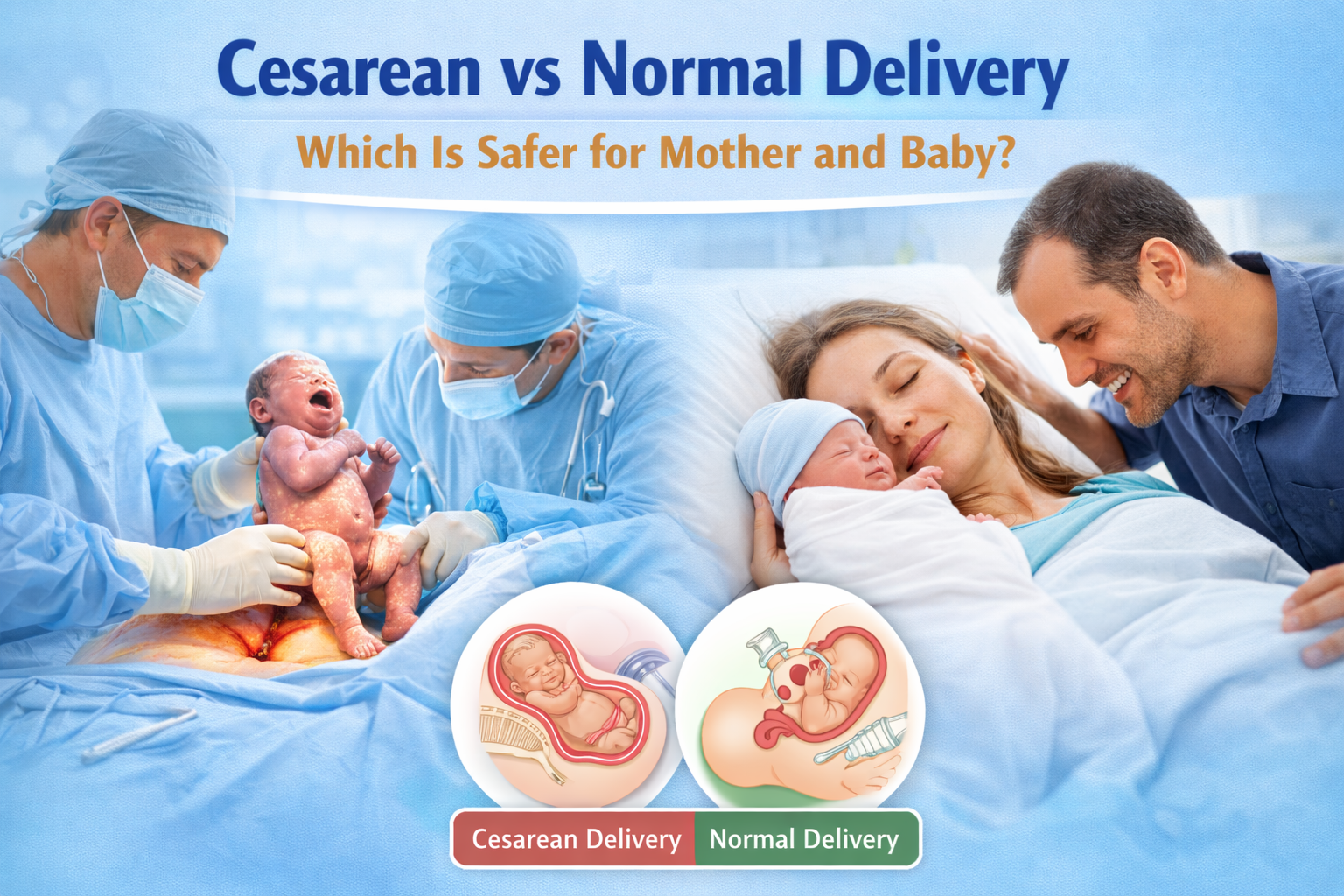
Childbirth is one of the most remarkable experiences in life, yet it comes with important decisions—especially when it comes to choosing the safest delivery method. Two primary approaches are available: normal (vaginal) delivery and cesarean delivery (C-section). Each has its own benefits, risks, and ideal circumstances.
This comprehensive guide explains the differences, safety considerations, recovery expectations, and situations where one option may be preferable over the other.
What Is Normal (Vaginal) Delivery?
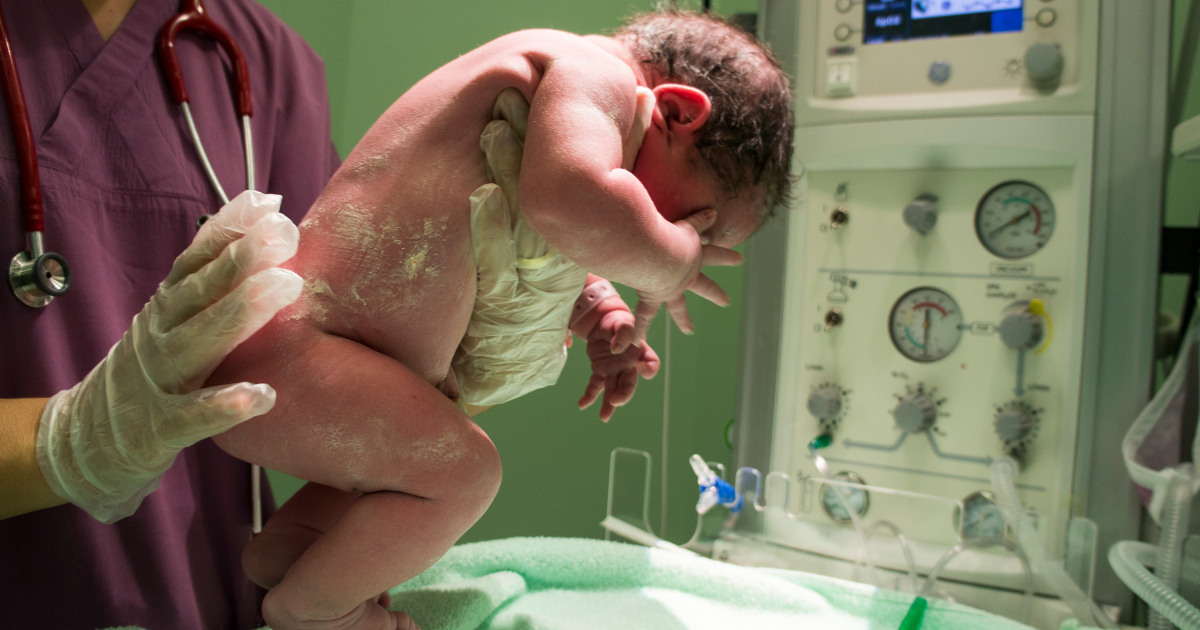
Normal delivery refers to the process where a baby is born through the birth canal. It is the most traditional and common form of childbirth worldwide.
How It Works
During labor, the cervix dilates, the contractions help push the baby through the pelvis and birth canal, and the baby is delivered without the need for major surgery.
Benefits for Mother and Baby
- Quicker recovery: Most mothers who have vaginal deliveries are able to walk and eat sooner.
- Lower risk of surgical complications: Because there is no large incision, risks like excessive bleeding or infection are reduced.
- Benefits for the baby: Vaginal squeezing during birth helps clear fluid from the baby’s lungs and supports early bonding and breastfeeding success.
- Shorter hospital stay: Typically 1–2 days for recovery.
Ideal Candidates for Normal Delivery
- Healthy mother with no major pregnancy complications
- Baby in a head-down position (cephalic presentation)
- No placenta problems (e.g., placenta previa)
- No history of uterine surgery
- No fetal distress
Normal delivery is generally recommended when the mother and baby are healthy, and labor progresses naturally without complications.
What Is Cesarean (C-Section) Delivery?
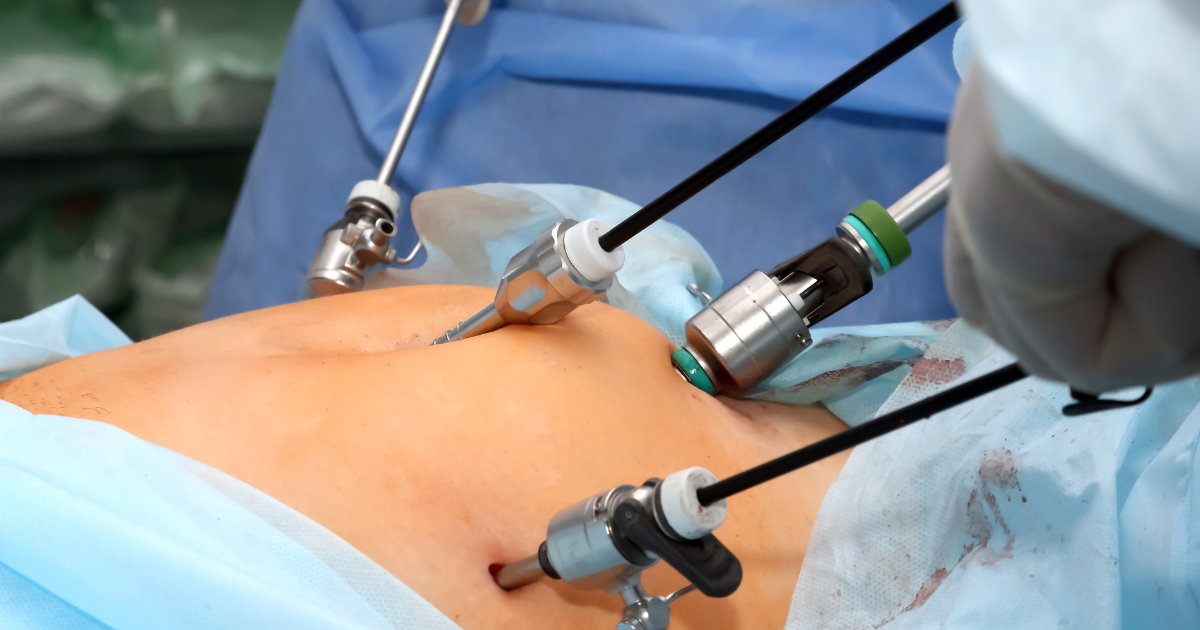
A cesarean delivery is a surgical method used to deliver a baby through incisions in the mother’s abdomen and uterus.
When Is a C-Section Performed?
C-sections can be planned (elective) or unplanned (emergency). Some common reasons include:
- Baby in breech or transverse position
- Placenta blocking the cervix (placenta previa)
- Fetal distress during labor
- Labor fails to progress
- Multiple pregnancies (twins, triplets)
- Maternal health issues (e.g., preeclampsia)
Because it is a surgical procedure, C-section deliveries require anesthesia, careful monitoring, and a controlled environment.
Benefits of C-Section When Necessary
- Life-saving intervention: Can prevent serious complications for mother and baby.
- Convenience in elective cases: Can be scheduled in advance, which some mothers prefer due to planning convenience.
- Reduced risk of certain birth injuries: May lower the chances of shoulder dystocia and prolonged labor.
Comparing Safety: Cesarean vs Normal Delivery
Whether normal delivery or C-section is safer depends on the health of the mother and the baby, and the specific circumstances. Below is a comparison of safety considerations:
Risks for the Mother
Normal Delivery
- Tearing or episiotomy (surgical cut)
- Perineal pain during recovery
- Urinary incontinence in some cases
Cesarean Delivery
- Greater risk of surgical complications (infection, bleeding)
- Longer recovery time
- Increased risk during future pregnancies (placenta issues)
In general, vaginal delivery has fewer risks for healthy mothers compared to a C-section, as long as labor progresses normally.
Risks for the Baby
Normal Delivery
- Potential for birth canal trauma (rare)
- Some babies may experience temporary oxygen variation during labor
Cesarean Delivery
- Higher likelihood of breathing difficulties at birth
- Possible adjustment challenges due to delayed lung fluid clearance
In some cases, especially if the baby is born prematurely or experiences complications, specialized monitoring may be required. You can learn more about situations where newborns may need intensive care in our detailed guide on When Does a Baby Need NICU Support.
Overall, when medically indicated, C-sections can be lifesaving and reduce risk for both mother and baby—but if no complication exists, normal delivery is typically associated with fewer newborn complications.
Recovery After Normal Delivery vs C-Section
Normal Delivery Recovery
- Faster recovery for most mothers
- Ability to walk shortly after birth
- Minimal pain medication required
- Early breastfeeding initiation
C-Section Recovery
- Requires 4–6 weeks before strenuous activity
- Pain at incision site for several days
- Longer hospital stay (usually 3–4 days)
- Increased risk of blood clots if mobility is delayed
Both paths require emotional support, rest, and proper nutrition. While normal delivery often allows a quicker return to daily activities, C-section recovery needs more time and care.
Impact on Future Pregnancies
After a vaginal birth, many women can plan future pregnancies without special restrictions. Following a cesarean, some women may need specialized monitoring due to potential uterine scar complications. Vaginal Birth After Cesarean (VBAC) is possible for many mothers, but eligibility must be assessed by a healthcare provider.
Common Misconceptions
❌ “C-sections are always safer.”
Not always—cesarean delivery is safer only when medically necessary. For low-risk pregnancies, normal delivery is generally safer and carries fewer long-term health impacts.
❌ “Normal delivery is always pain-free.”
Every birth involves discomfort. Pain management options like epidurals, breathing exercises, and labor support help mothers have a more comfortable experience.
❌ “C-sections affect bonding.”
Mothers can bond just as deeply regardless of delivery method. Early skin-to-skin contact and breastfeeding support are key.
Which Should You Choose?
There is no one-size-fits-all answer. The safest delivery method depends on:
- Health condition of the mother
- Fetal position and wellbeing
- Pregnancy complications
- Previous obstetric history
- Doctor’s clinical assessment
A collaborative decision with your obstetrician, based on current health and evidence-based practices, ensures the best outcome.
How to Prepare for Delivery
Before Birth
- Attend regular prenatal checkups
- Maintain a nutritious diet
- Stay physically active as advised
- Take childbirth education classes
- Prepare a birth plan
During Labor
- Communicate with your healthcare team
- Practice breathing and relaxation techniques
- Use pain relief options when needed
After Delivery
- Follow discharge and postpartum care instructions
- Monitor for signs of infection or excessive bleeding
- Prioritize rest and hydration
- Seek support for breastfeeding
Conclusion
Both normal and cesarean deliveries play vital roles in modern obstetric care. For most healthy pregnancies, vaginal delivery is considered safer and more natural with faster recovery and fewer surgical risks. Yet when complications arise, cesarean delivery can be life-saving for both mother and baby.
The key is informed decision-making, guided by professional medical evaluation and individual health needs.
For immediate consultation or emergency support, contact Karna Hospital:
📞 Mobile: +91 63603 22779
📍 Address: Shankar Mutt Road, KR Puram, Hassan – 573201
🌐 Website: https://karnahospital.in/