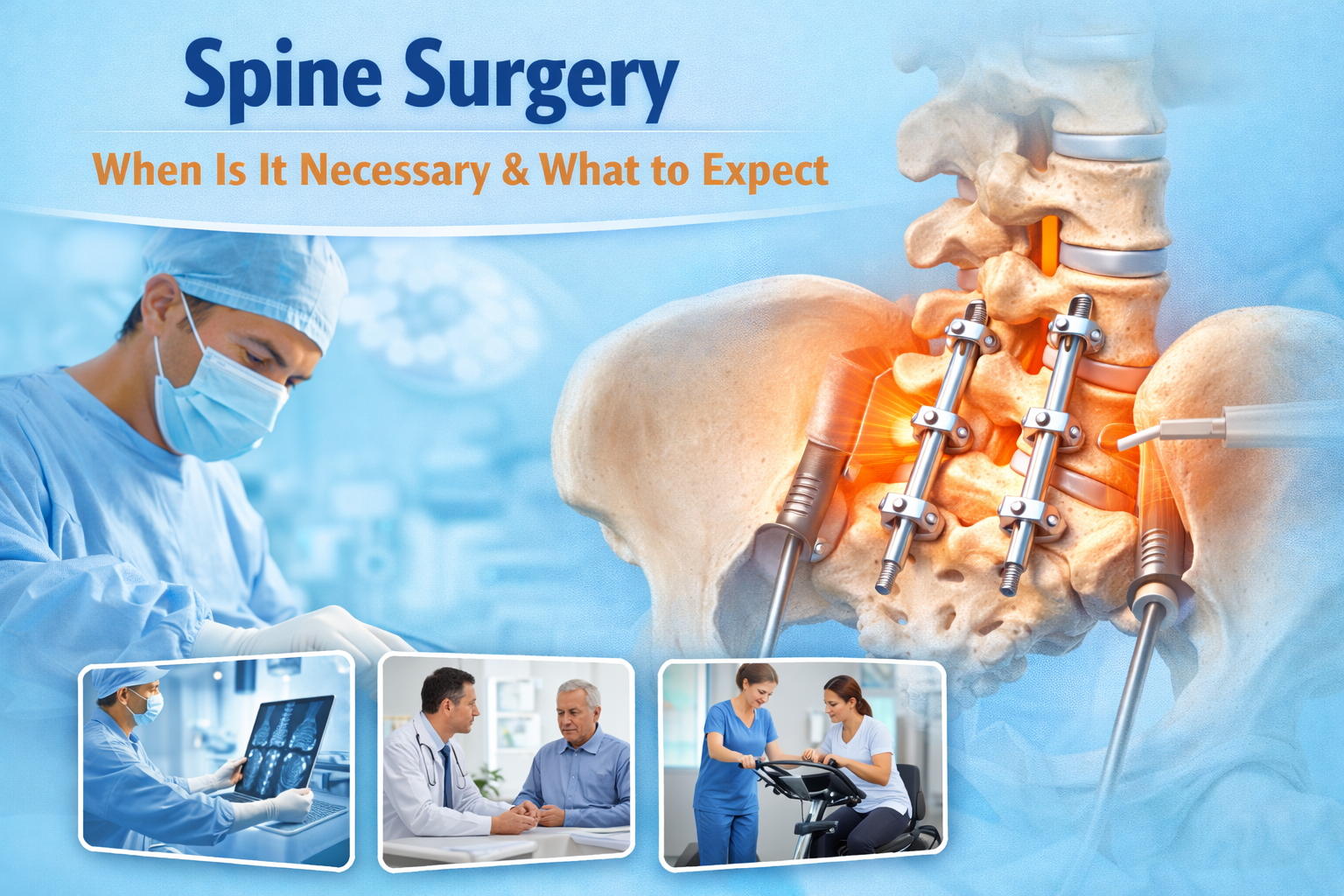
Back and neck pain are among the most common health complaints today. While many cases improve with rest, physiotherapy, and medication, some spinal conditions require advanced medical intervention. Spine surgery is recommended only when conservative treatments fail or when serious neurological symptoms develop.
Understanding when spine surgery is necessary and what to expect before and after the procedure can help patients make informed decisions with confidence.
Understanding the Spine and Its Role
The spine is a complex structure made up of:
- Vertebrae (bones)
- Intervertebral discs (shock absorbers)
- Spinal cord and nerves
- Ligaments and muscles
It provides stability, flexibility, and protection to the nervous system. When any of these components are damaged due to injury, aging, degeneration, infection, or trauma, it can lead to chronic pain and restricted movement.
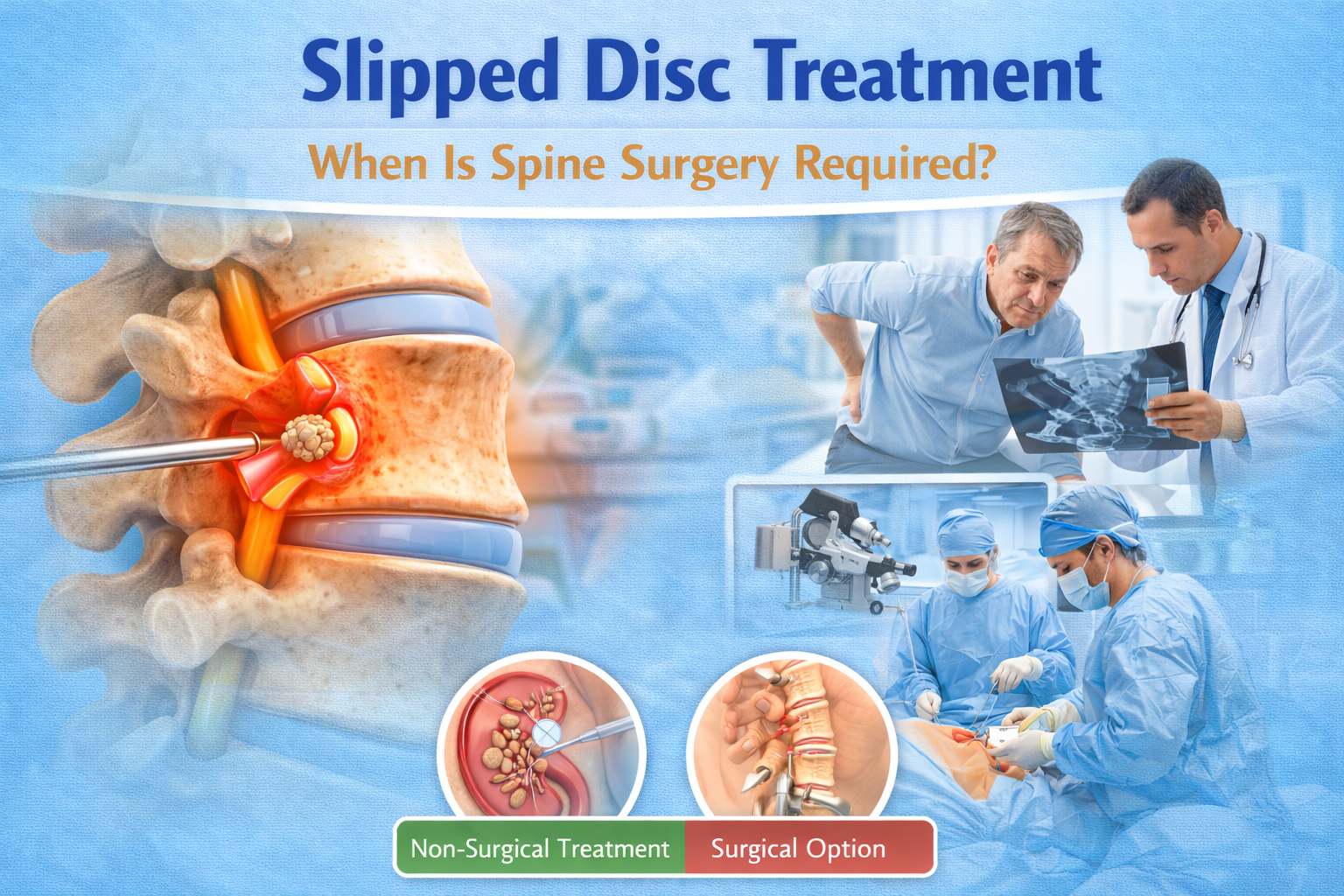
When Is Spine Surgery Necessary?
Spine surgery is usually considered after non-surgical treatments have been tried for several weeks or months without significant relief. Below are the most common scenarios where surgery may be recommended:
1. Persistent Pain Despite Conservative Treatment
If back or neck pain continues even after physiotherapy, medications, injections, and lifestyle modifications, surgery may be required to correct the structural issue causing the discomfort.
2. Nerve Compression Symptoms
When a herniated disc or spinal stenosis compresses nerves, patients may experience:
- Numbness or tingling in arms or legs
- Weakness in limbs
- Radiating pain (such as sciatica)
- Difficulty walking or maintaining balance
If these symptoms worsen or do not improve, surgical decompression may be necessary to prevent permanent nerve damage.
3. Loss of Bladder or Bowel Control
Sudden inability to control bladder or bowel function, combined with severe back pain, is a medical emergency. Immediate surgical intervention may be required to relieve pressure on the spinal nerves.
4. Structural Instability or Deformity
Conditions like severe scoliosis, spondylolisthesis, spinal fractures, tumors, or infections can compromise spinal stability. In such cases, surgery helps restore alignment and protect neurological function.
Common Types of Spine Surgery
The type of surgery depends on the diagnosis and severity of the condition. Some commonly performed spine procedures include:
Discectomy
Removal of part of a herniated disc that is pressing on a nerve.
Laminectomy
Removal of bone or tissue to widen the spinal canal and relieve pressure on nerves.
Spinal Fusion
Joining two or more vertebrae together to stabilize the spine and reduce painful motion.
Artificial Disc Replacement
Replacing a damaged disc with an artificial implant to maintain movement.
Minimally Invasive Spine Surgery
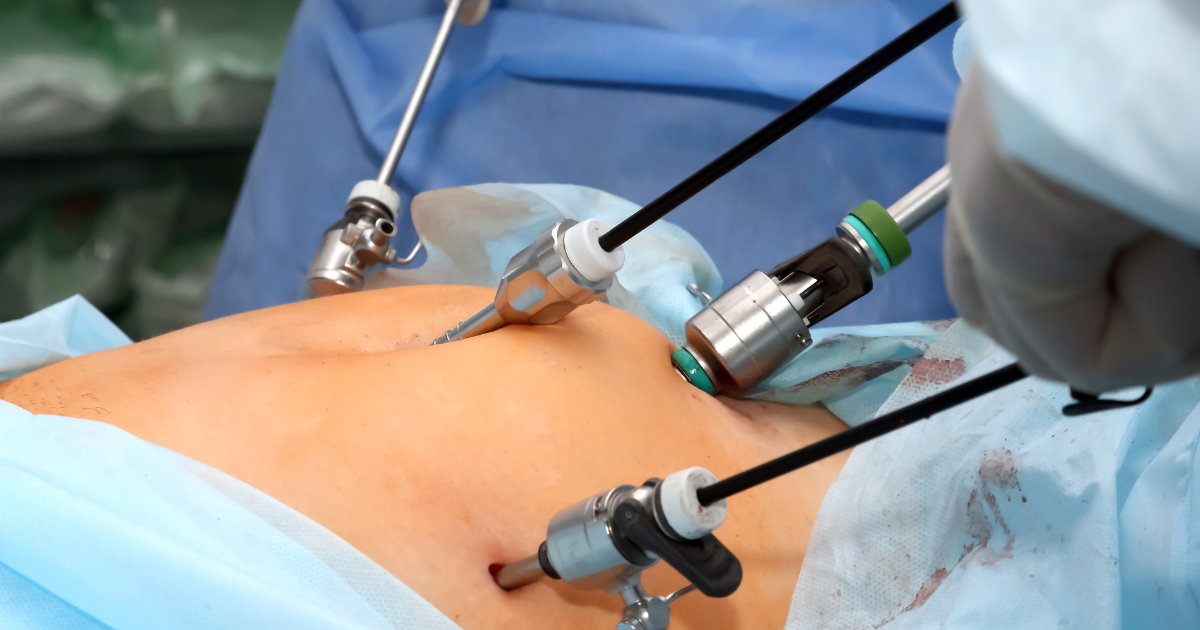
Performed through smaller incisions, leading to reduced muscle damage, less pain, and faster recovery.
Your spine specialist will recommend the most appropriate procedure based on imaging findings, symptoms, and overall health condition.
For patients dealing with advanced joint degeneration along with spinal issues, you may also explore our detailed guide on Knee and Hip Replacement Surgery: Benefits, Recovery & Success Rate, which explains treatment options for severe joint pain and mobility limitations.
What Happens During Spine Surgery
Spine surgery is performed in a sterile hospital environment under anesthesia. The duration depends on the complexity of the condition and the procedure being performed.
Requires Modular OT Setup
Spine surgery requires a Modular Operation Theatre (OT) setup to ensure maximum safety, infection control, and precision. A modular OT is equipped with:
- Advanced air filtration systems (laminar airflow)
- Sterile, controlled surgical environment
- High-end surgical instruments
- Modern anesthesia and monitoring equipment
- Imaging guidance systems (if required)
This setup significantly reduces the risk of infection and improves surgical accuracy, leading to better patient outcomes.
Modern spine care focuses on precision, safety, and faster rehabilitation through advanced surgical infrastructure.
Recovery After Spine Surgery
Recovery varies depending on the procedure performed and the patient’s overall health.
Hospital Stay
Some minimally invasive procedures may require only a short hospital stay, while more complex surgeries may require a few days of observation.
Pain Management
Post-operative discomfort is normal but manageable with prescribed medications.
Physical Therapy & Rehabilitation
Rehabilitation is essential to restore strength, flexibility, and stability. A guided physiotherapy program significantly improves long-term results.
Return to Normal Activities
Light activities can usually resume within weeks, while full recovery may take a few months. Following your doctor’s instructions carefully helps prevent complications and promotes healing.
Risks and Realistic Expectations
Like any surgical procedure, spine surgery carries some risks such as infection, bleeding, or delayed healing. However, with proper patient selection and expert surgical care, outcomes are generally positive.
It is important to understand that surgery aims to relieve nerve compression and stabilize the spine. While many patients experience significant pain relief, complete elimination of discomfort cannot always be guaranteed.
When Should You Consult a Spine Specialist?
Seek medical attention if you experience:
- Persistent back or neck pain lasting more than a few weeks
- Pain radiating to arms or legs
- Numbness or weakness
- Difficulty walking
- Sudden loss of bladder or bowel control
Early diagnosis can prevent complications and improve recovery outcomes.
Take the First Step Toward a Pain-Free Life
Spine surgery is not the first line of treatment — but when necessary, it can dramatically improve mobility, reduce pain, and restore quality of life. The key lies in timely evaluation, expert diagnosis, and personalized care.
If you or your loved ones are experiencing ongoing spinal problems, consult the specialists at Karna Hospital for a comprehensive evaluation and advanced treatment options. A state-of-the-art Modular OT setup is present at Karna Hospital, ensuring safe and advanced spine surgical care.
Contact Karna Hospital
For immediate consultation or emergency support, contact Karna Hospital:
📞 Mobile: +91 63603 22779
📍 Address: Shankar Mutt Road, KR Puram, Hassan – 573201
🌐 Website: https://karnahospital.in/