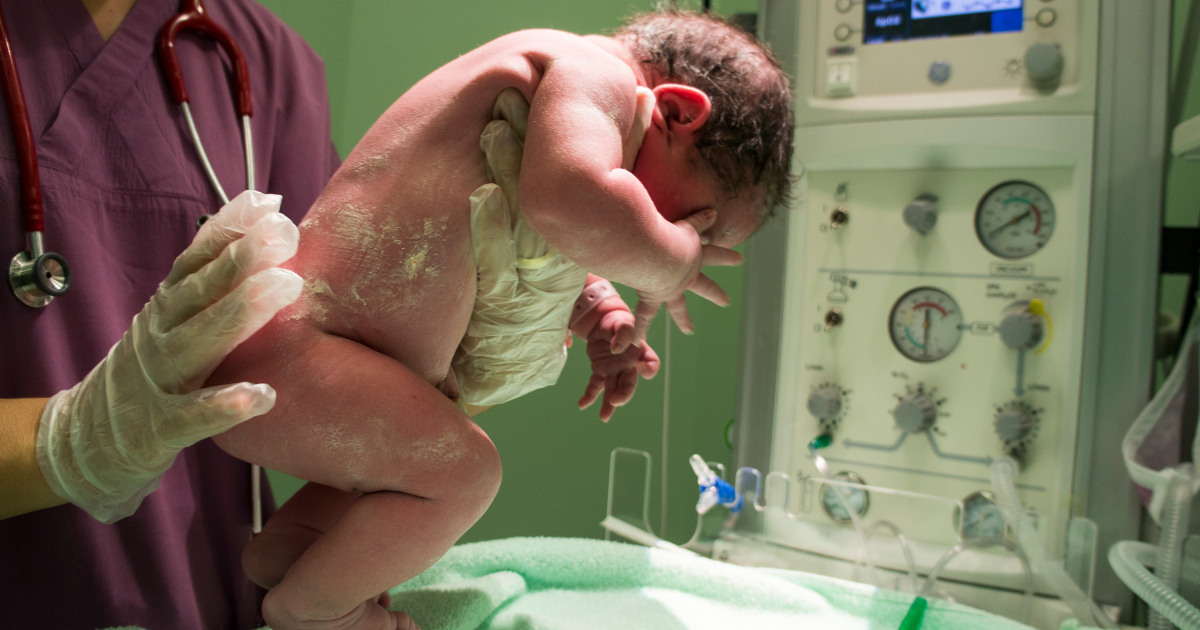
For an entire family, the birth of a child is one of the most joyous occasions. However, after delivery, some newborns may need immediate attention. In such situations, newborn critical care is essential in ensuring the baby’s safety and growth.
If your baby shows signs of distress or was born prematurely, then consult the specialist at Karna Hospitals immediately for expert newborn critical care and advanced NICU support.
This blog explains common reasons for neonatal intensive care, when a baby needs to be admitted to the NICU, and what a baby’s parents can expect from the NICU critical care.
Newborn Critical Care: Overview?
The term “newborn critical care” describes the specialized medical care given to infants who are born prematurely, underweight, or with problems. This care is given in the Neonatal Intensive Care Unit, where trained neonatologists, nurses, and advanced equipment monitor and treat newborns 24/7
The NICU is equipped with:
- Baby incubators for temperature regulation
- Neonatal ventilator support
- Oxygen therapy units
- Continuous heart rate and breathing monitors
- Specialised infection control systems
This advanced setup ensures high-risk newborn care with constant observation and immediate intervention if required.
When Does a Baby Need NICU Support?
Below are the most common reasons for NICU admission.
1. Premature Birth
NICU care is necessary for premature babies who are born before 37 weeks of pregnancy. Premature babies may have underdeveloped lungs, weak immune systems, and difficulty in regulating their body temperature.
In such cases, newborn critical care helps with:
- Breathing support
- Feeding of the baby
- Temperature regulation
- Tracking the development of organs
2. Low Birth Weight
Infants under 2.5 kg at birth might require observation in the NICU. Babies with low birth weights are most likely to experience respiratory issues, feeding issues, and infection.
In the NICU, babies who are underweight get proper nutrition and tracking of growth.
3. Breathing Problems in Newborns
One of the most common uses of NICU admission is respiratory distress in newborns. A baby may experience difficulty in breathing due to:
- Underdeveloped lungs
- Meconium aspiration
- Birth complications
- Infections
4. Birth Complications
Complicated deliveries, lack of oxygen during birth, or emergency C-sections may require the baby to receive immediate neonatal intensive care. Moreover, continuous monitoring ensures the baby’s brain and vital organs are functioning properly.
5. Newborn Infections
Newborns have very delicate immune systems. Newborn infection treatment in the NICU includes antibiotics, IV fluids, and close observation to prevent complications such as sepsis.
6. Severe Jaundice
Mild jaundice is very common, but serious cases of jaundice may require NICU admission. However, phototherapy helps lower bilirubin levels safely and effectively for newborn jaundice treatment.
How Long Does a Baby Stay in the NICU?
The duration of staying in the NICU depends on the baby’s condition. Some babies need only 24-48 hours of observation, while premature infants may require a few weeks under monitoring.
Doctors usually discharge the baby when:
- Breathing is stable
- Feeding is consistent
- Body temperature is regulated
- Weight gain is steady
However, recovery time varies from baby to baby, and the medical team closely monitors the progress.
What Happens Inside the NICU?
Parents often feel anxious about NICU admission, but somehow understanding what actually happens in the NICU can reduce the stress.
- Babies are placed in incubators to maintain warmth
- Monitors track heart rate, oxygen levels, and breathing
- Special feeding tubes may be used
- Infection prevention measures are strictly followed
Emotional Support for Parents
Seeing your baby in the NICU can be overwhelming sometimes. But at this critical time, one should always remember that newborn critical care is designed to give your baby the best possible start in life. Moreover, early intervention significantly improves survival rates and long-term health outcomes.
Talking to neonatologists, asking questions, and understanding your baby’s treatment plan can help reduce anxiety and build confidence.
Importance of Choosing the Right Hospital for Newborn Critical Care
The quality of NICU facilities and expertise in the medical field play a crucial role in recovery.
When selecting a hospital, consider:
- Availability of advanced NICU equipment
- Experienced neonatologists
- 24/7 emergency support
- Infection control standards
- Parent counselling services
However, choosing a hospital with comprehensive newborn critical care services helps in ensuring your baby receives safe and effective treatment.
Conclusion
Every newborn deserves a healthy start. While most babies are born without complications, some require specialized newborn critical care to overcome early health changes. Premature birth, low birth weight, breathing difficulties, infections, or birth complications are common reasons for NICU admission.
Early detection and timely NICU support can make a life-saving difference. If your baby is showing warning signs or if you have a high-risk pregnancy, do not delay seeking expert medical care.
At Karna Hospital, we provide advanced newborn critical care with a fully equipped NICU and experienced neonatologists dedicated to your baby’s safety.
For immediate consultation or emergency support, contact Karna Hospital:
📞 Mobile: +91 63603 22779
📍 Address: [Shankar Mutt Road, KR Puram, Hassan – 573201]🌐 Website: https://karnahospital.in/